Allergy to Clioquinol: Causes, Symptoms, and Management
Understanding contact allergies to clioquinol and effective management strategies.
Allergy to Clioquinol: A Comprehensive Guide
Clioquinol, also known as 5-chloro-7-iodoquinolin-8-ol, is a widely used antimicrobial agent found in various topical preparations designed to treat skin infections and inflammatory conditions. Despite its therapeutic benefits, clioquinol can cause contact allergic reactions in sensitized individuals. This article provides a detailed examination of clioquinol allergy, including its causes, clinical manifestations, diagnostic approaches, and management strategies.
What is Clioquinol?
Clioquinol is an antimicrobial compound belonging to the quinoline family of chemicals. It is primarily utilized as an antifungal and antibacterial agent in topical formulations intended for treating various skin conditions. This medication is commonly found in creams, ointments, and other dermatological preparations, often combined with corticosteroids such as hydrocortisone or flumethasone to enhance therapeutic efficacy. The compound is particularly effective against fungal infections including athlete’s foot, jock itch, ringworm, and other dermatological conditions such as eczema and psoriasis.
Classification and Related Compounds
Clioquinol belongs to the quinoline group of antimicrobial agents and is frequently tested alongside chlorquinaldol under the allergen group known as “quinoline mix.” This classification is important for diagnostic purposes, as individuals sensitized to one quinoline derivative may show cross-reactivity to others in the same chemical family. Understanding this relationship helps dermatologists and allergists identify patients who may react to multiple related compounds.
Epidemiology of Clioquinol Allergy
Contact allergies to clioquinol represent a documented but relatively uncommon form of contact dermatitis. The prevalence varies geographically and depends on the frequency of clioquinol use in topical formulations within specific regions. Individuals who have been exposed to clioquinol-containing products over extended periods face increased risk of sensitization. Healthcare workers, individuals with chronic skin conditions requiring frequent topical treatments, and those with a personal or family history of contact allergies are at higher risk of developing clioquinol allergy.
Causes and Risk Factors
Contact allergy to clioquinol develops through a process of sensitization, typically occurring after repeated exposure to the chemical. Several factors contribute to the development of this allergic response:
- Prolonged topical exposure: Individuals using clioquinol-containing products regularly over weeks or months are more likely to develop sensitization.
- Damaged or compromised skin barrier: Broken skin, pre-existing dermatitis, or inflammatory conditions increase the risk of allergen penetration and sensitization.
- Genetic predisposition: Some individuals have an inherent tendency toward contact allergies due to genetic factors affecting immune responses.
- Concurrent irritation: Skin that is already irritated or inflamed is more susceptible to allergic sensitization.
- Individual susceptibility: Certain individuals are more prone to developing contact allergies to various chemicals, including quinoline derivatives.
Clinical Presentation and Symptoms
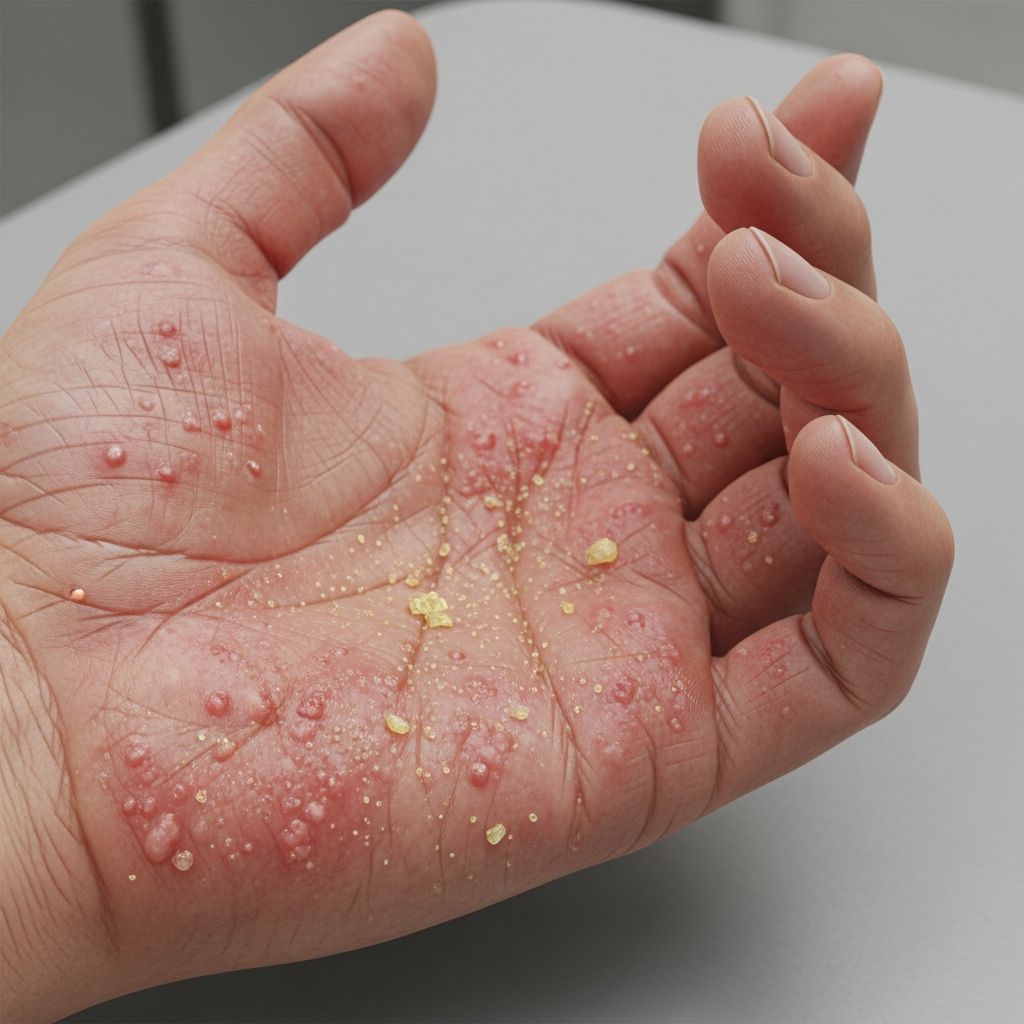
Allergic reactions to clioquinol manifest through various cutaneous symptoms that typically appear at the site of application or, in cases of systemic absorption, in other body areas. Common clinical manifestations include:
- Pruritus (itching) at the site of application
- Erythema (redness) and edema (swelling)
- Vesiculation and bullae formation (fluid-filled blisters)
- Xerosis (dry skin) and scaling
- Burning sensation or stinging at application sites
- Possible exacerbation of pre-existing dermatitis
In some cases, the allergic reaction may spread beyond the area of direct application, suggesting systemic absorption or a more extensive allergic response. The severity of symptoms typically correlates with the degree of sensitization and the concentration of clioquinol in the preparation used.
Related Stories



Diagnosis of Clioquinol Allergy
Patch Testing
Patch testing remains the gold standard diagnostic method for confirming contact allergy to clioquinol. This standardized test involves applying small amounts of suspected allergens to the skin under occlusive patches, typically placed on the back, and observing for allergic reactions over a defined period. For clioquinol allergy, the “quinoline mix” allergen panel, which includes both clioquinol and chlorquinaldol, is commonly used in diagnostic testing.
The patch test procedure involves the following steps: applying the allergen patch, maintaining the patch in place for 48 hours, removing it, and then evaluating the skin response at 48 hours and again at 96 hours after initial application. A positive patch test reaction, characterized by erythema, edema, or vesiculation at the allergen site, confirms sensitization to clioquinol or related quinoline compounds.
Clinical History and Physical Examination
A thorough clinical history documenting the timing of symptom onset relative to clioquinol use, distribution of the dermatitis, and response to medication discontinuation provides valuable diagnostic information. Physical examination should assess the pattern and morphology of the dermatitis, noting whether it corresponds to the area of clioquinol application.
Differential Diagnosis
Several conditions must be distinguished from true allergic contact dermatitis to clioquinol. Irritant contact dermatitis caused by the vehicle ingredients rather than clioquinol itself is common, and individuals may develop allergies to hydrocortisone or other components in combination preparations. Additionally, infection or other underlying skin conditions may mimic allergic dermatitis. Detailed history and patch testing with individual components help differentiate these conditions.
Management and Treatment Strategies
Avoidance
The primary management strategy for clioquinol allergy is complete avoidance of the offending agent. Individuals with confirmed allergy should discontinue all clioquinol-containing products immediately and inform healthcare providers of their allergy status to prevent future exposure. Reading medication labels carefully and requesting alternative preparations is essential.
Management of Acute Allergic Reactions
When acute allergic dermatitis develops from clioquinol exposure, several treatment approaches can alleviate symptoms and promote healing:
- Cool compresses: Apply cool, wet compresses containing antiseptic solutions three times daily to soothe irritation and reduce inflammation.
- Topical corticosteroids: Use appropriate potency topical steroids based on body location, with low-potency agents for face and flexural areas and higher potency agents for hands, feet, and other less sensitive areas.
- Oral antihistamines: Sedating antihistamines taken orally can provide symptomatic relief from pruritus; oral doxepin (10-25 mg at night) may be considered if standard antihistamines prove ineffective.
- Emollients: Regular use of moisturizing creams helps relieve itching and addresses dry skin associated with dermatitis.
Severe Cases
In cases of severe, widespread allergic dermatitis, systemic corticosteroids may be warranted. Oral prednisone at doses of 40 to 60 mg daily in a single morning dose, tapered gradually over 2 to 3 weeks as symptoms resolve, effectively suppresses severe allergic inflammation. Calcineurin inhibitors such as tacrolimus 0.1% ointment or pimecrolimus cream represent alternative treatments for refractory cases, particularly for facial involvement, offering advantages over prolonged topical corticosteroid use.
Secondary Infection Management
When secondary bacterial infection develops in areas affected by allergic dermatitis, topical or oral antibiotics should be prescribed based on clinical assessment and culture results when appropriate.
Prevention and Safe Practice
Individuals at risk for developing contact allergies should take precautions when using topical medications. These include:
- Using the minimum effective duration of treatment with clioquinol-containing products
- Applying medications only to affected areas as directed
- Avoiding prolonged or unnecessary use of clioquinol preparations
- Informing all healthcare providers about confirmed or suspected clioquinol allergy
- Requesting patch testing if contact dermatitis develops during treatment
- Choosing alternative antimicrobial or anti-inflammatory agents when safe alternatives exist
Alternative Treatment Options
For individuals with confirmed clioquinol allergy, several alternative agents can address the underlying skin conditions previously treated with clioquinol preparations. Dermatologists can recommend alternative antifungal or antibacterial agents that do not cross-react with quinoline compounds, and non-quinoline-based corticosteroids can substitute for clioquinol-hydrocortisone combinations.
Important Precautions and Contraindications
Clioquinol preparations should never be applied around the eyes, as accidental contact may occur and result in ocular irritation. Large areas of skin should not be treated simultaneously, and occlusive dressings should not be applied over clioquinol preparations, as this may increase absorption and risk of adverse effects. Treatment should not exceed one week; if improvement does not occur or symptoms worsen, medical evaluation is necessary.
Additional Considerations
Clioquinol may cause yellow discoloration of skin, hair, nails, and clothing, which should be anticipated before treatment. This cosmetic effect is temporary but may be concerning for patients. Additionally, individuals using clioquinol should inform healthcare providers of this medication before medical testing, as results of certain diagnostic tests may be affected.
Frequently Asked Questions
Q: Can I use clioquinol if I have a family history of allergies?
A: Having a family history of contact allergies increases your risk of developing clioquinol allergy. Inform your healthcare provider before using clioquinol-containing products, and monitor for any signs of allergic reaction.
Q: How long does it take to develop an allergy to clioquinol?
A: The timeline for sensitization varies among individuals. Some people may develop allergy after weeks of exposure, while others may require months of repeated contact. This depends on individual susceptibility and frequency of use.
Q: What should I do if I suspect I have a clioquinol allergy?
A: Discontinue clioquinol-containing products immediately and contact your healthcare provider. Patch testing can confirm the diagnosis and help identify any cross-reactivity to related compounds.
Q: Can clioquinol allergy develop suddenly?
A: While allergies typically develop through repeated exposure over time, some individuals may experience sudden reactions after sensitization has occurred. If you have been using clioquinol for extended periods without problems, sudden allergic reactions indicate established sensitization.
Q: Are all quinoline-based compounds contraindicated if I’m allergic to clioquinol?
A: Not necessarily. While cross-reactivity to chlorquinaldol and other similar quinoline derivatives is common, individual reactions vary. Patch testing can determine which specific compounds trigger allergic responses.
Q: What are safe alternatives to clioquinol-containing products?
A: Numerous alternative antifungal and antibacterial agents exist, including imidazoles, azoles, and non-quinoline antimicrobials. Your dermatologist can recommend specific alternatives based on your condition and allergy profile.
References
- Management of contact dermatitis due to nickel allergy: an update — National Center for Biotechnology Information (NCBI). 2011. https://pmc.ncbi.nlm.nih.gov/articles/PMC3047925/
- Clioquinol (topical route) – Side effects & dosage — Mayo Clinic. Accessed January 2026. https://www.mayoclinic.org/drugs-supplements/clioquinol-topical-route/description/drg-20062987
- Clioquinol and Hydrocortisone patient education — Memorial Sloan Kettering Cancer Center. https://www.mskcc.org/cancer-care/patient-education/medications/adult/clioquinol-and-hydrocortisone
- Quinoline mix – Allergy Advice — Cutaneous Allergy Society. https://cutaneousallergy.org/pils/quinoline-mix/
- AP86: Clioquinol Patient Information — Smart Practice Canada. https://www.smartpracticecanada.com/spcanada/pdfs/all-allergens/AP86.pdf
- clioquinol-hydrocortisone topical cream — Kaiser Permanente Drug Encyclopedia. https://healthy.kaiserpermanente.org/health-wellness/drug-encyclopedia/drug.clioquinol-hydrocortisone-3-1-topical-cream.258223
Similar Articles








Read full bio of medha deb