Allergy To Cobalt: Causes, Symptoms, Diagnosis, Treatment
Comprehensive guide to cobalt contact allergy: causes, symptoms, diagnosis, and effective management strategies for affected individuals.
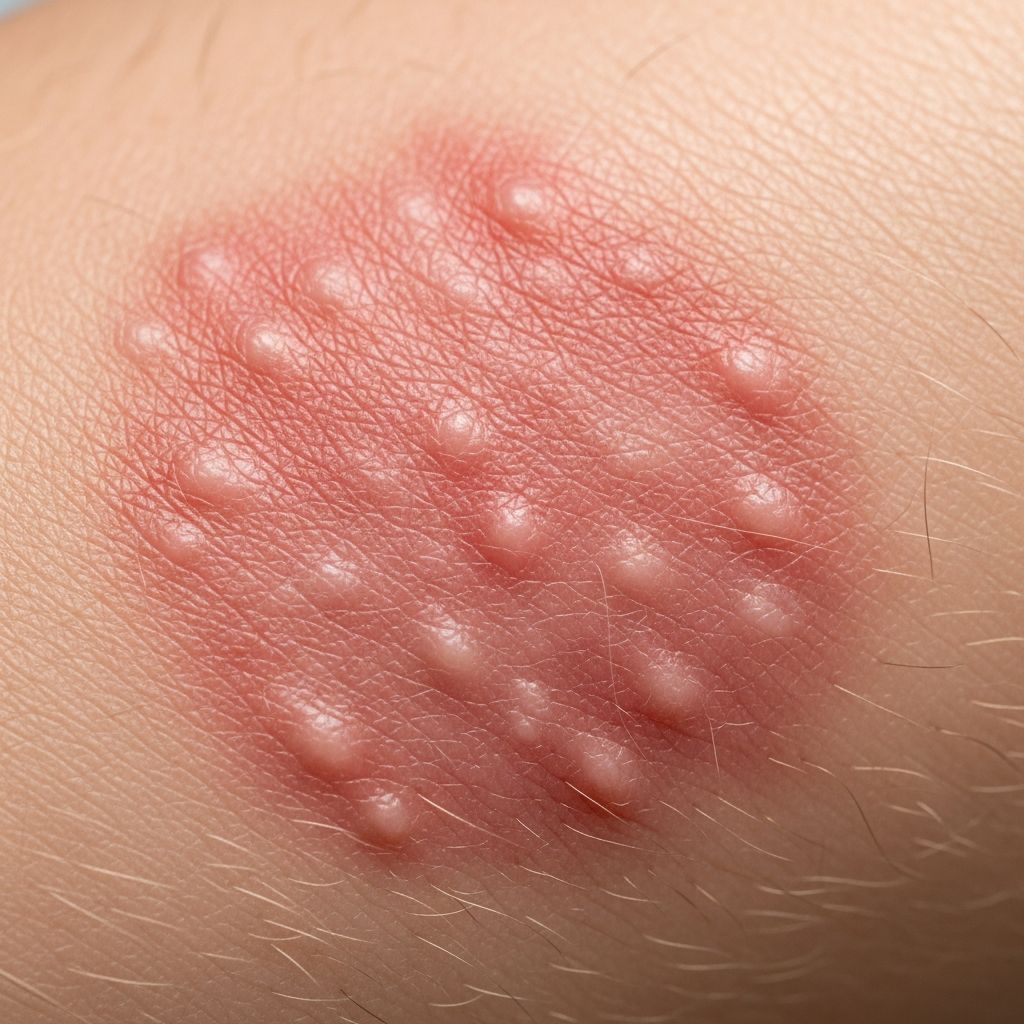
Cobalt allergy is a form of allergic contact dermatitis triggered by exposure to cobalt, a metal commonly alloyed with others in consumer products, industrial materials, and even medical treatments like vitamin B12 supplements. This type IV hypersensitivity reaction affects 1-3% of the general population, often presenting as chronic or subacute dermatitis at contact sites, though it can spread systemically in sensitized individuals.
What is cobalt allergy?
Cobalt allergy occurs when the immune system identifies cobalt ions as harmful, mounting a delayed hypersensitivity response. Cobalt rarely causes issues in isolation but frequently coexists with nickel or chromate allergies due to shared exposure in alloys. It manifests primarily as skin inflammation but can extend to systemic effects, particularly with ingested forms like vitamin B12 (cobalamin), which contains cobalt at its core.
Prevalence is notable among those handling metalwork, cement, or pigments, with occupational exposure heightening risk. Women are more commonly affected, likely from jewelry contact, while men predominate in industrial cases.
Clinical features
Cobalt allergy typically presents as
allergic contact dermatitis
with redness, itching, and eczematous changes at exposure sites such as hands, neck, or earlobes from jewelry. Chronic exposure leads to lichenified, scaly plaques.- Hand eczema: Vesicular or hyperkeratotic dermatitis, often dyshidrotic in type, worsened by occupational contact.
- Generalized dermatitis: May spread beyond initial sites, mimicking endogenous eczema.
- Photosensitive reactions: Reported with cement or pig fodder exposure, causing photodistributed rashes.
- Tattoo reactions: Cobalt blue pigments in light blue tattoos provoke sarcoidal granulomas.
- Rare manifestations: Erythema multiforme, asthma from cobalt dust in metal workers.
In systemic cases, oral vitamin B12 can trigger vesicular hand dermatitis, cheilitis, stomatitis, or widespread eruptions.
Complications
Untreated cobalt allergy risks secondary issues:
- Infections: Bacterial superinfection of eczematous skin or auto-eczematization (id-like spread).
- Vitamin B12-related: Supplements or injections cause chronic hand dermatitis, local reactions, or anaphylaxis in sensitized patients.
- Implant failures: Orthopedic devices (e.g., hip replacements) with cobalt-chromium alloys lead to intractable generalized dermatitis, pain, and loosening.
- Systemic contact dermatitis (SCD): Inhalation or ingestion flares eczema, as seen in workers with airborne exposure.
Causes of cobalt allergy
Sensitization develops from repeated skin contact releasing cobalt ions, penetrating the stratum corneum. Key sources include:
Consumer products
- Jewelry, watches, and eyeglass frames (alloys with nickel).
- Cosmetics (blue pigments), hair dyes, antiperspirants.
Occupational exposures
- Metalworking, grinding, polishing.
- Cement (hexavalent chromate with cobalt), catalysts, pigments.
- Battery production, electroplating.
Other sources
- Medical: Implants, dental alloys, vitamin B12 (cyanocobalamin/hydroxocobalamin).
- Food: Trace amounts in chocolate, fish, nuts; high in some regions from soil.
- Leather, textiles, detergents.
Dietary cobalt intake (5-8 mcg/day average) rarely sensitizes but exacerbates skin symptoms in allergic individuals via SCD.
Systemic contact dermatitis due to cobalt
SCD arises when ingested or inhaled cobalt triggers flares in previously sensitized skin. Vitamin B12 therapy exemplifies this: cyanocobalamin’s cobalt moiety provokes dermatitis in 1-3% of cobalt-allergic patients. Low-cobalt diets reduce dyshidrotic flares.
Related Stories



Orthopedic implants release cobalt systemically, causing persistent eczema. Case reports link workplace cobalt dust to generalized eruptions resolving post-exposure cessation.
Diagnosis of cobalt allergy
Diagnosis combines history, examination, and
patch testing
, the gold standard. TRUE Test or customized series apply 1% cobalt chloride in petrolatum; readings at 48-96 hours detect positivity (D2/D4 scores).| Patch Test Reaction | Description |
|---|---|
| ++ or +++ | Strong positivity: vesicles, bullae; confirms allergy. |
| + | Weak: erythema, papules; relevant if exposure matches. |
| IR (irritant) | Non-specific; repeat testing needed. |
Rule out irritancy or other allergens (nickel co-reacts in 20-30%). Biopsy shows spongiosis; blood tests rarely diagnostic.
Management and treatment
Primary treatment is
avoidance
:- Hypoallergenic jewelry (surgical stainless, gold >14k, platinum).
- Protective gloves (nitrile over cotton for wet work).
- Cobalt-free cosmetics; check labels.
Symptomatic relief:
- Topicals: Potent corticosteroids (clobetasol), calcineurin inhibitors for chronic sites.
- Emollients: Barrier repair daily.
- Oral: Antihistamines for itch; short prednisone bursts for severe flares.
For vitamin B12 deficiency in allergic patients: Monitor for cutaneous reactions post-administration; hydroxocobalamin preferred over cyanocobalamin, though both contain cobalt. No contraindication unless anaphylaxis history; benefits outweigh risks.
Desensitization rarely used; low-cobalt diet (avoid organ meats, shellfish) may help refractory cases.
Prevention
Legislation limits cobalt in cement (<2 ppm in EU). Occupational: Ventilation, PPE. Consumer education on product labeling aids prevention.
Frequently Asked Questions
Who is at risk for cobalt allergy?
Individuals with frequent metal contact, especially jewelry wearers, metal workers, and those with nickel allergy. Prevalence: 1-3%.
Can vitamin B12 cause problems if I’m cobalt allergic?
Yes, supplements/injections may trigger dermatitis or systemic reactions. Consult a doctor; alternatives like injections under supervision possible.
How do I avoid cobalt in daily life?
Use hypoallergenic metals, check cosmetics/electronics labels, wear barriers, opt for cobalt-free B12 forms if needed.
Is cobalt allergy curable?
No, but manageable via avoidance. Symptoms resolve with exposure cessation.
What if I have a cobalt-containing implant?
Monitor for dermatitis; revision surgery considered if severe.
Patient information sheet
A printable guide: Avoid cobalt sources; patch test positive? Inform providers before B12 or implants. Report reactions.
References
- Cobalt Allergy and Vitamin B12: What Patients Need to Know — Medicines Team. 2023-06-15. https://www.medicinesteam.co.uk/post/cobalt-allergy-and-vitamin-b12-what-patients-need-to-know
- EXPLAINER: Everything You Need to Know About Cobalt Allergy — Cottonique. 2024-02-10. https://cottonique.com/blogs/articles/explainer-everything-you-need-to-know-about-cobalt-allergy
- Vitamin B12 (hydroxocobalamin, cyanocobalamin): advise patients with known cobalt allergy to be vigilant for sensitivity reactions — UK Government MHRA. 2023-11-20. https://www.gov.uk/drug-safety-update/vitamin-b12-hydroxocobalamin-cyanocobalamin-advise-patients-with-known-cobalt-allergy-to-be-vigilant-for-sensitivity-reactions
- Contact Dermatitis Treatment — McGovern Allergy. 2024-01-05. https://mcgovernallergy.com/contact-dermatitis/
- Metal Allergy and Systemic Contact Dermatitis: An Overview — National Library of Medicine (PMC). 2012-05-22. https://pmc.ncbi.nlm.nih.gov/articles/PMC3369403/
- Cobalt contact allergy — DermNet NZ. 2024-08-12. https://dermnetnz.org/topics/allergy-to-cobalt
Similar Articles








Read full bio of Sneha Tete