Allergy to Diethylthiourea
Understanding diethylthiourea allergy: causes, symptoms, diagnosis, and prevention strategies for neoprene-related contact dermatitis.
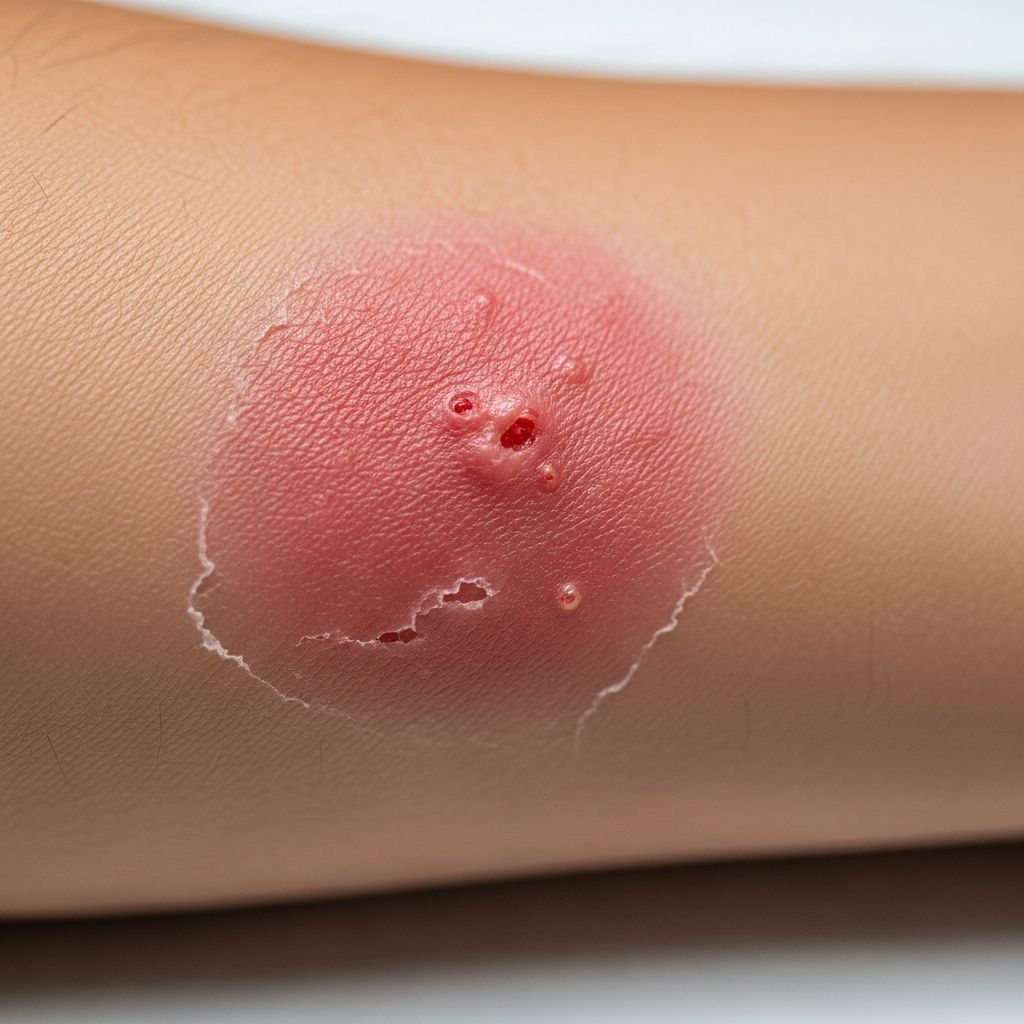
Diethylthiourea is a chemical accelerator used in the production of neoprene rubber, commonly found in everyday items like gloves, wetsuits, and footwear. Allergy to this compound leads to
allergic contact dermatitis
, a type of delayed hypersensitivity reaction characterized by red, itchy, and sometimes vesicular rashes at the site of contact. This condition was highlighted when mixed dialkyl thioureas, including diethylthiourea, were named Contact Allergen of the Year in 2009 by the American Contact Dermatitis Society, underscoring its clinical relevance.What is diethylthiourea and where is it found?
Diethylthiourea (chemical formula: C5H12N2S; CAS number: 105-55-5) belongs to the group of mixed dialkyl thioureas, alongside dibutylthiourea. It functions as an accelerator in the vulcanization process of neoprene rubber (polychloroprene), enhancing the material’s stability, toughness, and pliability for molding into various products.
Common consumer products containing diethylthiourea include:
- Diving wetsuits and swim goggles
- Neoprene rubber gloves (especially surgical or household varieties)
- Orthopaedic supports like knee and elbow sleeves
- Fishing waders
- Athletic shoe insoles
- Keyboard wrist supports
- Rubber weather stripping
Industrially, diethylthiourea appears in anticorrosive agents, detergents, fungicides, insecticides, polyvinyl chloride (PVC) adhesives, and diazo copy paper used for textile patterns and architectural plans. Occupational exposure is frequent in manufacturing, healthcare, fishing, and athletics.
Who gets diethylthiourea allergy (epidemiology)?
Allergic reactions to diethylthiourea are relatively uncommon compared to other rubber accelerators like thiurams or carbamates, with few cases documented in literature. However, targeted studies reveal higher prevalence among those with neoprene-related dermatitis. Retrospective analyses show strong positive patch test reactions in patients with histories of neoprene glove or footwear dermatitis. Occupational cases are noted in workers handling cleaning trolleys with neoprene grips, knee braces post-injury, and florists exposed to thiourea derivatives from pesticides.
Predisposing factors include repeated or prolonged skin contact with neoprene products, especially in moist environments that facilitate penetration. Gloves represent the primary occupational source, while footwear is the most common overall trigger.
Clinical features
In sensitized individuals, diethylthiourea elicits classic
allergic contact dermatitis
, typically confined to the contact site. Symptoms manifest 24-48 hours after exposure as:- Intense itching and burning
- Erythema (redness)
- Edema (swelling)
- Vesicles or bullae in acute cases
- Scaling and lichenification in chronic exposure
For instance, neoprene glove users develop dermatitis on palms, fingers, and wrists; footwear allergies affect dorsa of feet, toes, and ankles; wetsuits cause trunk and limb rashes. Occupational examples include vesicular hand dermatitis from trolley handles and leg dermatitis from fishing waders. Severe cases may require hospitalization and systemic corticosteroids.
Diagnosis
Diagnosis relies on clinical history and
patch testing
. Standard rubber series may miss thioureas, necessitating targeted testing with 1.0% diethylthiourea in petrolatum, which yields strong positive reactions (++ to +++) in relevant cases.Patch testing protocol:
| Substance | Concentration | Vehicle |
|---|---|---|
| Diethylthiourea | 1.0% | Petrolatum |
| Mixed dialkyl thioureas (if available) | 0.5% | Petrolatum |
Positive reactions correlate with neoprene exposure history. Differential diagnoses include irritant contact dermatitis, other rubber allergies (e.g., to mercaptobenzothiazole), or fungal infections. Chemical analysis of suspected products confirms diethylthiourea presence.
Treatment
Treatment mirrors acute dermatitis management:
- Remove the allergen: Immediate cessation of contact with neoprene products.
- Topical therapies: Potent corticosteroids (e.g., clobetasol 0.05%) for 1-2 weeks, followed by mid-potency agents; emollients for barrier repair.
- Severe cases: Oral prednisone (0.5-1 mg/kg/day tapered over 2-3 weeks), antihistamines for pruritus.
- Wet wraps: For oozing lesions.
Healing occurs within 2-4 weeks with avoidance, though hyperpigmentation may persist.
Prevention
Primary prevention involves:
- Avoidance: Select thiourea-free alternatives (e.g., nitrile or PVC gloves, synthetic wetsuits). Read labels and inquire with manufacturers.
- Barrier protection: Cotton liners under gloves or supports.
- Workplace measures: Notify employers for substitution; use protective gear.
- Product testing: Patch-test new items on small skin areas.
Highly sensitized patients should carry allergy alerts and consult dermatologists for personalized advice.
What else could the patch test be positive for?
Diethylthiourea rarely cross-reacts with other thioureas (e.g., dibutylthiourea, diphenylthiourea) or rubber accelerators, but co-reactions occur in polysensitized individuals. Negative tests to standard series but positive to thioureas indicate specific neoprene sensitivity.
Alternative names for diethylthiourea
- N,N’-Diethylthiourea
- Diethyl-2-thiourea
- Thiate H
- 2-Thiobis(ethanamine)
Appearance: White solid powder.
Frequently Asked Questions (FAQs)
Is diethylthiourea allergy common?
No, reported cases are few, but it’s underdiagnosed without targeted patch testing. Footwear and gloves are top sources.
How do I know if my rash is from neoprene?
Suspect if rash matches product contact sites (e.g., palms from gloves). Patch testing confirms.
Can I still wear rubber products?
Avoid neoprene; opt for latex-free, thiourea-free alternatives like nitrile.
Does it affect only workers?
No, divers, athletes, and casual users are also at risk.
How long does the allergy last?
Lifelong sensitization; symptoms resolve with strict avoidance.
This comprehensive guide equips patients and professionals to manage diethylthiourea allergy effectively, emphasizing early diagnosis and avoidance.
References
- Allergy to diethylthiourea — DermNet NZ. 2012. https://dermnetnz.org/topics/allergy-to-diethylthiourea
- Targeted testing with diethylthiourea often reveals clinically relevant allergic contact dermatitis caused by neoprene rubber — Contact Dermatitis (Wiley). 2012. https://onlinelibrary.wiley.com/doi/10.1111/j.1600-0536.2012.02056.x
- [Allergic contact dermatitis to diethylthiourea in a neoprene wader] — PubMed. 2009. https://pubmed.ncbi.nlm.nih.gov/19463235/
- Occupational allergic contact dermatitis caused by thiourea compounds — Contact Dermatitis. 1994-10-10. https://pubmed.ncbi.nlm.nih.gov/7842680/
- Occupational allergic contact dermatitis caused by diethylthiourea in a neoprene handle of a cleaning trolley — Contact Dermatitis. 2011-06. https://onlinelibrary.wiley.com/doi/10.1111/j.1600-0536.2011.01904.x
- PATIENT INFORMATION SHEET N,N´-Diethylthiourea — Chemotechnique Diagnostics. Accessed 2026. https://www.chemotechnique.se/get_pdf.php?l=en&p=93
Similar Articles




Read full bio of medha deb