Allergy To Dimethyl Fumarate: Symptoms, Treatment & Prevention
Understanding sofa dermatitis and shoe reactions caused by potent allergen dimethyl fumarate in furniture and products.
Dimethyl fumarate (DMF) is a highly potent allergenic sensitizer employed primarily for its antifungal properties. It effectively inhibits mould growth in finished products like leather sofas, chairs, shoes, and clothing during storage and transport. Packaged as small white crystalline powder sachets—similar to silica gel packets—DMF serves as a biocide in humid climates where leather goods are prone to deterioration. Unlike inert silica gel, which only absorbs moisture, DMF actively prevents fungal proliferation, making it popular in imported furniture from regions like China.
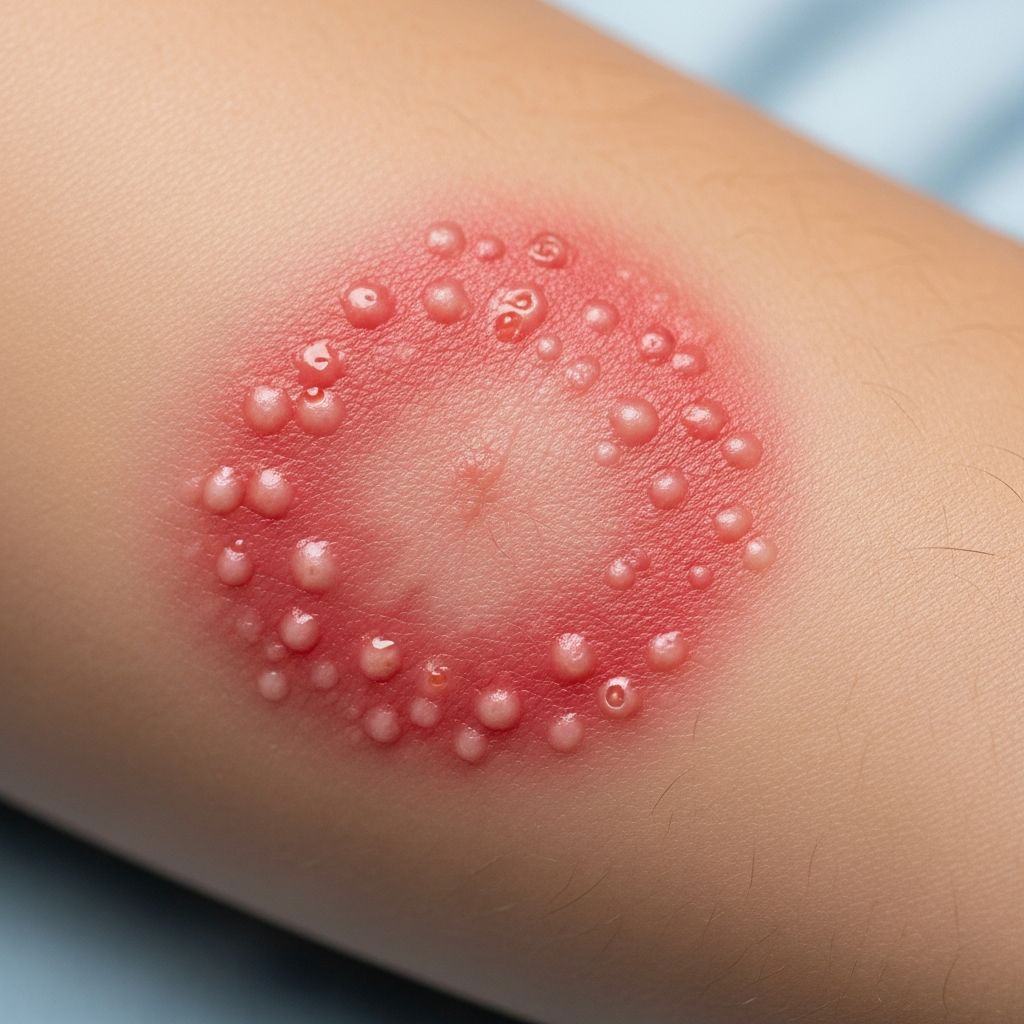
In susceptible individuals, even minute skin contact with DMF elicits classic allergic contact dermatitis, characterized by red, swollen, scaly, and intensely itchy rashes. At higher concentrations, it can provoke irritant contact dermatitis, exacerbating symptoms. Concentrations as low as <1 ppm (parts per million) can trigger reactions in sensitized people, with DMF capable of permeating fabrics and clothing to affect covered skin areas. Prolonged exposure worsens the condition, leading to severe outbreaks known as "sofa dermatitis" or "shoe dermatitis".
What is Dimethyl Fumarate?
DMF, chemically known as C6H8O4 with CAS number 624-49-7, appears as a fine white crystalline powder. It is a fumaric acid ester, structurally related to compounds used therapeutically for psoriasis but infamous here for its skin-sensitizing potency. As a contact allergen, DMF was named the Contact Allergen of the Year in 2011 by the American Contact Dermatitis Society (ACDS), underscoring its clinical significance.
Manufacturers incorporate DMF into sachets labeled “mould inhibitor,” “anti-mould,” or sometimes misleadingly as plain “silica gel.” These are placed inside furniture packaging, shoe boxes, or garment bags to protect against humidity-induced mould during shipping. DMF’s volatility allows it to sublimate (transition from solid to gas), contaminating surfaces and fabrics over time.
History and Outbreaks
DMF-related dermatitis epidemics highlighted its dangers. Between 2006 and 2008, outbreaks struck Finland, the UK, and France, linked to leather furniture from a single Chinese factory using DMF sachets. Patients developed severe rashes on legs, buttocks, and backs—precisely where they contacted contaminated sofas—mimicking mycosis fungoides or impetigo, necessitating hospitalizations. Patch tests confirmed DMF sensitivity down to 1 ppm in upholstery samples containing up to 470 microg/kg.
Separately, Spain saw a shoe dermatitis epidemic, where acute, sharply demarcated eczema matched shoe contact areas after just 8 hours of wear. High DMF concentrations caused irritant rather than purely allergic responses. These events prompted regulatory action: the European Union banned DMF in consumer products since 1998 and imports in January 2009. Conversely, the US and Australasia lack such regulations, posing ongoing risks.
Who is at Risk?
- Furniture buyers: Especially new leather sofas/chairs from Asia; rashes appear on posterior thighs, buttocks, and lower back from sitting.
- Shoe wearers: New footwear with DMF sachets in boxes causes foot dermatitis.
- Clothing users: Garments stored with anti-mould packets.
- Sensitive individuals: Those with prior sensitization react to trace amounts (<1 ppm).
Anyone handling unpacked imported goods risks exposure, as DMF vapors settle on surfaces.
Signs and Symptoms of DMF Allergy
Reactions manifest 1-2 days post-exposure as:
- Intense itching and burning.
- Redness** and
swelling
(erythema and edema). - **Vesicles** or papulovesicular rash.
- **Scaling** and oozing in chronic cases.
- **Sites: Back of legs, buttocks (sofa); feet/ankles (shoes); covered areas due to permeation.
Severity varies: mild erythema to acute eczema requiring systemic treatment. Repeated exposure spreads and intensifies the dermatitis. Differential diagnoses include friction dermatitis, infections, or other allergens.
Diagnosis
DMF allergy demands specialized testing:
- Patch testing: Essential gold standard using 0.001-0.1% DMF in petrolatum or aqueous solution. Lower limits (0.003-0.005%) recommended to avoid irritancy or active sensitization. Not standard in baseline series; custom preparation needed.
- **History: Recent furniture/shoe purchase correlating with rash onset.
- **Examination: Characteristic distribution (e.g., pant-line sparing if uncovered).
Related Stories



Positive tests show strong reactions; confirm via product swabs if possible. Dermatologists guide management post-diagnosis.
Treatment
Management mirrors acute eczema:
| Step | Treatment | Details |
|---|---|---|
| 1. Removal | Avoid exposure | Discard or air out contaminated items; hospitalize severe cases. |
| 2. Topical | Corticosteroids + emollients | Potent steroids (e.g., clobetasol) for inflammation; moisturizers for barrier repair. |
| 3. Systemic | Oral steroids/antihistamines | Prednisone bursts for widespread/severe reactions. |
| 4. Supportive | Wet wraps, antibiotics if infected | Prevent secondary infection. |
Healing takes weeks; monitor for persistence.
Prevention and Avoidance
Avoidance is paramount, though challenging without labeling:
- Inspect sachets: Shun “mould inhibitor” or suspicious “silica gel” packets; discard immediately.
- Air out products: New shoes/furniture outdoors for months (shoes may take years if embedded).
- **Check origins: Beware Chinese imports; request DMF-free certification.
- **Test wisely: Patch new items on small skin areas.
- **Advocacy: Report reactions; push for regulations.
Sensitized patients should consult dermatologists for tailored advice.
Related Chemicals and Cross-Reactions
Formula: C6H8O4
CAS: 624-49-7
Appearance: Fine white powder
Sensitizer classification: Potent.
- Cross-reactions: Possible with other fumarates; monitor. No major reports, but therapeutic fumarates (psoriasis) may interact.
Frequently Asked Questions (FAQs)
Q: What causes sofa dermatitis?
A: Contact with dimethyl fumarate from anti-mould sachets in new leather furniture, leading to allergic reactions on sitting areas.
Q: How soon do DMF allergy symptoms appear?
A: Typically 1-2 days after exposure in sensitized individuals, starting as itch and progressing to rash.
Q: Is DMF banned worldwide?
A: Banned in EU since 2009 for consumer products; unregulated in US/Australasia.
Q: Can DMF affect skin under clothes?
A: Yes, it permeates fabrics, causing dermatitis in covered areas.
Q: How to test for DMF allergy at home?
A: Do not; seek professional patch testing to avoid sensitization.
Q: How long to air out contaminated shoes?
A: Several months minimum; up to years if integrated into material.
This comprehensive guide equips patients and clinicians to recognize, diagnose, and manage DMF allergy effectively, preventing recurrences through vigilance.
References
- Allergy to dimethyl fumarate: sofa dermatitis – DermNet — DermNet NZ. 2023. https://dermnetnz.org/topics/allergy-to-dimethyl-fumarate
- [Contact dermatitis due to dimethyl fumarate] — PubMed. 2010-04-01. https://pubmed.ncbi.nlm.nih.gov/20398596/
- Contact Dermatitis Due to Dimethyl Fumarate — Actas Dermo-Sifiliográficas. 2010. https://www.actasdermo.org/en-contact-dermatitis-due-dimethyl-fumarate-articulo-S1578219010706193
- The cause of the Chinese sofa/chair dermatitis epidemic is likely to be contact allergy to dimethylfumarate — British Journal of Dermatology. 2008-07-01. https://pubmed.ncbi.nlm.nih.gov/18503603/
- Dimethyl fumarate – Chemotechnique Diagnostics — Chemotechnique. 2023. https://www.chemotechnique.se/get_pdf.php?l=en&p=595
Similar Articles








Read full bio of medha deb