Allergy to Ensulizole: Causes, Symptoms, and Management
Understanding ensulizole allergies: symptoms, diagnosis, and safe sunscreen alternatives.
Understanding Ensulizole and Its Uses
Ensulizole, chemically known as phenylbenzimidazole sulfonic acid, is a synthetic chemical sunscreen filter that has been incorporated into numerous skincare and sun protection products over the past two decades. This water-soluble UV filter is specifically designed to absorb the full spectrum of UVB radiation, which ranges from 290 to 320 nanometers and is primarily responsible for causing sunburn. Unlike many traditional oil-based sunscreen filters, ensulizole’s water-soluble nature makes it an ideal ingredient for formulating lightweight, non-greasy sunscreen products that leave minimal residue on the skin.
The unique properties of ensulizole have made it a popular choice in cosmetic formulations, particularly in daily-use products such as facial moisturizers with built-in sun protection, tinted creams, and water-based sunscreens designed for oily or acne-prone skin types. Additionally, ensulizole serves as a stabilizer for other UV filters, particularly less stable absorbers like avobenzone, making it a valuable component in multi-filter sunscreen systems. The chemical formula of ensulizole is C₁₃H₁₀N₂O₃S, with a CAS number of 27503-81-7.
What Is Allergy to Ensulizole?
Allergic reactions to ensulizole are a form of allergic contact dermatitis that occurs when the immune system becomes sensitized to this sunscreen ingredient. While ensulizole has been incorporated into sunscreen formulations for several decades, the relative scarcity of documented cases suggests that true allergic sensitization to this chemical is uncommon. However, since ensulizole is relatively new to widespread use in the sunscreen market compared to older UV filters, there are limited clinical reports and long-term studies available that comprehensively document all adverse effects and potential allergic manifestations.
When an individual develops an allergy to ensulizole, their immune system mistakenly identifies the chemical as a harmful substance and mounts a defensive response upon re-exposure. This delayed-type hypersensitivity reaction typically manifests on the skin in areas where the product containing ensulizole has been applied, usually the face and neck where daily sunscreen use and facial moisturizers with SPF are most common.
Clinical Features of Ensulizole Allergy
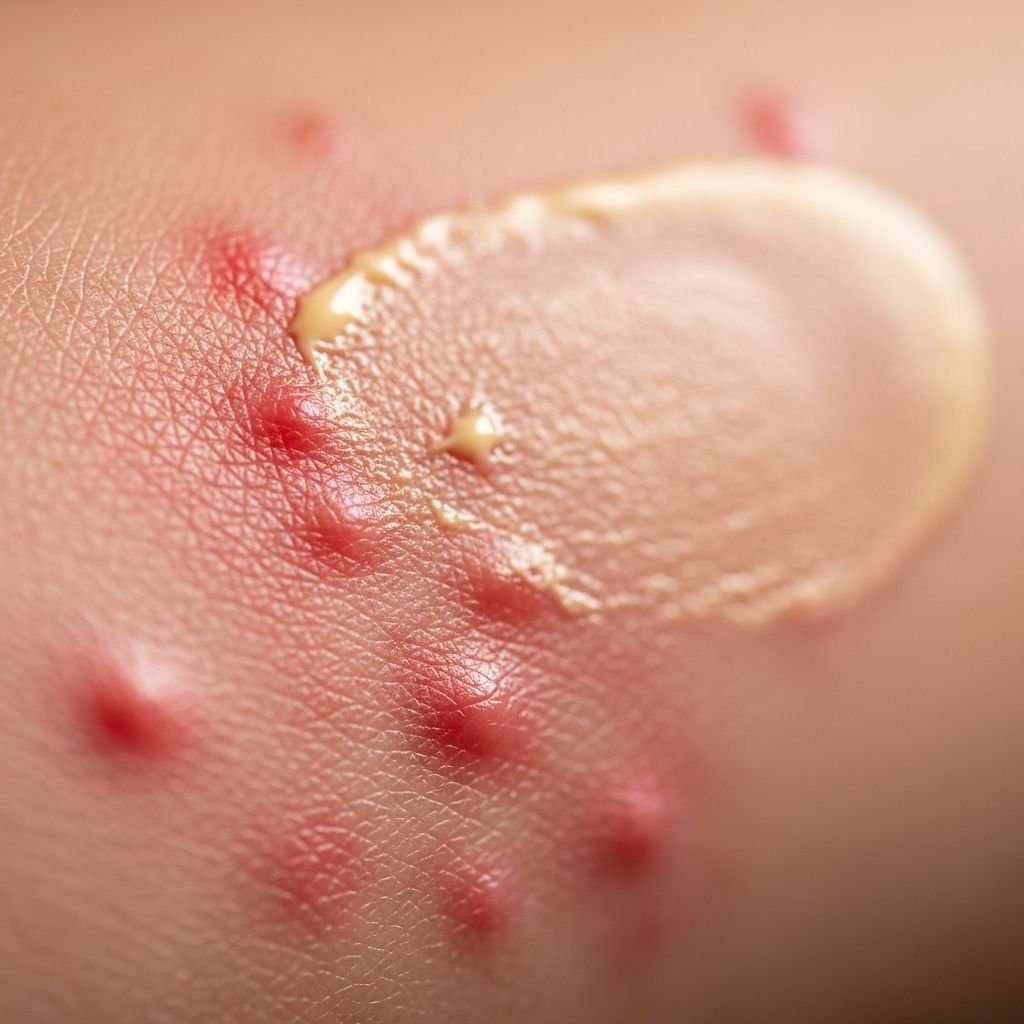
The clinical presentation of ensulizole allergy shares characteristics with other forms of allergic contact dermatitis. Key symptoms and signs include:
- Facial dermatitis: Erythema (redness) and inflammation, particularly on the face and neck where products are applied
- Pruritus: Intense itching that may worsen with continued exposure to the allergen
- Edema: Swelling of affected skin areas
- Vesiculation: In more severe cases, small fluid-filled blisters may develop
- Dry, scaly skin: The affected area may become increasingly dry with visible scaling
- Burning sensation: Patients may report a burning or stinging sensation on the affected skin
Ensulizole-induced dermatitis has been documented particularly in facial moisturizers with integrated sun protection, where prolonged and regular contact with the ingredient occurs. The reaction pattern may be localized to the exact area of product application or may spread to adjacent skin regions, depending on the individual’s sensitivity level and the concentration of ensulizole in the formulation.
Diagnosis and Testing
Photopatch Testing
Photopatch testing has emerged as a crucial diagnostic tool for confirming ensulizole allergy. Unlike standard patch testing, which assesses delayed-type contact hypersensitivity in the absence of light exposure, photopatch testing combines allergen application with controlled UV light exposure. This testing method is particularly important for ensulizole because it is a UV filter that may exhibit photoreactivity.
Related Stories



In photopatch testing for ensulizole allergy, small amounts of the suspected product or pure ensulizole are applied to the patient’s skin in a controlled manner. Half of the test sites are exposed to measured doses of UVA radiation, while the other half are kept in darkness. After 48 hours, the dermatologist examines both sets of sites for allergic reactions. A positive reaction at the UVA-exposed site—particularly if it is stronger than at the non-exposed site—confirms photoreactive allergy to ensulizole.
Documentation of such cases in peer-reviewed medical literature confirms the validity of photopatch testing as the gold standard for diagnosing ensulizole sensitivity. In published case reports from dermatology departments, photopatch testing proved essential in establishing the diagnosis when standard clinical evaluation and history alone were insufficient.
Clinical Evaluation
A thorough history is fundamental to diagnosing ensulizole allergy. Patients should provide detailed information about:
- The specific products used and when symptoms began
- The temporal relationship between product application and symptom onset
- Previous reactions to sunscreen products
- Other skincare or cosmetic products currently in use
- History of atopy or other skin sensitivities
Cross-Reactions and Related Allergens
While ensuring comprehensive allergen assessment is important for patients with ensulizole allergy, current medical literature indicates that the cross-reactivity profile of ensulizole remains unknown. This means that dermatologists cannot definitively predict whether a patient allergic to ensulizole will react to other UV filters or chemically related compounds without additional testing. This uncertainty underscores the importance of careful product selection and patch testing when exploring alternative sunscreen formulations for individuals with documented ensulizole sensitivity.
The lack of established cross-reaction data suggests that each patient may need individualized testing with alternative UV filters before switching to different sunscreen products. This approach helps ensure that recommended alternatives will not trigger similar allergic responses.
Safety Profile and General Tolerability
Despite the documented cases of allergic contact dermatitis, it is important to note that ensulizole has a relatively favorable safety profile in the general population. When used within regulatory concentration limits—up to 4% in the United States and 8% in the European Union—ensulizole is neither irritating nor sensitizing for the vast majority of users. The ingredient shows no phototoxic or photoallergenic potential under normal use conditions.
Toxicological studies have demonstrated that ensulizole exhibits extremely low skin absorption, with systemic bioavailability being minimal following topical application. The ingredient demonstrates very low acute toxicity and does not disrupt the endocrine system or exhibit estrogenic activity. These characteristics contribute to ensulizole’s classification as a relatively safe UV filter for the general population, even though allergic contact dermatitis can occur in sensitized individuals.
Why Allergy to Ensulizole Is Uncommon
Several factors contribute to the rarity of documented ensulizole allergies:
- Limited allergen potential: The chemical structure of ensulizole does not readily act as a hapten (a small molecule that triggers immune responses) in most individuals
- Low skin penetration: Ensulizole’s water-soluble nature and large molecular size result in minimal absorption through the skin barrier, reducing systemic immune exposure
- Relatively recent widespread use: Although ensulizole has been available for some time, comprehensive documentation of adverse effects requires years of population-level experience
- Product formulation: When used in combination with other ingredients, ensulizole may be less likely to cause sensitization than when used alone
Management and Treatment Options
Immediate Management
If an allergic reaction to ensulizole is suspected, the first and most important step is to immediately discontinue use of the offending product. Further management may include:
- Gentle cleansing: Wash the affected area with mild, fragrance-free cleanser and lukewarm water
- Topical corticosteroids: A dermatologist may prescribe appropriate-strength topical corticosteroids to reduce inflammation and itching, depending on the severity and location of the reaction
- Emollients: Regular application of fragrance-free moisturizers helps restore the skin barrier
- Avoid irritants: Until the reaction resolves, patients should avoid additional potential irritants and allergens
Selecting Alternative Sunscreen Products
For individuals with confirmed ensulizole allergy who still require sun protection, several alternatives exist:
| Alternative Approach | Advantages | Considerations |
|---|---|---|
| Mineral sunscreens (titanium dioxide, zinc oxide) | Physical blockers; generally well-tolerated; broad-spectrum protection | May leave white cast; less cosmetically elegant than chemical filters |
| Other chemical UV filters (without ensulizole) | Lightweight; cosmetically elegant; various options available | Require patch/photopatch testing to exclude cross-reactivity |
| Avobenzone-based sunscreens | Provides UVA protection; widely available; established safety profile | May require stabilizers; some formulations less photostable |
| Hybrid formulations | Combines physical and chemical filters; often provides broad-spectrum coverage | May still contain other chemical filters; testing important |
Prevention Strategies
Although ensulizole allergies are uncommon, individuals with atopic skin, previous sunscreen sensitivities, or strong family histories of contact dermatitis may benefit from preventive measures:
- Patch testing before use: Consider patch testing new sunscreen products before widespread application, particularly if there is a history of sensitive skin
- Gradual introduction: When trying a new product, apply it to a small area first and monitor for 24-48 hours before broader use
- Product selection: Choose products from manufacturers with strong safety track records and clear ingredient labeling
- Moisturizer alternatives: For individuals with sensitive skin, consider using separate sun protection products rather than moisturizers with integrated SPF, which require extended contact time
Regulatory Status and Labeling
Understanding ensulizole’s regulatory classification helps patients identify products containing this ingredient. Ensulizole appears on product ingredient labels under its INCI name “Phenylbenzimidazole Sulfonic Acid.” The ingredient is approved for use in sunscreen formulations in multiple jurisdictions, with concentration limits established to balance efficacy with safety. Reading ingredient lists carefully is essential for individuals with documented ensulizole allergy to avoid inadvertent re-exposure.
Current Research and Knowledge Gaps
The medical literature on ensulizole allergy remains limited, reflecting both the ingredient’s relative rarity as an allergen and the comparatively recent comprehensive investigation of its adverse effects. Several areas warrant further research:
- Long-term safety data: More extensive population-level monitoring could identify previously unrecognized adverse effects
- Mechanistic understanding: Research into why some individuals develop sensitivity to ensulizole while most do not could inform prevention strategies
- Cross-reactivity studies: Systematic investigation of cross-reactions with related UV filters would improve clinical management
- Photoreactivity characterization: Further elucidation of ensulizole’s behavior under different UV conditions could refine testing and diagnostic approaches
Frequently Asked Questions
Q: How common is ensulizole allergy?
A: Ensulizole allergy is uncommon, with few documented cases in medical literature. While some individuals have developed allergic contact dermatitis to this UV filter, particularly in facial moisturizers, it remains a rare adverse effect. The vast majority of people using ensulizole-containing products experience no adverse reactions.
Q: Can I be allergic to ensulizole but not to other sunscreen ingredients?
A: Yes, it is possible to develop allergy specifically to ensulizole while tolerating other UV filters well. Each chemical has different allergenic properties. If you suspect ensulizole allergy, dermatologic testing can help identify whether other filters are safe alternatives.
Q: What should I do if I think I have ensulizole allergy?
A: First, discontinue use of the suspected product. Second, schedule an appointment with a dermatologist who can perform appropriate testing, including photopatch testing if indicated. Third, avoid other products containing ensulizole while awaiting professional evaluation.
Q: Are mineral sunscreens safe if I’m allergic to ensulizole?
A: Mineral sunscreens containing titanium dioxide or zinc oxide use physical blocking mechanisms rather than chemical absorption, making them structurally distinct from ensulizole. Most individuals with ensulizole allergy tolerate mineral sunscreens well, though individual testing is recommended.
Q: How long does it take to recover from ensulizole dermatitis?
A: With discontinuation of the offending product and appropriate treatment with topical corticosteroids and moisturizers, most cases of ensulizole-related allergic dermatitis resolve within 1-2 weeks. Severe cases may require longer recovery periods.
Q: Will photopatch testing hurt?
A: Photopatch testing is minimally invasive. Small amounts of test materials are applied to the skin, and controlled UVA exposure is provided. Some patients may experience mild itching or redness at test sites, but the procedure itself is not painful. Reactions are assessed 48 hours after application.
References
- Ensulizole (Phenylbenzimidazole Sulfonic Acid) — Jane Yoo MD. Accessed January 2026. https://www.janeyoomd.com/ensulizole/
- Allergy to ensulizole — DermNet NZ, Vanessa Ngan, Staff Writer. 2012. https://dermnetnz.org/topics/allergy-to-ensulizole
- Ensulizole (Phenylbenzimidazole-5-Sulfonic Acid) as a Cause of Allergic Contact Dermatitis — Sage Journals. DOI: 10.2310/derm.1.2005.2111. https://journals.sagepub.com/doi/full/10.2310/derm.1.2005.2111
- What is the purpose of Phenylbenzimidazole Sulfonic Acid? — Typology. Accessed January 2026. https://us.typology.com/library/what-is-phenylbenzimidazole-sulfonic-acid-and-what-is-its-purpose
- Allergic Contact Dermatitis Caused by Phenylbenzimidazole Sulfonic Acid Included in a Sunscreen — Contact Dermatitis, PubMed. 2019 Aug;81(2):151-152. DOI: 10.1111/cod.13271. https://pubmed.ncbi.nlm.nih.gov/30891767/
Similar Articles








Read full bio of medha deb