Allergy To Imidazolidinyl Urea: Symptoms, Diagnosis, Treatment
Understanding imidazolidinyl urea allergy: causes, symptoms, diagnosis, and management of this common cosmetic preservative reaction.
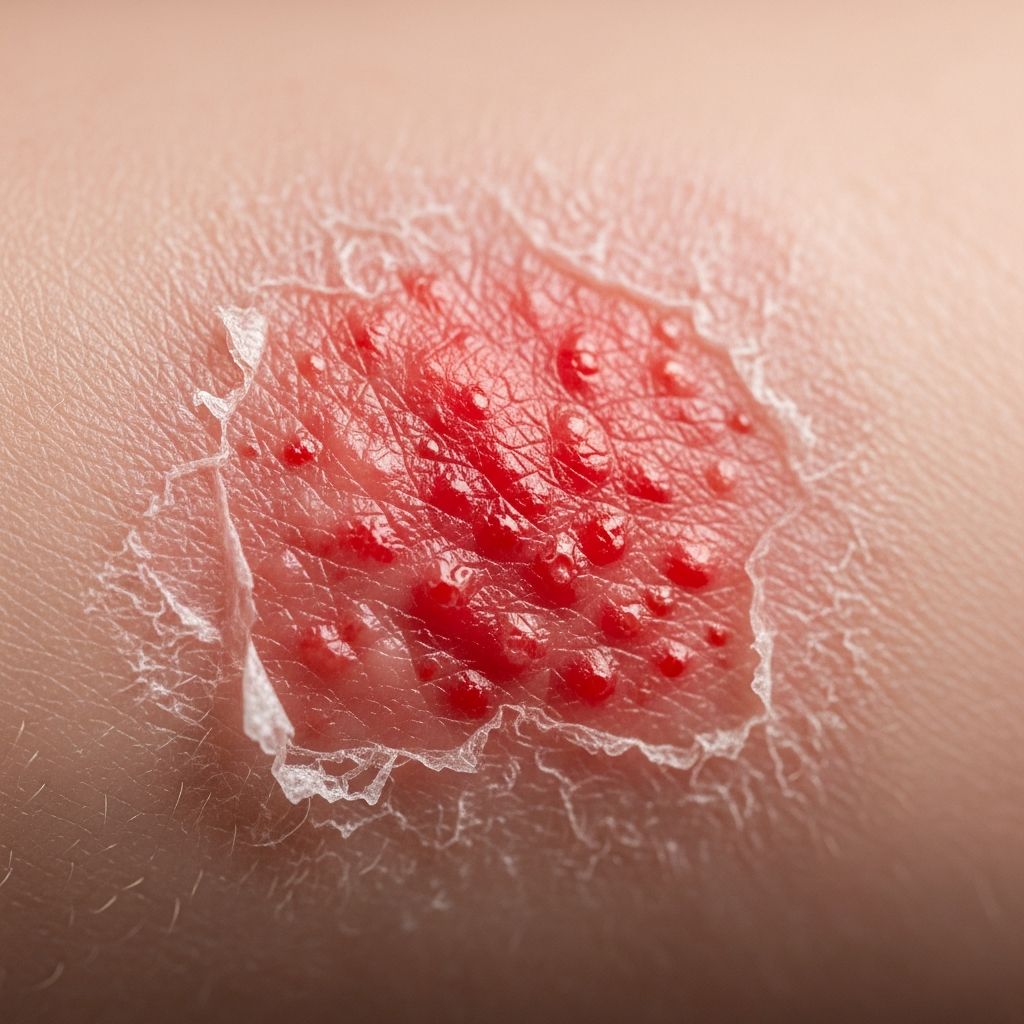
Imidazolidinyl urea is a widely used preservative in cosmetics and pharmaceuticals that can trigger allergic contact dermatitis in sensitive individuals. This type IV hypersensitivity reaction affects a small but significant percentage of patch-tested patients, necessitating avoidance of containing products.
Introduction
Imidazolidinyl urea, commercially known as Germall 115, and its structurally similar counterpart diazolidinyl urea (DALU, or Germall 11), serve as effective antimicrobial agents in personal care products. These formaldehyde-releasing preservatives inhibit the growth of bacteria, fungi, and yeast, making them staples in shampoos, lotions, creams, and topical medications. Despite their efficacy and reputation for being relatively non-sensitizing, they pose risks for those with allergies, leading to eczematous reactions upon skin contact.
While not the most common allergen among preservatives, imidazolidinyl urea appears in 1.9-3.2% of individuals undergoing patch testing for suspected contact dermatitis. Products labeled ‘hypoallergenic’ frequently contain it, which can mislead sensitive consumers. Cross-reactivity with DALU is common due to structural similarities, and many affected patients also react to formaldehyde itself.
Demographics
Allergy to imidazolidinyl urea affects individuals across age groups but is more frequently diagnosed in adults exposed to cosmetics over time. Sensitization often develops after repeated exposures, with the immune system ‘remembering’ the allergen lifelong once triggered. Women using skincare and hair products daily report higher incidences, though men and children using shared household items can also be affected. Patch test data from dermatology clinics worldwide indicate steady prevalence, with no strong racial bias but variations in presentation by skin type.
Reported rates hover around 2-3% in screened populations, lower than quaternium-15 or fragrances but significant for preservative allergies. Occupational exposure in hairdressers, beauticians, and healthcare workers using medicated creams elevates risk.
Causes
The primary cause is a type IV delayed hypersensitivity reaction mediated by CD4+ T-lymphocytes. Upon skin contact, imidazolidinyl urea releases low levels of formaldehyde, which haptenates proteins, forming antigens recognized by memory T-cells. This triggers cytokine release, inflammation, and dermatitis. Unlike irritant reactions, allergic responses persist lifelong after sensitization.
Found in water-based formulations, it prevents microbial contamination in products like:
- Shampoos and conditioners
- Moisturizers and lotions
- Facial cleansers and toners
- Makeup removers and eye creams
- Topical pharmaceuticals and pet shampoos
- Industrial fluids like paints and cutting oils
Factors promoting allergy include damaged skin barrier (e.g., from eczema), frequent use, and co-exposure to other formaldehyde-releasers like bronopol or quaternium-15.
Clinical Features
Symptoms emerge 48-72 hours post-exposure, starting with intense
itching
, followed by redness, swelling, and vesicles in acute phases. Lesions localize to contact sites like face, hands, eyelids, or scalp but can generalize in severe cases. Burning pain and tenderness accompany advanced reactions.Phases include:
- Acute: Erythema, edema, papules, vesicles, oozing.
- Subacute: Crusting, scaling, fissuring.
- Chronic: Lichenification, hyperpigmentation.
Id reactions (autoeczematization) may cause distant flares.
Variation in Skin Types
In lighter skin, reactions manifest as classic erythematous patches and plaques. Darker skin tones show
hypopigmentation or hyperpigmentation
, papules, lichenification, or greyish-violet hues masking erythema, often delaying diagnosis. Pruritus remains universal, but post-inflammatory pigment changes persist longer in Fitzpatrick types IV-VI.Related Stories



| Skin Type | Typical Presentation |
|---|---|
| Light (I-III) | Red patches, vesicles, clear erythema |
| Dark (IV-VI) | Papules, lichenification, pigmentary changes, subtle grey hue |
Complications
Untreated reactions lead to secondary bacterial infections (e.g., Staphylococcus aureus), scarring, or chronic eczema. Widespread dermatitis risks systemic symptoms like fever. Occupational impacts and psychological distress from persistent itching are common. Cross-reactivity heightens avoidance challenges.
Diagnosis
Diagnosis combines history of cosmetic exposure with
patch testing
using 2% imidazolidinyl urea in petrolatum, read at 48-96 hours. Positive reactions (++) confirm allergy. Test related compounds like DALU and formaldehyde.Use-your-own-product testing: Apply suspect item to antecubital fossa twice daily for 1 week, then preauricular area if negative. Avoid on shampoos/cleansers to prevent irritancy. Referral to dermatologists for formal testing recommended.
Differential Diagnoses
- Irritant contact dermatitis (immediate, non-immune)
- Atopic dermatitis flare
- Other preservative allergies (e.g., parabens, MCI/MI)
- Fragrance or dye allergy
- Infectious folliculitis or seborrheic dermatitis
Patch testing distinguishes allergic from irritant causes.
Treatment
Prevention
Avoidance is cornerstone: Read labels for imidazolidinyl urea, Germall 115, or synonyms. Scan ‘hypoallergenic’ claims skeptically. Safe alternatives include:
- Phenoxyethanol
- Benzoic acid
- Sorbic acid
- Parabens (if tolerated)
- Natural preservatives like grapefruit seed extract
Avoid formaldehyde-releasers: quaternium-15, bronopol, dimethylol dimethyl hydantoin.
Acute Management
- Discontinue offending products immediately.
- Emollients for barrier repair.
- Topical corticosteroids (e.g., hydrocortisone 1% mild; potent for thick plaques).
- Oral antihistamines for pruritus.
- Treat secondary infection with antibiotics if needed.
- Severe cases: Short-course oral steroids or phototherapy.
Alternative Names
Imidazolidinyl urea aliases: Germall 115, imidurea, N,N”-methylenebis[N’-(1-(hydroxymethyl)-2,5-dioxo-4-imidazolidinyl)urea].
Frequently Asked Questions (FAQs)
Is imidazolidinyl urea safe for most people?
Yes, it’s non-toxic and low-sensitizing for the majority, but 2-3% develop allergies.
How do I know if my eczema is from this allergen?
Patch testing confirms; symptoms match contact sites.
Can I use hypoallergenic products?
Not if allergic, as many contain it—always check ingredients.
Does it affect children or pets?
Possible via shared products like shampoos.
Are there formaldehyde-free cosmetics?
Yes, seek paraben-free or natural preservative lines.
References
- Imidazolidinyl Urea Allergy — DermNet NZ. 2023. https://dermnetnz.org/topics/allergy-to-imidazolidinyl-urea
- Imidazolidinyl Urea — Orlando Skin Doc. 2023. https://orlandoskindoc.com/imidazolidinyl-urea/
- Allergy to Imidazolidinyl Urea — SkinIdent (DermNet NZ PDF). 2023. https://www.skinident.world/fileadmin/img/spanish-pictures/pdf/Allergy_to_Imidazolidinyl_Urea.pdf
- Imidazolidinyl Urea (Germall 115) Patient Information — SkinIdent (TRUE Test PDF). 2023. https://www.skinident.world/fileadmin/img/spanish-pictures/pdf/True_Test_Imidazolidinyl_urea.pdf
- Patient Information Leaflet: Imidazolidinyl Urea — European Society of Contact Dermatitis. 2023. https://escd.org/wp-content/uploads/imidazolidinyl-urea.pdf
Similar Articles








Read full bio of Sneha Tete