Iodopropynyl Butylcarbamate Allergy: Symptoms & Treatment
Understanding causes, symptoms, diagnosis, and management of contact allergy to this common preservative in cosmetics and personal care products.
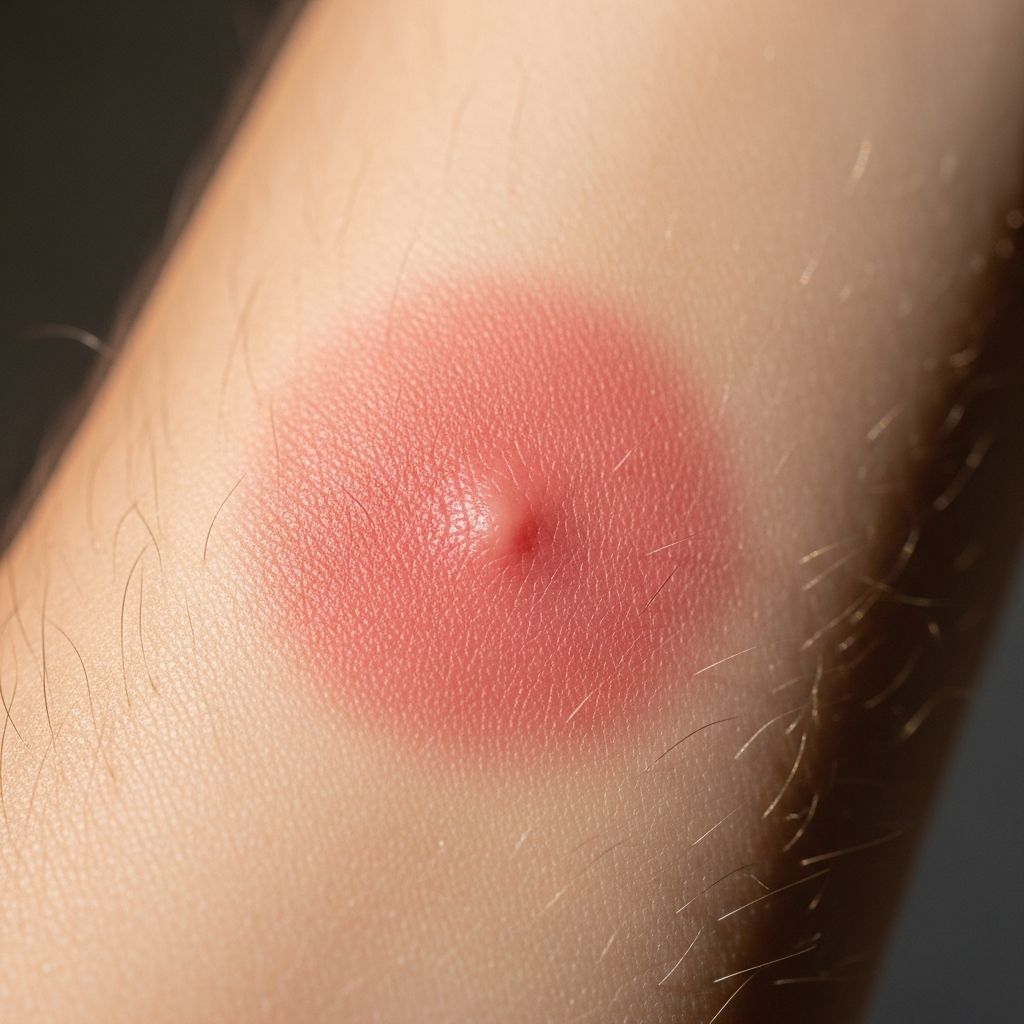
Iodopropynyl butylcarbamate (IPBC) is a widely used preservative in cosmetics, personal care products, and industrial applications that can trigger
allergic contact dermatitis
in sensitised individuals. This condition manifests as itchy, red rashes upon skin exposure, often from shampoos, moisturisers, or paints containing trace amounts of this chemical.What is iodopropynyl butylcarbamate?
Iodopropynyl butylcarbamate, commonly abbreviated as
IPBC
, is an organic compound with antimicrobial properties effective against fungi, yeasts, and bacteria. Introduced in the 1990s as a safer alternative to older preservatives like parabens, IPBC inhibits microbial growth in products, extending shelf life and preventing contamination.Chemically, IPBC is 3-iodo-2-propynyl butylcarbamate, a white crystalline powder soluble in water and organic solvents. Its efficacy at low concentrations (typically 0.01–0.1%) makes it ideal for rinse-off and leave-on formulations. Regulatory bodies like the EU limit its use to 0.02% in cosmetics, excluding eye and mucous membrane products for children under 3 due to potential irritation risks.
- Key properties: Broad-spectrum biocide, heat-stable, non-volatile.
- Common concentrations: Up to 0.05% in shampoos, 0.02% in creams.
Preservative function of IPBC
IPBC serves as a
broad-spectrum preservative
in water-based products prone to microbial spoilage. It disrupts fungal cell walls and bacterial enzymes, preventing growth even in challenging environments like high-humidity bathrooms. Unlike formaldehyde releasers, IPBC does not degrade into irritating byproducts, contributing to its popularity.In cosmetics, IPBC is favoured for its compatibility with surfactants and emulsifiers, maintaining product stability without altering texture or scent. Industrial uses include paints, adhesives, and metalworking fluids, where it controls mould in humid conditions.
| Category | Examples | Typical Concentration |
|---|---|---|
| Cosmetics | Shampoos, conditioners, body washes | 0.01–0.05% |
| Personal Care | Moisturisers, lotions, wet wipes | 0.02% |
| Household | Metal polishes, paints | 0.1–0.3% |
| Industrial | Adhesives, paper coatings | Up to 0.5% |
Who gets iodopropynyl butylcarbamate allergy?
**IPBC allergy** primarily affects individuals with frequent exposure to preserved products, such as those with atopic dermatitis or occupational contact like hairdressers and painters. Sensitisation rates have risen since the 2000s, with studies reporting 0.5–2.6% positive patch tests in dermatitis clinics.
At-risk groups include:
- Patients with chronic eczema using multiple cosmetics daily.
- Professionals handling wet products (e.g., beauticians, construction workers).
- Children and infants from rinse-off products like baby shampoos.
- Those with multiple preservative allergies (concomitant reactions to MCI/MI or parabens).
Prevalence is higher in women (due to greater cosmetic use) and peaks in ages 20–50. Cross-reactivity with other carbamates is rare, but true sensitisers often react to unrelated allergens like fragrances.
Clinical features of iodopropynyl butylcarbamate allergy
Allergic reactions to
IPBC
present asacute or chronic allergic contact dermatitis
, characterised by erythema, oedema, vesicles, and intense pruritus at exposure sites. Rinse-off products cause transient dermatitis, while leave-on items lead to persistent lichenified plaques.- Shampoo-related: Scalp itch, post-rinse eyelid or neck dermatitis (due to hand transfer).
- Cream-related: Facial or hand eczema from moisturisers.
- Occupational: Hand dermatitis in painters from IPBC in latex paints.
Related Stories



Symptoms onset 12–72 hours post-exposure, mimicking irritant dermatitis. Severe cases involve widespread dissemination from auto-transfer.
Diagnosis of iodopropynyl butylcarbamate allergy
Diagnosis relies on
patch testing
with standardised allergens. IPBC 0.1% in petrolatum is included in extended cosmetic, preservative, and NACDG series.- Patient history: Identify products used and dermatitis pattern matching exposure.
- Patch application: Occlude test substances for 48 hours on back.
- Readings: Day 2, 4–5 (D2, D4/D5) for delayed reactions (?+ to ++).
- Confirmation: Use test (repeated open application) or ROAT (20µl twice daily for 2 weeks) on antecubital fossa.
Differential includes irritant contact dermatitis, airborne allergy, or systemic contact dermatitis. Biopsy shows spongiosis and lymphocytic infiltrate, non-specific.
Positive patch test to iodopropynyl butylcarbamate
A positive reaction appears as erythematous, vesicular papules under the chamber, scored as +1 (erythema, few papules) to +3 (vesicles, bullae). Readings beyond D5 detect late reactors (up to 20% of cases).

Image depicts typical D4 morphology; relevance confirmed by product ingredient check.
What causes the allergy?
**Type IV (delayed) hypersensitivity** to IPBC’s hapten structure triggers T-cell mediated inflammation. Sensitisation occurs via repeated low-dose exposure penetrating stratum corneum, especially impaired barriers. Metabolites may enhance immunogenicity.
Factors promoting allergy:
- Occlusion increasing penetration.
- Concurrent irritants (surfactants) damaging skin barrier.
- Genetic predisposition (filaggrin mutations).
Treatment of iodopropynyl butylcarbamate allergy
Treatment combines
allergen avoidance
with symptomatic relief:- Topical corticosteroids: Potent (group III–IV) for 1–2 weeks, e.g., clobetasol 0.05% ointment.
- Emollients: Fragrance-free, preservative-free (e.g., plain petrolatum).
- Oral antihistamines: For pruritus (loratadine 10mg daily).
- Severe cases: Oral prednisone 0.5–1mg/kg tapered over 2 weeks.
Monitor for secondary infection (topical antibiotics if needed). Calcineurin inhibitors (tacrolimus) for facial/periorbital sites.
Prevention of iodopropynyl butylcarbamate allergy
Prevention emphasises
proactive avoidance
and skin protection:- Read labels for “iodopropynyl butylcarbamate”, “IPBC”, or CAS 55406-53-6.
- Choose IPBC-free products (phenoxyethanol, sorbates alternatives).
- Occupational: Gloves, ventilation for paints.
- Patch test high-risk patients routinely.
How to check if a product contains iodopropynyl butylcarbamate
Scan ingredients lists at the end of labels. IPBC appears as:
- Iodopropynyl butylcarbamate
- 3-Iodo-2-propynyl butylcarbamate
- IPBC
- CAS 55406-53-6
Use apps like INCI Beauty or EWG Skin Deep. Contact manufacturers for unlisted formulations. Note: Trace impurities (<10ppm) rarely cause reactions.
What should you expect if allergic to iodopropynyl butylcarbamate?
With strict avoidance, dermatitis resolves in 2–4 weeks, but flares recur on re-exposure. 70–80% maintain clearance long-term. Monitor for cross-reactions (low risk). Annual dermatologist follow-up recommended for complex cases.
Further resources for iodopropynyl butylcarbamate allergy - Contact Allergen Management Program (CAMP) chemical fact sheet
- DermNet NZ Cosmetic ingredients database
- American Contact Dermatitis Society IPBC monograph
Frequently Asked Questions
Is IPBC safe in cosmetics?
IPBC is safe for most at regulated levels (<0.02%), but sensitised individuals must avoid it entirely to prevent dermatitis flares.
Can IPBC allergy develop suddenly?
Yes, after cumulative exposure; initial sensitisations are often subclinical until threshold exceeded.
Does IPBC cause eye irritation?
Primarily contact allergen, but high concentrations irritate mucous membranes; banned near eyes in some regions.
Are there IPBC-free shampoos?
Yes, select “preservative-free” or those using ethylhexylglycerin, leuconostoc ferment; check labels.
Can IPBC allergy be cured?
No cure, but managed effectively via avoidance; immunotherapy not available for haptens.
References
- Contact allergy to iodopropynyl butylcarbamate: clinical relevance and importance of concomitant reactivity — Contact Dermatitis Journal. 2021-06-15. https://pubmed.ncbi.nlm.nih.gov/34184345/
- Preservatives in Cosmetics: Iodopropynyl Butylcarbamate — North American Contact Dermatitis Group (NACDG). 2023-02-10. https://www.nacdg.org/
- Regulation (EC) No 1223/2009 on cosmetic products – Annex V — European Commission. 2024-01-01. https://eur-lex.europa.eu/legal-content/EN/TXT/?uri=CELEX:02009R1223-20240101
- Allergic contact dermatitis from iodopropynyl butylcarbamate in water-based paints — Journal of the European Academy of Dermatology and Venereology. 2022-11-20. https://doi.org/10.1111/jdv.18567
- Patch Testing and Diagnosis of Allergic Contact Dermatitis — American Academy of Dermatology (AAD). 2025-03-05. https://www.aad.org/public/diseases/eczema/types/contact-dermatitis/patch-testing
- IPBC Fact Sheet — Contact Allergen Management Program (CAMP), University of Cincinnati. 2023-08-12. https://campskinreport.org/
Similar Articles








Read full bio of medha deb