Allergy To PABA: Symptoms, Diagnosis, Management
Understanding para-aminobenzoic acid allergy: causes, symptoms, diagnosis, and safe management strategies for skin care.
Para-aminobenzoic acid (PABA) is a chemical compound historically used in sunscreens and as a precursor in certain local anaesthetics. Allergy to PABA manifests primarily as allergic contact dermatitis and photocontact dermatitis, affecting individuals exposed through topical products or medical procedures. This article explores the sources of PABA exposure, clinical presentations, diagnostic approaches, management strategies, and preventive measures.
What is PABA?
PABA, or para-aminobenzoic acid, is a naturally occurring compound found in small amounts in foods like grains, eggs, milk, and meat. Synthetically produced PABA has been widely incorporated into commercial products, particularly as an ultraviolet (UV) filter in sunscreens during the mid-20th century. It effectively absorbs UVB rays, providing protection against sunburn. However, due to frequent allergic reactions and concerns over potential UV damage from animal studies in the early 1980s, PABA usage in sunscreens has significantly declined.
Beyond sunscreens, PABA serves as the chemical foundation for ester-type local anaesthetic agents, including benzocaine, procaine, tetracaine, butethamide, propoxycaine, and butacaine. These anaesthetics are commonly used in dental procedures, minor surgeries, and topical pain relief products. Hydrolysis of these esters by cholinesterase releases PABA, which can trigger allergic responses in sensitised individuals.
Who gets PABA allergy? (Demographics)
PABA allergy predominantly affects adults rather than children, with women being more commonly impacted than men. This disparity may relate to higher usage of cosmetics, hair dyes, and sunscreens among women. Sensitisation often occurs through repeated exposure to PABA-containing products, leading to a delayed hypersensitivity reaction mediated by T-cells. Individuals with a history of atopic dermatitis or multiple chemical sensitivities are at elevated risk.
- Prevalence is higher in sunscreen users and those undergoing frequent dental or medical procedures.
- Cross-reactivity with related chemicals like paraphenylenediamine (PPD) in hair dyes increases susceptibility.
- Occupational exposure in healthcare or beauty industries can contribute to sensitisation.
Cross reactions
PABA allergy frequently cross-reacts with chemically related substances due to structural similarities. Key cross-reactants include:
- Sulphonamides: Antibiotics like sulfamethoxazole, where the para-amino group mimics PABA.
- Paraphenylenediamine (PPD): Found in permanent hair dyes, temporary tattoos, and rubber products; a common co-sensitiser.
- Azo dyes: Used in textiles, cosmetics, and food colouring.
- PABA esters: Such as padimate O (octyl dimethyl PABA), still present in some sunscreen formulations.
- Methylparaben: A preservative in anaesthetics and cosmetics that metabolises to PABA.
Patients allergic to PABA should undergo comprehensive patch testing to identify these cross-reactivities, as avoidance of one allergen may not suffice.
Clinical features
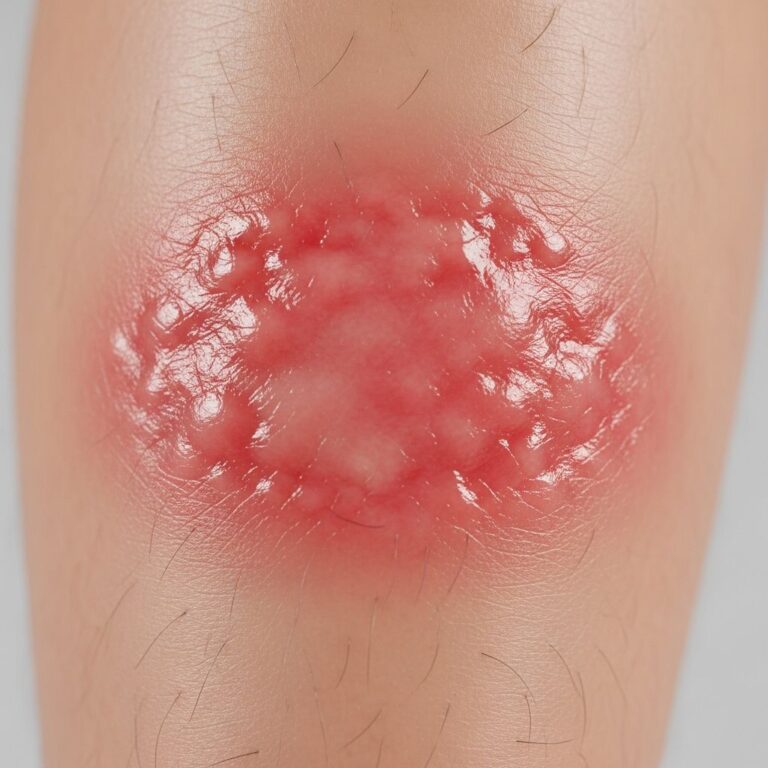
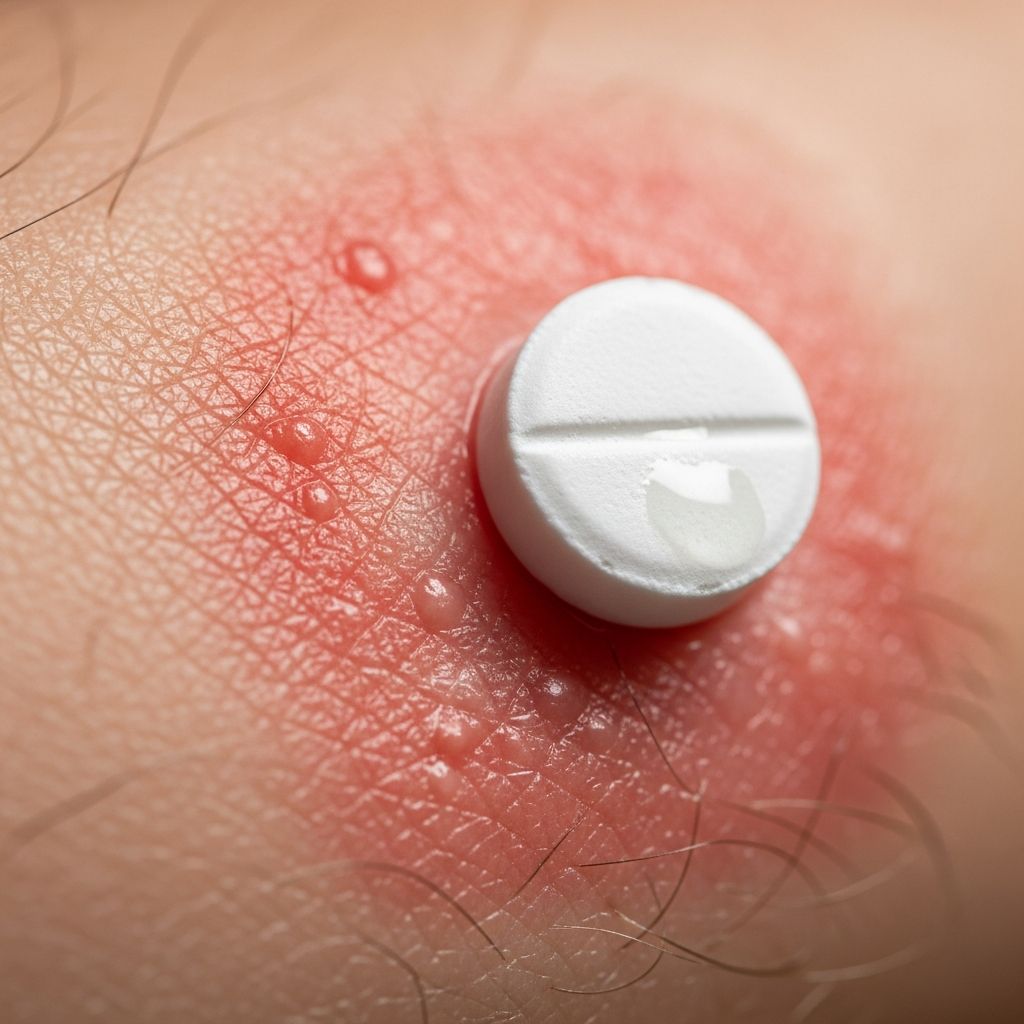
PABA sensitivity typically presents as classic allergic contact dermatitis, characterised by erythematous, pruritic papules and vesicles at sites of application. When combined with UV exposure, it evolves into photocontact dermatitis, with exaggerated burning, stinging, and rash formation. Alcohol-based PABA sunscreens are particularly irritating, even in non-allergic individuals with sensitive skin.
Symptoms from topical exposure include:
- Redness and itching within 24-48 hours.
- Burning or stinging sensation upon sunlight exposure.
- Well-demarcated eczematous plaques corresponding to product application areas.
In cases of local anaesthetic use, reactions may involve:
Related Stories



- Stomatitis (oral mucosal swelling) at injection sites.
- Generalised urticaria or, rarely, anaphylaxis.
Systemic symptoms from oral PABA overdose (uncommon) encompass nausea, vomiting, diarrhoea, dizziness, fever, rash, shortness of breath, and severe cases like liver failure or coma. Most reactions stem from allergy rather than overdose.
| Reaction Type | Symptoms | Triggers |
|---|---|---|
| Allergic Contact Dermatitis | Rash, itching, vesicles | Sunscreens, cosmetics |
| Photocontact Dermatitis | Burning, stinging, exaggerated rash | UV-exposed PABA products |
| Anaesthetic Reaction | Swelling, urticaria, anaphylaxis | Ester-type locals like benzocaine |
Diagnosis
Diagnosis of PABA allergy relies on clinical history and confirmatory patch testing. Standard patch tests use 10% PABA in petrolatum, applied under occlusion for 48 hours, with readings at days 2 and 4. Positive reactions show erythema, induration, or vesicles. Photopatch testing is essential for suspected photocontact dermatitis, involving UV exposure post-application.
Intrader-mal testing confirms anaesthetic allergies, as demonstrated in cases where lidocaine and related agents elicited delayed hypersensitivity with erythema and oedema. Differential diagnoses include irritant dermatitis, airborne contact dermatitis, and allergies to other sunscreen filters like benzophenone-3.
Management and treatment
Acute PABA dermatitis is managed as standard eczematous reactions:
- Topical corticosteroids: Potent agents like clobetasol 0.05% ointment twice daily for 1-2 weeks.
- Emollients: To restore skin barrier and reduce irritation.
- Oral antihistamines: For pruritus relief, e.g., cetirizine 10mg daily.
- Severe cases: Short-course oral prednisolone (0.5-1mg/kg) tapering over 2 weeks.
For anaesthetic reactions, switch to amide-type agents like lidocaine or articaine, which lack PABA metabolites. Allergy department confirmation via testing ensures safe alternatives.
Prevention
Prevention centres on allergen avoidance:
- Read product labels meticulously; avoid PABA, its esters (e.g., padimate O), and cross-reactants like PPD, sulfonamides, azo dyes.
- Opt for PABA-free sunscreens with zinc oxide, titanium dioxide, or avobenzone.
- Inform dentists and physicians of PABA allergy prior to procedures; request amide anaesthetics.
- Perform patch tests for new products, especially sunscreens.
- Consult pharmacists for safe alternatives in cosmetics and hair dyes.
Dermatologists may provide tailored advice for highly sensitised patients, including extended avoidance lists.
Frequently Asked Questions (FAQs)
Is PABA still used in sunscreens?
No, PABA is rarely used in modern sunscreens due to allergy risks and potential UV damage concerns from 1980s studies. PABA-free alternatives predominate.
Can PABA allergy cause anaphylaxis?
Rarely, yes, particularly with injected PABA-derived anaesthetics, leading to urticaria or anaphylaxis. Topical reactions are usually limited to dermatitis.
How do I know if my sunscreen reaction is due to PABA?
Symptoms like stinging/burning on sun-exposed skin suggest photocontact dermatitis. Confirm with patch/photopatch testing by a dermatologist.
Are there safe alternatives to PABA-containing anaesthetics?
Yes, amide-type locals like lidocaine, bupivacaine, or articaine are generally safe for PABA-allergic patients, pending allergy testing.
Does PABA occur naturally in foods?
Yes, in trace amounts in grains, eggs, and dairy, but dietary PABA does not typically cause allergy; issues arise from synthetic topical exposures.
References
- Para-Aminobenzoic Acid – UF Health — University of Florida Health. 2023. https://ufhealth.org/conditions-and-treatments/para-aminobenzoic-acid
- Allergy to PABA – DermNet — DermNet NZ. 2024-01-15. https://dermnetnz.org/topics/allergy-to-paba
- Management of patients with allergy to local anesthetics: two case reports — PMC (PubMed Central). 2021-11-18. https://pmc.ncbi.nlm.nih.gov/articles/PMC8637912/
- Para-Aminobenzoic Acid (PABA) – Uses, Side Effects, and More — WebMD. 2025. https://www.webmd.com/vitamins/ai/ingredientmono-1004/para-aminobenzoic-acid-paba
Similar Articles








Read full bio of Sneha Tete