Allergy To Topical Medications: Diagnosis, Symptoms & Treatment
Understanding allergic reactions to topical medications: causes, diagnosis, and effective management strategies for skin health.
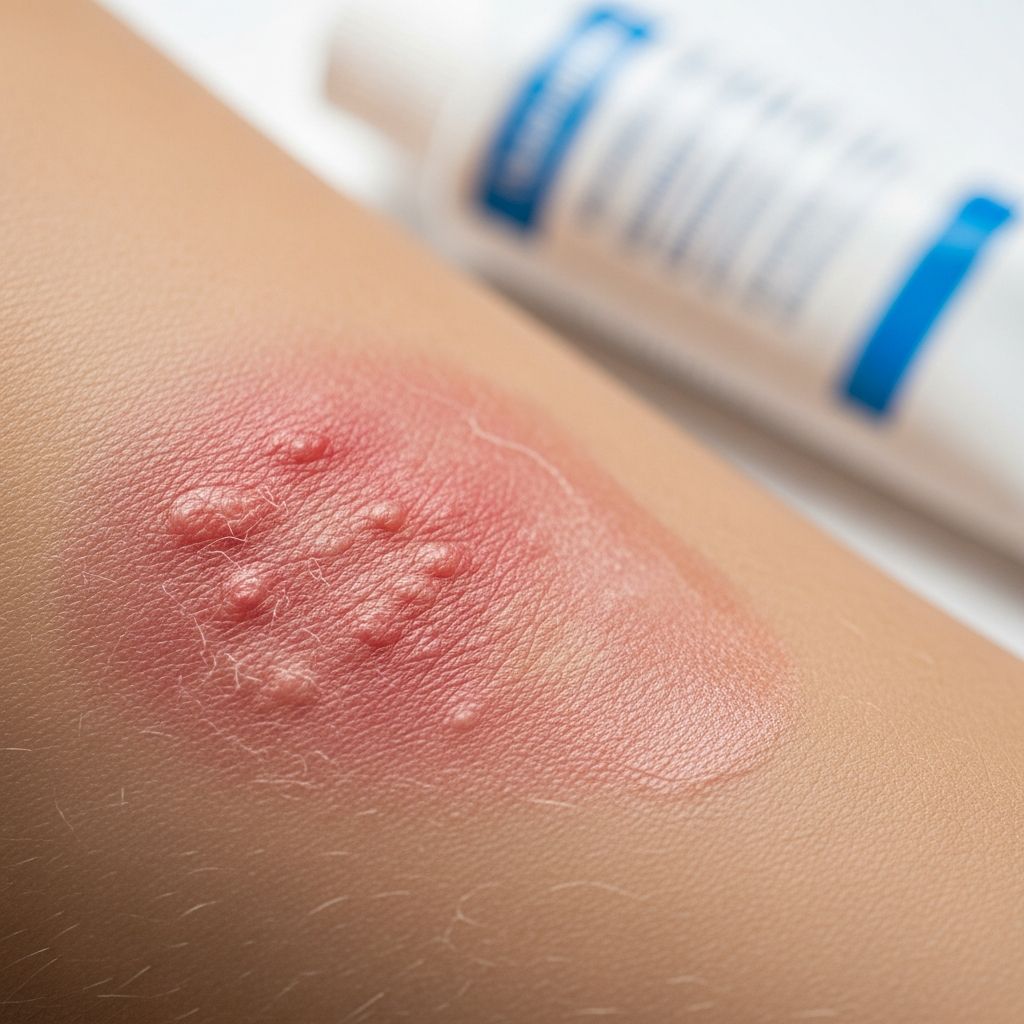
Topical medications, widely used for skin conditions, can trigger allergic reactions due to their active ingredients or base components like preservatives and fragrances. These reactions often manifest as allergic contact dermatitis, particularly in atopic individuals or older patients with compromised skin barriers.
What is allergy to topical medications?
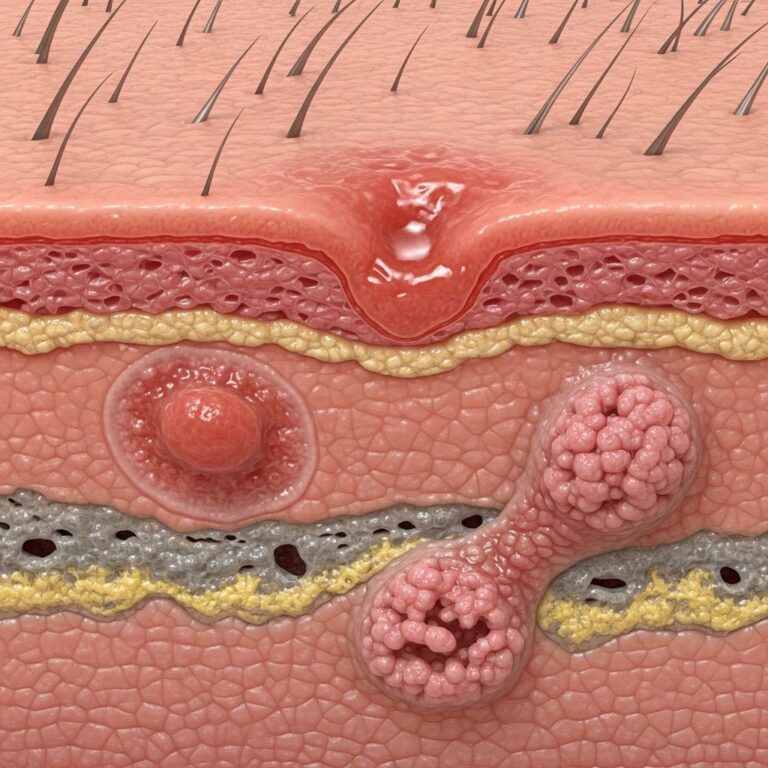
Allergy to topical medications refers to an immunological hypersensitivity reaction, typically type IV delayed hypersensitivity, where the skin reacts to allergens in creams, ointments, or lotions applied directly to it. Unlike irritant contact dermatitis, which is non-immunological, allergic reactions involve T-cell mediated responses occurring 48-72 hours post-exposure. Common presentations include erythema, pruritus, swelling, vesicles, or exacerbation of existing dermatitis.
Atopic patients with eczema, asthma, or rhinitis face heightened risk because their impaired skin barrier facilitates allergen penetration, increasing sensitisation likelihood. Reactions may appear at the application site or spread systemically in rare cases.
Who gets allergy to topical medications?
Allergic contact dermatitis from topical medications affects individuals using over-the-counter or prescription products for inflammatory, infectious, or moisturising purposes. Vulnerable groups include:
- Older adults over 70 years, as studies show higher prevalence in this cohort due to chronic skin conditions like leg ulcers or stasis dermatitis.
- Patients with pre-existing eczema or damaged skin, where allergens in bandages or medications provoke reactions.
- Atopics with weakened barriers from irritant dermatitis, priming for allergy.
- Individuals frequently exposed to multiple topicals, such as those treating chronic dermatoses.
A Sheffield study over nine years confirmed increased medicament allergies in elderly patch-tested patients.
Causes of allergy to topical medications
Topical medications comprise an active ingredient dissolved in a base containing vehicles, preservatives, fragrances, and stabilisers. Allergens can be:
Active drug ingredients
- Antibacterials: Neomycin, bacitracin, commonly sensitising in ointments.
- Antifungals: Clotrimazole, miconazole.
- Anti-inflammatories: Corticosteroids like budesonide, tixocortol-21-pivalate; NSAIDs such as ibuprofen.
- Local anaesthetics: Benzocaine, lidocaine.
- Others: Gold sodium thiosulfate in some preparations.
Base components
The most frequent culprits are:
- Preservatives: Parabens (methyl-, ethyl-, propyl-, butylparaben), causing reactions especially on damaged skin like leg ulcers.
- Fragrances: Balsam of Peru, fragrance mixes, common in moisturisers and anti-itch creams.
- Emulsifiers/Surfactants: Lanolin (wool alcohols), common in older patients with eczema.
- Others: Ethylenediamine, quaternium-15.
Corticosteroids deserve special mention; allergy often presents as treatment failure or worsening dermatitis, distinct from withdrawal syndrome.
Clinical features of allergy to topical medications
Reactions mimic classic allergic contact dermatitis:
- Localised erythema, intense itching, oedema, papules, vesicles, or bullae at the site.
- Spreading or id reactions in sensitised individuals.
- For corticosteroids: Failure to improve or aggravation of original lesion; rarely, distant eczematous rash.
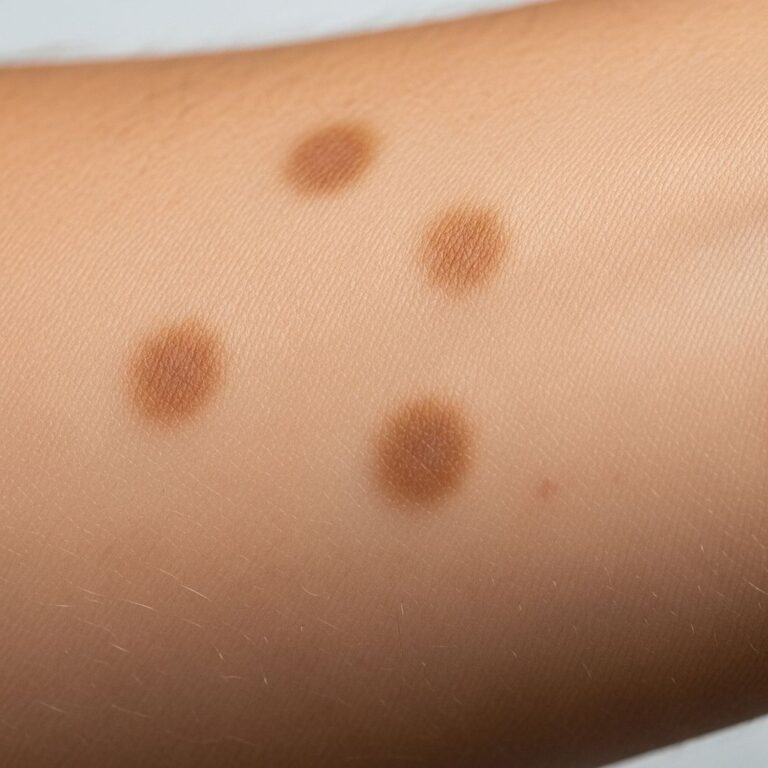
- Parabens: Erythema on leg ulcers or hands in food handlers; postinflammatory hyperpigmentation in darker skin.
Severe cases may impetiginise with secondary Staphylococcus aureus infection. Differentiate from irritant dermatitis (immediate, burning) or photoallergic reactions.
Diagnosis of allergy to topical medications
Diagnosis hinges on clinical history, examination, and patch testing—the gold standard for confirming type IV hypersensitivity.
Related Stories



- History: Temporal link to medication use, worsening despite treatment, multiple product exposures.
- Patch testing: Apply suspected agents (commercial product, pure allergen) under occlusion for 48 hours; read at 48-96 hours. Positive: Erythema, induration, vesicles.
For corticosteroids, test budesonide and tixocortol-21-pivalate as markers; positive results warrant full corticosteroid series due to cross-reactivity within structural classes (e.g., Groups I-IV). Standard series include paraben mix (12-16% in petrolatum), neomycin, fragrances.
Intradermal tests rarely for severe cases. Rule out irritants or other bases.
Management and treatment of allergy to topical medications
Core principle: Remove the allergen promptly.
- Acute phase: Emollients, mild topical corticosteroids (non-allergenic, e.g., hydrocortisone 0.5-2.5% OTC if not corticosteroid-allergic), oral antihistamines for itch.
- Infected cases: Topical/systemic antibiotics for impetigo.
- Severe: Prescription steroids, wet wraps.
Avoid cross-reacting agents; dermatologist provides allergen list. For elderly eczema patients, eschew perfumed, lanolin-laden products.
What is the outlook for allergy to topical medications?
Prognosis excels with allergen avoidance; dermatitis resolves rapidly. Chronic exposure risks persistence or complications like hyperpigmentation, secondary infection, or id reactions. Patient education prevents recurrence; apps/databases aid product checks.
Prevention of allergy to topical medications
- Minimise topicals; use plain petrolatum or allergen-free bases.
- Read labels; avoid known allergens (pharmacist alert for OTC).
- For corticosteroid allergy: List all names/groups; scrutinise anti-inflammatory, antibiotic, eye/ear preps.
- Protective gloves if unavoidable contact.
- Elderly/eczema patients: Prescribe paraben/fragrance/lanolin-free.
Table: Common Allergens in Topical Medications
| Category | Examples | Common Sites/Reactions |
|---|---|---|
| Preservatives | Parabens, quaternium-15 | Leg ulcers, eczema |
| Fragrances | Balsam of Peru | Moisturisers, worsening dermatitis |
| Antibiotics | Neomycin, bacitracin | Infected wounds |
| Corticosteroids | Budesonide, tixocortol | Treatment failure |
| Anaesthetics | Benzocaine | Haemorrhoid creams |
Frequently Asked Questions (FAQs)
Q: How common is topical medication allergy?
A: More prevalent in elderly (>70 years) and atopics; fragrances/preservatives lead.
Q: Can corticosteroid allergy affect systemic steroids?
A: Very rarely; usually limited to topicals.
Q: How to avoid parabens?
A: Check labels for paraben names; use databases like SkinSAFE; gloves if needed.
Q: Is patch testing painful?
A: Mild discomfort; non-invasive, tapes applied/removed.
Q: What if reaction persists after stopping?
A: Seek dermatologist; rule out infection, cross-reactors.
This article synthesises key insights on topical medication allergies, emphasising prevention through informed use and testing. Consult specialists for personalised advice.
References
- Topical corticosteroid contact allergy — DermNet NZ. 2023. https://dermnetnz.org/topics/allergy-to-topical-corticosteroid
- Allergy to topical medications — DermNet NZ. 2023. https://dermnetnz.org/topics/allergy-to-topical-medications
- Drug-Induced Hypersensitivity Reactions: Cutaneous Eruptions — US Pharmacist. 2018-10-19. https://www.uspharmacist.com/article/druginduced-hypersensitivity-reactions-cutaneous-eruptions
- Parabens Contact Allergy — DermNet NZ. 2023. https://dermnetnz.org/topics/allergy-to-parabens
- Steroid Rebound – A Topical Issue — Medsafe (New Zealand Medicines and Medical Devices Safety Authority). 2013-06. https://www.medsafe.govt.nz/profs/PUArticles/June2013Steroid.htm
Similar Articles








Read full bio of Sneha Tete