Allergy To Topical Salicylate: Symptoms, Diagnosis, Treatment
Understanding allergic contact dermatitis from topical salicylates: symptoms, causes, diagnosis, and management strategies.
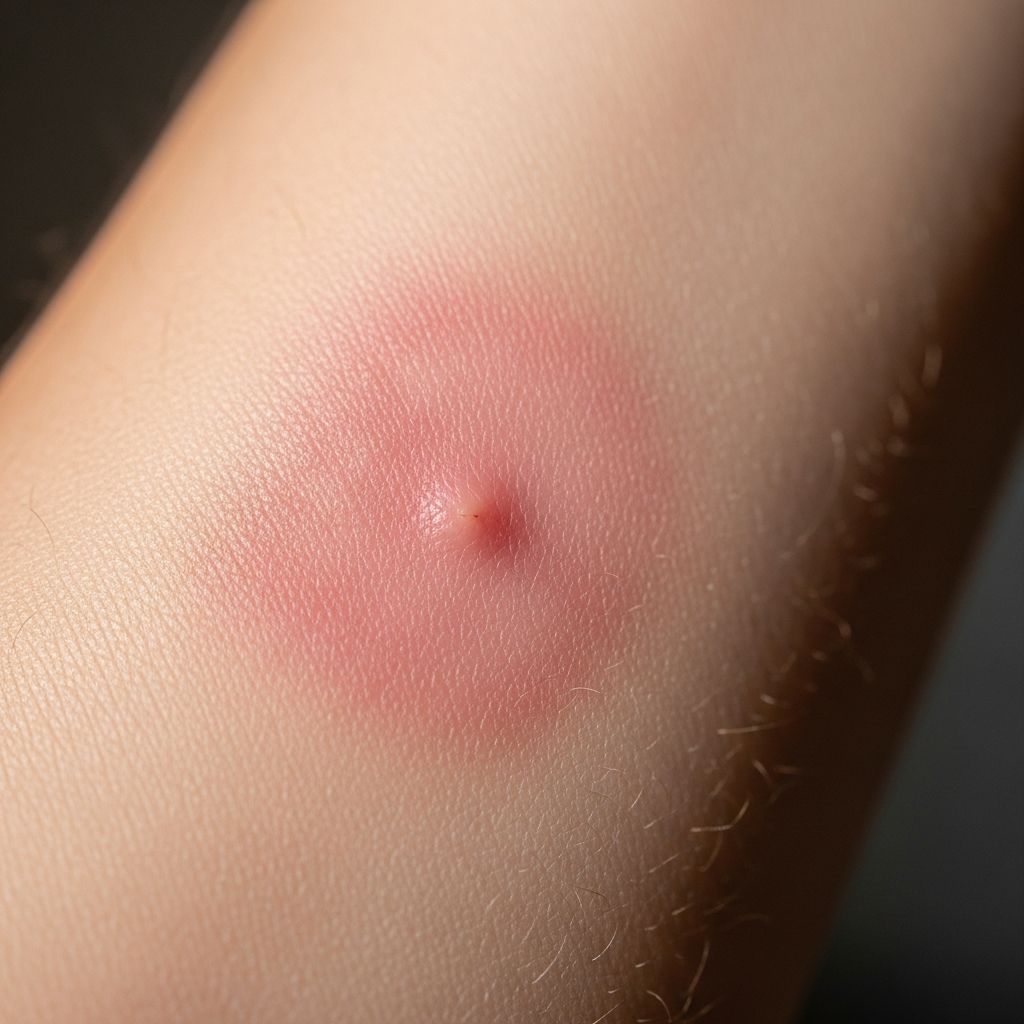
Allergy to topical salicylate refers to a form of
allergic contact dermatitis
triggered by salicylates applied directly to the skin, such as in creams, gels, or from plant sources. This delayed hypersensitivity reaction typically manifests 12–72 hours after exposure, presenting as eczematous dermatitis at the site of contact.What is allergy to topical salicylate?
Salicylates are organic compounds naturally occurring in many plants and synthesized for use in medications and cosmetics. Topical salicylates, including salicylic acid and related esters, are common in anti-acne treatments, keratolytics, anti-inflammatory creams, and wart removers. Allergic reactions arise when the skin’s immune system recognizes these chemicals as foreign, leading to T-cell mediated inflammation. Unlike systemic salicylate sensitivity, which affects respiratory or gastrointestinal systems, topical allergy is primarily dermatological. Prevalence is low but underrecognized, often linked to chronic use of over-the-counter skincare products.
Who gets allergy to topical salicylate?
This allergy affects individuals frequently exposed to salicylate-containing topicals, such as those treating acne, psoriasis, dandruff, or calluses. At-risk groups include:
- Patients using salicylic acid shampoos, body washes, or peels.
- Those applying herbal remedies from salicylate-rich plants like willow bark or meadowsweet.
- Individuals with prior skin barrier compromise, such as eczema or frequent chemical exposures.
Cross-reactivity occurs with related phenols and benzoates, complicating avoidance. Children and adults with cosmetic use are commonly affected, with reports in occupational settings like hairdressing.
What causes allergy to topical salicylate?
Sensitization develops after repeated skin contact with salicylates, penetrating compromised barriers to activate Langerhans cells and trigger type IV hypersensitivity. Common culprits include:
- Medications: Salicylic acid (2–6% in gels/creams), trolamine salicylate (12% in pain relief rubs), methyl salicylate (in liniments).
- Cosmetics: Anti-dandruff shampoos, exfoliants, acne treatments.
- Plants: Poplar, aspen, meadowsweet (used in natural skincare).
Bioavailability increases with occlusion or inflammation, heightening risk.
What are the clinical features of allergy to topical salicylate?
Symptoms emerge 12–96 hours post-exposure as
acute irritant or allergic contact dermatitis
:- Redness, itching, burning at application site.
- Swelling, vesicles, bullae in severe cases.
- Scaling, lichenification with chronic exposure.
Locations match product use: hands (creams), scalp (shampoos), face (acne treatments), legs (corn plasters). Persistent post-exposure dermatitis may spread beyond the site.
How is the diagnosis of allergy to topical salicylate made?
Diagnosis relies on:
- Clinical history: Temporal link between product use and dermatitis.
- Patch testing: Gold standard using TRUE Test allergens (e.g., methyldibromo glutaronitrile as marker) or custom trays with salicylic acid (0.5–5% petrolatum), methyl salicylate (2%), trolamine salicylate (5%). Readings at D2/D4 per ICDRG criteria.
- Differential exclusion: Rule out irritant dermatitis, infections.
Positive reactions confirm sensitization; negative tests do not exclude if exposure was low.
What is the differential diagnosis for allergy to topical salicylate?
Related Stories



| Condition | Key Distinguishing Features |
|---|---|
| Irritant contact dermatitis | Onset <24h, no sensitization, dose-dependent, negative patch test. |
| Atopic dermatitis | Flexural, personal/family atopy history, IgE-mediated. |
| Seborrhoeic dermatitis | Greasy scales on scalp, nasolabial folds. |
| Psoriasis | Well-demarcated plaques, Auspitz sign. |
| Tinea | Annular, KOH-positive hyphae. |
Systemic salicylate intolerance (asthma, urticaria) differs from localized topical allergy.
What is the treatment for allergy to topical salicylate?
Primary: Strict avoidance of all salicylate-containing products.
- Discontinue implicated topicals immediately.
- Read labels for salicylic acid, willow bark extract, acetylsalicylic acid derivatives.
Symptomatic:
- Topical potent corticosteroids (e.g., clobetasol 0.05%) for 2 weeks.
- Oral prednisone (0.5–1 mg/kg) for severe/widespread cases.
- Emollients, wet wraps for barrier repair.
Refractory cases may need calcineurin inhibitors or phototherapy.
What is the prognosis for allergy to topical salicylate?
Excellent with avoidance; dermatitis resolves in weeks. Persistent reactions suggest unrecognized exposures or cross-reactivity. Long-term patch test positivity indicates lifelong sensitization, though tolerance may rarely develop.
How can allergy to topical salicylate be prevented?
- Use salicylate-free alternatives (e.g., urea for keratolysis, ketoconazole shampoo for dandruff).
- Label checking; apps like SkinSAFE aid ingredient scanning.
- Gloves for high-risk application.
- Pre-use patch test new products on inner arm.
Patient education via printed lists of safe products enhances compliance.
Related topics
- Allergic contact dermatitis
- Patch testing
- Salicylate sensitivity
- Medicament dermatitis
Frequently Asked Questions
Can topical salicylate allergy cause systemic symptoms?
Rarely; extensive application may lead to mild gastrointestinal upset, but true anaphylaxis is exceptional. Monitor for spread.
Is salicylic acid safe for everyone?
No; avoid in known allergy. Concentrations >2% heighten risk.
What if patch test is negative but symptoms persist?
Consider irritancy, other allergens, or repeat testing with custom dilutions.
Are natural salicylate products safer?
No; plant-derived salicylates (e.g., white willow) pose equal risk.
How long does dermatitis last after avoidance?
2–4 weeks typically; chronic cases longer.
References
- Salicylate Intolerance: Pathophysiology, Clinical Spectrum … — NIH / PMC. 2009-05-25. https://pmc.ncbi.nlm.nih.gov/articles/PMC2696737/
- Salicylate sensitivity: Symptoms and management — Medical News Today. 2023-01-15. https://www.medicalnewstoday.com/articles/salicylate-sensitivity
- Salicylate sensitivity – Royal Berkshire Hospital — Royal Berkshire NHS. 2024-09-01. https://www.royalberkshire.nhs.uk/media/3vkpur2n/salicylate-sensitivity_sep24.pdf
- Salicylate Sensitivity: Symptoms and How To Manage — Cleveland Clinic. 2024-06-12. https://health.clevelandclinic.org/salicylate-sensitivity
- Salicylate Sensitivity – Allergy Testing Brisbane — Allergy First. 2023-11-20. https://www.allergyfirst.com.au/blog/salicylate-sensitivity
- Identifying Salicylate Sensitivity: Symptoms, Causes, and Testing — YorkTest. 2024-02-14. https://www.yorktest.com/us/blog/salicylate-sensitivity/
- Salicylate allergy – a 30 year perspective — Allergy.org.nz. 2022-05-10. https://www.allergy.org.nz/news-events/salicylate-allergy-a-30-year-perspective/
Similar Articles








Read full bio of medha deb