Allopurinol: 5 Serious Reactions, Uses, Dosage Guide
Comprehensive insights into allopurinol for gout management, high uric acid levels, and preventive care with usage tips and safety advice.
Allopurinol is a widely prescribed medication that lowers uric acid production in the body, primarily used to treat gout and prevent complications from high uric acid levels. By inhibiting the enzyme xanthine oxidase, it helps reduce painful flare-ups and long-term joint damage.
Understanding the Role of Allopurinol in Health
Uric acid forms when the body breaks down purines from foods and cells. Excess buildup leads to gout, characterized by sudden, intense joint pain, often in the big toe, or kidney stones. Allopurinol addresses this by blocking the conversion of purines to uric acid, promoting safer levels over time.
Patients typically notice benefits after consistent use, though initial gout attacks may temporarily worsen as crystals mobilize. Healthcare providers often pair it with anti-inflammatory drugs during startup phases.
Primary Medical Applications
- Gout Prevention: Lowers frequency and severity of attacks by maintaining uric acid below 6 mg/dL.
- Kidney Stone Prevention: Reduces uric acid stones in recurrent cases, especially with high urinary output needs.
- High Uric Acid in Cancer Therapy: Protects kidneys during chemotherapy-induced cell breakdown.
- Enzyme Disorders: Manages conditions like Lesch-Nyhan syndrome with elevated purine metabolism.
Evidence from clinical guidelines supports its long-term use for sustained uric acid control, improving quality of life for chronic sufferers.
Standard Dosing Recommendations
Dosage varies by condition, kidney function, and response. Start low to minimize risks, typically 100 mg daily, increasing gradually to 300-800 mg, divided if over 300 mg.
| Condition | Starting Dose | Maintenance Dose | Frequency |
|---|---|---|---|
| Gout | 100 mg/day | 200-300 mg/day | Once or twice daily |
| High Uric Acid (Cancer) | 600-800 mg/day | Adjust per levels | Divided doses |
| Kidney Impairment | 50-100 mg/day | Max 200 mg/day | Monitor closely |
Take after meals with ample water to enhance absorption and protect kidneys. Regular blood tests monitor uric acid, liver, and kidney function.
Recognizing and Managing Common Side Effects
Most users tolerate allopurinol well, but mild issues like digestive upset occur in some. Common reactions include:
- Diarrhea or nausea, often resolving with food intake.
- Drowsiness or dizziness, advising against driving initially.
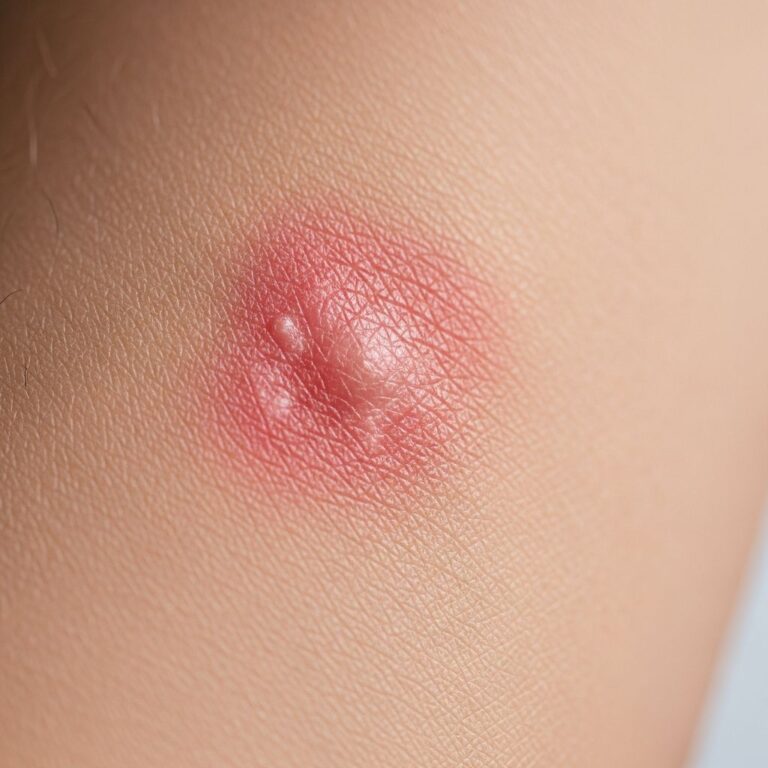
- Rash or itching, signaling need for dose adjustment.
- Altered taste or mild joint discomfort.
These typically subside; consult providers if persistent. Hydration and dietary tweaks aid tolerance.
Serious Adverse Reactions Requiring Immediate Attention
Rare but critical effects demand prompt medical intervention. Seek emergency care for:
- Severe Skin Reactions: Blistering, peeling, or widespread rash (Stevens-Johnson syndrome or hypersensitivity).
- Liver Issues: Jaundice, dark urine, or abdominal pain.
- Blood Disorders: Unusual bruising, bleeding gums, or persistent fever.
- Kidney Problems: Reduced urine, swelling, or flank pain.
- Allergic Signs: Swelling, breathing difficulty, or hives.
Hypersensitivity syndrome combines rash, fever, and organ involvement, more common in certain genetics or with diuretics. Early reporting prevents escalation.
Key Drug Interactions and Precautions
Allopurinol interacts with several medications, heightening risks:
- Azathioprine or mercaptopurine: Reduce doses to avoid toxicity.
- Diuretics like hydrochlorothiazide: Increase rash risk.
- Anticoagulants such as warfarin: Monitor clotting closely.
- Antibiotics (e.g., amoxicillin): Elevate rash incidence.
Related Stories



Avoid alcohol, which boosts side effects, and maintain high fluid intake (2-3 liters daily). Not recommended in acute gout flares without colchicine cover.
Lifestyle Adjustments for Optimal Results
Combine medication with habits for best outcomes:
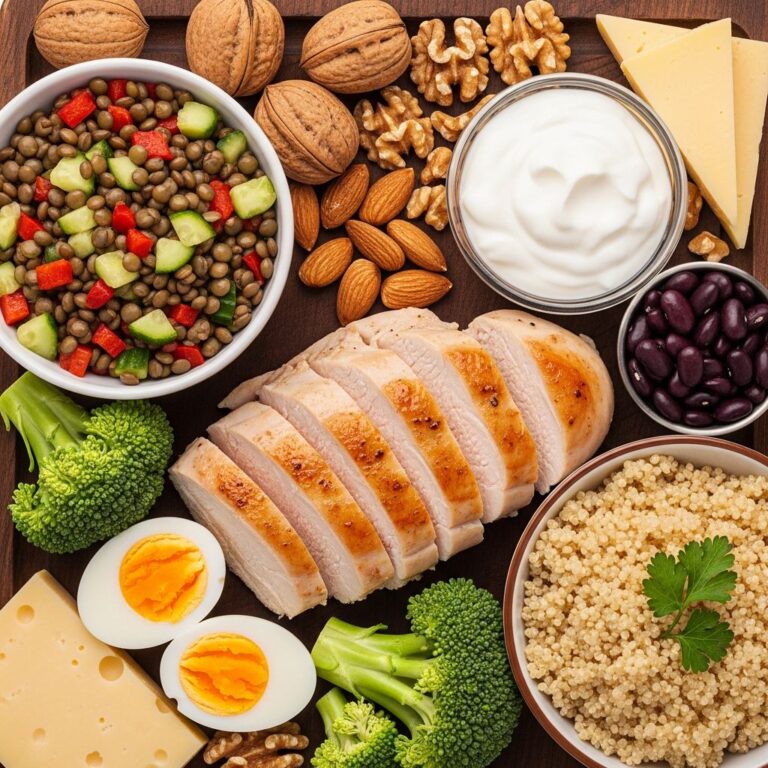
- Diet: Limit purine-rich foods like red meat, shellfish, and beer; favor cherries, dairy, and vegetables.
- Weight Control: Gradual loss reduces uric acid load.
- Hydration: Promotes stone passage and dilutes urine.
- Exercise: Low-impact activities prevent joint stress without triggering flares.
Regular monitoring ensures adjustments, with many achieving flare-free lives.
Special Considerations for Diverse Populations
Pregnancy and Breastfeeding
Limited data; use only if benefits outweigh risks. Consult specialists for alternatives.
Children and Elderly
Dosed by weight in kids for enzyme issues; elderly start lower due to kidney decline.
Kidney or Liver Disease
Adjust doses; frequent tests essential as clearance drops.
Frequently Asked Questions (FAQs)
How long until allopurinol works for gout?
Weeks to months for full effect; continue despite initial flares.
Can I stop allopurinol abruptly?
No; taper under guidance to prevent rebound uric acid spikes.
Does allopurinol cause weight gain?
Rare; monitor appetite changes.
Is allopurinol safe long-term?
Yes, for years with monitoring; protects joints effectively.
What if I miss a dose?
Take soon as remembered; skip if near next. Don’t double.
Can allopurinol prevent all gout attacks?
Greatly reduces but lifestyle aids complete control.
Monitoring Progress and When to Follow Up
Monthly checks initially, then quarterly: uric acid targets under 6 mg/dL, full blood counts, liver enzymes. Adjust based on results for safety and efficacy.
Patient education empowers adherence, minimizing risks while maximizing benefits.
References
- Allopurinol (oral route) – Mayo Clinic — Mayo Foundation for Medical Education and Research. 2023-10-01. https://www.mayoclinic.org/drugs-supplements/allopurinol-oral-route/description/drg-20075476
- Allopurinol – Great Ormond Street Hospital — Great Ormond Street Hospital for Children NHS Foundation Trust. 2024-05-15. https://www.gosh.nhs.uk/conditions-and-treatments/medicines-information/medicines-directory/allopurinol/
- Allopurinol – Arthritis UK — Versus Arthritis. 2024-02-20. https://www.arthritis-uk.org/information-and-support/understanding-arthritis/arthritis-treatments/drugs/allopurinol/
- What is Allopurinol? Uses, Side Effects & Drug Class – Study.com — Study.com. 2023-11-10. https://study.com/academy/lesson/what-is-allopurinol-uses-side-effects-drug-class.html
- Side effects of allopurinol – NHS — National Health Service (UK). 2024-08-05. https://www.nhs.uk/medicines/allopurinol/side-effects-of-allopurinol/
- Allopurinol for Gout: Side Effects, Dosage, Cost & Uses – Healthgrades — Healthgrades. 2024-01-12. https://resources.healthgrades.com/drugs/allopurinol
- Allopurinol (Zyloprim): Uses & Side Effects – Cleveland Clinic — Cleveland Clinic. 2024-03-18. https://my.clevelandclinic.org/health/drugs/18127-allopurinol-tablets
Similar Articles








Read full bio of medha deb