Allopurinol: 4 Key Uses, Dosage, Side Effects, and Safety Tips
Comprehensive guide to Allopurinol (Zyloric): uses, dosage, side effects, and precautions for gout and high uric acid management.
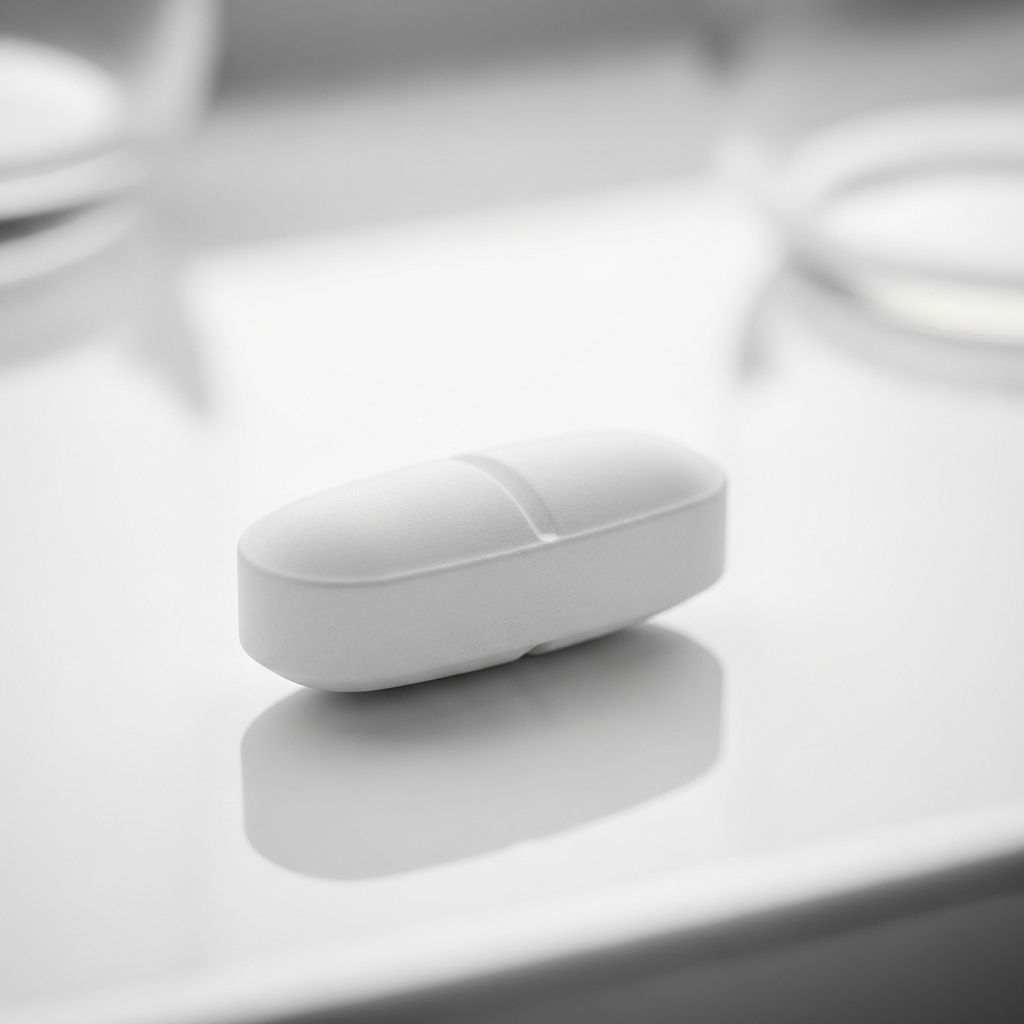
Allopurinol, commonly known by brand names such as Zyloric, Zyloprim, or Aloprim, is a xanthine oxidase inhibitor medication used to reduce high levels of uric acid in the blood and urine. It treats conditions like gout, prevents kidney stones in hyperuricosuric patients, and manages elevated uric acid during cancer therapy.
About Allopurinol Tablets
Allopurinol tablets work by inhibiting the enzyme xanthine oxidase, which is responsible for converting hypoxanthine to xanthine and xanthine to uric acid. This structural analogue of hypoxanthine slows down purine metabolism, substantially lowering serum and urinary uric acid levels within 2 to 3 days of administration.
Unlike uricosuric agents that increase uric acid excretion and risk renal complications, allopurinol blocks uric acid formation at its source, making it safer for long-term use in patients with gouty nephropathy or uric acid lithiasis.
Key Uses of Allopurinol
Allopurinol is indicated for several critical conditions related to hyperuricemia:
- Primary or secondary gout: Manages acute attacks, tophi, joint destruction, uric acid stones, and nephropathy by reducing serum uric acid below saturation levels.
- Cancer therapy support: Prevents elevations in serum and urinary uric acid in patients with leukemia, lymphoma, or malignancies undergoing chemotherapy. Discontinue once overproduction risk subsides.
- Recurrent calcium oxalate stones: In hyperuricosuric patients, 200-300 mg/day controls hyperuricosuria.
- Off-label uses: Lesch-Nyhan syndrome hyperuricemia and recurrent uric acid nephrolithiasis prevention.
It is not recommended for asymptomatic hyperuricemia due to risks outweighing benefits.
Before Taking Allopurinol
Allergies and Contraindications
Do not take if allergic to allopurinol or experiencing severe reactions like Stevens-Johnson syndrome. Inform your doctor of hypersensitivity history.
Medical Conditions to Discuss
- Kidney or liver disease: Dose adjustments needed.
- Heart conditions: Risk of cardiovascular events.
- Recent cancer therapy: Monitor for tumor lysis syndrome.
- Blood disorders: Increased myelosuppression risk with certain drugs.
Pregnancy and Breastfeeding
Use only if benefits outweigh risks; limited data available. Consult healthcare provider.
Drug Interactions
Allopurinol interacts significantly:
Drug Class Interaction Management 6-Mercaptopurine/Azathioprine Prolongs activity, risks blood disorders Reduce dose by 75%; monitor blood counts Uricosurics (e.g., probenecid) May alter effects Gradual transition; monitor uric acid Anticoagulants (warfarin) Potentiates effect Monitor INR Diuretics (thiazides) Increases hypersensitivity risk Avoid if possible How and When to Take Allopurinol
Take orally after meals with plenty of water to enhance absorption and reduce GI upset. Available as 100mg tablets (Zyloric).
- Start low: 100 mg/day, increase weekly by 100 mg until serum uric acid ≤6 mg/dL, max 800 mg/day.
- Usual maintenance: 100-400 mg/day, divided if >300 mg.
- Renal impairment: Reduce dose based on creatinine clearance.
- Continue indefinitely for chronic gout; during acute flares, co-administer colchicine or NSAIDs.
Switching from uricosurics: Taper uricosuric over weeks while ramping up allopurinol.
Dosage Guidelines
Condition Starting Dose Maintenance Dose Max Dose Gout 100 mg/day 200-300 mg/day 800 mg/day Tumor Lysis Prevention 100 mg/day Adjust to uric acid levels 800 mg/day Kidney Stones (Hyperuricosuria) 200 mg/day 200-300 mg/day 300 mg/day Side Effects of Allopurinol
Most are mild, but serious reactions occur. Common (>1%):
- Skin rash (stop immediately, may precede severe hypersensitivity).
- Gastrointestinal: Nausea, vomiting, diarrhea, gastritis.
- Neurological: Headache, drowsiness.
Serious (rare, <1%):
- Hypersensitivity syndrome: Rash, fever, hepatitis, renal failure (higher in HLA-B*5801 carriers, esp. Asian descent).
- Hematologic: Thrombocytopenia, leukopenia, eosinophilia.
- Musculoskeletal: Myopathy, arthralgias.
- Urogenital: Nephritis, hematuria.
- Hepatic: Jaundice, hepatomegaly.
Report rash, fever, or unusual symptoms urgently.
Common Questions About Allopurinol
Does allopurinol stop gout attacks?
Yes, by lowering uric acid, it prevents future attacks but may not relieve ongoing flares; use anti-inflammatories acutely.
Will allopurinol make me drowsy?
Possible but uncommon; avoid driving if affected.
How long until allopurinol works?
Uric acid drops in 2-3 days; full gout control may take weeks-months.
Can I drink alcohol on allopurinol?
Limit alcohol; it raises uric acid and risks interactions.
Does allopurinol affect blood pressure?
May slightly lower it; monitor if on antihypertensives.
Overdose and Missed Doses
Overdose: Symptoms include nausea, vomiting, diarrhea, dizziness. Seek emergency care; no specific antidote, supportive treatment.
Missed dose: Take as soon as remembered unless near next dose; do not double.
Storage and Disposal
Store at room temperature, away from moisture/light. Dispose unused via pharmacy take-back.
Monitoring and Follow-Up
Regular blood tests for uric acid, liver/kidney function, CBC. Titrate dose to maintain uric acid <6 mg/dL.
In cancer patients, monitor during therapy.
Lifestyle Advice with Allopurinol
- Stay hydrated: 2-3 liters water/day to prevent stones.
- Diet: Limit purine-rich foods (red meat, seafood), alcohol, sugary drinks.
- Weight management and exercise aid uric acid control.
References
- ZYLOPRIM (allopurinol) Label — U.S. Food and Drug Administration. 2018-05-01. https://www.accessdata.fda.gov/drugsatfda_docs/label/2018/016084s044lbl.pdf
- Zyloric Tablets 100mg Patient Information Leaflet — electronic Medicines Compendium (emc). 2023. https://www.medicines.org.uk/emc/product/1312/pil
- Allopurinol (oral route) Description — Mayo Clinic. 2024-01-15. https://www.mayoclinic.org/drugs-supplements/allopurinol-oral-route/description/drg-20075476
- Allopurinol: Uses, Interactions, Mechanism of Action — DrugBank. 2024. https://go.drugbank.com/drugs/DB00437
- Allopurinol Tablets — Cleveland Clinic. 2023-11-20. https://my.clevelandclinic.org/health/drugs/18127-allopurinol-tablets
- Allopurinol – StatPearls — NCBI Bookshelf / StatPearls Publishing. 2023-07-17. https://www.ncbi.nlm.nih.gov/books/NBK499942/
Similar Articles








Read full bio of medha deb