Allulose Benefits: A Healthier Sugar Alternative
Discover how allulose supports blood sugar control, weight management, and metabolic health.
Allulose Benefits: A Healthier Sugar Alternative Explained
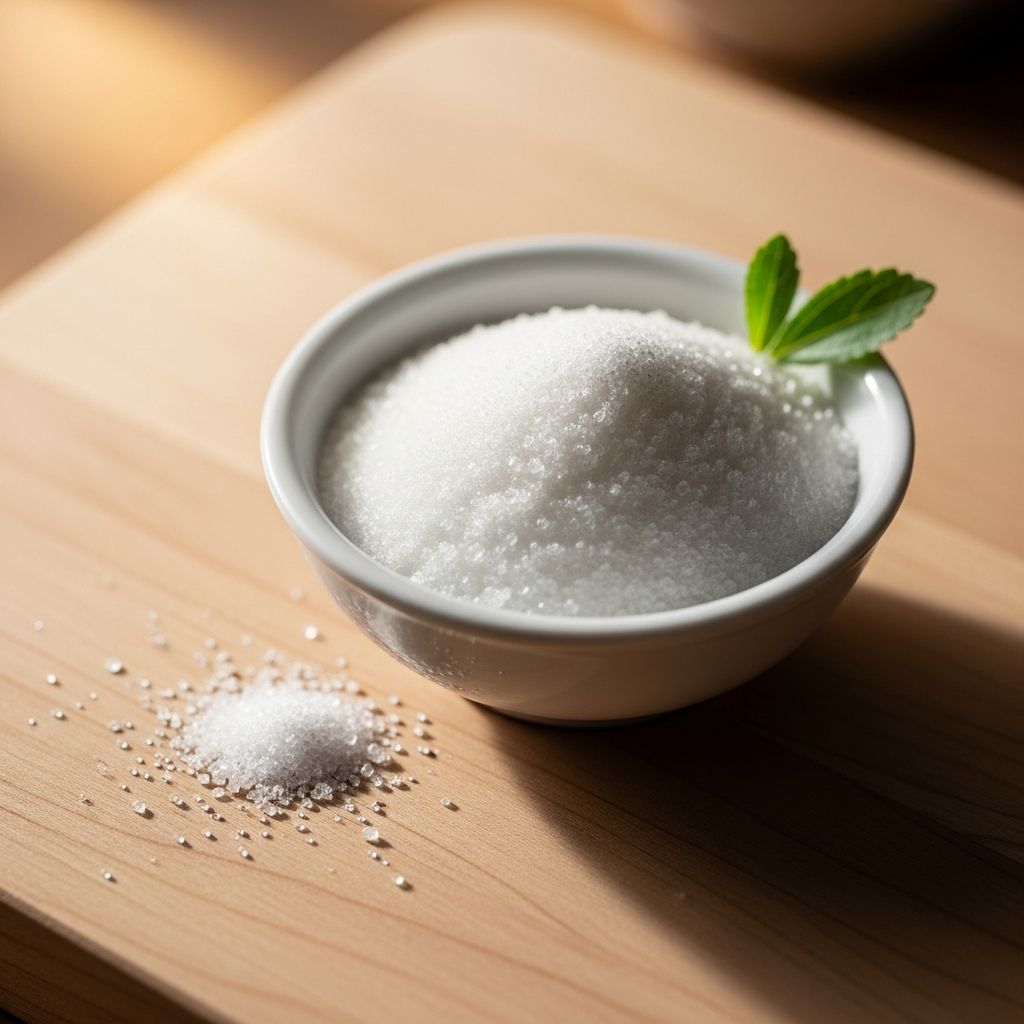
As rates of type 2 diabetes and obesity continue to rise globally, researchers are exploring innovative dietary interventions to help manage these conditions. One promising candidate is allulose, a
rare sugar that tastes remarkably similar to table sugar
but may offer significant health benefits without the metabolic drawbacks of traditional sweeteners. Unlike conventional sugars, allulose is largely absorbed by the small intestine and excreted without being fully metabolized, making it alow-calorie alternative to sucrose and high-fructose corn syrup
.Allulose has garnered attention from researchers and health professionals alike due to its potential to support blood sugar regulation, promote weight loss, and improve overall metabolic health. The FDA has granted allulose “Generally Recognized as Safe” status, making it an increasingly accessible option for consumers seeking healthier sweetening solutions.
What Is Allulose?
Allulose is a
monosaccharide, or simple sugar, that occurs naturally in small amounts in foods
like raisins, figs, and maple syrup. However, it is rare in nature and expensive to extract, so manufacturers have developed enzyme-based methods to convert fructose into allulose on a larger scale. This production advancement has made allulose more commercially viable and accessible to consumers.The structure of allulose is nearly identical to fructose, yet it behaves differently in the body. Because allulose is not fully metabolized by the body, it provides approximately
90% fewer calories than an equivalent amount of sugar
—making it an attractive option for individuals monitoring their caloric intake.Blood Sugar Regulation and Diabetes Management
One of the most significant potential benefits of allulose is its ability to
help regulate blood glucose levels without triggering insulin spikes
. This property makes allulose particularly valuable for individuals with diabetes or those at risk of developing the condition.How Allulose Affects Glucose Levels: Several animal studies have demonstrated that allulose may lower blood sugar, increase insulin sensitivity, and decrease the risk of type 2 diabetes by protecting the insulin-producing beta cells of the pancreas. In one rat study comparing the effects of allulose, cellulose, and a commercial diet in animals with insulin resistance, the allulose group showed improved insulin sensitivity after just 7 weeks.
Early research in humans also supports these findings. In one study involving 30 participants without diabetes, those who received a 50-gram dose of allulose following sucrose consumption experienced significantly lower blood sugar levels after 30 minutes compared to a placebo group. While this difference was not maintained at later time points, the initial reduction suggests allulose may help moderate post-meal blood sugar spikes.
A more recent 12-week study in a rat model of diet-induced obesity and type 2 diabetes found that
allulose supplementation improved insulin resistance and glycemic control
. The allulose group exhibited lower food consumption and increased levels of glucagon-like peptide-1 (GLP-1), a hormone that enhances glucose regulation and appetite control.Related Stories



Although research is limited and additional studies involving humans with diabetes and prediabetes are needed, the existing evidence is encouraging and suggests that allulose could become a valuable tool for managing blood sugar levels.
Weight Loss and Fat Reduction
Beyond blood sugar control, emerging research suggests that allulose may support
weight management and fat loss, particularly visceral fat
—the type of fat tissue strongly linked to heart disease and other chronic health conditions.Research on Body Weight and Fat Loss: In a 12-week study with 121 Korean adults, participants took either 4 or 7 grams of allulose or a placebo twice daily. The group taking the larger dose (7 grams) demonstrated a
significant decrease in body fat percentage and mass, including abdominal fat
. These results are particularly noteworthy because abdominal fat is metabolically active and contributes disproportionately to health risks.A smaller study involving 13 healthy adults found that consuming 5 grams of allulose before a meal appeared to
improve energy metabolism after eating
, which could support weight management efforts. Additionally, a longer-term human study with 90 participants taking 5 to 15 grams of allulose daily for up to 48 weeks showed improvements in metabolic markers and body composition.Animal studies have yielded even more dramatic results. In one mouse study, obese animals given allulose showed reduced total fat mass without implementing exercise or restrictive diets. The mechanisms behind these benefits likely involve allulose’s effects on appetite hormones, energy metabolism, and mitochondrial function in adipose tissue.
Liver Health and Fatty Liver Disease Prevention
Fatty liver disease, or hepatic steatosis, is increasingly common and strongly linked to insulin resistance and type 2 diabetes. Research suggests that allulose may offer
protective effects against fat accumulation in the liver
.Fatty Liver and Allulose: Studies in rodents have found that allulose not only helps prevent weight gain but also appears to reduce fat storage in the liver. In one mouse study with obese animals, those given allulose showed lower total fat mass and significantly decreased liver fat after 15 weeks—without any changes in exercise or diet.
A human study with 90 participants taking allulose at doses of 5 to 15 grams daily for up to 48 weeks found improvements in fatty liver scores. A recent 12-week study in a rat model revealed that
allulose prevented liver triglyceride accumulation
, while a comparison group receiving stevia showed elevated liver function tests.These findings are particularly important because fatty liver disease can progress silently, and effective dietary interventions are limited. Although more controlled human studies are needed, the current evidence suggests allulose may help protect liver health.
Anti-Inflammatory Properties and Chronic Disease Prevention
Beyond its direct metabolic effects, early research indicates that
allulose possesses anti-inflammatory properties
that may contribute to broader health benefits. Chronic inflammation is implicated in many age-related diseases, including heart disease, type 2 diabetes, and certain cancers.By reducing systemic inflammation and supporting improved metabolic markers, allulose may help lower the risk of developing various chronic diseases. However, most of this research remains preliminary, and further human studies are necessary to fully understand allulose’s anti-inflammatory mechanisms and long-term effects.
Muscle Health and Body Composition
An often-overlooked concern when weight loss occurs is the potential loss of muscle mass. Some research suggests that allulose may help
preserve lean muscle tissue while promoting fat loss
, which is important for maintaining metabolic health.In the mouse obesity study mentioned earlier, allulose significantly decreased liver and belly fat while simultaneously preventing the loss of lean muscle mass. This is a valuable finding because muscle tissue is metabolically active and important for maintaining healthy weight and functional capacity as we age.
Dental Health Benefits
Unlike traditional sugar, allulose offers
additional benefits for oral health
. Because allulose is not metabolized in the mouth, it doesn’t contribute to tooth decay, making it a better choice than sugar for dental health. This characteristic aligns with other sugar substitutes but sets it apart from table sugar and other conventional sweeteners.Safety Profile and FDA Approval
Allulose has received the
”Generally Recognized as Safe” (GRAS) designation from the Food and Drug Administration (FDA)
, making it an approved food ingredient in the United States. In the human study involving 90 participants taking allulose for 48 weeks at doses of 5 to 15 grams daily, the sweetener was not associated with any negative effects.This safety profile, combined with the growing body of research supporting its metabolic benefits, positions allulose as a promising option for consumers seeking to reduce their sugar intake without sacrificing taste or experiencing adverse health effects.
How to Use Allulose
Allulose can be incorporated into your diet in several practical ways:
- As a
1:1 sugar replacement
in beverages like coffee, tea, and smoothies - Added to breakfast foods such as oatmeal, yogurt, and cereal
- Used as a sweetener in beverages and beverages at doses of 5 to 15 grams daily
- Consumed before meals to potentially help moderate post-meal blood sugar spikes
- As a component of allulose-enriched foods and commercial products
Allulose vs. Other Sweeteners: A Comparison
| Sweetener | Calories per Gram | Blood Sugar Impact | Tooth Decay Risk | Research Support |
|---|---|---|---|---|
| Allulose | 0.4 (90% fewer than sugar) | Minimal to none | No | Growing body of research |
| Table Sugar | 4 | Rapid spike | Yes | Well-established risks |
| Stevia | 0 | Minimal to none | No | Generally safe |
| Aspartame | 4 (but used in tiny amounts) | Minimal | No | Extensively studied |
| Sucralose | 0 | Minimal | No | Generally safe |
What the Research Shows About Long-Term Effects
While the short-term safety and efficacy data for allulose are promising, it’s important to note that
long-term human studies are still limited
. Most published research has focused on animal models or short-term human trials lasting weeks to a few months.The longest human study to date involved 90 participants consuming allulose for 48 weeks, which demonstrated both safety and continued metabolic benefits. However, more extended studies in diverse populations are needed to fully understand allulose’s long-term effects on metabolic health, bone density, and other physiological parameters.
Researchers emphasize that while allulose shows promise as a
functional dietary addition that could improve metabolic health outcomes without forcing difficult dietary changes
, further investigation is warranted to explore its long-term implications and optimal use in dietary strategies.Frequently Asked Questions (FAQs)
Q: Is allulose safe for people with diabetes?
A: Yes, allulose is particularly safe for individuals with diabetes because it does not raise blood sugar or insulin levels. In fact, research suggests it may help improve blood glucose regulation and insulin sensitivity. However, individuals with diabetes should consult their healthcare provider before making significant dietary changes.
Q: How much allulose should I consume daily?
A: Studies have used doses ranging from 4 to 15 grams daily without adverse effects. The most commonly studied doses in human research are 5 to 7 grams twice daily. You can use allulose as a 1:1 replacement for sugar in most applications.
Q: Can allulose help with weight loss?
A: Research suggests allulose may support weight loss and fat reduction, particularly visceral and abdominal fat. In a 12-week study, participants consuming 7 grams twice daily showed significant decreases in body fat percentage and mass. However, allulose should be combined with a balanced diet and regular physical activity for optimal results.
Q: Does allulose cause digestive issues?
A: Unlike some other sugar substitutes, allulose has not been associated with significant digestive side effects in the research to date. The doses studied (up to 15 grams daily for 48 weeks) were well-tolerated without negative effects.
Q: How does allulose taste compared to sugar?
A: Allulose tastes remarkably similar to table sugar, making it a practical substitute in beverages and foods. This similarity in taste is one reason it’s gaining popularity as a sugar replacement.
Q: Is allulose approved by the FDA?
A: Yes, allulose has received “Generally Recognized as Safe” (GRAS) status from the FDA, making it an approved food ingredient in the United States.
Q: Can allulose protect liver health?
A: Research in both animals and humans suggests that allulose may prevent fatty liver disease by reducing fat accumulation in the liver. A 48-week human study showed improvements in fatty liver scores with allulose supplementation.
Q: How does allulose compare to other sugar substitutes?
A: Allulose differs from other sweeteners because it provides a small amount of calories (0.4 per gram vs. 4 for sugar) and has demonstrated metabolic benefits beyond simple sweetness. Unlike some artificial sweeteners, allulose is derived from naturally occurring sugars and may offer additional health advantages.
The Future of Allulose Research
As obesity and type 2 diabetes continue to impact global health, allulose represents a
promising avenue for dietary intervention
. The current evidence suggests that allulose could help individuals manage blood sugar levels, reduce body weight and fat mass, protect liver health, and potentially reduce the risk of chronic diseases.Future research should focus on longer-term studies in diverse populations, exploration of optimal dosing strategies, and elucidation of the mechanisms by which allulose exerts its metabolic effects. Additional investigation into allulose’s potential to prevent type 2 diabetes in prediabetic populations and its effects on other health markers will further clarify its role in clinical nutrition.
For individuals seeking to reduce their sugar consumption while maintaining dietary satisfaction, allulose offers a
science-backed alternative
with a strong safety profile and growing evidence of health benefits. As research continues to expand, allulose may become an increasingly important tool in the dietary management of metabolic health.References
- Allulose: What It Is, Benefits, Risks, and More — Healthline. 2024. https://www.healthline.com/nutrition/allulose
- The Metabolic and Endocrine Effects of a 12-Week Allulose-Rich Diet — National Center for Biotechnology Information. 2024. https://pmc.ncbi.nlm.nih.gov/articles/PMC11207032/
- Allulose in human diet: the knowns and the unknowns — British Journal of Nutrition, Cambridge University Press. https://www.cambridge.org/core/journals/british-journal-of-nutrition/article/allulose-in-human-diet-the-knowns-and-the-unknowns/74020152A1262DF4D7942A4DB54B6E37
- Is Allulose the Perfect Sweetener? — University Hospitals. 2024. https://www.uhhospitals.org/blog/articles/2024/03/is-allulose-the-perfect-sweetener
- Is allulose a healthy sugar substitute? — MD Anderson Cancer Center. https://www.mdanderson.org/cancerwise/is-allulose-a-healthy-sugar-substitute.h00-159779601.html
Similar Articles








Read full bio of Sneha Tete