Almond Butter vs Peanut Butter: Which Is Healthier?
Compare almond and peanut butter nutrition, benefits, and which one suits your dietary goals best.
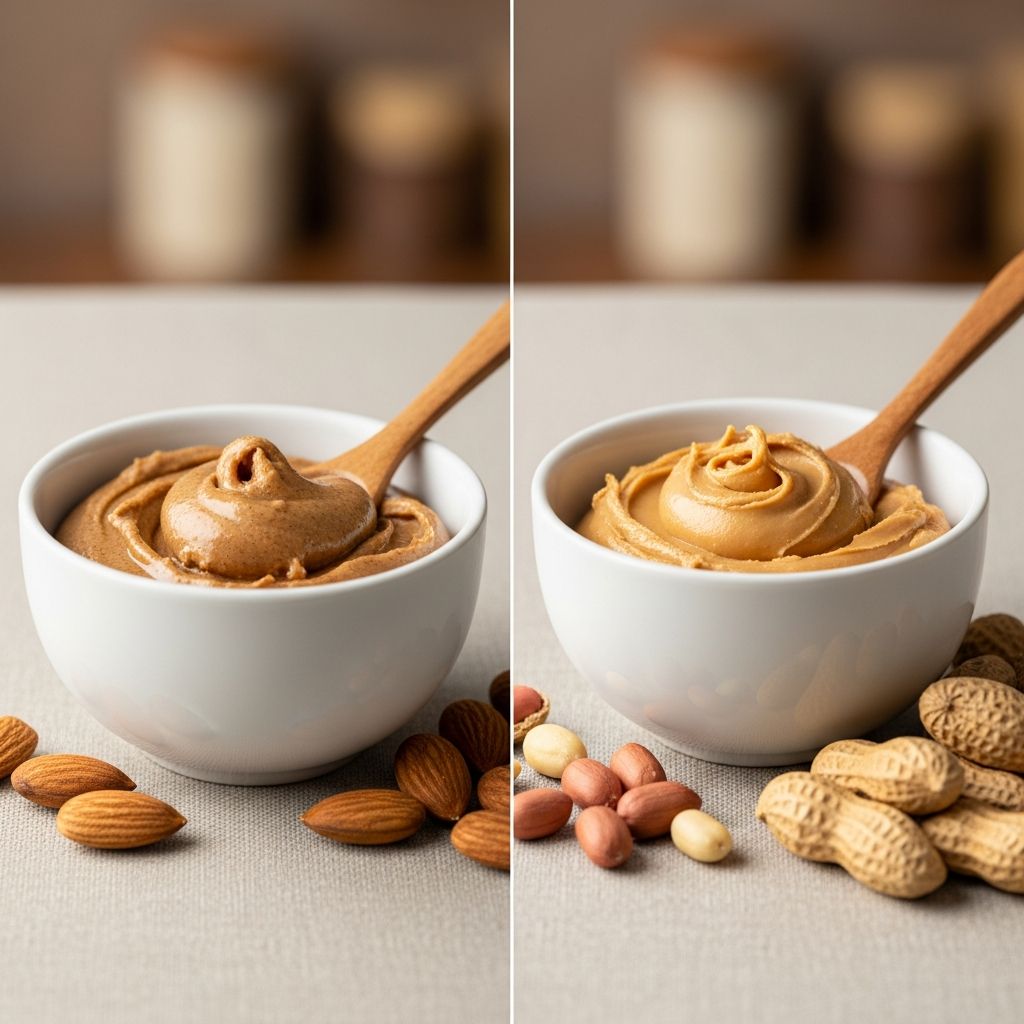
When it comes to choosing a nutritious spread for your breakfast toast or smoothie bowl, the choice between almond butter and peanut butter can be surprisingly complex. Both are popular plant-based options packed with nutrients, healthy fats, and protein, yet they offer distinct nutritional profiles that may make one better suited to your individual health goals than the other. Understanding the key differences between these two beloved nut butters can help you make an informed decision about which one belongs in your pantry.
Almond Butter and Peanut Butter Nutrition Comparison
At first glance, almond butter and peanut butter appear remarkably similar in their nutritional makeup. However, a closer examination reveals some significant differences that might influence your choice depending on your dietary priorities.
Almond Butter Nutrition Facts
According to the U.S. Department of Agriculture (USDA), two tablespoons of smooth almond butter contains approximately:
- Calories: 201
- Protein: 7 g
- Total Fat: 17.5 g
- Saturated fat: 1.4 g
- Carbohydrate: 7 g
- Fiber: 3 g
- Notable nutrients: magnesium, potassium, zinc, calcium, iron, and vitamin E
Peanut Butter Nutrition Facts
According to the USDA, two tablespoons of creamy peanut butter contains approximately:
- Calories: 196
- Protein: 8 g
- Total Fat: 16 g
- Saturated fat: 2.8 g
- Carbohydrate: 7.5 g
- Fiber: 2 g
- Notable nutrients: magnesium, potassium, zinc, selenium, vitamin B6, folate, and biotin
Nutritional Comparison Table
| Nutrient | Almond Butter (2 tbsp) | Peanut Butter (2 tbsp) |
|---|---|---|
| Calories | 201 | 196 |
| Protein | 7 g | 8 g |
| Total Fat | 17.5 g | 16 g |
| Saturated Fat | 1.4 g | 2.8 g |
| Carbohydrate | 7 g | 7.5 g |
| Fiber | 3 g | 2 g |
Vitamins and Minerals: Key Differences
When examining micronutrients, the differences between almond butter and peanut butter become more pronounced. Almond butter contains five times more calcium, over two times more iron, three times more vitamin E, and greater amounts of magnesium, potassium, and copper compared to peanut butter. These minerals play crucial roles in bone health, oxygen transport, immune function, and muscle regulation.
Conversely, peanut butter has its own micronutrient advantages. Peanut butter contains 25 times more selenium than almond butter, four times more vitamin B6, two times more folate, and 1.5 times more biotin. Selenium is particularly important for thyroid function, reproduction, fighting infection, and maintaining overall health. The B vitamins in peanut butter support energy metabolism and mood regulation.
Protein Content: Which Provides More?
Both almond and peanut butter are excellent sources of plant-based protein. However, peanut butter takes the lead with 8 grams of protein per two-tablespoon serving compared to almond butter’s 7 grams. This slight edge makes peanut butter particularly appealing for individuals focused on muscle building, athletic performance, and workout recovery. The additional protein also contributes to greater satiety, helping you feel fuller for longer and potentially supporting weight management goals.
For those seeking maximum protein intake from nut butters, peanut butter is the winner in this category. However, the difference is minimal, and both options provide substantial protein for a plant-based food.
Related Stories



Fat Composition and Heart Health
The type of fat in nut butters matters as much as the quantity. Peanut butter contains double the amount of saturated fat (2.8 g) compared to almond butter (1.4 g) per two-tablespoon serving, while almond butter contains slightly more monounsaturated fat (11.5 g versus 10.2 g). For individuals monitoring saturated fat intake for medical reasons, almond butter may be the more prudent choice when consumed as part of a plant-rich diet.
An important consideration is cholesterol content. Both peanut butter and almond butter are typically cholesterol-free, making them smart choices for heart health. Since cholesterol is only found in animal products, and both nut butters are plant-based, they naturally contain no dietary cholesterol regardless of added ingredients like palm oil.
Almond butter also has a slight edge in omega-3 fatty acids, which may offer brain-boosting and heart-protecting benefits. These essential fatty acids are crucial for cardiovascular health and cognitive function, making almond butter advantageous for those prioritizing these benefits.
Fiber Content Comparison
Almonds beat peanut butter in the fiber category with 3 grams of fiber per two tablespoons compared to 2 grams in peanut butter. While this difference may seem modest, that additional gram of fiber supports digestive health, helps maintain stable blood sugar levels, and contributes to overall wellness. Fiber also promotes satiety, helping you feel satisfied longer after consumption.
Winner: Almond butter for fiber content.
Health Benefits of Each Nut Butter
Almond Butter Benefits
Almond butter is rich in monounsaturated fats, magnesium, and vitamin E, creating a powerful combination for promoting heart health, building strong bones, and maintaining healthy skin. The high vitamin E content—providing about 45% of the daily recommended intake per serving—makes almond butter excellent for antioxidant protection and skin health. The magnesium content supports muscle function, bone density, and nervous system health.
Peanut Butter Benefits
Peanut butter serves as an energy powerhouse with its higher protein content and abundant B vitamins, including niacin, folate, B5, and B6. These nutrients are essential for maintaining a functional metabolism and stable energy levels throughout the day. Studies have linked peanut consumption to a lower risk of cardiovascular disease, and the selenium content supports immune function and thyroid health. The protein and fiber content in peanut butter may also support weight management when consumed in moderation.
Is Almond Butter Healthier Than Peanut Butter?
The question of which nut butter is healthier doesn’t have a one-size-fits-all answer. When examining macronutrients, almond butter and peanut butter are very comparable, with peanuts containing slightly higher protein while almonds provide slightly higher fiber content. The ideal choice depends on your individual dietary needs, health goals, and any allergies or preferences you may have.
Choose almond butter if you:
- Prioritize vitamin E, magnesium, and overall antioxidant protection
- Seek a better omega-3 to omega-6 fatty acid balance
- Want to minimize saturated fat intake
- Have a peanut allergy
- Prefer higher fiber content
Choose peanut butter if you:
- Want maximum protein for muscle building and athletic performance
- Seek to maintain stable energy and metabolism
- Prefer a more affordable option
- Enjoy the taste and texture of peanut butter
- Are not allergic to peanuts
Which Has Better Fats?
Almond butter wins the healthy fats category due to its higher monounsaturated fat content and better omega-3 to omega-6 balance. However, both nut butters provide healthy fats that support heart and brain health. The key is understanding your dietary priorities and any specific health concerns.
Frequently Asked Questions
Q: Can people with nut allergies eat either of these butters?
A: People with peanut allergies can enjoy almond butter as an alternative. However, those with tree nut allergies should avoid almond butter. Always consult with an allergist before introducing new foods if you have known nut allergies.
Q: Which nut butter is better for weight loss?
A: Both are calorie-dense options, but peanut butter’s higher protein content may support greater satiety, potentially aiding weight management. The key is portion control and consuming either in moderation as part of a balanced diet.
Q: Is natural nut butter better than conventional varieties?
A: Natural nut butters without added sugars, oils, or preservatives tend to be more nutritious. However, both natural and conventional varieties can be part of a healthy diet when chosen carefully and consumed in appropriate portions.
Q: How much nut butter should I eat per day?
A: The recommended serving size is typically two tablespoons per day. This provides substantial nutritional benefits while keeping calorie intake in check. Those with specific health conditions should consult with a healthcare provider or registered dietitian for personalized recommendations.
Q: Can I alternate between almond and peanut butter?
A: Yes, alternating between the two allows you to benefit from the unique nutritional profiles of each. This approach provides a broader range of vitamins, minerals, and nutrients while adding variety to your diet.
Q: Are there any additives I should avoid in nut butters?
A: Look for products with minimal ingredients. Avoid varieties with added hydrogenated oils, excessive sugar, or artificial additives. Reading nutrition labels carefully helps you choose the most wholesome option.
Making Your Choice
Both almond butter and peanut butter offer impressive nutritional benefits and can be valuable additions to a healthy diet. Your choice should be guided by your specific health goals, nutritional needs, taste preferences, and any dietary restrictions. Some people find that incorporating both into their diet allows them to enjoy the unique benefits each offers. Whether you’re spreading your favorite nut butter on toast, blending it into smoothies, or using it in recipes, you’re making a nutritious choice that supports overall wellness.
References
- Almond butter vs. peanut butter: experts on which is healthier — Women’s Health Magazine. 2024. https://www.womenshealthmag.com/uk/food/a62762856/almond-butter-vs-peanut-butter/
- Almond Butter vs Peanut Butter | Benefits — Scripps AMG Health. 2024. https://scrippsamg.com/almond-butter-vs-peanut-butter-which-one-is-healthier/
- Is Peanut Butter or Almond Butter More Nutritious? — Big Spoon Roasters. 2024. https://bigspoonroasters.com/blogs/blog/peanut-butter-or-almond-butter
Similar Articles








Read full bio of medha deb