Almond Milk Health Benefits: 9 Evidence-Based Perks
Discover the top health benefits of almond milk, from weight management to heart health and more.
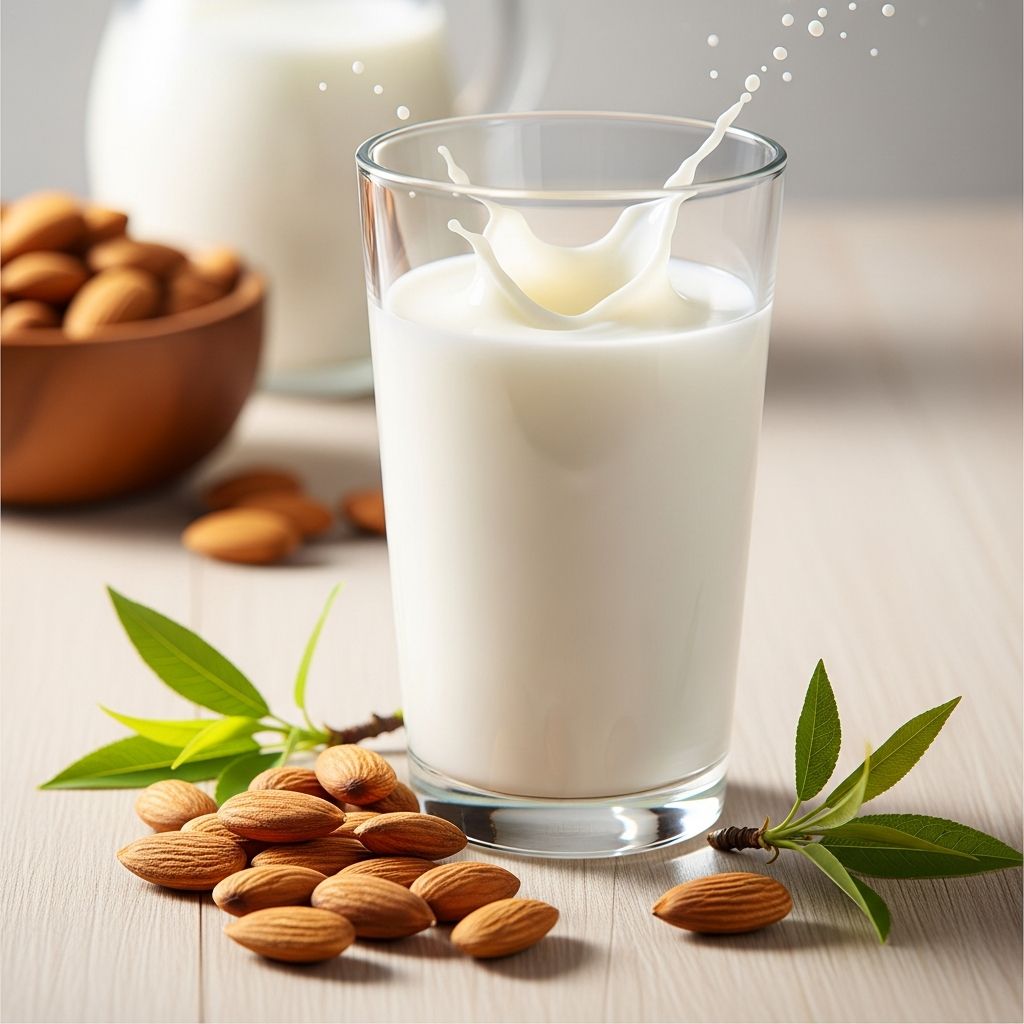
Almond milk has surged in popularity as a versatile, plant-based alternative to dairy milk, offering a creamy texture and nutty flavor suitable for coffee, smoothies, cereals, and recipes. Made from ground almonds and water, it’s naturally low in calories and appeals to vegans, those with lactose intolerance, or anyone seeking dairy-free options. But beyond taste, almond milk delivers notable health benefits backed by nutrition science. Fortified versions often include calcium, vitamin D, and vitamin E, mimicking dairy’s nutrient profile while providing unique advantages like high antioxidant content. This article dives into its nutritional value, key benefits, potential downsides, and practical tips.
What Is Almond Milk?
Almond milk is a non-dairy beverage produced by blending almonds with water, then straining the mixture to remove pulp. Homemade versions are simple: soak almonds overnight, blend with water, strain through cheesecloth, and store. Commercial products vary, with unsweetened types staying closest to natural composition and sweetened or flavored ones adding sugars or thickeners. Unlike cow’s milk, it’s free from lactose, cholesterol, and saturated fats, making it lighter at about 30-50 calories per cup compared to dairy’s 100-150. Its mild taste pairs well with both sweet and savory dishes, and fortification ensures it supports bone health without animal products.
Almond Milk Nutrition Facts
A typical 1-cup (240ml) serving of unsweetened almond milk provides a nutrient-dense, low-calorie profile. Here’s a breakdown:
| Nutrient | Amount per 1 Cup | % Daily Value* |
|---|---|---|
| Calories | 30-40 | 2% |
| Total Fat | 2.5g | 3% |
| Saturated Fat | 0g | 0% |
| Carbohydrates | 1g | <1% |
| Protein | 1g | 2% |
| Calcium (fortified) | 450mg | 35% |
| Vitamin E | 7.8mg | 52% |
| Vitamin D (fortified) | 100 IU | 25% |
| Potassium | 160mg | 3% |
| *Based on a 2,000-calorie diet. Values vary by brand; check labels. | ||
It’s low in carbs and protein but excels in healthy fats and vitamin E, an antioxidant not abundant in dairy. Fortified options bridge gaps in calcium and vitamin D, essential for bones. Compared to other plant milks like soy or oat, almond milk has fewer carbs, aiding low-glycemic diets.
Top 9 Health Benefits of Almond Milk
1. Supports Heart Health
Almond milk promotes cardiovascular wellness through its nutrient profile. Regular almond consumption, as in almond milk, improves lipid profiles by lowering LDL cholesterol and boosting HDL functionality, reducing oxidative stress via vitamin E. A review notes plant-based milks like almond alternatives to dairy have no adverse cardiometabolic effects and may enhance inflammation markers, blood pressure, and lipids. The absence of cholesterol and saturated fats, plus monounsaturated fats from almonds, supports artery health. Studies on almonds show doses of 50-100g daily lower total cholesterol and LDL, benefits extendable to almond milk. Endothelial function improves, aiding vasodilation and blood pressure control.
2. Excellent Source of Vitamin E
One cup delivers over 50% of the daily vitamin E needs, a potent antioxidant combating inflammation and oxidative stress. Vitamin E protects cells from free radical damage, potentially lowering risks of heart disease, cancers, cataracts, macular degeneration, and cognitive decline like Alzheimer’s. Almonds’ α-tocopherol enhances vascular function and prevents LDL oxidation, a atherosclerosis precursor. This makes almond milk superior for antioxidant support compared to dairy.
3. Aids Weight Management
At half the calories of cow’s milk, almond milk fits calorie-controlled diets seamlessly. Swapping high-calorie dairy for almond reduces intake without sacrificing creaminess. Almonds promote satiety, reduce energy absorption, and improve gut microbiota for better weight control. Studies link almond intake to lower body fat and obesity risk via fiber, healthy fats, and higher diet quality. Daily use in meals supports sustainable weight loss.
Related Stories



4. Low in Carbohydrates
Unsweetened almond milk has about 1g carbs per cup, ideal for keto, low-carb, or diabetic diets. It stabilizes blood glucose better than higher-carb milks like oat. Almonds aid glycemic control through MUFAs, fiber, and antioxidants, reducing T2DM risks. Low sugar content keeps glucose in check.
5. Provides Calcium for Bone Health
Fortified almond milk offers 30-45% DV calcium per cup, matching dairy for bone maintenance and fracture prevention. Combined with vitamin D, it supports absorption, crucial for osteoporosis risk reduction in older adults. Non-fortified homemade versions need dietary calcium supplements.
6. Naturally Lactose-Free
Perfect for the 57-65% of adults with lactose intolerance, almond milk causes no digestive issues like bloating or diarrhea. It’s a seamless dairy swap without sacrificing nutrition.
7. May Improve Skin Health
Swapping dairy for almond milk may reduce acne, as dairy links to breakouts in studies. Vitamin E clears skin-damaging free radicals, promoting clearer complexion.
8. Supports Gut Health
Almonds foster beneficial gut bacteria linked to metabolic health and weight management. Prebiotic effects from fiber enhance microbiome diversity.
9. Versatile for Various Diets
Vegan-friendly, nut-allergy alternatives exist, and it’s kidney-disease suitable due to low phosphorus/potassium unless fortified heavily.
Almond Milk vs. Dairy Milk
| Aspect | Almond Milk (Unsweetened, 1 Cup) | Cow’s Milk (1 Cup) |
|---|---|---|
| Calories | 30-40 | 100-150 |
| Protein | 1g | 8g |
| Carbs | 1g | 12g |
| Fat | 2.5g (unsaturated) | 5g (some saturated) |
| Vitamin E | High | Low |
| Calcium (fortified) | 450mg | 300mg |
| Lactose | None | 12g |
| Cholesterol | 0mg | 20mg |
Almond milk wins on calories, carbs, and antioxidants; dairy leads in protein. Choose based on needs.
Potential Downsides of Almond Milk
- Low Protein: Only 1g per cup; pair with protein sources.
- Added Sugars: Flavored types spike calories/carbs; opt for unsweetened.
- Nut Allergies: Avoid if allergic; try oat/soy.
- Environmental Impact: Almond farming water-intensive, but sustainable brands exist.
- Oxalates: May hinder calcium absorption in excess; moderate intake.
How to Choose the Best Almond Milk
- Pick unsweetened for minimal additives.
- Check fortification for calcium/vitamin D.
- Review ingredients: short lists with almonds, water, salts best.
- Opt for organic or non-GMO.
- Shake well; minimal separation ideal.
How to Make Almond Milk at Home
- Soak 1 cup raw almonds in water overnight.
- Drain, blend with 4 cups fresh water.
- Strain through nut bag or cheesecloth.
- Flavor optionally with vanilla/dates.
- Store refrigerated up to 4 days; fortify if desired.
Homemade avoids preservatives, controls sweetness.
Delicious Ways to Use Almond Milk
- Smoothies: Blend with fruits, spinach, protein powder.
- Coffee/Tea: Froth for lattes.
- Cereal/Oatmeal: Creamy topping.
- Baking: Sub 1:1 for dairy.
- Soups/Sauces: Thickens without dairy.
- Ice Cream: Base for vegan treats.
Frequently Asked Questions
Is almond milk good for you?
Yes, it’s low-calorie, rich in vitamin E, supports heart health, and suits lactose-intolerant diets when fortified.
Is almond milk healthier than dairy milk?
For weight loss and low carbs, yes; dairy better for protein. Depends on goals.
Can I drink almond milk every day?
Absolutely, in moderation as part of balanced diet; vary sources for complete nutrition.
Does almond milk cause inflammation?
No evidence; its antioxidants reduce it.
Is almond milk keto-friendly?
Unsweetened yes, very low carb.
References
- 11 Health Benefits of Almond Milk, and How to Make It — Healthline. 2023-10-12. https://www.healthline.com/nutrition/almond-milk-health-benefits
- The Effects of Almond Consumption on Cardiovascular Health and Gut Microbiome — PMC (NCBI). 2024-06-15. https://pmc.ncbi.nlm.nih.gov/articles/PMC11207051/
- Almond Milk: Should You Drink It? — Time Magazine. 2015-04-22. https://time.com/3677300/almond-milk-nutrition/
Similar Articles








Read full bio of medha deb