Almonds vs. Pistachios: Key Nutritional Benefits Compared
Discover which nut reigns supreme in nutrition, health benefits, and taste—almonds or pistachios?
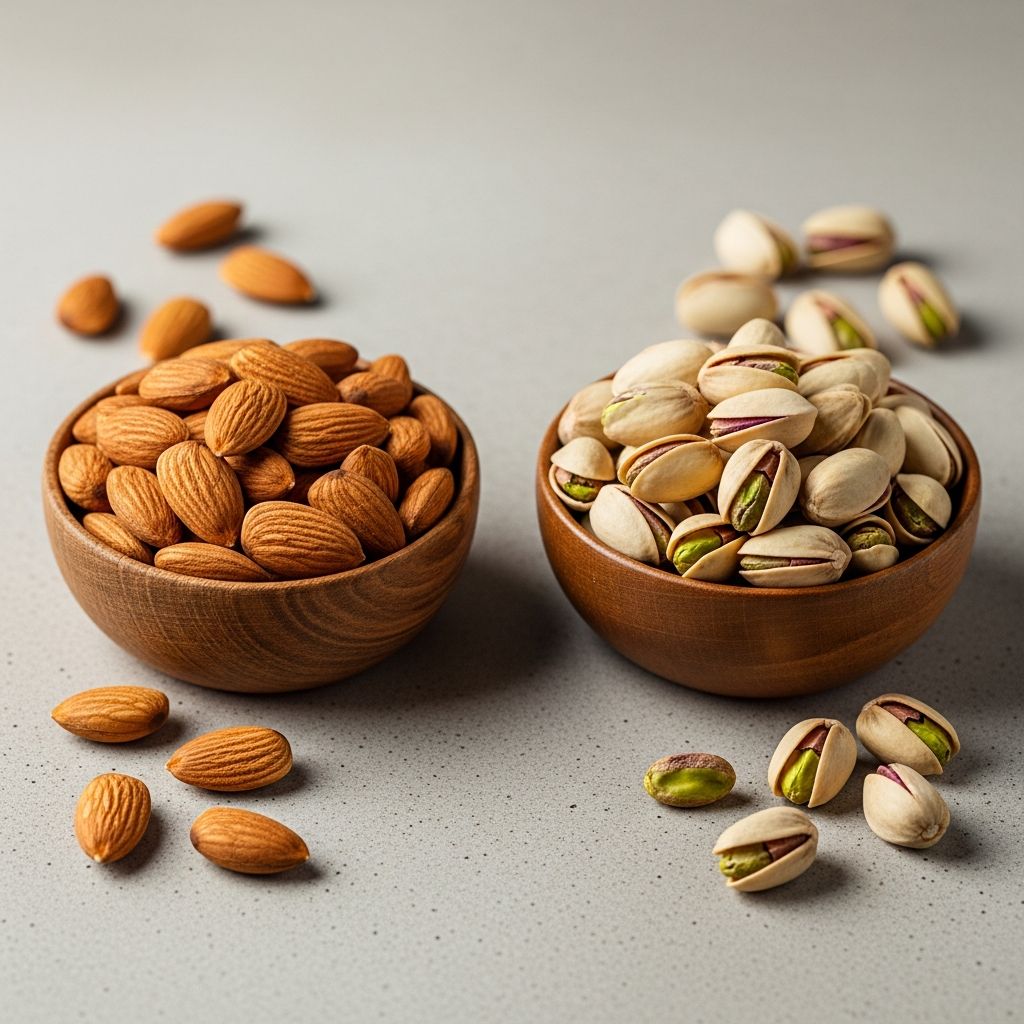
Almonds and pistachios are two of the most popular tree nuts, packed with nutrients that support heart health, diabetes management, and overall wellness. Both offer healthy fats, protein, and fiber, but they differ in key vitamins, minerals, and health impacts, making the choice depend on specific dietary needs.
Almonds vs. Pistachios: Quick Nutrition Comparison
Per 100g serving of raw nuts, almonds provide 579 calories, while pistachios offer 560 calories. Almonds edge out in
vitamin E
,magnesium
,calcium
,zinc
,fiber
, and have a glycemic index of 0. Pistachios lead invitamin B6
(12 times more than almonds),potassium
,copper
,vitamin B1
, and polyunsaturated fats.| Nutrient (per 100g) | Almonds | Pistachios | Winner |
|---|---|---|---|
| Calories | 579 | 560 | Pistachios |
| Protein | 21g | 20g | Almonds |
| Fiber | 12g | 10g | Almonds |
| Vitamin E | 25.6mg | 2.86mg | Almonds |
| Vitamin B6 | 0.137mg | 1.7mg | Pistachios |
| Magnesium | 270mg | 121mg | Almonds |
| Potassium | 733mg | 1025mg | Pistachios |
| Calcium | 269mg | 105mg | Almonds |
This table highlights almonds’ strength in bone-supporting minerals like calcium and magnesium, while pistachios excel in electrolytes like potassium for blood pressure regulation.
Health Benefits of Almonds
Almonds are renowned for their high
vitamin E
content, acting as a powerful antioxidant that protects cells from oxidative stress. They also provide moremonounsaturated fats
, similar to olive oil, which support heart health.- Heart Health: Almond intake may reduce diastolic blood pressure, with peptides that inhibit ACE enzymes like certain blood pressure medications.
- Bone Health: Higher calcium (156% more than pistachios) and magnesium promote bone density.
- Diabetes Management: Almonds improve insulin levels and glycemic control in type 2 diabetes patients due to their low glycemic index and fiber.
- Skin Health: Vitamin E combats UV damage and supports skin elasticity.
A serving (about 1 ounce or 23 almonds) delivers sustained energy without spiking blood sugar.
Health Benefits of Pistachios
Pistachios stand out for their vibrant green color from antioxidants like lutein and their superior B-vitamin profile. They contain more
polyunsaturated fats
and have a prebiotic effect on gut microbiota.- Heart Health: Pistachios significantly lower systolic blood pressure; studies show a 9% reduction in fasting blood sugar with 25g twice daily. They improve lipid markers like LDL cholesterol.
- Diabetes Control: Low glycemic index (28) and fiber reduce postprandial glucose and insulin; one study noted lower HbA1c in type 2 diabetes.
- Gut Health: Greater prebiotic effect than almonds, boosting butyrate-producing bacteria.
- Weight Management: Despite calories, pistachios do not promote weight gain and may reduce BMI in diabetes patients; the shelling process promotes mindful eating.
About 49 pistachios per ounce serving, unsalted for best benefits.
Almonds vs. Pistachios for Weight Loss
Both nuts are calorie-dense but satiating due to protein (20-21g/100g), fiber, and fats. Epidemiological studies show no association between nut consumption and weight gain. Pistachios may have an edge from shelling, slowing intake, while almonds’ higher fiber aids fullness. Opt for 1-1.5 oz daily; raw or unsalted to avoid excess sodium (up to 300mg in salted varieties).
Which Is Better for Heart Health?
Pistachios show stronger evidence for reducing systolic blood pressure and improving lipid profiles in meta-analyses. Almonds better target diastolic pressure and provide more vitamin E for antioxidant protection. Both inhibit ACE enzymes, mimicking drugs like Lisinopril. Include both for comprehensive cardiovascular benefits.
Related Stories



Almonds vs. Pistachios for Diabetes
Ideal for type 2 diabetes: almonds enhance insulin sensitivity, pistachios lower fasting glucose and HbA1c. Pistachios’ potassium and B6 support metabolic health; almonds’ zero GI prevents spikes. Studies confirm 25g pistachios daily reduces blood sugar by 9%.
How Many Almonds or Pistachios Should You Eat Per Day?
Stick to 1 oz (23 almonds or 49 pistachios) daily to balance calories (160-170) with benefits. Larger handfuls (1.5 oz) for active individuals. Choose raw/unsalted; mix for nutrient diversity.
Almonds vs. Pistachios Taste and Texture
Almonds have a crunchy texture, earthy flavor, and slightly bitter skin. Pistachios offer smooth, sweet-earthy taste with a softer bite. Both versatile for snacking, salads, or baking.
Almonds vs. Pistachios Bottom Line
Neither is definitively healthier—almonds win for vitamin E, calcium, fiber; pistachios for B6, potassium, gut health. Rotate both for optimal nutrition. Consult a doctor for personalized advice, especially with nut allergies.
Frequently Asked Questions (FAQs)
Are almonds or pistachios better for you?
Both are nutrient-dense; almonds for bone health and antioxidants, pistachios for blood pressure and gut benefits. Variety is key.
Which has more calories, almonds or pistachios?
Almonds (579/100g) slightly more than pistachios (560/100g).
Can pistachios help with diabetes?
Yes, they lower fasting glucose and HbA1c in studies.
Are almonds good for your heart?
Yes, they reduce diastolic blood pressure.
How many pistachios a day is too much?
Limit to 1-1.5 oz to manage calories.
References
- Pistachio vs. Almonds — Health Impact and Nutrition Comparison — FoodStruct. 2023. https://foodstruct.com/nutrition-comparison-text/nuts-pistachionuts-raw-vs-almond
- Almonds VS. Pistachios — Baptist Health. 2023. https://www.baptisthealth.com/blog/health-and-wellness/almonds-vs-pistachios
- Pistachios for Health: What Do We Know About This Multifaceted Nut? — PMC (NCBI). 2016-06-17. https://pmc.ncbi.nlm.nih.gov/articles/PMC4890834/
Similar Articles








Read full bio of medha deb