Aloe Vera For Skin: 7 Clinically Proven Benefits
Discover the therapeutic uses, benefits, and precautions of aloe vera for various skin conditions and everyday care.
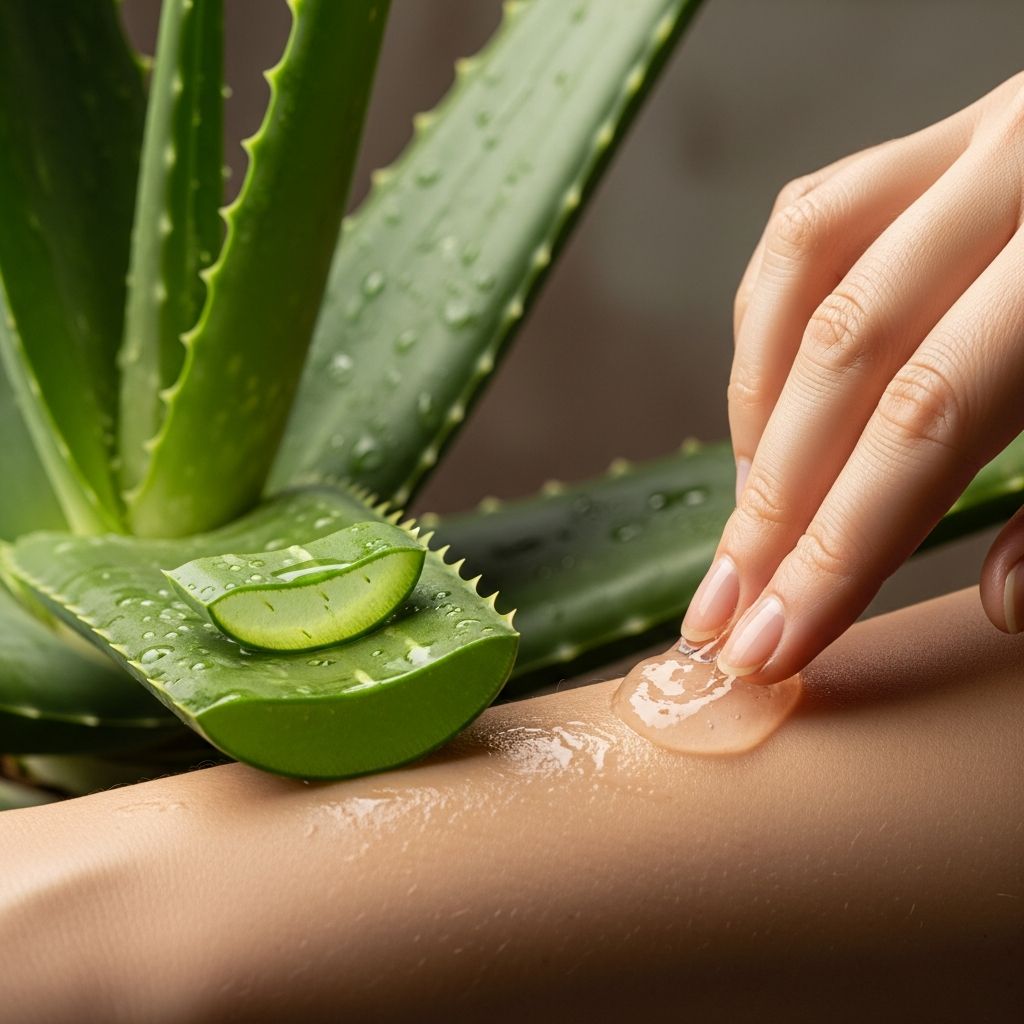
Aloe vera, a succulent plant scientifically known as Aloe barbadensis miller, has been utilized for centuries in traditional medicine for its soothing and healing properties on the skin. Its gel, extracted from the inner leaf, is rich in polysaccharides, vitamins, enzymes, minerals, sugars, lignin, salicylic acid, amino acids, and active compounds like aloin and anthraquinones, which contribute to its therapeutic effects. Modern dermatology recognizes aloe vera as a versatile topical agent for hydration, anti-inflammation, wound repair, and managing various dermatoses. This article examines its composition, clinical applications, efficacy evidence, and safety considerations, drawing from peer-reviewed research and dermatological observations.
What is Aloe Vera?
Aloe vera consists of over 200 bioactive constituents, making it a powerhouse for skin care. The clear mucilaginous gel from the leaf parenchyma contains 99% water, along with glycoproteins, acemannan (a mucopolysaccharide), vitamins A, C, E, and B12, enzymes like bradykinase, and plant sterols such as β-sitosterol, lupeol, and campesterol, which exhibit anti-inflammatory and antimicrobial activities. The yellow latex sap, located just beneath the leaf skin, holds anthraquinones including aloin, emodin, and barbaloin, known for purgative effects but also potent antibacterial properties against pathogens like *Pseudomonas* and *Staphylococcus aureus*. These components enable aloe vera to hydrate deeply without greasiness, soothe irritation, and promote tissue regeneration, suitable for all skin types including sensitive and acne-prone.
How Does Aloe Vera Benefit the Skin?
Aloe vera’s multifaceted benefits stem from its humectant, anti-inflammatory, antibacterial, and regenerative properties. It acts as a natural moisturizer by drawing moisture into the skin, improving texture and elasticity while balancing oil production in oily or combination skin. Anti-inflammatory compounds like aloesin, polyphenols, and acemannan reduce redness, swelling, and itching from conditions such as sunburn, eczema, and post-procedure irritation. Its antibacterial action, driven by salicylic acid and anthraquinones, combats acne-causing bacteria, unclogs pores, and accelerates healing of pimples and scars. Furthermore, aloe stimulates fibroblast activity and collagen synthesis, aiding wound closure, reducing hyperpigmentation, and preventing fine lines for anti-aging effects. Regular application enhances skin barrier function, protects against UV damage (as an adjunct to sunscreen), and promotes even tone by fading dark spots and tan.
Clinical Uses of Topical Aloe Vera
Topical aloe vera is employed in dermatology for acute and chronic skin issues. For first- and second-degree burns, it cools, reduces pain, prevents blisters, and hastens epithelialization, outperforming 1% silver sulfadiazine in some trials. In genital herpes, a 2.5% nanosomal formulation shortens healing time and pain duration. For psoriasis, aloe-based creams alleviate plaques when combined with UVB therapy, relieving scaling, thickness, and erythema. It treats seborrheic dermatitis by curbing *Malassezia* yeast overgrowth. In aphthous stomatitis and lichen planus, it reduces ulcer size and pain. Aloe aids pruritus from xerosis or insect bites via cooling and anti-itch effects. For cutaneous larva migrans and frostbite, it accelerates resolution. As a vehicle for other actives, it enhances penetration in formulations for acne, wounds, and infections.
| Condition | Benefits | Evidence Level |
|---|---|---|
| Burns | Reduces healing time by 9 days vs. controls | Clinical trials |
| Psoriasis | Improves symptoms with phototherapy | Randomized studies |
| Acne | Reduces lesions, inflammation | Observational |
| Wounds | Stimulates collagen, faster closure | In vitro & clinical |
| Sunburn | Soothes, prevents peeling | Dermatologist recommended |
Adverse Reactions
Pure aloe vera gel is generally safe, with contact dermatitis rare (0.1% incidence), typically from anthraquinones in latex-contaminated products. Hypersensitivity manifests as urticaria, erythema, or angioedema in atopics. Pigmentary changes, including rare aloe vera tattoo-like macules from chronic use, resolve upon discontinuation. Oral ingestion risks include diarrhea and hypokalemia from anthraquinone laxatives; pregnant/breastfeeding individuals should avoid systemic use. Patch testing is advised for sensitive skin. No significant interactions with topicals noted, but monitor for irritation with retinoids or acids.
Related Stories



- Allergic reactions: Rare; discontinue if rash develops.
- Photosensitivity: Minimal risk; use sunscreen.
- Quality concerns: Prefer 100% pure gel without aloin.
Frequently Asked Questions
Q: Is aloe vera safe for facial use?
Yes, it’s excellent for the face, providing hydration and soothing without clogging pores, ideal for acne-prone and sensitive skin. Patch test first.
Q: Does aloe vera help with acne?
Yes, its antibacterial, anti-inflammatory, and exfoliating properties reduce breakouts, calm pimples, and fade scars.
Q: Can aloe vera remove dark spots or tan?
Regular use inhibits melanin, lightens hyperpigmentation, post-acne marks, and tan for brighter skin.
Q: Is aloe vera a good moisturizer?
Absolutely; it’s a lightweight humectant for all skin types. Pair with occlusives for very dry skin.
Q: Should I use aloe vera after sunburn?
Yes, it cools, reduces inflammation, and speeds healing better than many lotions.
Q: Does aloe vera prevent wrinkles?
It boosts collagen and elasticity, helping prevent fine lines with consistent use.
Q: Can aloe vera treat psoriasis?
Yes, topical application relieves symptoms, especially with light therapy.
This FAQ section addresses common queries, emphasizing evidence-based uses while promoting safe application.
Application Tips and Best Practices
For optimal results, harvest fresh gel from mature leaves or select commercial products labeled ‘inner leaf gel’ to minimize aloin. Apply a thin layer 2-3 times daily to clean skin, massaging gently. For burns or wounds, use as a primary soother post-cooling. Combine with sunscreen for UV-exposed areas, as aloe aids recovery but doesn’t block rays. In routines, incorporate as a toner, mask (mix with honey), or post-shave. Store gel refrigerated for 1 week; freeze cubes for longevity. Vulnerable groups (children, elderly) benefit most from its gentle profile.
- Extract gel: Slice leaf lengthwise, scoop clear portion.
- Dry skin: Layer under moisturizer.
- Acne: Spot-treat overnight.
- Sun care: After sun exposure, before bed.
Scientific Evidence and Limitations
While anecdotal praise abounds, rigorous RCTs are limited. A PubMed review highlights efficacy in burns (72% healing rate vs. 43% controls), psoriasis (better PASI scores), and herpes, but calls for larger trials on acne and aging. In vitro studies confirm collagen upregulation and antimicrobial MICs against skin pathogens. Recent dermatology blogs from practices like Westlake and Arsenault echo these, noting real-world success in soothing post-procedure skin and balancing types. Gaps persist in long-term anti-aging data and standardized extracts. Consult dermatologists for chronic conditions; aloe complements, not replaces, prescription therapies.
Aloe vera remains a cornerstone of natural dermatology, bridging ancient wisdom with modern science for accessible skin health.
References
- Aloe vera in dermatology: a brief review — Surjushe A, Vasani R, Saple DG. 2008-11-30. https://pubmed.ncbi.nlm.nih.gov/19218914/
- Skincare Ingredient Focus: Aloe Vera — Westlake Dermatology. 2023-06-15. https://www.westlakedermatology.com/blog/aloe-vera-for-skin-care/
- 5 Ways Aloe Vera Helps Your Skin — Arsenault Dermatology. 2022-04-12. https://arsenaultdermatology.com/5-ways-aloe-vera-helps-your-skin/
- Aloe Vera for Facial Care — Mona Dermatology. 2024-01-20. https://www.monadermatology.com/aloe-vera-real-simple/
- 10 Amazing Aloe Vera Benefits For Skin — Mustela USA. 2023-09-05. https://www.mustelausa.com/blogs/mustela-mag/aloe-vera-benefits
- Aloe’s Benefits After A Sunburn — Swann Dermatology Partners. 2023-07-10. https://swanndermatology.com/dr-swann-discusses-aloes-benefits-after-a-sunburn/
Similar Articles








Read full bio of Sneha Tete