Aloe Vera: Uses, Effectiveness, and Safety
Explore the science behind aloe vera: its traditional uses, proven benefits, and important safety considerations.
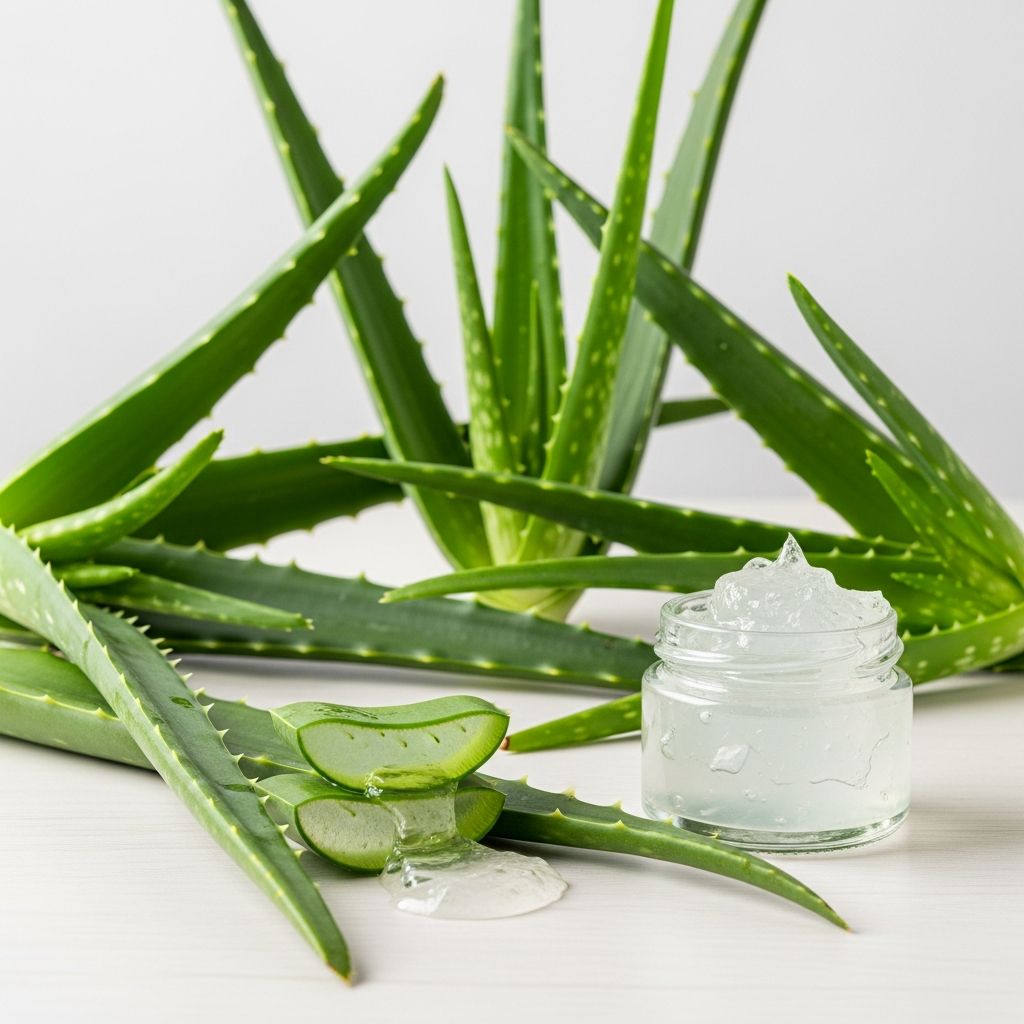
Aloe vera is a popular plant remedy that has been used for centuries in traditional medicine across many cultures. The thick, gel-like substance found inside the plant’s leaves has become a common ingredient in skincare products, beverages, and dietary supplements. While many people use aloe vera for various health purposes, understanding what the scientific evidence actually shows about its effectiveness is important for making informed health decisions.
What Is Aloe Vera?
Aloe vera is a succulent plant that belongs to the lily family. The plant contains two main substances that are used medicinally: the gel, which is the clear substance found in the inner part of the leaves, and the latex, which is the yellow substance found beneath the plant’s skin. Both components have been studied for their potential health benefits, though they contain different active compounds and may have different effects on the body.
Common Uses and Traditional Applications
Aloe vera has been traditionally used to address a wide range of health concerns. The most common applications include treating burns and wounds, managing digestive issues, supporting skin health, and addressing oral health problems. Many consumers also use aloe vera products for conditions like psoriasis, eczema, and general inflammation. The widespread use of aloe vera in both traditional medicine and modern commercial products reflects its popularity, though not all traditional uses have strong scientific backing.
Scientific Evidence for Effectiveness
Wound Healing and Burns
One of the most well-researched applications of aloe vera is its use for wound healing and burns. A meta-analysis examining the effectiveness of aloe vera in burn wound healing found that aloe vera treatments reduced healing time by approximately 9 days compared to conventional treatment groups. This finding suggests that aloe vera may have genuine benefits for accelerating the healing process in burn injuries. The gel’s ability to support healing appears to be related to its content of compounds that promote tissue regeneration and reduce inflammation.
Oral Health and Mouth Ulcers
Research has demonstrated that aloe vera can be beneficial for oral health concerns. A 2022 review of nine randomized controlled trials concluded that aloe vera treatment can accelerate the healing of mouth ulcers better than other interventions, offering a notably shorter healing time. Additionally, a 2024 double-blind clinical trial found that using aloe vera mouthwash can reduce the severity of radiotherapy-induced oral mucositis, which is the inflammation and ulceration of the mucus membranes that results from undergoing radiotherapy. For patients with oral submucous fibrosis, the combination of aloe vera gel with physiotherapy proved more efficient in decreasing burning sensation and increasing tongue protrusion, mouth opening, and cheek flexibility than the combination of antioxidant capsules with physiotherapy.
Skin Health and Psoriasis
Aloe vera has shown promising results for certain skin conditions. In a randomized, double-blind, controlled trial of aloe vera cream in 60 patients with chronic psoriasis, the cure rate in the aloe vera group was 83% with no relapses at 12 months of follow-up, compared to only 7% in the placebo group. Aloe vera appears to improve multiple aspects of skin health, including skin barrier function, skin moisture, skin elasticity, and collagen content, all of which contribute to maintaining healthy skin. The gel’s ability to penetrate the skin and deliver active compounds may explain its effectiveness for these conditions.
Blood Sugar and Diabetes Management
Related Stories



Several clinical studies have examined aloe vera’s effects on blood sugar levels and diabetes management. In one clinical trial, 72 diabetic women without drug therapy were administered one tablespoon of aloe vera gel or placebo for 6 weeks, and blood glucose and serum triglyceride levels were significantly decreased with aloe vera treatment, although cholesterol concentrations were unaffected. A more recent review concluded there is moderate to high quality evidence in favor of the effects of aloe vera in patients with prediabetes or type 2 diabetes. Furthermore, the intake of aloe vera (300 mg twice daily for 4 weeks) decreased fasting blood glucose in pre-diabetic subjects. These findings suggest that aloe vera may enhance insulin sensitivity and help improve blood sugar management, though more research is needed to establish optimal dosages and long-term effects.
Cholesterol and Lipid Management
Research has also explored aloe vera’s potential effects on cholesterol and lipid levels. One large study involved 5000 patients aged 35–65 years with atheromatous heart disease, including 3167 noninsulin-dependent diabetic patients who received aloe vera gel preparation combined with psyllium seed husks. Marked reductions were noted in serum cholesterol, triglycerides, and total lipid levels, along with an increase in high-density lipoprotein (HDL) cholesterol. In another controlled clinical trial, whole-leaf aloe vera extract administered to 60 patients with hyperlipidemia resulted in significantly decreased levels of total serum cholesterol, triglycerides, and low-density lipoproteins (LDLs).
Anticancer Research
Laboratory and animal studies have suggested potential anticancer properties of aloe vera. Aloe vera crude extracts reduced cell viability of cancer cell lines including human breast MCF-7 and cervical HeLa cells through apoptosis induction and modulation of effector genes expression. The isolated compound aloe-emodin has shown effectiveness as an anticancer agent against both MCF-7 cells and HeLa cells by inducing mitochondrial and endoplasmic reticulum apoptosis and inhibiting metastasis oxidative stress. Additionally, aloe vera extract combined with training exerted a protective anticancer effect in mice with breast cancer by inhibiting the COX pathway and prostaglandin E2 production. However, it is important to note that these findings are primarily from laboratory and animal studies, and clinical trials in humans are still limited.
Anti-inflammatory and Antioxidant Effects
Aloe vera contains compounds with anti-inflammatory and antioxidant properties that may contribute to many of its health benefits. Studies have shown that aloe vera can reduce inflammation markers and increase antioxidant enzyme levels in various tissues. One study revealed that aloe vera reduced hepatic markers of inflammation and oxidative stress in animal models. These anti-inflammatory and antioxidant mechanisms may underlie aloe vera’s effectiveness for conditions ranging from burn wounds to digestive issues.
Active Compounds in Aloe Vera
Aloe vera contains numerous active compounds that contribute to its medicinal properties. These include polysaccharides, anthraquinones, sterols, amino acids, and various vitamins and minerals. The gel and latex contain different concentrations of these compounds, which explains why they may have different health effects. Researchers continue to study individual compounds to better understand their specific mechanisms of action and therapeutic potential. The combination of multiple active ingredients in aloe vera may produce synergistic effects that enhance its overall effectiveness.
Safety and Potential Side Effects
While aloe vera is generally considered safe for most people when used appropriately, certain precautions should be observed. The latex found beneath the plant’s skin can act as a strong laxative and may cause cramping, electrolyte imbalances, and other gastrointestinal issues. For this reason, the latex should not be taken internally without medical supervision, and products containing latex should include appropriate warnings.
Animal studies have shown that high doses of certain aloe preparations can cause adverse effects including diarrhea, reduced body weight gain, decreased blood urea nitrogen levels, and reduced consumption of food and water. In one study using rats, exposure to certain concentrations of aloe extract displayed reduced body weight, altered gastrointestinal transit times, and changes in organ weights. These findings suggest that excessive consumption of aloe vera should be avoided.
Certain individuals should exercise particular caution with aloe vera. People with intestinal conditions, kidney disease, or electrolyte disorders should consult with a healthcare provider before using aloe vera products. Pregnant women should avoid aloe vera, as it may stimulate uterine contractions. Additionally, aloe vera may interact with certain medications, including diabetes medications and some heart medications, so consultation with a healthcare provider is advisable for individuals taking prescription drugs.
Quality and Standardization Issues
One challenge in aloe vera research and product development is the lack of standardization. Different preparations may contain varying concentrations of active compounds depending on the plant variety, growing conditions, harvesting methods, and processing techniques. This variability can make it difficult to compare study results and establish consistent dosing recommendations. Consumers should look for products from reputable manufacturers that provide information about the concentration of active ingredients.
Areas Requiring Further Research
While evidence supports aloe vera’s effectiveness for some conditions, researchers acknowledge that additional clinical trials are needed in several areas. Most anticancer studies have been conducted in laboratory and animal models; human clinical trials are necessary to determine whether these promising results translate to actual clinical benefit. Similarly, while some evidence supports aloe vera’s use for digestive health and blood sugar management, larger and longer-term studies would help establish optimal dosages, treatment duration, and long-term safety profiles.
Additionally, research is needed to identify which specific active compounds are responsible for particular health effects, and whether using isolated compounds would be more effective than whole plant preparations. Understanding the mechanisms of action more completely could lead to improved formulations and more targeted therapeutic applications.
Frequently Asked Questions
Q: Is aloe vera safe to take internally?
A: Aloe vera gel is generally considered safe for internal use in small amounts, though studies on long-term effects are limited. However, the latex should not be taken internally without medical supervision, as it acts as a strong laxative and can cause cramping and electrolyte imbalances. Pregnant women and people with kidney disease should avoid internal aloe vera use.
Q: How long does it take for aloe vera to work on wounds?
A: Research indicates that aloe vera can reduce burn wound healing time by approximately 9 days compared to conventional treatments. However, the exact timeframe depends on the severity of the wound and the form of aloe vera used.
Q: Can aloe vera cure psoriasis?
A: A clinical trial found an 83% cure rate for chronic psoriasis with aloe vera cream compared to 7% with placebo, with no relapses at 12 months follow-up. However, results may vary among individuals, and aloe vera should be used as part of a comprehensive treatment approach under medical guidance.
Q: Is aloe vera effective for blood sugar control?
A: Several studies have shown that aloe vera can help lower fasting blood glucose levels and improve blood sugar management in people with prediabetes or type 2 diabetes. However, it should not replace prescribed diabetes medications without consulting a healthcare provider.
Q: Are there any drug interactions with aloe vera?
A: Yes, aloe vera may interact with certain medications, including diabetes medications, heart medications, and some other drugs. If you take prescription medications, consult with your healthcare provider before using aloe vera products.
Q: What is the difference between aloe vera gel and latex?
A: Aloe vera gel is the clear substance inside the leaf and is generally safe for topical or internal use in appropriate amounts. The latex is the yellow substance beneath the plant’s skin and acts as a strong laxative; it should only be used under medical supervision.
Conclusion
Aloe vera has demonstrated effectiveness for several health applications, particularly in wound healing, oral health, and skin conditions like psoriasis. Evidence also supports its potential benefits for blood sugar management and cholesterol reduction. However, while traditional uses are numerous, not all have been thoroughly studied with rigorous clinical trials. When considering aloe vera for health purposes, it is important to discuss use with a healthcare provider, especially for individuals taking medications or with existing health conditions. While aloe vera shows promise for many applications, it works best as part of a comprehensive health approach rather than as a standalone treatment.
References
- Pharmacological Update Properties of Aloe Vera and its Major Active Compounds — National Center for Biotechnology Information (NCBI). 2020. https://pmc.ncbi.nlm.nih.gov/articles/PMC7144722/
- Evaluation of the Nutritional and Metabolic Effects of Aloe vera — National Center for Biotechnology Information (NCBI). https://www.ncbi.nlm.nih.gov/books/NBK92765/
- Aloe vera: 9 health benefits — Medical News Today. 2024. https://www.medicalnewstoday.com/articles/318591
- Aloe vera: A review of toxicity and adverse clinical effects — National Center for Biotechnology Information (NCBI). 2019. https://pmc.ncbi.nlm.nih.gov/articles/PMC6349368/
- Aloe — Mayo Clinic — Mayo Foundation for Medical Education and Research. https://www.mayoclinic.org/drugs-supplements-aloe/art-20362267
- National Center for Complementary and Integrative Health (NCCIH) — Aloe Vera — U.S. Department of Health and Human Services, National Institutes of Health. https://www.nccih.nih.gov/health/aloe-vera
Similar Articles








Read full bio of medha deb