Alogliptin tablets for diabetes (Vipidia)
Alogliptin (Vipidia) effectively lowers blood sugar in type 2 diabetes when combined with diet, exercise, and other treatments.
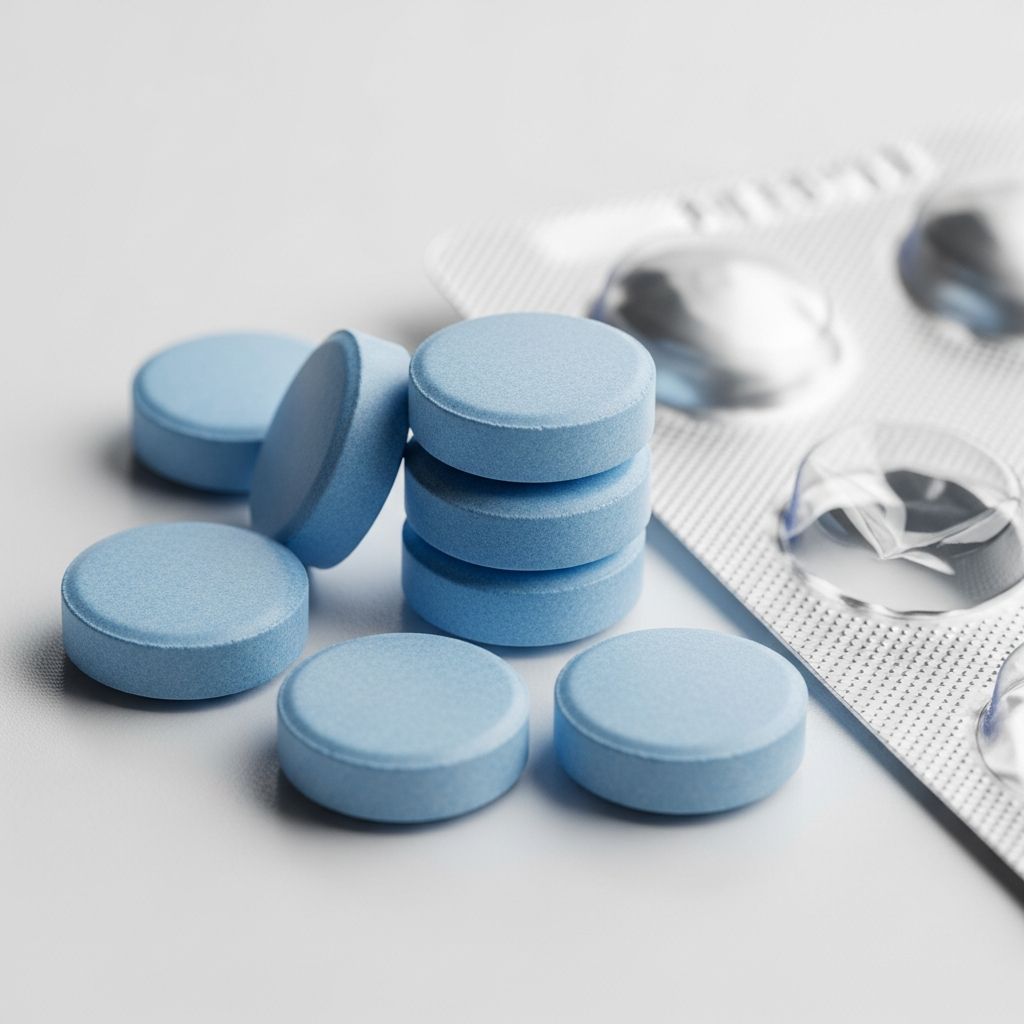
Alogliptin, marketed as
Vipidia
, is an effective medication for adults withtype 2 diabetes
. It helps lower elevated blood sugar (glucose) levels, often used alongside diet, exercise, and other antidiabetic drugs to improve glycemic control and reduce complication risks.| Type of medicine | An antidiabetic medicine, known as a DPP-4 inhibitor or incretin enhancer |
|---|---|
| Used for | Adults with type 2 diabetes mellitus |
| Also called | Vipidia® |
| Available as | Tablets (6.25 mg, 12.5 mg, 25 mg) |
About alogliptin
**Type 2 diabetes** occurs when the body does not produce enough insulin or cannot use it effectively, leading to high blood glucose levels. Insulin, a hormone from the pancreas, regulates blood sugar. Poor control increases risks of complications like heart disease, stroke, kidney failure, nerve damage, vision loss, and gum disease.
Medicines like
alogliptin
are prescribed when diet and exercise alone are insufficient. Alogliptin belongs to theDPP-4 inhibitor
class (dipeptidyl peptidase-4 inhibitors), also called incretin enhancers. It works by blocking the DPP-4 enzyme, which breaks down incretin hormones. These hormones, released after meals, boost insulin production and suppress glucagon—a hormone that prompts the liver to release glucose. Thus, alogliptin increases insulin post-meal and reduces liver glucose output, lowering blood sugar without causing weight gain or high hypoglycemia risk alone.Alogliptin does not cure diabetes but manages it lifelong. It is not for
type 1 diabetes
ordiabetic ketoacidosis
(DKA), a serious condition with symptoms like excessive thirst, frequent urination, nausea, and rapid weight loss.Before taking alogliptin
To ensure safety, inform your doctor if you have:
- Severe kidney disease (dose adjustment needed)
- Liver disease
- Heart failure
- History of pancreatitis (inflammation of the pancreas)
- Diabetes complications like retinopathy
- Are pregnant, breastfeeding, or planning pregnancy (limited data; not recommended)
Alogliptin is contraindicated in type 1 diabetes, DKA, or severe hypersensitivity to it.
Taking alogliptin with other medicines and herbal supplements
Alogliptin is often combined with:
- **Metformin**,
sulfonylureas
(e.g., glipizide, glibenclamide),thiazolidinediones
(e.g., pioglitazone), orinsulin
. - When added to sulfonylureas or insulin, your doctor may reduce their dose to prevent
hypoglycemia
(low blood sugar).
It may interact with drugs affecting kidneys or certain antifungals/antibiotics. Always disclose all medications, including over-the-counter and herbals.
How and when to take alogliptin
Take
one tablet daily
, with or without food, swallowed whole with water. Timing is flexible—any time suits most patients.Dosage
Standard adult dose:
25 mg once daily
. Adjusted for kidney function:| Kidney function | Dose |
|---|---|
| Normal/mild impairment | 25 mg daily |
| Moderate impairment | 12.5 mg daily |
| Severe impairment/end-stage renal disease | 6.25 mg daily |
Children: Not recommended. Follow your prescription exactly.
Related Stories



If you forget to take alogliptin
Take the missed dose as soon as remembered. If near next dose, skip it—do not double up. Never take extra to compensate.
Side-effects of alogliptin
Side effects are usually mild. Common ones (>1 in 100 people):
- Upper respiratory tract infection (cold-like symptoms)
- Headache
- Rash
- Indigestion (dyspepsia), stomach pain, nausea
Rare but serious:
- **Pancreatitis**: Severe abdominal pain spreading to back, with nausea/vomiting—seek urgent care.
- **Severe allergic reactions** (anaphylaxis): Swelling, breathing difficulty, hives—emergency help.
- **Heart failure** worsening: Shortness of breath, swelling—contact doctor.
- **Bullous pemphigoid**: Severe skin blisters—report promptly.
- **Hypoglycemia**: More likely with other diabetes drugs; symptoms include shakiness, sweating, hunger, dizziness, palpitations. Treat with quick sugar (glucose tablets, juice).
Monitor blood sugar regularly. Long-term use reduces complication risks but continue lifelong unless advised otherwise.
How to cope with side effects of alogliptin
- Feeling sick (nausea) or indigestion: Stick to simple meals; avoid rich/spicy foods. Try ginger or small frequent meals.
- Headache: Rest, hydrate, paracetamol if needed. Consult if persistent.
- Cough/cold symptoms: Usually self-limiting; rest, fluids.
- Hypoglycemia: Always carry fast-acting sugar. Glucagon kit if severe.
Report persistent/severe effects or new symptoms like tummy pain to your doctor.
Pregnancy and breastfeeding while taking alogliptin
Alogliptin is not recommended during pregnancy due to potential fetal harm (animal studies show risks). Use effective contraception if fertile. Switch to insulin if planning pregnancy.
Avoid breastfeeding; it passes into milk with unknown infant effects.
Other medicines, food and drink, alcohol, driving
Other diabetes medicines
Combining increases hypoglycemia risk—monitor closely.
Food, drink and alcohol
No specific interactions. Maintain diabetes-friendly diet low in sugars/refined carbs. Moderate alcohol; excess raises blood sugar or hypo risk.
Driving, cycling and operating machinery
Alogliptin alone rarely causes hypo, but combinations may. Know hypo symptoms; do not drive if experiencing. Carry ID stating diabetes/medication. UK law requires informing DVLA of diabetes treatment.
Common questions about alogliptin
How long does it take to work?
Blood sugar improvements seen within weeks; full effects in 1-2 months with diet/exercise.
Does alogliptin cause weight gain?
No—weight-neutral unlike some diabetes drugs.
Can I take alogliptin alone?
Yes, if metformin unsuitable, but often combined.
What if blood sugar remains high?
Increased thirst, frequent urination, fatigue signal poor control—contact doctor for adjustment.
Before surgery/dental work?
Inform providers of diabetes and alogliptin.
Frequently Asked Questions (FAQs)
Q: What is alogliptin used for?
A: Alogliptin treats type 2 diabetes by lowering blood sugar alongside diet and exercise.
Q: How does alogliptin work?
A: As a DPP-4 inhibitor, it boosts incretins to increase insulin and decrease glucagon.
Q: What is the usual dose?
A: 25 mg daily for most adults; lower for kidney issues.
Q: Does it cause low blood sugar?
A: Unlikely alone, but possible with sulfonylureas/insulin.
Q: Can I stop taking it?
A: No—diabetes requires lifelong management unless doctor advises.
Q: Is alogliptin safe long-term?
A: Yes, with monitoring; reduces complication risks.
Diabetes management involves regular check-ups, HbA1c tests, foot/eye exams. Lifestyle changes enhance effectiveness: balanced diet, 150 minutes weekly exercise, weight control, no smoking.
Consult healthcare professionals for personalized advice. This information supports but does not replace medical guidance.
References
- Alogliptin tablets for diabetes (Vipidia) — Patient.info. 2023. https://patient.info/medicine/alogliptin-tablets-for-diabetes-vipidia
- Alogliptin: MedlinePlus Drug Information — MedlinePlus (U.S. National Library of Medicine). 2024-01-15. https://medlineplus.gov/druginfo/meds/a613026.html
- Information for the patient Alogliptin 25 mg film-coated tablets — medicines.org.uk (MHRA/EMA). 2023-05-10. https://www.medicines.org.uk/emc/files/pil.5235.pdf
- Alogliptin (oral route) — Mayo Clinic. 2025-06-01. https://www.mayoclinic.org/drugs-supplements/alogliptin-oral-route/description/drg-20060796
- Alogliptin — StatPearls (NCBI Bookshelf). 2024-07-24. https://www.ncbi.nlm.nih.gov/books/NBK507809/
Similar Articles








Read full bio of Sneha Tete