Alopecia Areata: Symptoms, Causes, Treatment & Regrowth
Understanding alopecia areata: causes, symptoms, treatments, and hair regrowth options.
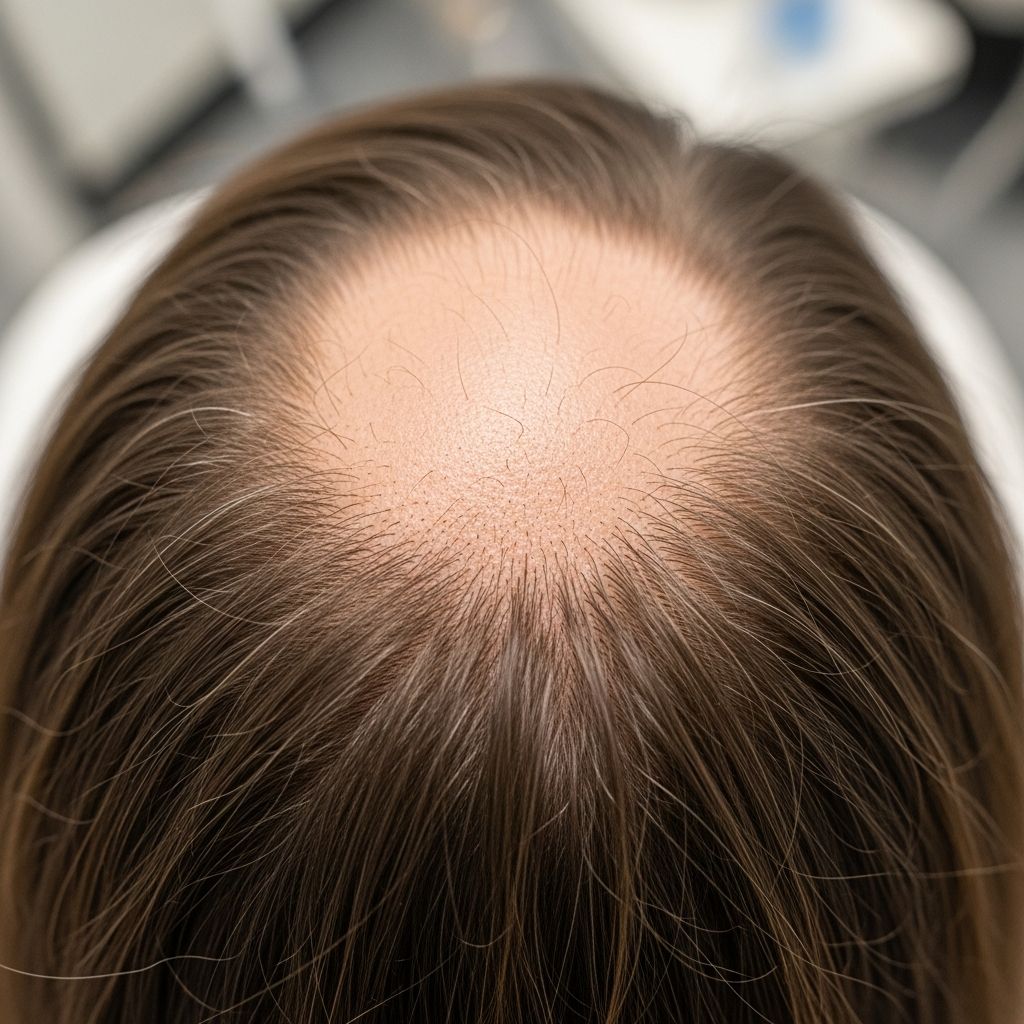
Alopecia areata is an autoimmune disease that specifically attacks your body’s hair follicles, resulting in patchy hair loss that can appear suddenly and unpredictably. Unlike other forms of hair loss, alopecia areata is characterized by the immune system mistakenly targeting healthy hair follicles, causing them to stop producing hair. This condition affects millions of people worldwide and can develop at any age, though it often begins before age 40. While there is currently no permanent cure, numerous treatment options and management strategies are now available to help minimize symptoms and promote hair regrowth.
What Is Alopecia Areata?
Alopecia areata is a very specific autoimmune attack on your hair follicles. The condition occurs when your immune system mistakenly attacks hair-producing follicles, causing them to shrink and stop producing hair. This leads to sudden, often noticeable hair loss that typically appears in small, round patches on the scalp, though it can occur anywhere on the body, including the beard, eyebrows, and eyelashes.
The unpredictability of alopecia areata is one of its defining characteristics. One day you may have a full head of hair, and the next day you might notice a coin-sized bald patch. There’s often no apparent reason for why it strikes or why it affects certain areas of the body. The condition is not contagious, does not cause scarring, and does not result in permanent damage to hair follicles in most cases, meaning hair can potentially regrow even after significant loss.
Understanding the Autoimmune Response
Alopecia areata is a T-cell mediated autoimmune reaction directed against hair follicles. This means that white blood cells, which normally protect your body from harmful invaders, mistakenly identify hair follicles as threats and attack them. The exact reason why this happens remains unclear, but researchers believe it involves a combination of genetic predisposition and environmental triggers.
Studies have shown that other autoimmune diseases often coexist in patients with alopecia areata, suggesting a shared underlying susceptibility. If you have alopecia areata, you may be more likely to develop other autoimmune conditions, and vice versa. Additionally, some patients report that their alopecia areata flare-ups occur during times of significant stress, though stress is not considered a direct cause of the condition.
Symptoms and Signs of Alopecia Areata
The primary symptom of alopecia areata is patchy hair loss that appears suddenly. Most commonly, patients notice one or more smooth, round or oval bald patches on the scalp. The hair loss can range from very small areas to complete loss of hair on the scalp and body in severe cases.
Common symptoms include:
- Sudden loss of hair in round or oval patches
- Hair loss that progresses over days or weeks
- Possible itching, burning, or tenderness in affected areas
- Nail changes, including pitting, brittleness, or ridges in fingernails and toenails
- Hair that pulls out easily during shampooing or combing
- A positive hair-pull test, where hair can be easily extracted from the scalp
Related Stories



In some cases, nail involvement occurs in 10% to 20% of patients with alopecia areata. These nail changes may include pitting, longitudinal fissuring, and lunula reddening. While nail problems can be concerning, they typically resolve as the alopecia areata improves with treatment.
Severity and Types of Alopecia Areata
Alopecia areata presents in varying degrees of severity, each with different implications for treatment response and prognosis.
Mild Alopecia Areata: In mild cases, patients may experience isolated patches of hair loss with periods of flare-ups and remission. These cases often respond well to treatment and may require only topical or injectable medications.
Alopecia Areata Totalis: This more severe form involves complete loss of hair on the scalp. Patients with this condition are less likely to respond to standard treatment options, and recovery is more unpredictable.
Alopecia Areata Universalis: The most severe form, alopecia areata universalis involves complete hair loss across the entire body, including the scalp, eyebrows, eyelashes, and all body hair. This form is the most resistant to treatment, though some patients still experience spontaneous hair regrowth.
Causes and Risk Factors
While the exact cause of alopecia areata remains unknown, researchers have identified several factors that may contribute to its development. The condition is believed to result from a combination of genetic susceptibility and environmental triggers.
Genetic Factors: Alopecia areata often runs in families, indicating a genetic component. If you have a family history of alopecia areata or other autoimmune conditions, your risk of developing the condition is higher.
Environmental Triggers: Various environmental factors may trigger alopecia areata in genetically susceptible individuals, including stress, infections, vaccinations, and trauma. Seasonal allergies like hay fever can also trigger flare-ups in some patients. Managing your allergies and taking antihistamines is very important for reducing alopecia areata episodes.
Associated Autoimmune Conditions: Patients with alopecia areata frequently have other autoimmune diseases such as thyroid disease, vitiligo, lupus, and celiac disease. This suggests a shared autoimmune tendency.
It’s important to note that there is no way to prevent alopecia areata. However, understanding your triggers and managing stress, allergies, and overall health may help reduce the frequency and severity of flare-ups.
Treatment Options
The treatment landscape for alopecia areata has changed significantly since June 2022, when the FDA approved new treatment options. Previously, treatment focused primarily on managing inflammation and supporting a healthy immune system. Today, patients have access to multiple effective therapies that can help restore hair growth.
Topical Treatments: For small patches of hair loss, topical corticosteroid creams and ointments are often the first line of treatment. These work by calming the immune system response in the affected area. Hair regrowth is typically seen within three to four months with topical medications. Topical immunotherapy, which involves rubbing sensitizing agents onto the scalp, is another option for more extensive hair loss.
Intralesional Corticosteroid Injections: For localized hair loss, intralesional steroid injections are highly effective. The recommended dose per treatment session is up to 3 mL of a 5-mg/mL solution injected into the mid-dermis in multiple sites approximately 1 cm apart. Regrowth is usually seen within 4 to 8 weeks in responsive patients, and treatment can be repeated every 4 to 6 weeks. The main drawbacks are the pain of injection and the risk of permanent atrophy at the injection site. Children under age 10 are typically not ideal candidates for this treatment.
Contact Sensitizers: For alopecia areata with greater than 50% loss of scalp hair, contact sensitizers such as squaric acid dibutyl ester (SADBE) and diphenylcyclopropanone (DPCP) may be indicated. These are administered in a university or hospital setting by a dermatologist, and informed consent must be obtained beforehand. These treatments work by inducing a controlled allergic reaction on the scalp to stimulate hair growth.
Minoxidil: Also known as Rogaine, minoxidil is an over-the-counter topical solution that may help stimulate hair growth when used regularly. While not specifically designed for alopecia areata, it has shown effectiveness in promoting regrowth in some patients.
Anthralin: Short-contact anthralin therapy involves applying anthralin to affected areas for a brief period before washing it off. This treatment can help stimulate hair growth and is typically used in dermatology office settings.
JAK Inhibitors: As of June 2022, JAK inhibitors represent a major breakthrough in alopecia areata treatment. These new FDA-approved medications work by modulating the immune system’s attack on hair follicles. JAK inhibitors are particularly beneficial for patients with aggressive forms of alopecia areata or extensive hair loss who haven’t responded to traditional treatments.
Systemic Medications: For more severe cases, oral medications may be prescribed to modulate the immune system response. Systemic medications can provide more consistent overall hair growth within four to six weeks, though they may carry additional side effects that need to be discussed with your healthcare provider.
Timeline for Hair Regrowth
The timeline for hair regrowth varies depending on the treatment used and the individual’s response to therapy. Understanding realistic expectations can help you maintain motivation throughout the treatment process.
Topical corticosteroids typically show results within three to four months. Intralesional steroid injections generally produce visible hair regrowth within four to six weeks, though growth may not be uniform. Systemic medications can provide more consistent overall growth within the same four to six week timeframe. JAK inhibitors and other newer treatments may show results within similar timeframes, though individual responses vary significantly.
It’s crucial to remember that it takes at least 12 weeks to determine the efficacy of an alopecia areata treatment. Therefore, you should not stop treatment too soon. Patience and consistency with your chosen treatment regimen are essential for achieving optimal results.
Even if someone loses all of their hair, there’s a chance that it’ll grow back. Depending on your therapy and its effectiveness, you may see new hair growth between four and 12 weeks after starting treatment. However, alopecia areata remains unpredictable—in some people, hair grows back but falls out again later, while in others, hair grows back and never falls out again. Each case is unique.
Self-Care and Lifestyle Management
While medical treatments form the foundation of alopecia areata management, self-care strategies can significantly impact your outcomes and overall well-being. Although alopecia areata isn’t a disease that makes you physically ill—it won’t shorten your life or cause physical pain—the emotional toll can be substantial. Implementing these self-care techniques may reduce how often you have flare-ups and their intensity.
Stress Reduction: Finding ways to manage stress is crucial, as stress is a known trigger for alopecia areata flare-ups. Consider meditation, yoga, regular exercise, journaling, or other relaxation techniques that work for you. Even simple activities like taking walks, spending time in nature, or engaging in hobbies can help reduce stress levels.
Gentle Hair Care: Use mild shampoos and conditioners, avoid harsh brushing, and minimize heat styling. Be gentle when washing and combing your hair to avoid putting additional stress on hair follicles. Consider using a soft-bristled brush or a wide-tooth comb.
Sun Protection: Protect your scalp and affected areas from sun exposure by wearing hats or applying sunscreen to exposed scalp areas. Sun damage can stress hair follicles and potentially trigger flare-ups.
Allergy Management: Managing seasonal allergies and taking antihistamines is very important, as allergies can trigger alopecia areata flare-ups. Work with your healthcare provider to identify and manage your specific allergy triggers.
Nutritional Support: While there’s no specific diet that cures alopecia areata, maintaining a balanced diet rich in protein, iron, zinc, and B vitamins supports overall hair health. Consider consulting with a nutritionist about dietary changes that may support your immune system and hair growth.
Supplements: Some patients explore supplements like biotin, iron, or other nutrients, though evidence for their specific benefit in alopecia areata is limited. Always consult with your healthcare provider before starting any supplements, as they may interact with other treatments.
Frequently Asked Questions
Q: Is there a cure for alopecia areata?
A: Currently, there is no permanent cure for alopecia areata. However, FDA-approved treatments available since June 2022 can help manage symptoms and promote hair regrowth. Treatments can reduce your symptoms, but they’re not a permanent solution for everyone.
Q: Can alopecia areata be prevented?
A: There is no known way to prevent alopecia areata. However, managing stress, allergies, and maintaining overall good health may help reduce flare-ups in susceptible individuals.
Q: Will my hair grow back?
A: In many cases, yes. Hair often regrows even in severe cases, though the timeline and permanence vary. Some people experience complete regrowth, while others have recurring episodes. Each case is unique and unpredictable.
Q: How long does treatment take to work?
A: It typically takes between 4 to 12 weeks to see results, depending on the treatment type. It’s important to continue treatment for at least 12 weeks before determining its effectiveness.
Q: Is alopecia areata contagious?
A: No, alopecia areata is not contagious. It is an autoimmune condition and cannot be spread from person to person.
Q: Can alopecia areata affect other parts of my body?
A: Yes, alopecia areata can affect hair anywhere on your body, including eyebrows, eyelashes, beard, and body hair. In severe cases (alopecia areata universalis), all body hair may be lost.
Q: Should I seek professional treatment?
A: If you suspect you have alopecia areata, especially if you have aggressive hair loss or a new diagnosis, you should consult with a dermatologist. New FDA-approved medications may be available that can help you manage your condition more effectively.
References
- Living With Alopecia Areata — Cleveland Clinic. Accessed December 2025. https://my.clevelandclinic.org/watch/living-with-alopecia-areata
- Alopecia areata: What to expect from current treatments — Cleveland Clinic Journal of Medicine, 2005. https://www.ccjm.org/content/ccjom/72/9/758.full.pdf
- Self-Care Tips to Manage Alopecia Areata — Cleveland Clinic Health. Accessed December 2025. https://health.clevelandclinic.org/alopecia-areata-self-care
- Natural Treatments for Alopecia Areata — Cleveland Clinic Health. Accessed December 2025. https://health.clevelandclinic.org/alopecia-areata-natural-treatment
- Introducing New Standards in Assessing and Tracking Alopecia Areata — Consult QD, Cleveland Clinic. Accessed December 2025. https://consultqd.clevelandclinic.org/introducing-new-standards-in-assessing-and-tracking-alopecia-areata
- Male and Female Pattern Hair Loss: A Guide to Clinical Presentations and Diagnosis — Consult QD, Cleveland Clinic. Accessed December 2025. https://consultqd.clevelandclinic.org/male-and-female-pattern-hair-loss-a-guide-to-clinical-presentations-and-diagnosis
Similar Articles








Read full bio of medha deb