Understanding Alopecia: Causes, Types, and Treatment Options
Comprehensive guide to hair loss causes: from genetics to medical conditions affecting millions worldwide.
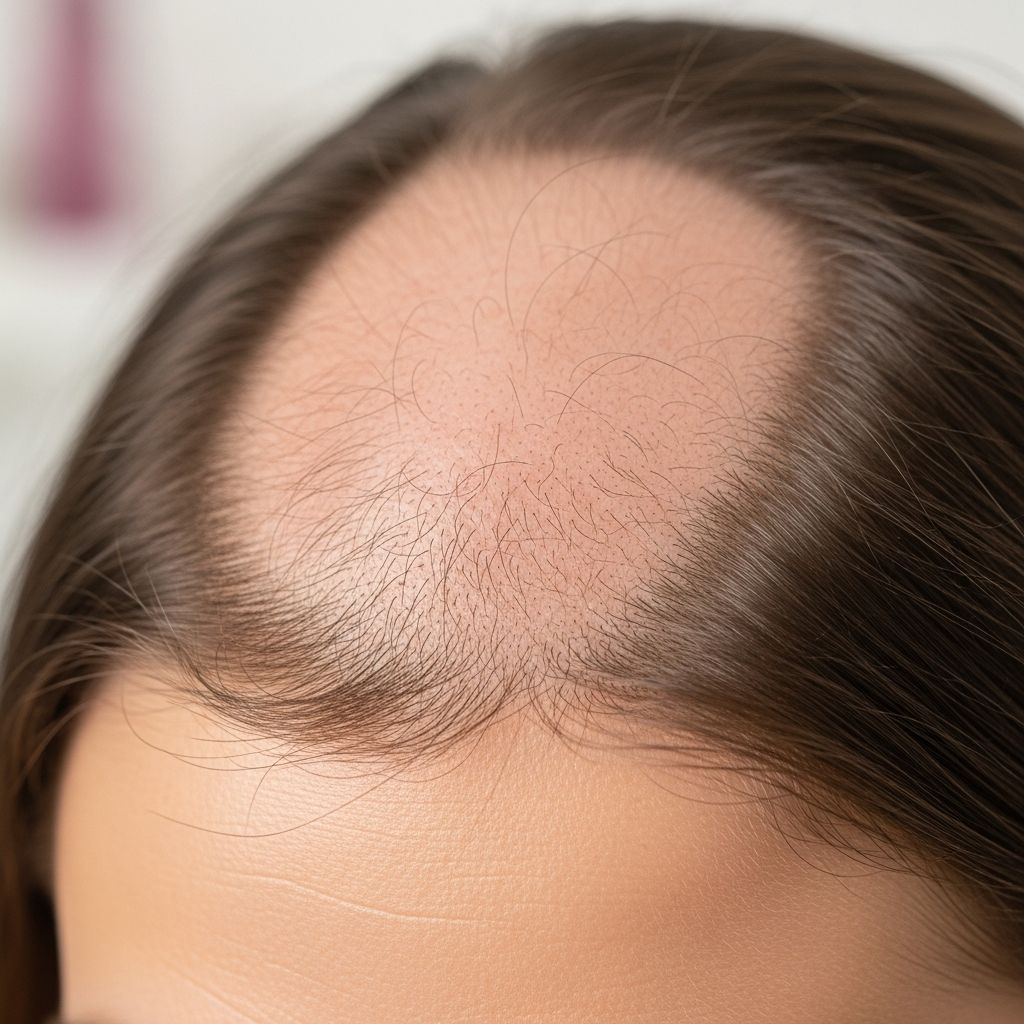
Alopecia, commonly known as hair loss, is a widespread condition affecting millions of people worldwide. Hair loss can range from temporary thinning to permanent baldness and may affect the scalp or entire body. Understanding the underlying causes is essential for determining appropriate treatment strategies and managing expectations for hair regrowth.
What Is Alopecia?
Alopecia is the medical term for hair loss or baldness. Hair loss can be classified into three main patterns: patterned hair loss (androgenetic alopecia), diffuse hair loss (telogen effluvium), and focal hair loss (alopecia areata). The severity and type of hair loss vary significantly among individuals, with some experiencing temporary shedding and others facing permanent baldness.
According to medical experts, anyone can experience hair loss, though it is more common in men. The condition can affect self-esteem and psychological well-being, making it important to seek professional guidance when experiencing unusual hair shedding.
Common Causes of Alopecia
1. Hereditary Hair Loss (Androgenetic Alopecia)
Hereditary hair loss is the most common cause of baldness, accounting for the majority of cases worldwide. This condition, known as androgenetic alopecia or pattern baldness, is caused by a combination of genetics and sensitivity to the male sex hormone dihydrotestosterone (DHT).
In men, hereditary hair loss typically manifests as a receding hairline and bald spots, while women experience progressive thinning along the crown of the scalp. This type of hair loss usually occurs gradually and in predictable patterns after puberty. If you have a family history of balding on either your mother’s or father’s side, your risk of developing androgenetic alopecia increases significantly.
2. Hormonal Changes and Medical Conditions
A variety of hormonal and medical factors can trigger temporary or permanent hair loss. These include:
- Pregnancy and childbirth: Many women experience hair loss several months after delivery due to hormonal fluctuations.
- Menopause: Declining estrogen levels can lead to increased hair shedding.
- Thyroid disease: Both hyperthyroidism and hypothyroidism can cause diffuse hair loss.
- Alopecia areata: An autoimmune disorder where the immune system attacks hair follicles, causing patchy hair loss. This condition can develop in childhood or at any age and often affects individuals with asthma, allergic rhinitis, or other autoimmune disorders.
- Scalp infections: Ringworm and other fungal infections can damage hair follicles.
- Trichotillomania: A psychological disorder involving compulsive hair pulling.
3. Nutritional Deficiencies
Research indicates that nutritional deficiencies play a significant role in hair loss, particularly in women. Iron deficiency has been identified as the most important nutritional factor, accounting for approximately 70.3% of female alopecia cases related to nutrient deficiencies. Following iron supplementation, many patients report subjective improvement in hair regrowth.
Other nutritional deficiencies that may contribute to hair loss include vitamin D deficiency and general malnutrition. Significant weight loss and poor nutrition increase the risk of developing telogen effluvium, a condition characterized by loss of more than 200 scalp hairs per day.
4. Medications and Supplements
Certain medications can cause hair loss as a side effect. These include:
Related Stories



- Cancer chemotherapy drugs
- Arthritis medications
- Antidepressants
- Heart disease medications
- Gout treatments
- Blood pressure medications
- Monoclonal antibodies
- Certain antibiotics and antiviral agents
If you suspect medication-induced hair loss, consult your healthcare provider before discontinuing any medications, as they may recommend alternative treatments or dosage adjustments.
5. Stress and Psychological Factors
Significant physical or emotional stress can trigger telogen effluvium, a type of diffuse hair loss. Hair shedding typically begins 2 to 4 months after a stressful event such as major surgery, severe illness, or emotional trauma. The good news is that this type of hair loss is usually temporary and typically resolves within 6 to 9 months once the stressor is removed.
6. Hairstyling and Chemical Treatments
Excessive hairstyling or tight hairstyles can cause traction alopecia, a form of hair loss resulting from mechanical stress on hair follicles. Pigtails, braids, cornrows, and tight hair rollers place continuous tension on hair, potentially leading to permanent damage if scarring occurs.
Chemical treatments also contribute to hair loss. Hot-oil hair treatments and permanent waves can damage the hair shaft, causing breakage and shedding. If scarring develops from these practices, hair loss may become permanent.
7. Radiation Therapy
Radiation therapy to the head, commonly used in cancer treatment, can cause hair loss. The hair may not regrow in the same manner as before treatment, and in some cases, permanent baldness may result from scalp scarring.
8. Infections and Infectious Diseases
Various infections can cause hair loss through different mechanisms. Syphilitic alopecia, a rare form of hair loss characteristic of secondary syphilis, manifests as multiple irregular, non-scarring patches in a distinctive moth-eaten pattern. Early treatment with anti-syphilis therapy can result in complete hair recovery.
9. Tumor-Induced Hair Loss
In rare cases, primary tumors that metastasize to the scalp can cause neoplastic alopecia. The tumor cells trigger a desmoplastic reaction that destroys hair follicles and surrounding tissues, affecting blood supply to hair-producing structures.
Types of Alopecia Explained
Patterned Hair Loss (Androgenetic Alopecia)
Patterned hair loss involves progressive, symmetric thinning most prominently at the front, top, and sides of the scalp. Men experience pronounced recession of the hairline, while women typically show crown thinning. This hereditary condition begins after puberty and progresses gradually over time.
Diffuse Hair Loss (Telogen Effluvium)
Diffuse hair loss involves hair loss distributed evenly across the scalp. Telogen effluvium, the most common form of diffuse hair loss, results in loss of more than 200 scalp hairs per day and typically develops after acute events such as severe illness, major surgery, thyroid disease, pregnancy, or iron-deficiency anemia.
Focal Hair Loss (Alopecia Areata)
Alopecia areata is an autoimmune disorder that causes patchy hair loss on the scalp and sometimes on the face and body. The immune system mistakenly attacks hair follicles, causing them to enter a resting phase and fall out, often in clumps the size and shape of a quarter. This condition frequently develops in childhood but can affect individuals of any age, sex, or ethnicity.
Alopecia areata is associated with other autoimmune conditions including asthma, allergic rhinitis, atopic dermatitis, and type 1 diabetes. The extent of hair loss varies from a few patches to total hair loss. Spontaneous hair regrowth occurs in up to 30% of people with milder forms of the condition.
Risk Factors for Hair Loss
Several factors increase your risk of developing hair loss:
- Family history: Balding on either parent’s side significantly increases risk.
- Age: Hair loss becomes more common with advancing age.
- Significant weight loss: Rapid weight reduction can trigger telogen effluvium.
- Chronic medical conditions: Diabetes, lupus, and autoimmune disorders increase risk.
- Psychological stress: Emotional and physical stress contribute to hair shedding.
- Poor nutrition: Inadequate nutrient intake supports hair loss development.
Treatment Options for Alopecia
Treatment approaches depend on the type and cause of hair loss. Some individuals choose to accept hair loss naturally, while others pursue medical interventions. Options include:
- Minoxidil: Topical application to affected scalp areas can promote hair regrowth in androgenetic alopecia.
- Finasteride: An oral medication that blocks DHT production, slowing hair loss or promoting regrowth. This drug should not be used by individuals capable of becoming pregnant due to potential fetal abnormalities.
- Low-level laser therapy: Devices emitting low-frequency red light may increase hair density.
- Hair transplantation: A viable therapeutic option for addressing hair loss resistant to pharmacological treatments.
- Hairstyling and cosmetic solutions: Hats, scarves, makeup, and strategic hairstyles can conceal hair loss.
When to See a Healthcare Provider
Before pursuing any hair loss treatment, consult with your healthcare provider about the cause of your hair loss and available treatment options. A dermatologist can accurately diagnose the type of alopecia you have and recommend appropriate interventions based on your specific situation.
Frequently Asked Questions (FAQs)
Q: Is all hair loss permanent?
A: No. Some types of hair loss, such as telogen effluvium caused by stress or nutritional deficiencies, are temporary and resolve within 6 to 9 months. However, androgenetic alopecia and scarring alopecia may be permanent without treatment.
Q: Can hair loss be reversed?
A: Depending on the cause, hair loss can sometimes be reversed. Treating underlying nutritional deficiencies, managing stress, or discontinuing problematic medications may restore hair growth. Some individuals respond to minoxidil or finasteride treatments for androgenetic alopecia.
Q: What percentage of people experience alopecia areata?
A: Alopecia areata can develop in individuals of any age, sex, or ethnicity, though it often begins in childhood. Spontaneous remission occurs in about 30% of milder cases.
Q: How long does telogen effluvium last?
A: Telogen effluvium typically develops 2 to 4 months after a triggering event and usually resolves naturally within 6 to 9 months. However, addressing the underlying cause—such as treating nutritional deficiencies or managing stress—may accelerate recovery.
Q: Are women more susceptible to nutritional deficiency-related hair loss?
A: Yes. Research shows that iron deficiency accounts for approximately 70.3% of female alopecia cases related to nutrient deficiencies. Women should maintain adequate iron intake through diet or supplementation when needed.
References
- Hair Loss — Symptoms and Causes — Mayo Clinic. 2024. https://www.mayoclinic.org/diseases-conditions/hair-loss/symptoms-causes/syc-20372926
- Causes and Therapeutic Limitations of Clinical Alopecia — National Center for Biotechnology Information (NIH). 2024. https://pmc.ncbi.nlm.nih.gov/articles/PMC12220152/
- Common Causes of Hair Loss — Dermatology — JAMA Network. 2024. https://jamanetwork.com/journals/jama/fullarticle/2795266
- Alopecia Areata: Symptoms, Causes, Treatment & Regrowth — Cleveland Clinic. 2024. https://my.clevelandclinic.org/health/diseases/12423-alopecia-areata
- Alopecia Areata Overview — National Alopecia Areata Foundation. https://www.naaf.org/alopecia-areata/
Similar Articles








Read full bio of medha deb