Alopecia Mucinosa: Guide To Causes, Symptoms And Treatment
Comprehensive guide to alopecia mucinosa: symptoms, causes, diagnosis, and management strategies for this rare follicular disorder.
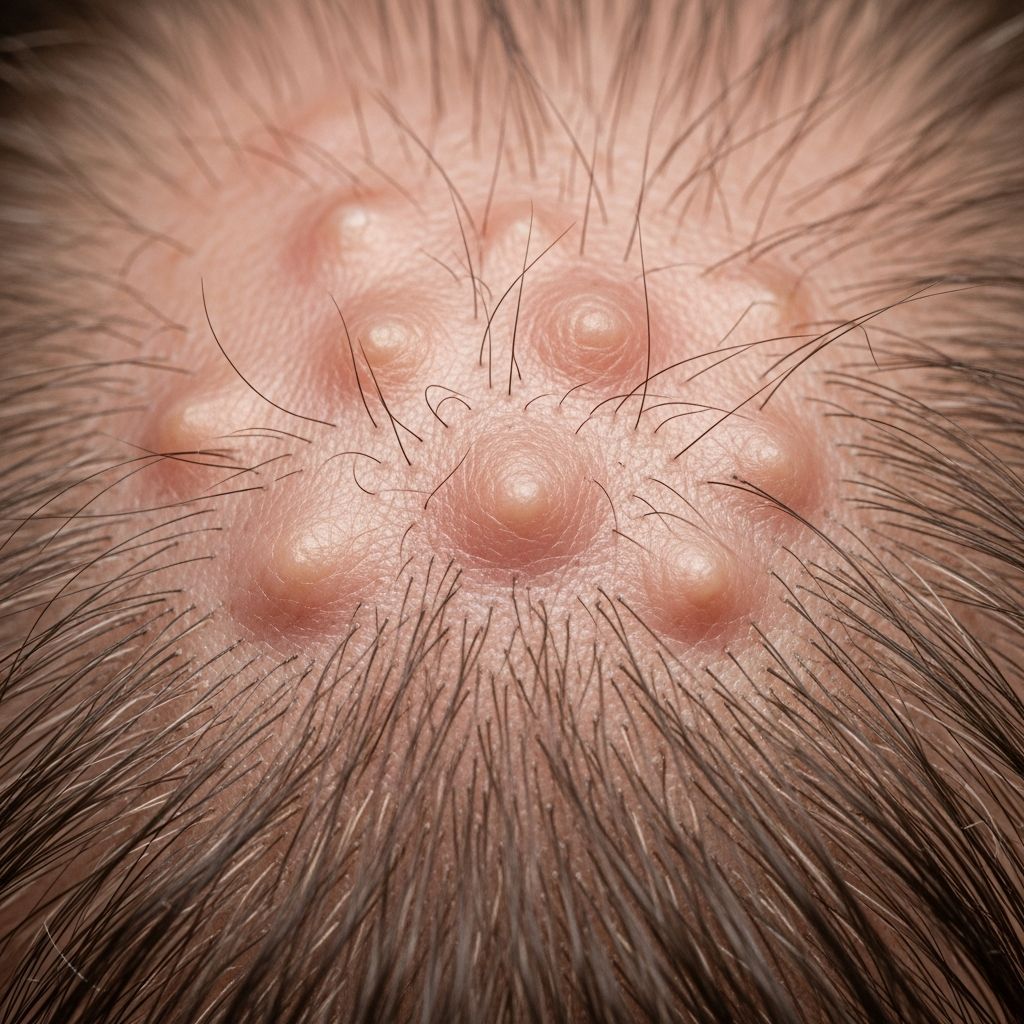
Alopecia mucinosa, also known as follicular mucinosis, is a rare inflammatory disorder affecting hair follicles and sebaceous glands. It is characterized by the accumulation of mucin (a gel-like substance) within these structures, leading to inflammation, follicular damage, and subsequent hair loss. This condition can present acutely in children or chronically in adults, with potential links to underlying malignancies in some cases.
What is alopecia mucinosa?
Alopecia mucinosa is a clinicopathological entity defined by mucinous degeneration of the follicular epithelium. First described by Pinkus in 1957, it manifests as erythematous plaques or papules centered on hair follicles, often resulting in non-scarring alopecia. The mucin deposition disrupts the normal architecture of the pilosebaceous unit, causing the follicle to lose its ability to produce hair.
Primary alopecia mucinosa occurs idiopathically, while secondary forms are associated with benign or malignant conditions, particularly cutaneous T-cell lymphomas like mycosis fungoides. The condition affects individuals across all ages but peaks in children (acute form) and adults in their third to fourth decades (primary form), or older adults for secondary malignancy-associated cases.
Who gets alopecia mucinosa (epidemiology)?
Alopecia mucinosa is uncommon, with no precise incidence rates established due to its rarity. It affects both sexes equally, though some reports suggest a slight male predominance in lymphoma-associated cases.
- Primary/idiopathic form: Often seen in children and young adults (20-40 years), presenting with limited plaques on the face, scalp, or ears. Acute cases in children frequently resolve spontaneously within months to two years.
- Secondary form: Typically in older adults (>50 years), involving larger areas on the trunk, extremities, and face. Up to 15-30% of cases may associate with mycosis fungoides or other lymphomas, necessitating long-term monitoring.
Geographic distribution shows no clear patterns, but case reports are more frequent from regions with advanced dermatopathology services, such as Europe and North America.
What causes alopecia mucinosa?
The exact etiology remains unknown, but immune-mediated mechanisms are implicated. Circulating immune complexes and T-cell mediated inflammation lead to mucin accumulation (hyaluronate and sulfated glycosaminoglycans) in the follicular sheath and sebaceous glands. This disrupts cellular attachments, causing epithelial damage and hair loss.
- Idiopathic/primary: No identifiable trigger; possibly autoimmune.
- Secondary associations: Mycosis fungoides (most common), other lymphomas, insect bites, drug reactions, or infections. In leprosy-endemic areas like India, single facial lesions in young patients have responded to antileprosy multidrug therapy (MDT), suggesting possible atypical presentations.
Mucin buildup physically separates keratinocytes, leading to cystic dilation and inflammatory infiltrate (lymphocytes, histiocytes).
What are the clinical features of alopecia mucinosa?
Lesions begin as small, asymptomatic follicular papules that coalesce into indurated, erythematous plaques with a waxy or mucoid surface. Central hair loss creates a ‘peau d’orange’ appearance due to dilated follicles. Itching, scaling, or tenderness may occur.
Related Stories



- Common sites: Scalp (most frequent, causing alopecia), face (eyebrows, beard), ears, trunk, proximal extremities. Rarely mucosal or palmoplantar.
- Acute primary (children): Single or few plaques on head/neck; spontaneous resolution common.
- Chronic primary (adults): Multiple plaques; persistent but may wax/wane.
- Secondary: Widespread, infiltrative plaques; may ulcerate or generalize.
Hair loss is typically non-scarring but can become irreversible if follicles are destroyed. Follicular spines (keratin casts) may protrude from follicles.
Diagnosis of alopecia mucinosa
Diagnosis relies on clinical suspicion confirmed by histopathology. No blood tests or imaging are specific.
- Skin biopsy: Essential. Shows mucin pools in follicular epithelium (confirmed by Alcian blue/PAS stain), cystic dilation, and mixed inflammatory infiltrate without significant atypia in idiopathic cases. Secondary forms may show atypical lymphocytes.
- Clinicopathological correlation: Biopsy from lesional edge maximizes yield.
Differential diagnosis for alopecia mucinosa
Several conditions mimic alopecia mucinosa clinically or histologically. Key differentials include:
| Condition | Key Distinguishing Features |
|---|---|
| Discoid lupus erythematosus | Scarring alopecia, interface dermatitis, positive ANA. |
| Lichen planopilaris | Perifollicular fibrosis, violaceous papules. |
| Folliculitis decalvans | Pustules, tufted hairs, bacterial superinfection. |
| Mycosis fungoides | Atypical lymphocytes on biopsy, epidermotropism. |
| Acne keloidalis nuchae | Keloidal scars on nape, African descent predilection. |
| Pseudopelade of Brocq | Patchy scarring alopecia without inflammation. |
Secondary alopecia mucinosa may not declare underlying malignancy for years, requiring serial biopsies.
What is the treatment for alopecia mucinosa?
No proven curative treatment exists; management is symptomatic and targets inflammation/mucin production. Primary acute cases in children often resolve spontaneously (2 months-2 years). Chronic or secondary forms require intervention to prevent progression and monitor for malignancy.
Treatment ladder based on extent, age, and response:
First-line (localized/solitary lesions)
- Topical corticosteroids (mid-high potency, e.g., clobetasol 0.05% ointment): Apply twice daily for 4-12 weeks; response in 3 months.
- Intralesional corticosteroids (triamcinolone 10-20 mg/mL): Effective for refractory plaques.
- Topical calcineurin inhibitors (pimecrolimus 1% cream BID): Useful in children; caution re: lymphoma black-box warning.
Second-line (widespread/chronic)
- Oral tetracyclines (minocycline/doxycycline 100 mg BID): Anti-inflammatory; response in 6 months. Avoid <8 years.
- Hydroxychloroquine (200-400 mg/day): For persistent cases; taper after clearance.
- Indomethacin (25 mg BID): NSAID; monitor GI/renal function.
Other options
- Isotretinoin (0.5-1 mg/kg/day), dapsone (100 mg/day), methotrexate, interferon.
- Phototherapy: PUVA, UVA1, photodynamic therapy.
- Surgical excision for solitary lesions.
- In leprosy-endemic areas: Trial MDT for single facial lesions in youth.
Follow-up: 5+ years with biopsies if persistent, to rule out lymphoma. Prognosis good for idiopathic; guarded if secondary.
Frequently Asked Questions (FAQs)
What is the prognosis for alopecia mucinosa?
Primary forms often resolve spontaneously, especially in children. Chronic cases may persist but respond to therapy; secondary types depend on underlying malignancy.
Is alopecia mucinosa permanent?
Hair loss is usually reversible if treated early, but prolonged inflammation can cause scarring.
Can alopecia mucinosa be cured?
No cure, but many achieve remission with treatment.
Is alopecia mucinosa cancerous?
Most cases idiopathic; 10-30% secondary to lymphoma—monitor long-term.
How is alopecia mucinosa diagnosed?
By skin biopsy showing follicular mucinosis.
References
- Hair loss causes: Alopecia Mucinosa — Lucinda Ellery Hair Loss. 2023. https://www.lucindaellery-hairloss.co.uk/blog/hair-loss-general/hair-loss-causes-alopecia-mucinosa.php
- Alopecia Mucinosa — ScarringAlopecia.org. 2024-01-15. https://scarringalopecia.org/alopecia-mucinosa
- Alopecia mucinosa — DermNet NZ. 2023-01-01. https://dermnetnz.org/topics/alopecia-mucinosa
- Follicular Mucinosis (Alopecia Mucinosa) — Dermatology Advisor. 2024. https://www.dermatologyadvisor.com/home/decision-support-in-medicine/dermatology/follicular-mucinosis-alopecia-mucinosa/
- Alopecia mucinosa: A case report — Journal of Skin & Sexually Transmitted Diseases. 2022. https://jsstd.org/alopecia-mucinosa-a-case-report/
- Alopecia Mucinosa Responding to Antileprosy Treatment — PMC / NIH. 2013-06-01. https://pmc.ncbi.nlm.nih.gov/articles/PMC3667288/
Similar Articles








Read full bio of Sneha Tete