Alopecia: Symptoms, Causes, Diagnosis, and Treatment
Comprehensive guide to alopecia: Understand types, symptoms, causes, diagnosis, and effective treatments for hair loss.
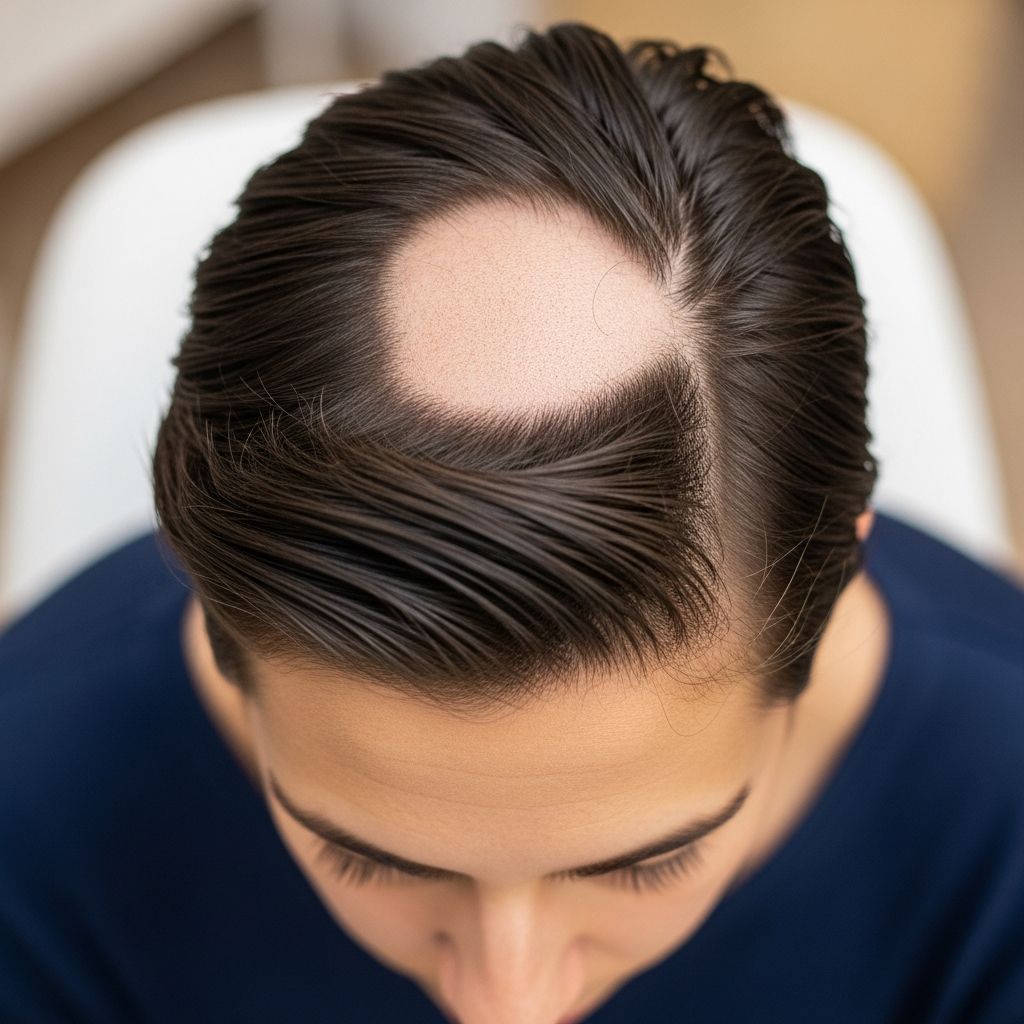
Alopecia refers to hair loss from the scalp and body. While everyone sheds 50–100 hairs daily, alopecia involves noticeable thinning or bald patches. Affecting millions worldwide, it ranges from temporary to permanent. According to the National Alopecia Areata Foundation, alopecia areata impacts about 6.8 million people in the U.S. This article covers types, symptoms, causes, diagnosis, treatments, and more.
What Is Alopecia?
Alopecia is the medical term for hair loss. It disrupts the hair growth cycle—anagen (growth), catagen (transition), telogen (resting), and exogen (shedding). Common forms include androgenetic alopecia (pattern baldness) and alopecia areata (autoimmune patchy loss). Unlike normal shedding, alopecia creates visible bald spots or diffuse thinning.
The condition can affect anyone but is most common in those aged 30–60. Women may notice widening parts; men, receding hairlines. Early intervention improves outcomes, as treatments work best before extensive loss.
Types of Alopecia
Several types exist, varying by pattern and severity:
- Alopecia Areata: Sudden, round bald patches on the scalp. Autoimmune attack on follicles.
- Alopecia Totalis: Complete scalp hair loss, progressing from areata in 5% of cases.
- Alopecia Universalis: Total body hair loss, rare and severe.
- Diffuse Alopecia Areata: Widespread thinning resembling telogen effluvium.
- Ophiasis Alopecia: Band-like loss along scalp sides and back.
- Androgenetic Alopecia: Hereditary pattern baldness, gradual.
Each type requires tailored management. Alopecia areata accounts for most cases, per National Institutes of Health data.
Symptoms of Alolopecia
Symptoms develop suddenly or gradually:
- Smooth, round bald patches (coin-sized).
- Exclamation mark hairs (tapering at base).
- Nail changes: Pitting, ridges (20–30% of cases).
- Itching, tingling, or burning before loss.
- White hair regrowth (common in areata).
- Eyebrow, eyelash, or body hair loss in advanced forms.
Patches may expand or multiply. Regrowth can occur spontaneously in 50% within a year, but recurrence is frequent.
What Causes Alopecia?
Alopecia areata stems from autoimmunity: T-cells attack hair follicles, triggering dormancy. Triggers include:
- Genetics: Family history raises risk 10-fold.
- Stress: Emotional or physical trauma precedes 30% of cases.
- Infections/Vaccines: Viral triggers or immune responses.
- Associated Conditions: Thyroid disease, vitiligo, atopic dermatitis (comorbid in 20–30%).
Unlike scarring alopecias, follicles remain intact, allowing regrowth potential. Recent research links cytokine dysregulation, per a 2022 NIH study.
Risk Factors for Alolopecia
Key risks include:
| Risk Factor | Details |
|---|---|
| Family History | First-degree relatives increase odds by 4–10x. |
| Age | Peak onset under 30; lifelong risk. |
| Autoimmune Diseases | Thyroiditis, type 1 diabetes elevate risk. |
| Gender | Equal prevalence; men more pattern baldness. |
| Environmental | Stress, smoking, pollution implicated. |
Children face higher totalis/universalis risk.
How Is Alopecia Diagnosed?
Diagnosis starts with clinical exam:
- History: Onset, family history, stressors.
- Visual Inspection: Patch shape, hair pull test.
- Dermoscopy: Yellow dots, cadaver hairs.
- Biopsy: Confirms autoimmune infiltrate (rarely needed).
- Blood Tests: Thyroid, iron, ANA for differentials.
Related Stories



Rule out tinea capitis, trichotillomania, or lupus. Trichoscopy improves accuracy to 95%, per dermatology guidelines.
Treatments for Alopecia
No cure exists, but treatments promote regrowth:
Topical Corticosteroids
First-line: Clobetasol foam applied daily. Effective for mild areata (60% response); side effects include skin thinning.
Injections
Intralesional triamcinolone every 4–6 weeks. 70% regrowth in patches under 3cm.
Topical Minoxidil
5% solution boosts blood flow. Combine with steroids for better results.
JAK Inhibitors
FDA-approved baricitinib (Olumiant) for severe cases (2022). Blocks inflammatory signals; 40% achieve 80% scalp coverage. Monitor for infections.
Other Options
- Anthralin: Irritant induces regrowth.
- DPCP: Topical immunotherapy for extensive loss.
- PRP: Platelet-rich plasma injections.
- Wigs, camouflage for cosmetics.
Treatment choice depends on extent; spontaneous remission possible.
Can Alopecia Be Cured?
Not curable, but manageable. Mild cases resolve spontaneously; severe may cycle. Ongoing trials target immune modulation. Early treatment halves progression risk.
How to Prevent Alopecia
Prevention focuses on triggers:
- Manage stress: Meditation, therapy.
- Balanced diet: Biotin, zinc, iron.
- Avoid tight hairstyles, harsh chemicals.
- Treat comorbidities promptly.
Genetic alopecia unpreventable, but minoxidil delays onset.
What Does Alopecia Look Like?
Images show smooth, flesh-toned patches without scaling. Regrowing hairs may be fine/white. Advanced: Total scalp/body baldness. Nail pitting resembles thimbles.
Frequently Asked Questions (FAQs)
Is alopecia permanent?
Not always; 50% regrow hair within a year, but recurrence affects 30–50%.
Is alopecia an autoimmune disease?
Yes, primarily alopecia areata; immune cells attack follicles mistakenly.
Does alopecia hurt?
Usually painless, but some feel itching/tingling pre-loss.
Can alopecia be cured?
No cure, but treatments like JAK inhibitors achieve significant regrowth.
Is alopecia hereditary?
Genetic predisposition strong; 20% have family history.
Emotional Impact and Support
Hair loss affects self-esteem, causing anxiety/depression in 40%. Support groups like NAAF offer resources. Counseling helps cope; many embrace baldness confidently.
References
- Alopecia Areata — National Institute of Arthritis and Musculoskeletal and Skin Diseases (NIAMS), NIH. 2023-06-15. https://www.niams.nih.gov/health-topics/alopecia-areata
- Alopecia Areata: A Review of Diagnosis and Management — New England Journal of Medicine. 2023-10-19. https://www.nejm.org/doi/full/10.1056/NEJMra2300178
- Baricitinib for Alopecia Areata — New England Journal of Medicine (BRAVE-AA1 Trial). 2022-06-02. https://www.nejm.org/doi/full/10.1056/NEJMoa2110343
- Alopecia Areata Fact Sheet — National Alopecia Areata Foundation. 2024-01-10. https://www.naaf.org/alopecia-areata
- Guidelines for the Management of Alopecia Areata — British Association of Dermatologists. 2023-05-01. https://www.bad.org.uk/pils/alopecia-areata/
- Epidemiology and Burden of Alopecia Areata — Journal of the American Academy of Dermatology. 2022-11-01. https://www.jaad.org/article/S0190-9622(22)02814-5/fulltext
Similar Articles








Read full bio of Sneha Tete