Alopecia Symptoms: 11 Signs to Watch For
Recognize the 11 key symptoms of alopecia, from patchy hair loss to nail changes, and understand when to seek medical help for this autoimmune condition.
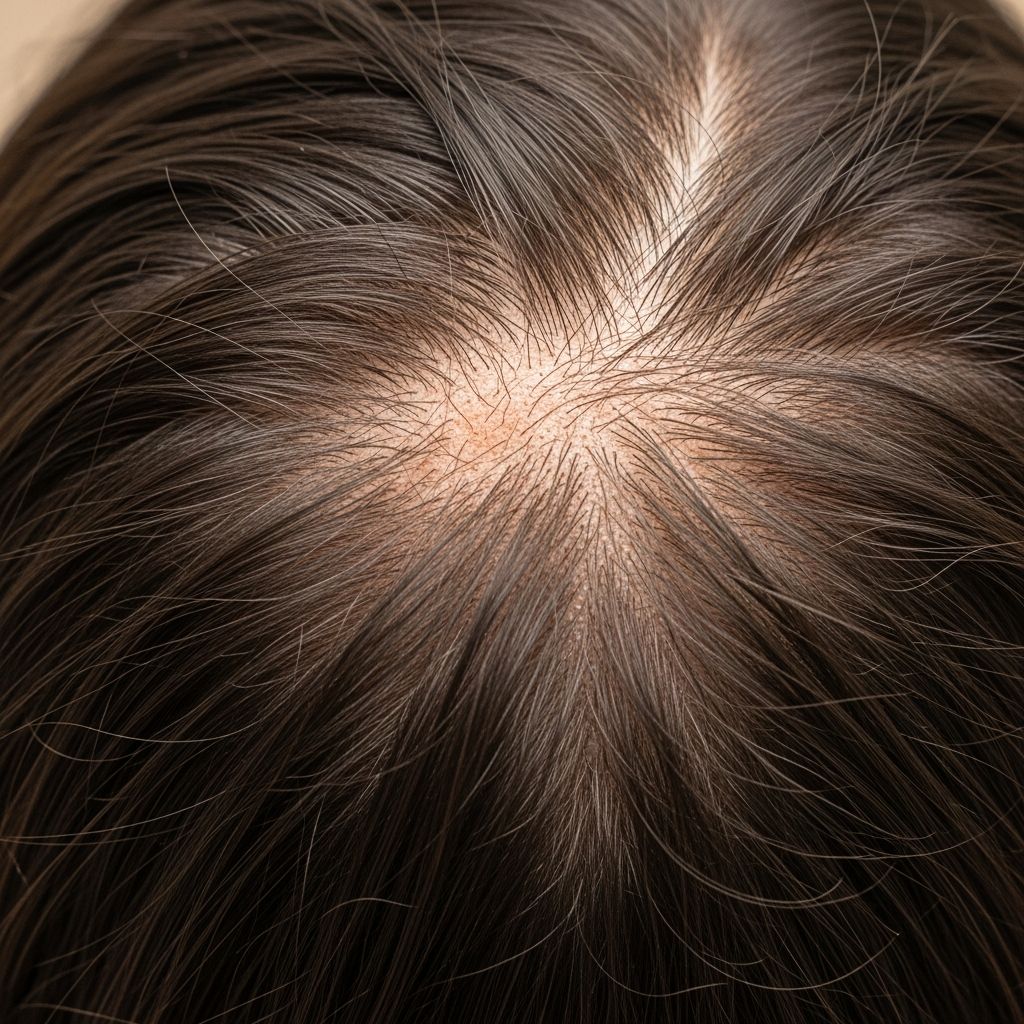
Alopecia areata is an autoimmune condition that triggers sudden hair loss, often in distinct patches on the scalp or elsewhere on the body. Affecting approximately 6.8 million people in the United States, it occurs when the immune system mistakenly attacks hair follicles, leading to hair shedding. Recognizing the symptoms early can help individuals seek appropriate medical care and explore treatment options to potentially stimulate regrowth.
What Is Alopecia?
Alopecia refers to hair loss, but the term most commonly describes
alopecia areata
, a non-scarring, patchy form of hair loss driven by autoimmunity. Unlike pattern baldness or hair loss from styling damage, alopecia areata causes abrupt, round bald spots due to inflammation around hair follicles. The condition can affect anyone, though it’s more prevalent in those with a family history or other autoimmune disorders like thyroid disease or vitiligo.The National Alopecia Areata Foundation notes that alopecia areata leads to hair loss on the scalp, face, and sometimes body areas such as under the arms or legs. While the hair follicles remain intact and capable of regrowth, the visible symptoms can cause significant emotional distress.
Alopecia Areata Symptoms
The hallmark of alopecia areata is
sudden, patchy hair loss
, but several other signs may accompany it. Here are the 11 key symptoms to monitor:- Round or oval bald patches: The most common sign, these smooth, hairless spots typically appear on the scalp but can occur anywhere on the body.
- Exclamation mark hairs: Short, broken hairs tapering to a point, resembling an exclamation mark, often at the edge of bald patches.
- White hair regrowth: New hair may grow back as fine, white strands before regaining pigment.
- Nail pitting: Tiny dents or pits in the nails, affecting up to 10-20% of patients.
- Scalp tingling or itching: Mild sensations before hair loss begins.
- Diffuse thinning: Widespread shedding resembling telogen effluvium.
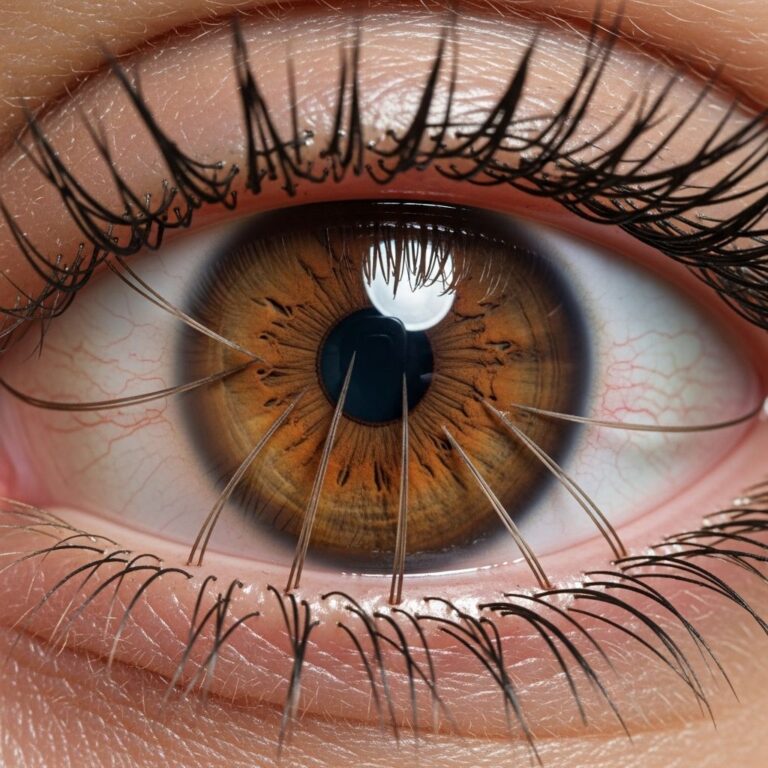
- Eyebrow or eyelash loss: Patchy loss on facial hair.
- Body hair loss: Affecting beard, arms, legs, or pubic areas.
- Total scalp hair loss (alopecia totalis): Complete baldness of the scalp.
- Total body hair loss (alopecia universalis): Loss of all body hair.
- Ophiasis pattern: Band-like hair loss along the scalp’s sides and back.
1. Sudden Patchy Hair Loss
The primary symptom of alopecia areata is the abrupt appearance of one or more
round bald patches
on the scalp, typically 1-2 inches in diameter. These patches feel smooth to the touch because the skin remains healthy, with no scaling or redness in most cases. Hair loss can occur overnight or over a few days, distinguishing it from gradual thinning seen in androgenetic alopecia.In children, patches may first appear at the back of the scalp. According to the National Alopecia Areata Foundation, this symptom affects the scalp most often but can extend to other areas.
2. Exclamation Mark Hairs
At the periphery of bald patches, you may notice
exclamation mark hairs
—short, fractured strands that are thicker at the top and taper to a fine point at the base. These are diagnostic hallmarks of alopecia areata, occurring as hairs are pushed out by inflammation. They often break off easily when tugged gently.3. Smooth Bald Patches
The bald areas in alopecia areata are characteristically
smooth and unmarked
, without the inflammation, scarring, or flaking associated with conditions like ringworm or psoriasis. Short vellus hairs or black dots (destroyed hairs) may be visible upon close inspection, signaling active disease.4. White Hair Regrowth
When hair regrows, it frequently emerges as
fine, white or colorless strands
due to temporary loss of melanocytes (pigment cells) affected by the autoimmune attack. Over time, as inflammation subsides, the hair often regains its natural color. This regrowth pattern is common in mild cases where patches resolve spontaneously.Related Stories



5. Nail Changes
Up to 20% of people with alopecia areata experience
nail abnormalities
, including pitting (small depressions resembling thimbles), ridging, thinning, or discoloration. These changes result from autoimmune effects on nail matrix cells and can precede or accompany hair loss. Fingernails are more commonly affected than toenails.6. Itching or Tingling Scalp
Before visible hair loss, some individuals report
mild itching, burning, or tingling
on the scalp. This prodromal symptom arises from inflammation around follicles and affects about 10-15% of patients. It’s usually subtle and resolves as hair sheds.7. Diffuse Hair Thinning
Not all alopecia areata presents as patches;
diffuse alopecia areata
causes widespread thinning across the scalp, mimicking other shedding disorders. This variant is harder to diagnose early but responds similarly to treatments.8. Eyebrow, Eyelash, or Facial Hair Loss
Alopecia areata frequently targets
facial hair
, leading to patchy loss of eyebrows, eyelashes, or beard hair. Eyelash loss (alopecia areata of the eyelids) can be particularly noticeable and emotionally challenging.9. Body Hair Loss
Hair on the arms, legs, chest, or pubic areas may thin or fall out in patches. While less common than scalp involvement, this symptom underscores the systemic nature of the autoimmune response.
10. Alopecia Totalis or Universalis
In severe forms, hair loss progresses to
alopecia totalis
(complete scalp baldness) oralopecia universalis
(total body hair loss). These affect less than 5% of cases but can develop rapidly from patchy alopecia areata.11. Ophiasis Alopecia
**Ophiasis alopecia** features a distinctive band-like pattern of hair loss along the occipital, temporal, and parietal scalp margins, resembling a snake (Greek ‘ophis’). This form is more resistant to treatment and often signals chronic disease.
Other Types of Alopecia
Beyond alopecia areata, other forms include:
- Androgenetic alopecia: Pattern baldness influenced by hormones.
- Alopecia totalis/universalis: Severe extensions of areata.
- Cicatricial alopecia: Scarring hair loss from inflammation.
- Traction alopecia: From tight hairstyles.
- Telogen effluvium: Temporary shedding from stress or illness.
When to See a Doctor
Consult a dermatologist if you notice sudden bald patches, nail changes, or persistent shedding. Early intervention with corticosteroids, JAK inhibitors like baricitinib (FDA-approved 2022), or immunotherapy can promote regrowth and prevent progression.
Diagnosis and Treatment
Diagnosis involves clinical exam, pull test, dermoscopy, and sometimes biopsy. Treatments include topical minoxidil, intralesional steroids, or systemic options for extensive loss. Spontaneous regrowth occurs in 50% of mild cases within a year.
Frequently Asked Questions (FAQs)
What causes alopecia areata?
Alopecia areata is caused by an autoimmune reaction where T-cells attack hair follicles, often triggered by genetics, stress, or environmental factors.
Is alopecia areata permanent?
Not always; many experience cycles of loss and regrowth, though severe forms like universalis may be chronic.
Can alopecia areata be cured?
There is no cure, but treatments manage symptoms and induce regrowth effectively in many patients.
Does alopecia areata affect nails?
Yes, nail pitting or ridging occurs in 10-20% of cases due to autoimmune involvement.
Is alopecia contagious?
No, alopecia areata is not contagious; it’s an internal autoimmune process.
References
- National Alopecia Areata Foundation | NAAF — National Alopecia Areata Foundation. Accessed 2026. https://www.naaf.org/alopecia-areata/
- Alopecia Areata: Symptoms and Causes — Mayo Clinic. 2024-08-15. https://www.mayoclinic.org/diseases-conditions/alopecia-areata/symptoms-causes/syc-20352922
- Alopecia Areata — National Institute of Arthritis and Musculoskeletal and Skin Diseases (NIAMS). 2023-10-01. https://www.niams.nih.gov/health-topics/alopecia-areata
- Guidelines for the Management of Alopecia Areata — British Association of Dermatologists. 2022-01-01. https://bad.org.uk/wp-content/uploads/2022/01/BAOD-Guidelines-Alopecia-Areata.pdf
- Baricitinib for Alopecia Areata — New England Journal of Medicine (DOI). 2022-06-02. https://www.nejm.org/doi/full/10.1056/NEJMoa2110343
Similar Articles








Read full bio of medha deb