Alpha-1 Antitrypsin Deficiency: Causes, Symptoms & Treatment
Complete guide to understanding alpha-1 antitrypsin deficiency: genetics, diagnosis, and treatment options.
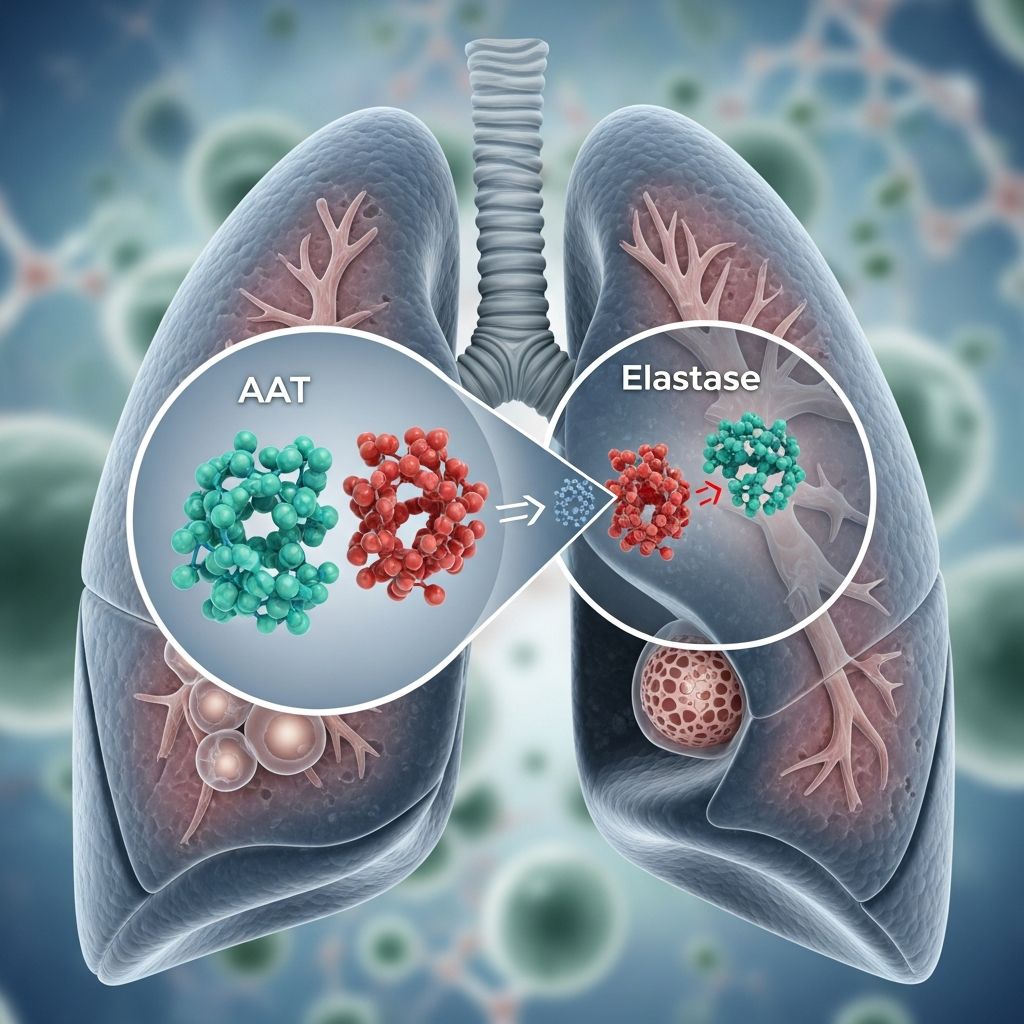
Understanding Alpha-1 Antitrypsin Deficiency
Alpha-1 antitrypsin deficiency, commonly referred to as Alpha-1, is a rare genetic disorder that is inherited through families and predominantly affects the lungs and liver. This condition results from a deficiency of the alpha-1 antitrypsin protein, which normally protects these organs from damage caused by enzymes released during inflammation and infection. When this protective protein is insufficient, organ damage can occur, leading to serious health complications.
Approximately 70,000 to 100,000 Americans may have alpha-1 antitrypsin deficiency, though the vast majority of cases remain undiagnosed. The underrecognition of this condition represents a significant public health challenge, as delayed diagnosis is associated with adverse outcomes and progression of disease. Early identification and intervention can substantially improve quality of life and slow disease progression.
What Causes Alpha-1 Antitrypsin Deficiency?
Alpha-1 antitrypsin deficiency is an inherited metabolic disorder caused by mutations in the gene responsible for producing the alpha-1 antitrypsin protein. This protein is synthesized by the liver and serves as a crucial protease inhibitor, defending lung tissue from destructive enzymes released by neutrophils during immune responses.
The condition follows an autosomal recessive inheritance pattern, meaning an individual must inherit two defective gene copies—one from each parent—to develop severe disease. Different genetic variants produce varying degrees of deficiency. The Z variant is associated with the most severe phenotypic features and accounts for the majority of clinically significant cases. Individuals with the PI*ZZ genotype typically experience the most pronounced symptoms and are at highest risk for early-onset emphysema and liver disease.
How Does Alpha-1 Antitrypsin Deficiency Affect Your Body?
The pathophysiology of alpha-1 antitrypsin deficiency involves two primary mechanisms of organ damage. In the lungs, the deficiency of protective alpha-1 antitrypsin allows neutrophil elastase—an enzyme normally kept in check—to accumulate and damage lung tissue, leading to progressive emphysema. This process typically results in irreversible destruction of alveolar walls and loss of lung function.
In the liver, the situation differs considerably. Liver cells produce the defective alpha-1 antitrypsin protein, but this abnormal protein cannot be secreted properly into the bloodstream. Instead, it accumulates excessively within liver cells, causing cellular damage and potentially leading to inflammation, fibrosis, and cirrhosis over time. This hepatic accumulation can progress to chronic hepatitis, cirrhosis with portal hypertension, and hepatocellular carcinoma in severe cases.
Symptoms and Clinical Manifestations
Symptoms in Adults
Adult-onset alpha-1 antitrypsin deficiency typically presents with respiratory symptoms mimicking chronic obstructive pulmonary disease (COPD). These symptoms may include:
- Shortness of breath, particularly during physical exertion
- Chronic cough that may produce sputum
- Wheezing and reduced exercise tolerance
- Recurrent respiratory infections
- Chest discomfort or tightness
Adults may also experience symptoms related to liver involvement, including fatigue, jaundice, abdominal pain, and signs of portal hypertension. Many adults experience an average diagnostic delay of 7.2 years or more between initial symptoms and confirmed diagnosis, during which disease progression continues unchecked.
Symptoms in Children
Children with alpha-1 antitrypsin deficiency may present with different clinical features. Approximately two-thirds of newborns deficient in alpha-1 antitrypsin exhibit abnormal liver enzyme levels. Clinical manifestations in children include:
Related Stories



- Neonatal or infant hepatitis with jaundice
- Prolonged cholestasis (impaired bile flow) in infancy
- Hepatosplenomegaly (enlargement of liver and spleen)
- Poor growth and developmental delays
- Persistent abnormal liver function tests
Fortunately, many infants show spontaneous remission of liver symptoms. However, only approximately 3% of diagnosed neonates progress to fibrosis or cirrhosis during childhood and teenage years, though careful surveillance reveals that many retain persistently abnormal liver enzyme levels.
Diagnosis and Testing
Laboratory Testing Methods
Comprehensive testing for alpha-1 antitrypsin deficiency involves two specific laboratory measurements. The first test measures the serum level of alpha-1 antitrypsin protein, typically reported in milligrams per 100 milliliters (mg/dl), with newer nomenclature using micromolar units.
When serum levels fall below the lower limit of the normal range established by the testing laboratory, deficiency may exist. Severe deficiency of the ZZ type—the most common significant deficiency—generally shows serum levels in the range of 10 to 30 mg/dl, well below the protective threshold of 57 mg/dl.
The second critical test determines the genotype, establishing the genetic blueprint of the individual’s alpha-1 antitrypsin variants, such as PI*ZZ, PI*MM, or PI*MZ. This genetic classification helps predict disease severity and guide treatment decisions.
Available Testing Options
Multiple approaches to testing for alpha-1 antitrypsin deficiency are currently available. A standard blood test drawn during an office visit remains the most common method, requiring only routine venipuncture. Additionally, fingerstick testing is available through the Alpha-1 Foundation, offering a less invasive option for initial screening. Diagnosis confirmation typically requires both level and genotype testing through reputable laboratory services.
Treatment and Management Options
Standard COPD Management
The basic care for patients with COPD due to alpha-1 antitrypsin deficiency follows the same principles as management of “usual” COPD, including:
- Bronchodilators to improve airway function
- Inhaled corticosteroids to reduce inflammation
- Supplemental oxygen therapy when needed
- Preventive vaccinations against influenza and pneumococcal disease
- Pulmonary rehabilitation programs
These conventional therapies form the foundation of disease management and help control symptoms while slowing disease progression.
Augmentation Therapy
Augmentation therapy represents the only specific treatment available for alpha-1 antitrypsin deficiency and involves the intravenous administration of purified, pooled human-plasma-derived alpha-1 antitrypsin protein. This therapy is administered on a regular schedule, typically weekly or monthly, to raise blood levels above the protective threshold of 57 mg/dl.
The goal of augmentation therapy is to provide sufficient levels of functional alpha-1 antitrypsin protein to adequately protect lung tissue from enzymatic damage. While definitive proof that intravenous augmentation therapy improves long-term outcomes through a single definitive study is not available, multiple supportive studies suggest overall clinical effectiveness. Research indicates that augmentation therapy can reduce the frequency of lung infections, slow the rate of decline in lung function, reduce mortality, reduce the rate of lung tissue loss on CT scanning, and improve exercise capacity.
Augmentation therapy offers no significant benefit for liver disease management and is primarily indicated for individuals with emphysema due to alpha-1 antitrypsin deficiency. Four FDA-approved drugs are currently available for use in the United States, providing patients with multiple therapeutic options.
Liver Transplantation
For patients with decompensated liver disease—including cirrhosis with portal hypertension and hepatocellular carcinoma—liver transplantation offers definitive treatment. Liver transplantation cures the metabolic defect in alpha-1 antitrypsin deficiency, as the transplanted organ produces normal quantities of functional alpha-1 antitrypsin protein. Following successful transplantation, serum levels of alpha-1 antitrypsin normalize, and the progression of lung disease may be halted.
Prognosis and Outcomes
The prognosis for individuals with alpha-1 antitrypsin deficiency emphysema is comparable to that of individuals with “usual” emphysema, with approximately 60 to 70 percent five-year survival rates observed at the largest and most experienced transplant centers. Outcomes are substantially influenced by the timing of diagnosis, adherence to treatment protocols, and individual disease severity.
Exacerbations of COPD in individuals with severe alpha-1 antitrypsin deficiency are associated with worsened clinical status and accelerated disease progression. In clinical series, approximately 54% of patients with PI*ZZ genotype experienced a disease exacerbation within the first year of follow-up, with 18% experiencing at least three exacerbations. Notably, exacerbations occurred more frequently during December and January months in approximately 32% of individuals, likely due to viral precipitants.
When to Seek Medical Evaluation
Medical evaluation for alpha-1 antitrypsin deficiency should be considered in several clinical scenarios. All adults presenting with fixed airflow obstruction and COPD symptoms warrant screening, particularly those with early disease onset (before age 45), minimal smoking history, or family history of emphysema or liver disease. Additionally, individuals with emphysema basilar predominance—an atypical pattern—should be evaluated, as this distribution is more characteristic of alpha-1 deficiency than usual emphysema.
Children and young adults with unexplained liver disease, neonatal hepatitis, or chronic hepatitis should undergo testing. Family members of individuals diagnosed with alpha-1 antitrypsin deficiency should also be screened, as genetic counseling and testing can identify at-risk relatives before symptom onset.
Frequently Asked Questions
Q: How common is alpha-1 antitrypsin deficiency?
A: Approximately 70,000 to 100,000 Americans have alpha-1 antitrypsin deficiency, making it one of the most common inherited metabolic disorders in people of Northern European ancestry. However, most cases remain undiagnosed, with fewer than 15,000 receiving clinical diagnosis.
Q: Can alpha-1 antitrypsin deficiency be cured?
A: While emphysema caused by alpha-1 deficiency cannot be cured, augmentation therapy can slow disease progression. Liver transplantation cures the metabolic defect in alpha-1 deficiency for patients with end-stage liver disease, as the transplanted organ produces normal alpha-1 antitrypsin protein.
Q: Is augmentation therapy covered by insurance?
A: Most insurance plans, including Medicare, cover augmentation therapy for individuals with diagnosed alpha-1 antitrypsin deficiency and documented emphysema. Coverage criteria and specific requirements vary by plan, so consultation with your insurance provider and healthcare team is recommended.
Q: What is the genetic inheritance pattern for alpha-1 antitrypsin deficiency?
A: Alpha-1 antitrypsin deficiency follows an autosomal recessive inheritance pattern. This means an individual must inherit two defective gene copies—one from each parent—to develop severe disease. Individuals inheriting one defective copy are carriers but typically remain asymptomatic.
Q: Are there any new treatments on the horizon?
A: Research into promising new therapies for alpha-1 antitrypsin deficiency is ongoing. These include gene therapy approaches, alternative delivery methods for augmentation therapy beyond intravenous infusion, and medications targeting inflammation and tissue destruction mechanisms.
References
- Alpha-1 Antitrypsin Deficiency Center — Cleveland Clinic. Accessed December 2025. https://my.clevelandclinic.org/departments/respiratory/depts/alpha-1-antitrypsin-deficiency
- Alpha1-Antitrypsin Deficiency — Cleveland Clinic Digestive Disease Institute, Department of Hepatology. Accessed December 2025. https://my.clevelandclinic.org/departments/digestive/medical-professionals/hepatology/alpha-antitrypsin-deficiency
- Alpha-1 antitrypsin deficiency: An underrecognized, commonly overlooked diagnosis — Cleveland Clinic Journal of Medicine, Vol. 83, No. 7. 2016. https://www.ccjm.org/content/83/7/507
- Alpha-1 Antitrypsin (SERPINA1) Targeted Genotyping — Cleveland Clinic Laboratories. February 2020. https://clevelandcliniclabs.com/wp-content/uploads/2020/02/Alpha-1-Antitrypsin-Technical-Brief-Cleveland-Clinic-Laboratories.pdf
- Alpha-1 Antitrypsin Deficiency (AATD) — Cleveland Clinic Medical Education. Accessed December 2025. https://www.clevelandclinicmeded.com/online/alpha1/
Similar Articles








Read full bio of medha deb