Alpha Hydroxy Acid Facial Treatments: 5 AHA Types And Benefits
Discover how alpha hydroxy acids rejuvenate ageing skin, reduce fine lines, and improve texture through peels and topical treatments.
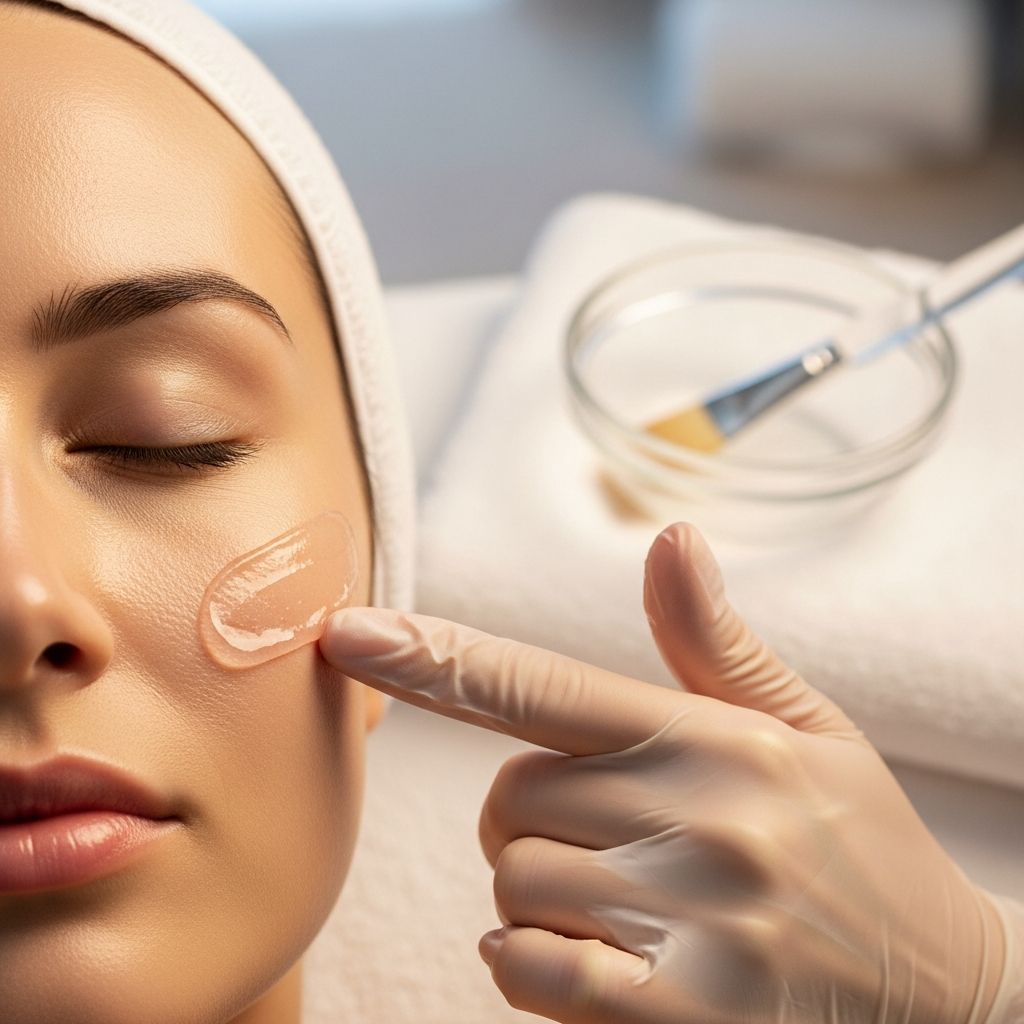
Alpha hydroxy acid (**AHA**) preparations are highly recommended for individuals whose skin exhibits signs of ageing. These treatments effectively target
fine lines
,brown marks
, anddry spots
(such as actinic keratoses), leading to noticeable improvements with regular applications or chemical peels. Glycolic acid and lactic acid are among the most commonly used AHAs in cosmetics to rejuvenate the skin, making them safe options even during pregnancy.What are alpha hydroxy acids?
Alpha hydroxy acids are a group of naturally occurring acids derived from fruits, milk sugars, and sugar cane. The most prevalent types in skincare include
glycolic acid
(from sugar cane),lactic acid
(from milk), and others like mandelic, tartaric, and citric acids. These water-soluble exfoliants work by loosening the bonds between dead skin cells on the surface, promoting gentle shedding and revealing fresher skin underneath.With advancing age and cumulative sun exposure, the skin’s natural cell turnover slows. This leads to a buildup of dead keratinocytes on the stratum corneum, resulting in a dull, uneven appearance characteristic of photoaged skin. AHAs counteract this by dissolving the ‘glue-like’ substances (desmosomes) that hold surface cells together, accelerating exfoliation.
How do alpha hydroxy acids work?
AHAs primarily act on the epidermis by enhancing desquamation—the natural shedding of dead skin cells. At lower concentrations (5-10%), they provide superficial exfoliation suitable for daily use. Higher concentrations (20-70%) used in peels penetrate deeper, stimulating collagen and elastin production in the dermis. This dual action smooths fine lines, evens skin tone, and improves texture.
Clinical studies demonstrate that consistent AHA use increases glycosaminoglycan synthesis, thickens the epidermis, and boosts hyaluronic acid expression, leading to plumper, more hydrated skin. For instance, after 21 days, users saw a 32.5% reduction in wrinkle depth and 42.9% smoother surface texture. Additionally, AHAs exhibit mild antibacterial properties, benefiting acne-prone skin by unclogging pores and reducing inflammation.
Who benefits from alpha hydroxy acid facial treatments?
AHA treatments are ideal for those with:
- Photoaged skin showing fine wrinkles, dyspigmentation, or roughness.
- Actinic keratoses or other precancerous lesions.
- Acne-prone or oily skin needing pore refinement.
- Hyperpigmentation issues like melasma, age spots, or post-inflammatory marks.
- Dull, uneven complexion desiring brighter tone.
They are particularly suitable for busy professionals seeking non-invasive alternatives to lasers or deep peels, as recovery is minimal. Darker skin tones should proceed cautiously due to potential post-inflammatory hyperpigmentation risks.
Types of alpha hydroxy acids used in skincare
| AHA Type | Source | Skin Benefits | Suitability |
|---|---|---|---|
| Glycolic acid | Sugar cane | Deep penetration, strong exfoliation, collagen boost | All skin types; potent for ageing |
| Lactic acid | Milk | Hydrating, gentler exfoliation, improves barrier | Dry, sensitive skin |
| Mandelic acid | Bitter almonds | Antibacterial, large molecule for mild action | Acne-prone, sensitive |
| Tartaric acid | Grapes | Antioxidant, stabilises formulations | Hyperpigmentation |
| Citric acid | Citrus fruits | Brightening, pH adjuster | All types, adjunct |
Related Stories



Glycolic acid is the gold standard due to its small molecular size, allowing superior penetration. Lactic acid, larger and more humectant, suits drier skins.
Alpha hydroxy acid peel procedure
A standard glycolic acid peel is quick, lasting 15-20 minutes, and repeatable every 1-2 weeks. The process includes:
- Cleansing: Thorough removal of oils and debris.
- Application: Peel solution (20-70% concentration) applied evenly for 3 minutes; mild stinging is normal.
- Neutralisation: Solution rinsed off with water or neutraliser.
- Post-care: Soothing mask, moisturiser, and sunscreen applied.
Treated skin may appear pink for hours, with light peeling over 2-3 days, easily camouflaged by makeup.
What to expect after an AHA peel
- Immediate: Mild erythema, tightness; subsides in 1-2 hours.
- Days 1-3: Flaking or peeling; avoid picking.
- Week 1+: Smoother texture, brighter tone; cumulative improvements over 4-6 sessions.
- **Long-term:** Reduced wrinkles, even pigmentation, refined pores after 2-3 months.
At-home alpha hydroxy acid products
Leave-on AHA formulations (5-15%) in serums, creams, or toners complement peels. Apply nightly, alternating with retinoids or vitamin C. Prescription-strength options from dermatologists outperform over-the-counter ones.
Building tolerance:
- Weeks 1-2: 1x/week, evening use + SPF.
- Weeks 3-4: 2x/week if tolerated.
- Maintenance: 2-3x/week max.
Pair with barrier-support agents like squalane, panthenol for sensitive skin.
Side effects and precautions
AHAs increase photosensitivity; UV-induced damage doubles after 4 weeks of use, raising sunburn risk by 18%. Daily broad-spectrum SPF 30+ is mandatory.
Other risks:
- Irritation: Stinging, redness—reduce frequency.
- Hyperpigmentation: More common in Fitzpatrick IV-VI skins.
- Allergic reactions: Rare; patch test advised.
Contraindications: Active eczema, rosacea flare, recent isotretinoin use (<6 months), pregnancy (high % peels). FDA warns of sun sensitivity with AHAs.
Professional vs. at-home AHA treatments
| Aspect | Professional | At-Home |
|---|---|---|
| Concentration | 20-70% | 5-15% |
| Depth | Superficial-medium | Superficial |
| Customization | High (skin assessment) | Low |
| Results speed | Faster, dramatic | Gradual |
| Downtime | 1-3 days | None |
Professionals ensure safety for sensitive conditions.
Frequently asked questions (FAQs)
Are AHA treatments safe during pregnancy?
Yes, low-concentration topicals like glycolic/lactic acid are considered safe; avoid high-strength peels.
How often can I get AHA peels?
Every 1-2 weeks for superficial peels; 4-6 sessions for optimal results, then maintenance.
Do AHAs help acne?
Yes, by exfoliating pores and reducing oiliness; combine with salicylic acid for best effect.
Can I use AHAs with retinol?
Alternate nights to avoid irritation; start slowly.
What SPF should I use with AHAs?
Broad-spectrum SPF 30+ daily, reapplied every 2 hours outdoors.
Authoritative sources and further reading
For deeper insights, consult dermatologists. Always patch test new products.
References
- Alpha hydroxy acid facial treatments — DermNet NZ. 2023. https://dermnetnz.org/topics/alpha-hydroxy-acid-facial-treatments
- The Power of AHAs: How to Incorporate Them Without Overdoing It — Spavia. 2025-09-20. https://westminstercoorchardtowncenter.spaviadayspa.com/blog/2025/09/20/the-power-of-ahas-how-to-incorporate-them-without-overdoing-it
- Alpha hydroxy acid (AHA): Types, benefits, and how to use — Medical News Today. 2023. https://www.medicalnewstoday.com/articles/alpha-hydroxy-acid
- Alpha Hydroxy Acids — U.S. Food and Drug Administration (FDA). 2022. https://www.fda.gov/cosmetics/cosmetic-ingredients/alpha-hydroxy-acids
- Dual Effects of Alpha-Hydroxy Acids on the Skin — National Center for Biotechnology Information (PMC). 2018-05-20. https://pmc.ncbi.nlm.nih.gov/articles/PMC6017965/
Similar Articles








Read full bio of Sneha Tete