Altered Mental Status: Causes, Symptoms & Treatment
Understanding altered mental status: symptoms, causes, and effective management strategies.
What Is Altered Mental Status?
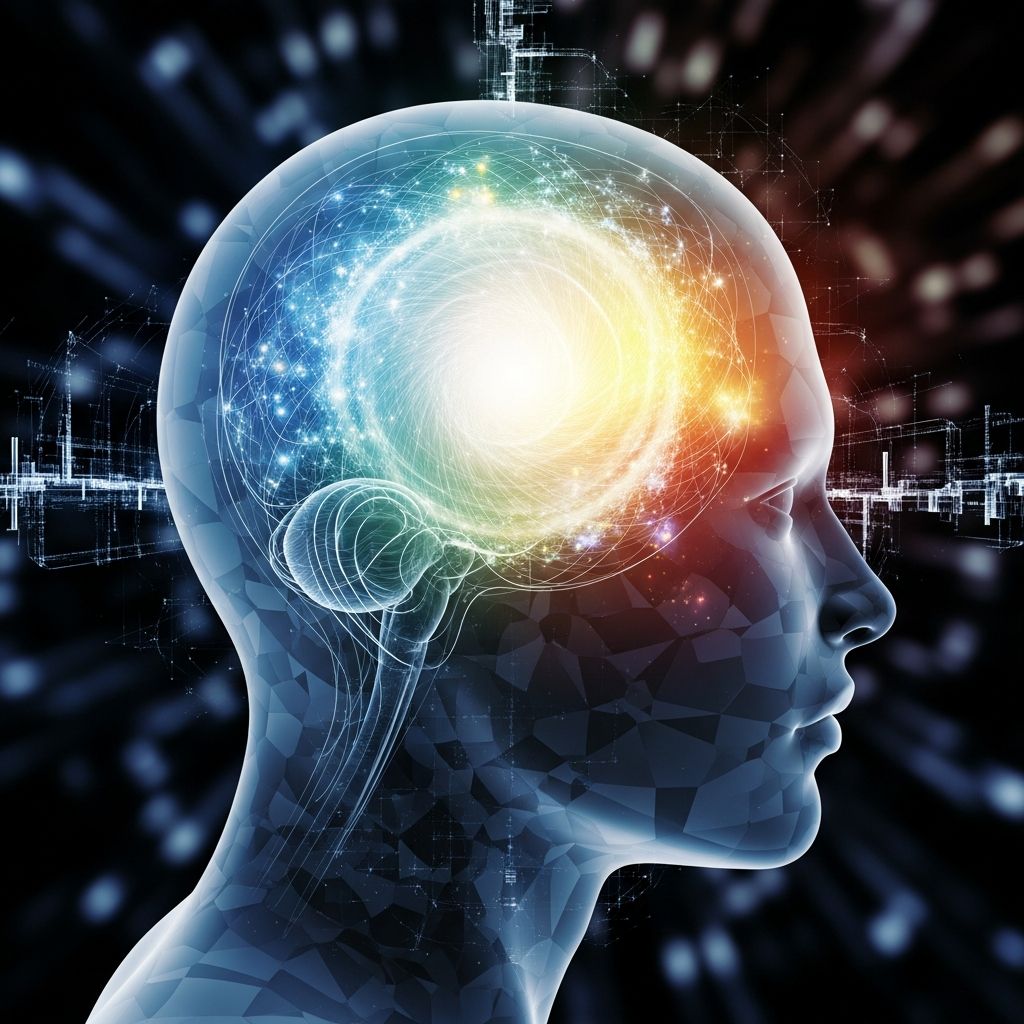
Altered mental status (AMS) refers to a change in a person’s mental function, often resulting from illness, injury, or disorder. This condition can manifest as confusion, disorientation, changes in behavior, or even unconsciousness. AMS is not a diagnosis itself but rather a symptom of an underlying problem affecting the brain. It can be temporary or, in some cases, life-threatening, making prompt medical attention essential.
Causes of Altered Mental Status
Altered mental status can arise from a wide range of causes, which can be broadly categorized into neurological, metabolic, toxic, infectious, and systemic factors. Some of the most common causes include:
- Neurological conditions: Stroke, traumatic brain injury, seizures, brain tumors, and neurodegenerative diseases like Alzheimer’s.
- Metabolic imbalances: Hypoglycemia (low blood sugar), hyperglycemia (high blood sugar), electrolyte disturbances, liver or kidney failure.
- Toxic exposures: Drug overdose, alcohol intoxication, exposure to toxins or poisons.
- Infections: Meningitis, encephalitis, sepsis, and other systemic infections.
- Systemic illnesses: Heart failure, respiratory failure, hypoxia (low oxygen levels), and shock.
- Psychiatric disorders: Delirium, psychosis, and severe depression.
Symptoms of Altered Mental Status
The symptoms of altered mental status can vary widely depending on the underlying cause. Common symptoms include:
- Confusion or disorientation
- Memory problems
- Changes in behavior or personality
- Difficulty concentrating
- Slurred speech
- Agitation or restlessness
- Depression or anxiety
- Hallucinations or delusions
- Decreased level of consciousness
- Impaired motor control
Diagnosis of Altered Mental Status
Diagnosing altered mental status involves a thorough evaluation to determine the underlying cause. This process typically begins in a hospital emergency department and may include the following steps:
- Medical history: Healthcare providers will ask about the patient’s medical history, recent illnesses, medications, and any recent changes in behavior or mental function.
- Physical examination: A comprehensive physical exam is performed to assess vital signs, neurological function, and any signs of trauma or infection.
- Neurological assessment: This may include tests to evaluate the patient’s level of consciousness, orientation, memory, and cognitive function.
- Diagnostic tests: Additional tests may be ordered to pinpoint the cause, such as blood tests, imaging studies (CT or MRI), and lumbar puncture.
Initial Assessment and Emergency Care
The initial assessment of a patient with altered mental status is critical for determining the severity of the condition and initiating appropriate treatment. Emergency care providers tailor their assessment based on the symptoms and severity of AMS. The initial steps typically include:
- Assessment of ABCs: Airway, breathing, and circulation are evaluated to ensure the patient is hemodynamically stable.
- Cardiac monitoring and pulse oximetry: These are used to monitor heart rate and oxygen levels.
- Supplemental oxygen: Administered if the patient is hypoxic or in respiratory distress.
- Point-of-care glucose testing: To check for hypoglycemia or hyperglycemia.
- Intravenous access: Established for administration of fluids or medications.
- Evaluation for trauma: Consideration for cervical spine stabilization if trauma is suspected.
- Naloxone administration: Considered if narcotic overdose is suspected.
- Point-of-care ultrasound (POCUS): Used if the patient is in shock.
Diagnostic Tests for Altered Mental Status
To identify the underlying cause of altered mental status, a variety of diagnostic tests may be performed. These tests help to rule out life-threatening conditions and guide treatment. Common diagnostic tests include:
Related Stories



| Test | Purpose |
|---|---|
| Blood glucose | To check for hypoglycemia or hyperglycemia |
| Electrolyte panel | To assess for electrolyte imbalances |
| Complete blood count (CBC) | To check for infection or anemia |
| Renal function tests | To assess kidney function |
| Liver function tests | To assess liver function |
| Urine toxicology | To check for drug or toxin exposure |
| Chest radiograph | To check for pneumonia or other lung conditions |
| CT or MRI of the brain | To check for stroke, tumor, or other brain abnormalities |
| Lumbar puncture | To check for meningitis or encephalitis |
Treatment of Altered Mental Status
The best treatments for altered mental status depend on the underlying cause. In many cases, addressing the root cause can lead to improvement or resolution of symptoms. Treatment options may include:
- Medications: Depending on the cause, medications may be used to treat infections, correct metabolic imbalances, or manage psychiatric symptoms.
- Supportive care: This may include oxygen therapy, intravenous fluids, and monitoring in a hospital setting.
- Behavioral interventions: For patients with delirium or psychosis, behavioral interventions and environmental modifications may be helpful.
- Rehabilitation: In cases of chronic conditions like dementia, rehabilitation and supportive care can help manage symptoms and improve quality of life.
Prognosis and Outlook
The outlook for patients with altered mental status varies depending on the underlying cause. For conditions like delirium or psychosis, symptoms typically improve with appropriate treatment. However, in cases of chronic conditions like dementia, treatments can stabilize life-threatening issues, but mental decline may continue to progress. Early diagnosis and prompt treatment are crucial for improving outcomes.
Prevention of Altered Mental Status
While not all cases of altered mental status can be prevented, certain measures can help reduce the risk:
- Regular medical check-ups to monitor for underlying health conditions.
- Proper management of chronic illnesses like diabetes, heart disease, and kidney disease.
- Avoiding substance abuse and excessive alcohol consumption.
- Maintaining a healthy lifestyle with regular exercise, a balanced diet, and adequate sleep.
- Staying up-to-date with vaccinations to prevent infections.
Frequently Asked Questions (FAQs)
Q: What is the difference between altered mental status and confusion?
A: Altered mental status is a broad term that encompasses a range of changes in mental function, including confusion. Confusion specifically refers to a state of disorientation and difficulty thinking clearly.
Q: Can altered mental status be reversed?
A: In many cases, altered mental status can be reversed if the underlying cause is identified and treated promptly. However, in chronic conditions like dementia, the changes may be irreversible.
Q: When should I seek emergency medical care for altered mental status?
A: You should seek emergency medical care if you or a loved one shows signs of altered mental status, especially if the symptoms are severe, sudden, or accompanied by other concerning symptoms like difficulty breathing, chest pain, or loss of consciousness.
Q: What are the most common causes of altered mental status in the elderly?
A: The most common causes of altered mental status in the elderly include infections, metabolic imbalances, medication side effects, and neurodegenerative diseases like Alzheimer’s.
Q: How is altered mental status diagnosed in children?
A: In children, altered mental status is diagnosed through a thorough medical history, physical examination, and diagnostic tests similar to those used in adults. Special attention is given to developmental milestones and age-specific symptoms.
References
- Altered Mental Status: Causes, Symptoms & Treatment — Cleveland Clinic. 2023. https://my.clevelandclinic.org/health/diseases/23159-altered-mental-status-ams
- Approach to Altered Mental Status and Inpatient Delirium — PMC. 2022. https://pmc.ncbi.nlm.nih.gov/articles/PMC9469667/
- Altered Mental Status (AMS): Nursing Diagnoses, Care Plans — NurseTogether. 2023. https://www.nursetogether.com/altered-mental-status-nursing-diagnosis-care-plan/
Similar Articles








Read full bio of medha deb