Alternative Surgeries For Parkinson’s: Options, Benefits, Risks
Discover non-DBS surgical options like focused ultrasound and lesion therapies that target Parkinson's motor symptoms when medications fail.
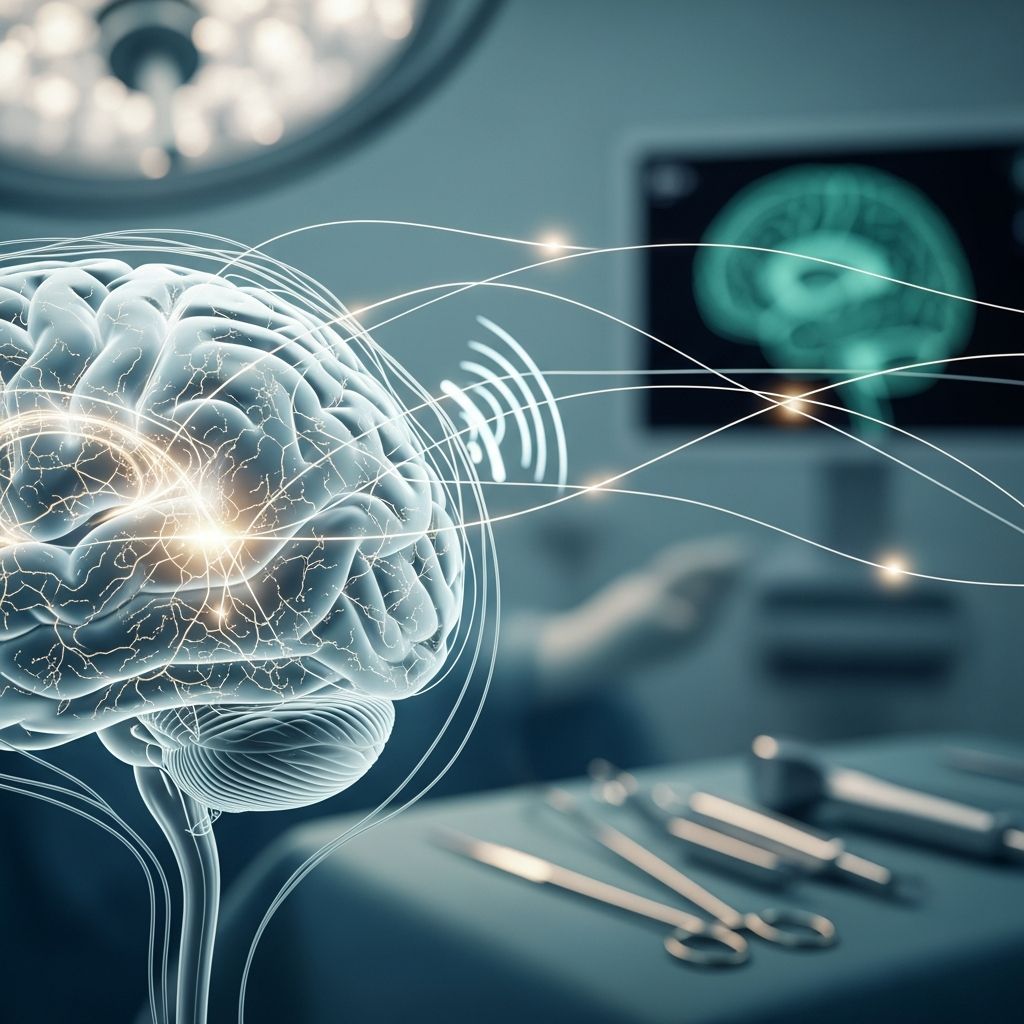
Parkinson’s disease affects millions worldwide, progressively impairing movement through the loss of dopamine-producing cells in the brain. While medications like levodopa provide initial relief, many patients experience diminishing returns, motor fluctuations, and side effects such as dyskinesias over time. For these individuals, surgical interventions offer a pathway to better symptom control. Beyond the widely recognized deep brain stimulation (DBS), several alternative procedures target specific brain regions to alleviate tremors, rigidity, bradykinesia, and related issues. These options, including focused ultrasound and lesioning techniques, are typically considered when medications no longer suffice or cause intolerable complications.
Understanding the Need for Surgical Interventions
Surgical treatments become relevant in mid-to-late stages of Parkinson’s, where patients face ‘off’ periods—times of poor symptom control despite medication—and involuntary movements during ‘on’ periods. The goal is to restore smoother motor function, extend ‘on’ time, and potentially reduce drug dosages. Procedures focus on basal ganglia structures like the thalamus, globus pallidus interna (GPi), and subthalamic nucleus (STN), which are overactive in Parkinson’s due to dopamine deficits. Unlike DBS, which involves implantable devices, alternatives often provide permanent lesions without hardware, appealing to those wary of long-term maintenance.
Patient selection is critical. Ideal candidates have tremor-dominant or asymmetric symptoms, good response to levodopa (indicating preserved brain circuits), and no significant cognitive impairments. Comprehensive evaluations, including neurological exams and imaging, ensure safety and efficacy.
Focused Ultrasound: A Non-Invasive Breakthrough
Focused ultrasound (FUS) represents a cutting-edge, incision-free approach using high-intensity sound waves to create precise brain lesions. Guided by real-time MRI, thousands of ultrasound beams converge on a target area, generating heat up to 55-60°C to ablate faulty tissue without affecting surrounding regions. This method excels for medication-resistant tremors in Parkinson’s and essential tremor.
The procedure unfolds over 2-4 hours, with patients awake to provide feedback on symptom improvement and side effects. No skull penetration or anesthesia is required beyond mild sedation, minimizing infection risks. FDA approval for unilateral thalamotomy in Parkinson’s tremor came in 2021, building on essential tremor successes. Studies report 50-70% tremor reduction on the treated side, sustained for years in many cases.
- Advantages: Outpatient recovery (often same-day discharge), no implants, reversible planning before final ablation.
- Limitations: Unilateral only due to risks like ataxia or speech issues bilaterally; less effective for non-tremor symptoms like gait.
Emerging applications include FUS subthalamotomy for broader motor benefits in asymmetric Parkinson’s, showing promising results in rigidity and bradykinesia reduction.
Pallidotomy: Targeting the Globus Pallidus
Pallidotomy involves lesioning a small portion of the GPi, a key inhibitory structure in the basal ganglia circuit disrupted in Parkinson’s. By radiofrequency ablation or other means, surgeons reduce overactivity here, smoothing dopamine-responsive pathways. Historically prominent before DBS, it regained interest for select cases.
Pre-operative MRI and CT pinpoint the site. Performed under local anesthesia, patients perform tasks to confirm targeting. Unilateral pallidotomy treats contralateral symptoms effectively, improving dyskinesias, dystonia, bradykinesia, and tremor by 40-60% in responsive patients.
| Symptom | Improvement Rate | Duration |
|---|---|---|
| Tremor | 50-70% | 2-5 years |
| Dyskinesia | 60-80% | 3+ years |
| Rigidity/Bradykinesia | 40-60% | Variable |
Risks include hemiballismus (temporary), speech/swallow changes, or cognitive shifts, higher with bilateral procedures. It’s ideal for levodopa-induced complications when DBS isn’t feasible.
Related Stories



Thalamotomy: Precision for Tremors
Thalamotomy lesions the ventral intermediate nucleus (VIM) of the thalamus, a tremor relay hub. Both traditional radiofrequency and FUS versions disrupt aberrant signals, offering robust relief for disabling tremors unresponsive to drugs.
In radiofrequency thalamotomy, a probe delivers heat via a skull burr hole. FUS avoids this, making it preferable. Outcomes show 70-90% tremor suppression ipsilaterally, with minimal impact on cognition if unilateral. It’s less beneficial for akinesia or postural instability.
- Procedure Steps: Imaging localization, test stimulation, permanent lesion creation, post-op monitoring.
- Candidate Profile: Tremor-dominant Parkinson’s without severe gait issues.
Bilateral thalamotomy risks dysarthria and balance problems, so it’s rarely done.
Subthalamotomy: Addressing Asymmetric Symptoms
Subthalamotomy targets the STN, a DBS hotspot, via ablation to normalize basal ganglia output. Used for unilateral disease, it improves limb akinesia, rigidity, and tremor more comprehensively than thalamotomy.
Imaging guides precise lesioning. Studies indicate 50%+ gains in motor scores, rivaling DBS for some, but with hemiballism risk (5-10%, often transient). Bilateral risks escalate for cognition and speech.
Comparing Lesion Therapies to DBS
| Procedure | Invasiveness | Reversibility | Best For | Risks |
|---|---|---|---|---|
| FUS Thalamotomy | Non-invasive | Pre-ablation adjustable | Tremor | Ataxia, speech |
| Pallidotomy | Invasive | Permanent | Dyskinesia, dystonia | Cognitive, speech |
| Thalamotomy | Invasive/Non-inv. | Permanent | Tremor | Balance issues |
| Subthalamotomy | Invasive | Permanent | Motor asymmetry | Hemiballism |
| DBS | Invasive | Adjustable/removable | Broad symptoms | Infection, hardware |
Lesion therapies suit patients avoiding implants or with contraindications to DBS, but lack adjustability.
Patient Preparation and Recovery
Preparation mirrors DBS: medication optimization, neuropsych testing, imaging. Post-op, expect 1-2 weeks of swelling/headache, with gradual symptom benefits. Driving resumes after 2-4 weeks; follow-ups monitor progress.
Rehabilitation enhances outcomes—physical therapy for gait, speech therapy if needed.
Future Horizons in Parkinson’s Surgery
Innovations like MRI-guided FUS expand access, while gene therapy, cell transplants, and immunotherapy trials promise disease modification. These complement lesioning by addressing root causes.
Frequently Asked Questions
Who qualifies for these surgeries?
Patients with advanced Parkinson’s, good levodopa response, predominant motor symptoms, and no dementia.
Is focused ultrasound painful?
No—it’s outpatient with local numbing; patients report head pressure but no pain.
Can these be done bilaterally?
Rarely, due to cognitive/speech risks; unilateral is standard.
How long do benefits last?
3-7 years typically, varying by procedure and progression.
What if symptoms worsen later?
Options include contralateral surgery or DBS conversion.
References
- Current surgical treatments for Parkinson’s disease and potential paradigm shifts — PMC/NCBI. 2018-09-01. https://pmc.ncbi.nlm.nih.gov/articles/PMC6108190/
- Types of Surgery – Kaiser Permanente Parkinson’s Care — Kaiser Permanente. 2023. https://parkinsonscare.kaiserpermanente.org/types-of-surgery/
- Surgery for Parkinson’s Disease — Weill Cornell Neurosurgery. 2024. https://neurosurgery.weillcornell.org/condition/parkinsons-disease/surgery-parkinsons-disease
- Other Surgical Options | Parkinson’s Foundation — Parkinson’s Foundation. 2024-01-15. https://www.parkinson.org/living-with-parkinsons/treatment/surgical-options/other-surgical-options
Similar Articles








Read full bio of Sneha Tete