Altitude Sickness: Causes, Symptoms, Prevention & Treatment
Complete guide to understanding altitude sickness: recognition, prevention strategies, and effective treatment options.
Understanding Altitude Sickness: A Comprehensive Guide
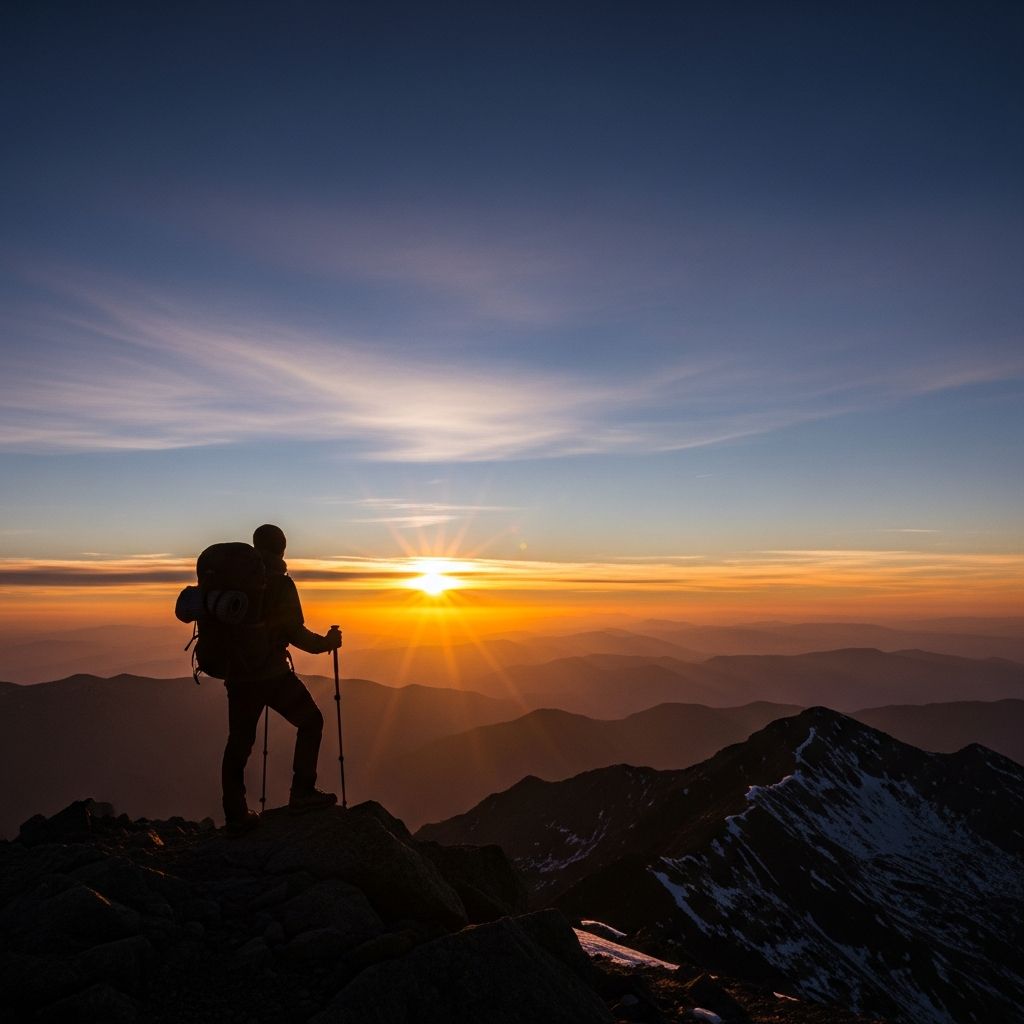
Altitude sickness is an acute reaction that occurs when your body is exposed to significant elevations, typically above 8,000 feet (2,400 meters), where oxygen levels in the air are considerably lower than at sea level. This condition develops when people ascend too rapidly without allowing their bodies adequate time to acclimate to the decreasing oxygen availability in the atmosphere. Recognized as a medical concern since the 16th century, altitude sickness was scientifically explained in 1878 when French physiologist Paul Bert demonstrated that the symptoms result from oxygen deficiency in body tissues. Today, mountain climbers, high-altitude pilots, trekkers, and individuals relocating to mountainous regions remain at highest risk of experiencing this condition.
How Altitude Sickness Develops
At higher elevations, the atmospheric pressure decreases, which means less oxygen is available for your body to utilize. When you ascend rapidly, your body lacks sufficient time to adapt physiologically to reduced oxygen levels, leading to hypoxia—a state where tissues don’t receive adequate oxygen. The body’s response to this oxygen deficit triggers various physiological changes, including increased heart rate, faster breathing, and fluid retention, which collectively produce the symptoms associated with altitude sickness.
Several factors influence your susceptibility to altitude sickness. Research indicates that 50-90% of the general population is believed to be susceptible to acute mountain sickness (AMS). Genetic variations in genes such as EPAS1/HIF2α and other hypoxia-responsive pathways significantly influence how different individuals respond to altitude exposure. Additionally, the rate of ascent matters considerably—climbers who ascend gradually experience fewer symptoms than those who climb rapidly to extreme elevations.
Types of Altitude Sickness
Acute Mountain Sickness (AMS)
Acute Mountain Sickness is the most common form of altitude sickness, typically occurring when individuals climb to elevations higher than 2,500 meters (8,200 feet) too quickly. AMS affects approximately 25% of people traveling above this elevation. Symptoms typically appear within hours of reaching altitude, though some individuals experience delayed symptoms that don’t manifest until 24 to 48 hours after arrival at higher elevations.
Primary symptoms of AMS include:
– Headache (the main symptom)- Tiredness and fatigue- Loss of appetite- Nausea or vomiting- Shortness of breath during physical exertion- Dizziness or vertigo- Difficulty sleeping- Impaired coordination- Difficulty maintaining your usual pace
The severity of AMS can be graded using the Lake Louise AMS scoring system, which helps medical professionals assess clinical severity and determine appropriate treatment. In most cases, AMS symptoms subside within a few days as your body acclimatizes to the reduced oxygen levels, though this depends on remaining at the same altitude or ascending very gradually.
High Altitude Cerebral Edema (HACE)
High Altitude Cerebral Edema represents a more serious form of altitude sickness characterized by brain swelling due to fluid accumulation. Individuals who climb to altitudes higher than 3,000 meters have approximately a 1% chance of experiencing HACE, with risk increasing significantly with faster ascent rates. This condition requires immediate medical attention and descent to lower elevations.
HACE symptoms include those of AMS plus:
– Changes in mental status (confusion, drowsiness)- Loss of coordination and balance problems- Difficulty with speech- Ataxia (inability to coordinate movements)- Lethargy and altered consciousness
If you experience balance problems, confusion, coordination difficulties, or speech changes, seek emergency medical help immediately. The condition can rapidly deteriorate and become life-threatening without prompt intervention.
High Altitude Pulmonary Edema (HAPE)
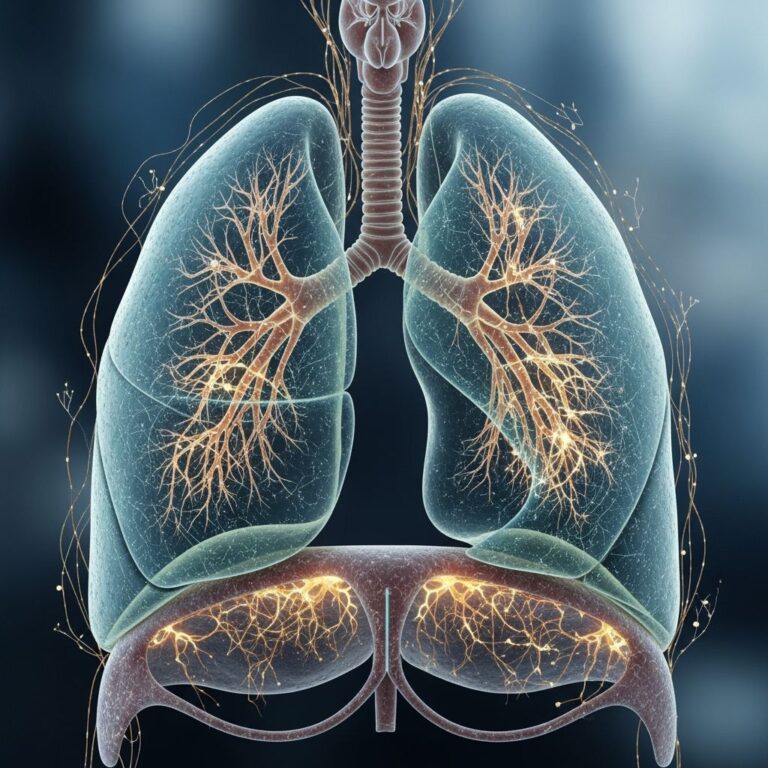
High Altitude Pulmonary Edema occurs when reduced oxygen levels cause blood vessels in the lungs to constrict, leading to fluid accumulation in lung tissue and air sacs. This makes breathing increasingly difficult and prevents adequate oxygen absorption. HAPE typically develops after spending 2 to 3 days at altitudes of 2,500 meters or higher, though it can affect people who have acclimatized and then returned to high altitude after time at sea level.
Related Stories



HAPE symptoms include:
– Severe breathlessness at rest and with activity- Weakness and extreme fatigue- Rapid heart rate (tachycardia)- Cough producing light pink or white frothy phlegm- Blue, gray, or ashen-colored lips- Elevated body temperature
HAPE is potentially fatal and represents a medical emergency. Immediate treatment with supplemental oxygen and urgent descent to lower altitude are essential. It is possible to experience both HACE and HAPE simultaneously, which requires immediate evacuation and comprehensive medical treatment.
Symptom Categories and Recognition
Altitude sickness symptoms fall into four primary categories that help identify the condition:
Respiratory Symptoms: Shortness of breath upon exertion, deeper and more rapid breathing patterns, and difficulty maintaining normal breathing rates even during rest in severe cases.
Mental and Muscular Symptoms: Weakness, fatigue, dizziness, headache (often severe), sleeplessness, decreased mental acuity, reduced muscular coordination, and impaired sight and hearing.
Cardiac Symptoms: Chest pain, heart palpitations, and irregular heartbeat patterns resulting from increased cardiovascular stress.
Gastrointestinal Symptoms: Nausea, vomiting, loss of appetite, and general digestive discomfort.
Factors Affecting Susceptibility
Individual responses to altitude vary considerably based on multiple physiological and genetic factors. Research demonstrates that individuals who acclimatize better typically exhibit less pronounced ventilatory responses to hypoxia, meaning their chemoreceptors are less sensitive to oxygen deficiency. Conversely, those with strong hypoxic ventilatory responses also show increased diuretic and natriuretic responses, which can contribute to altitude sickness development.
Hormonal responses also play crucial roles in altitude sickness susceptibility. Within 90 minutes of exposure to high altitude conditions, antidiuretic hormone (ADH) levels typically decrease in individuals who successfully acclimatize. However, in those who develop AMS, ADH levels increase, and the extent of this rise correlates directly with symptom severity.
Genetic polymorphisms in hypoxia-responsive genes influence how your body adapts to altitude and determine your predisposition to altitude illness. Highland residents of Tibet, Dagestan, and Ethiopia have developed genetic adaptations through generations of living at extreme elevations, making them naturally more resistant to altitude sickness.
Prevention Strategies
The most effective prevention strategy involves gradual ascent, allowing your body time to acclimatize to reduced oxygen levels. If you plan to travel to high-altitude destinations, consult with a physician before your trip to discuss appropriate medications and prevention strategies. Several evidence-based approaches can significantly reduce altitude sickness risk:
Gradual Ascent: Climb slowly, allowing your body 2-3 days to adjust before ascending further. The general rule suggests ascending no more than 1,000-1,500 feet per day above 8,000 feet elevation.
Pharmacological Prevention: Your healthcare provider may recommend preventive medications including calcium channel blockers, steroids, phosphodiesterase inhibitors, or beta-agonists, depending on your individual risk factors and medical history.
Hydration and Nutrition: Drink plenty of fluids to maintain proper hydration and eat balanced meals with adequate carbohydrates, which your body processes more efficiently at altitude.
Activity Management: Avoid strenuous physical activity during the first 24-48 hours at altitude, allowing your body to begin acclimatization before exertion increases oxygen demands.
Treatment Approaches
Treatment strategies depend on altitude sickness severity and type. For mild to moderate AMS, conservative measures often prove effective:
Descent to Lower Altitude: Moving to even slightly lower elevations can dramatically improve symptoms as oxygen availability increases. Descending 1,000-3,000 feet often provides significant relief within hours.
Rest and Acclimatization: Remaining at the same altitude while resting allows your body to acclimatize. Most AMS symptoms resolve within 1-3 days with proper rest.
Hydration: Drink substantial quantities of fluids, particularly water, to counteract altitude-induced dehydration and support physiological adaptation.
Medications: Your physician may prescribe medications to alleviate specific symptoms or facilitate acclimatization.
Severe conditions like HACE and HAPE require aggressive medical intervention. These conditions demand immediate oxygen therapy and urgent evacuation to lower elevations. Delaying treatment of HACE or HAPE can result in death, making recognition and swift action critical.
Acclimatization: How Your Body Adapts
Acclimatization represents a coordinated set of physiological responses designed to improve tissue oxygenation despite reduced atmospheric oxygen. This complex process involves multiple body systems working in concert:
Respiratory System: Your breathing rate and depth increase to maximize oxygen intake and carbon dioxide elimination. Pulmonary ventilation increases significantly, and your lungs’ diffusing capacity improves to enhance oxygen transfer to bloodstream.
Cardiovascular System: Initial increases in cardiac output help deliver oxygenated blood more efficiently to tissues. Heart rate elevates to compensate for lower oxygen availability in each breath.
Hematologic System: Your kidneys increase erythropoietin secretion, stimulating bone marrow to produce more red blood cells. This increases oxygen-carrying capacity, though this response develops over days to weeks.
Altitude-Induced Diuresis: An early dramatic physiological response involves altitude-induced diuresis—increased urination that helps eliminate excess fluid accumulation. This process represents an obligatory early phase of adaptation, triggered by hypoxia and respiratory alkalosis resulting from increased breathing rates.
As acclimatization progresses, AMS symptoms typically subside provided you remain at the same altitude or ascend very gradually. However, if you descend to sea level and later reascend rapidly, you must re-acclimatize, essentially starting the process again.
When to Seek Emergency Medical Help
Certain symptoms indicate serious altitude sickness requiring immediate medical attention:
– Severe or persistent headaches unresponsive to pain medication- Difficulty walking or loss of coordination- Confusion or significant mental status changes- Severe breathlessness at rest- Blue, gray, or ashen-colored lips- Rapid or irregular heartbeat- Coughing up pink or frothy sputum- Chest pain or pressure- Loss of consciousness
Do not attempt self-treatment for these symptoms. Descend immediately and seek emergency medical care. These signs indicate potentially life-threatening conditions like HACE or HAPE that require hospital-level intervention.
Frequently Asked Questions About Altitude Sickness
Q: At what elevation does altitude sickness typically occur?
A: Altitude sickness may occur at elevations above 1,500 meters (4,900 feet) when ascending rapidly, though it becomes increasingly common above 2,500-3,000 meters (8,200-9,800 feet). However, individual susceptibility varies considerably.
Q: How long does it take for acclimatization to occur?
A: Initial physiological responses begin within 90 minutes of altitude exposure. Most AMS symptoms resolve within 1-3 days at the same altitude with proper rest, hydration, and acclimatization. However, full acclimatization to extreme elevations may require weeks.
Q: Can I prevent altitude sickness completely?
A: While prevention cannot be guaranteed, gradual ascent significantly reduces risk. Consulting with a physician about preventive medications before high-altitude travel substantially improves prevention outcomes for susceptible individuals.
Q: Is altitude sickness fatal?
A: Most cases of AMS are self-limiting and resolve with descent or acclimatization. However, severe HACE and HAPE can be life-threatening if not treated immediately with oxygen therapy and descent to lower altitudes.
Q: Why do some people get altitude sickness while others don’t?
A: Genetic factors, ventilatory responses to hypoxia, hormonal responses, and individual physiological adaptation capacity all influence susceptibility. Additionally, ascent rate, previous altitude exposure, and physical fitness contribute to individual risk variation.
References
- Altitude Sickness: Symptoms, Types, and Treatment — Healthgrades. 2024. https://resources.healthgrades.com/right-care/symptoms-and-conditions/altitude-sickness
- Short-term responses of the kidney to high altitude in mountain climbers: Renal and hormonal changes and their relation to acute mountain sickness — National Center for Biotechnology Information, U.S. National Library of Medicine. 2014. https://pmc.ncbi.nlm.nih.gov/articles/PMC3938295/
- Altitude sickness — Britannica Encyclopedia. 2024. https://www.britannica.com/science/altitude-sickness
- Physiological Responses to High Altitude: Ventilation and Adaptation — U.S. National Library of Medicine. 2023. https://pmc.ncbi.nlm.nih.gov/articles/PMC3938295/
Similar Articles








Read full bio of Sneha Tete