Heart Attack vs Panic Attack: 5 Key Differences Explained
Distinguishing between heart attack and panic attack symptoms to ensure timely medical attention when needed.
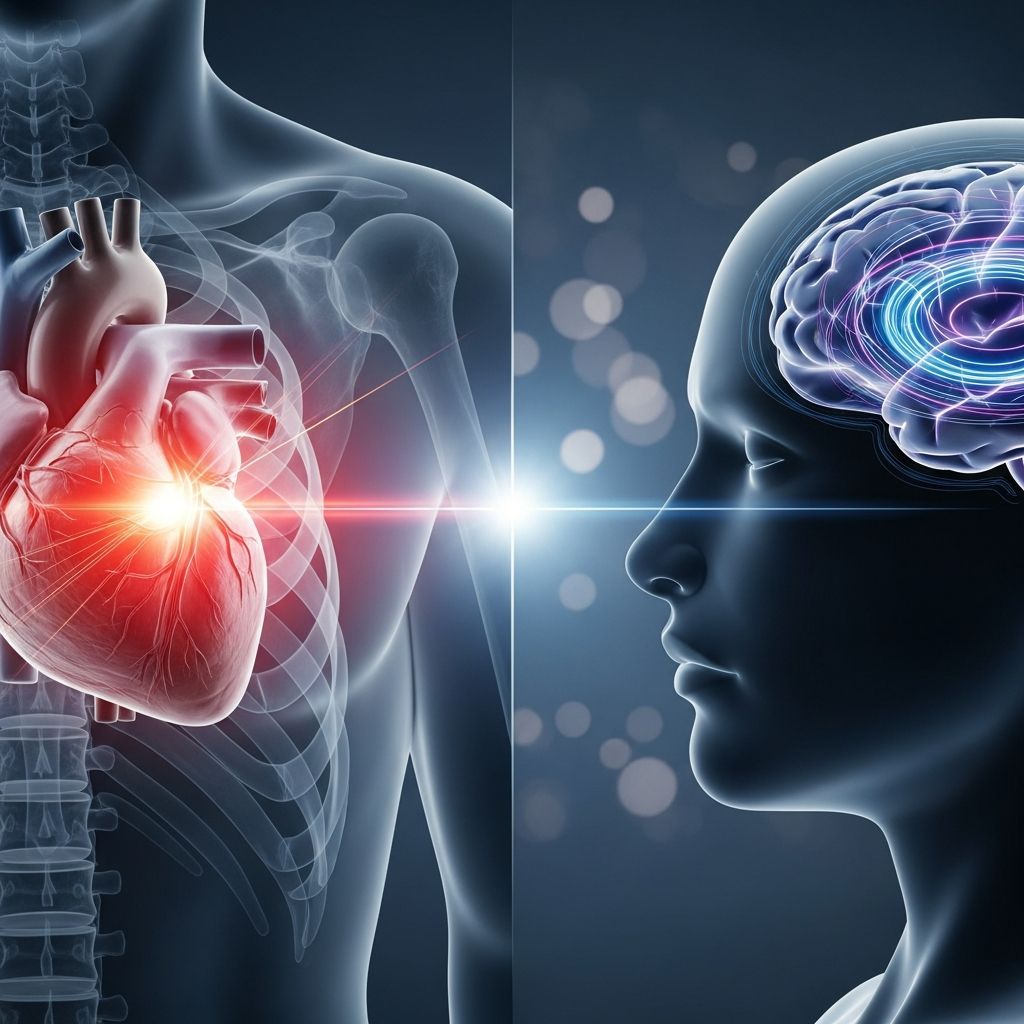
Experiencing sudden chest pain, rapid heartbeat, or shortness of breath can be terrifying, leaving many wondering: is this a heart attack or a panic attack? Both conditions share overlapping symptoms, but understanding the differences is crucial for appropriate action. A heart attack is a medical emergency requiring immediate care, while panic attacks, though distressing, are not life-threatening. This article breaks down symptoms, triggers, risk factors, and steps to take.
What is a heart attack?
A heart attack, or myocardial infarction, occurs when blood flow to part of the heart muscle is blocked, often by a clot, depriving it of oxygen. This can cause permanent damage if not treated promptly. Common triggers include plaque buildup in arteries (atherosclerosis), which ruptures and forms a clot. Symptoms may develop gradually or suddenly, especially after physical exertion.
- Chest pain or pressure lasting more than a few minutes
- Pain radiating to arms, neck, jaw, back, or stomach
- Shortness of breath
- Cold sweats, nausea, lightheadedness
- Fatigue, particularly in women
Women and people with diabetes may experience atypical symptoms like nausea or vague discomfort rather than classic chest pain.
What is a panic attack?
A panic attack is a sudden episode of intense fear or anxiety triggering the body’s fight-or-flight response. It stems from the sympathetic nervous system overactivation, releasing stress hormones like adrenaline. Unlike heart attacks, panic attacks are not caused by physical heart damage and typically peak within 10 minutes.
- Sharp, stabbing chest pain localized to the chest
- Rapid heartbeat or palpitations
- Shortness of breath or feeling of choking
- Sweating, trembling, dizziness
- Sense of impending doom or loss of control
Panic attacks often occur without warning, even during rest or sleep, and subside within 20-30 minutes.
Heart attack vs panic attack: key differences
While symptoms overlap—chest discomfort, sweating, dizziness—the nuances help distinguish them. Panic attacks feel more dramatic with intense fear, while heart attacks often involve subtler pressure that worsens over time.
| Symptom/Feature | Panic Attack | Heart Attack |
|---|---|---|
| Onset | Sudden, peaks in minutes | Gradual or sudden, persists |
| Duration | 5-30 minutes | Minutes to hours, unrelenting |
| Pain Type | Sharp, stabbing, localized | Pressure/squeezing, radiating |
| Triggers | Stress, phobias | Exertion, plaque rupture |
| Other Signs | Trembling, doom feeling | Nausea, arm/jaw pain |
Panic attacks may respond to breathing exercises or anti-anxiety meds, while heart attack pain does not and requires emergency intervention like clot-busters.
Symptoms comparison chart
Here’s a detailed side-by-side:
| Panic Attack | Heart Attack | |
|---|---|---|
| Chest Pain | Yes, sharp | Yes, pressure |
| Heart Rate | Racing/pounding | May be normal or irregular |
| Shortness of Breath | Yes | Yes |
| Sweating | Yes | Cold sweat |
| Dizziness | Yes | Yes |
| Impending Doom | Intense | Less common |
| Radiating Pain | Rare | Common (arm, jaw) |
Risk factors for heart attacks
Heart attacks are linked to modifiable and non-modifiable risks. Primary sources emphasize lifestyle changes to reduce incidence.
- Non-modifiable: Age (over 45 men, 55 women), family history, male sex
- Modifiable: Smoking, high blood pressure, diabetes, obesity, high cholesterol, inactivity
Related Stories



According to the American Heart Association, managing these via diet, exercise, and meds cuts risk significantly.
Risk factors for panic attacks
Panic disorder affects 2-3% of adults, often starting in young adulthood. Genetic predisposition, major stress, or trauma increases likelihood.
- Family history of anxiety
- High stress or life changes
- Other mental health conditions like PTSD
- Caffeine or substance use
Can panic attacks lead to heart attacks?
Chronic anxiety and panic disorder elevate heart disease risk by 40-50% due to sustained high cortisol, inflammation, and unhealthy behaviors like smoking. However, a single panic attack does not cause a heart attack.
When to seek emergency help
If in doubt, call emergency services. Better safe than sorry—heart attacks kill quickly without treatment. Seek help if:
- Chest pressure >5 minutes
- Pain radiates to arm/jaw
- Accompanied by sweating/nausea
- History of heart disease
- Symptoms during exertion
Doctors differentiate via ECG, blood tests (troponin), and history. Panic attacks diagnosed after ruling out cardiac issues.
Managing and preventing panic attacks
Cognitive behavioral therapy (CBT), SSRIs, and lifestyle changes like mindfulness, exercise, and avoiding caffeine help. Breathing techniques: 4-7-8 method (inhale 4s, hold 7s, exhale 8s).
Preventing heart attacks
A heart-healthy lifestyle is key: Mediterranean diet, 150min weekly exercise, no smoking, blood pressure control. Statins for high cholesterol.
Frequently Asked Questions
Can a panic attack cause a heart attack?
No, but repeated panic attacks increase long-term heart risks via stress.
How long does panic attack chest pain last?
Typically 5-30 minutes, fading gradually.
Do women have different heart attack symptoms?
Yes, often nausea, fatigue, back pain instead of chest pressure.
Can I tell at home?
No—err on caution and call emergency if symptoms are severe.
Does nitroglycerin help panic attacks?
No, it relieves heart-related pain but not anxiety.
Final thoughts
Recognizing heart attack vs. panic attack empowers quick decisions. Track symptoms, know risks, and prioritize mental/physical health. Consult professionals for personalized advice.
References
- Panic Attack or Heart Attack? How to Tell the Difference — NewYork-Presbyterian. 2023. https://healthmatters.nyp.org/panic-attack-or-heart-attack-how-to-tell-the-difference/
- Panic Attacks vs. Heart Attacks: Understanding the Differences — URMC Rochester. 2023. https://www.urmc.rochester.edu/news/publications/health-matters/panic-attacks-vs-heart-attacks-understanding-the-differences
- Heart Attack vs. Panic Attack: How to Tell the Difference — Cleveland Clinic. 2023. https://my.clevelandclinic.org/podcasts/health-essentials/heart-attack-vs-panic-attack-how-to-tell-the-difference
- Panic Attack or Heart Attack? How to tell the Difference — Mount Sinai. 2023. https://www.micnyc.com/post/panic-attack-or-heart-attack-how-to-tell-the-difference
- Heart attack vs panic attack: know the difference — YouTube (Cleveland Clinic). 2023. https://www.youtube.com/watch?v=eC_Of8Fu83E
- Panic Attack vs. Heart Attack: How to Tell the Difference — NJ Cardiovascular. 2023. https://www.njcardiovascular.com/blog/panic-attack-vs-heart-attack-how-to-tell-the-difference
- How to tell the difference between a heart attack and panic attack — American Heart Association. 2022-07-13. https://www.heart.org/en/news/2022/07/13/how-to-tell-the-difference-between-a-heart-attack-and-panic-attack
Similar Articles








Read full bio of Sneha Tete