Am I Pregnant? Early Signs & When to Test
Learn the early signs of pregnancy, when to take a test, and what to expect next.
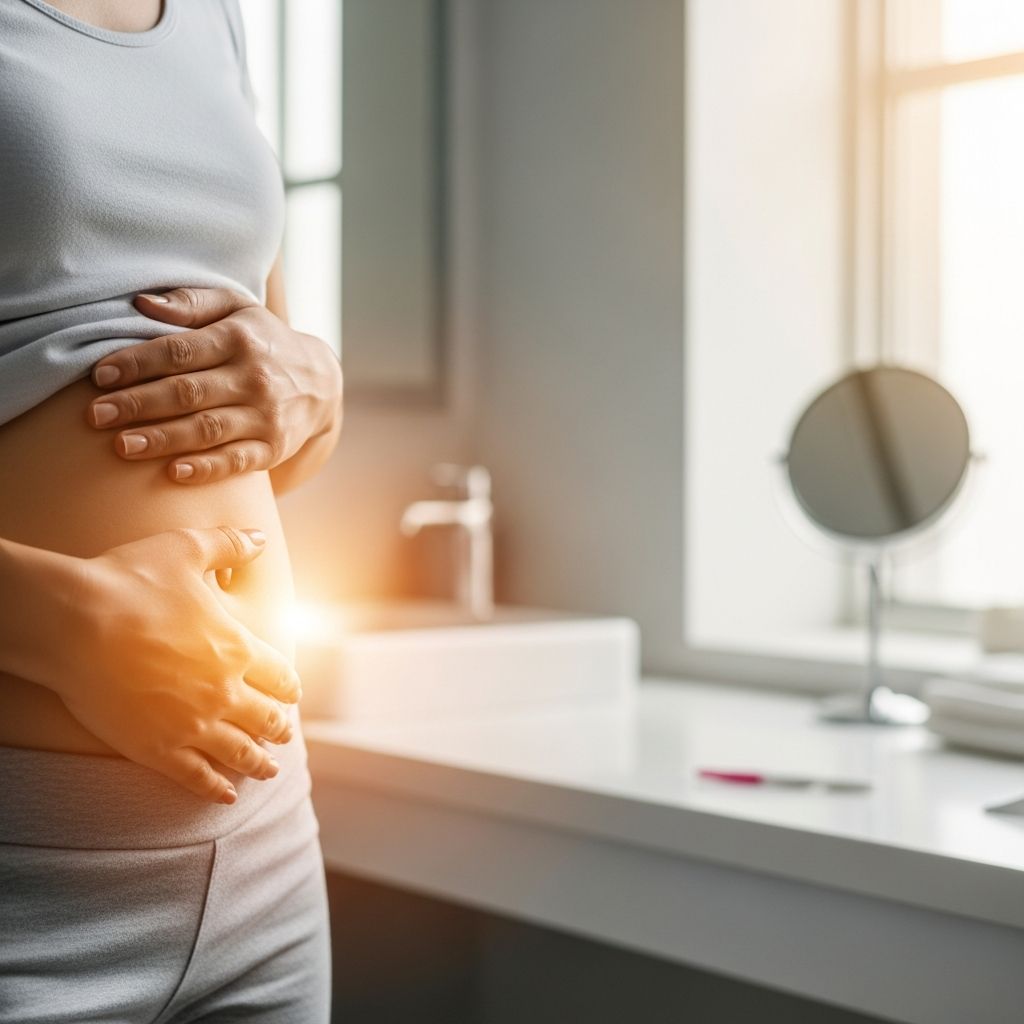
Am I Pregnant? Understanding Early Signs and Symptoms
If you’re wondering whether you might be pregnant, you’re not alone. Many women experience uncertainty about early pregnancy, especially if they’re not familiar with the signs. The most reliable way to determine if you’re pregnant is through a pregnancy test, but understanding the common symptoms can help guide you toward getting tested. Every woman’s experience is unique, and pregnancy symptoms can vary significantly from person to person and from one pregnancy to another.
Common Early Signs of Pregnancy
While some women notice pregnancy symptoms immediately, others may not experience any signs at all. If you suspect you might be pregnant, here are the most common early indicators:
Missed Period
A missed period is often the first and most recognizable sign of pregnancy, particularly if you have a regular menstrual cycle. However, a missed period doesn’t automatically confirm pregnancy—other factors like stress, hormonal changes, or medical conditions can also delay your period. If your period is typically regular and you notice it’s late, this is a good reason to take a pregnancy test.
Nausea and Vomiting
Morning sickness, despite its name, can occur at any time of day. This nausea typically begins around six weeks into pregnancy, though some women experience it earlier. The exact cause of morning sickness isn’t fully understood, but it’s believed to be related to hormonal changes during early pregnancy. For some women, morning sickness is mild and manageable, while for others it can be quite severe.
Breast Tenderness and Swelling
Hormonal changes during early pregnancy often cause the breasts to become tender, swollen, or sensitive to touch. This symptom is similar to what some women experience before their period, but it may be more pronounced during pregnancy. The sensitivity typically decreases after the first trimester as your body adjusts to hormonal changes.
Fatigue
Extreme tiredness and fatigue are very common during early pregnancy. This exhaustion is caused by increased levels of the hormone progesterone and the increased demands on your body as it supports a developing fetus. You may find yourself needing more sleep than usual or feeling unusually tired throughout the day, even after resting.
Frequent Urination
An increased need to urinate, both during the day and at night, is another common early pregnancy sign. This occurs because pregnancy hormones cause increased blood flow to your kidneys, which produce more urine. Additionally, as your uterus grows, it puts pressure on your bladder, further increasing the urge to urinate frequently.
Food Cravings and Aversions
Many pregnant women experience strong cravings for specific foods or, conversely, sudden aversions to foods they previously enjoyed. These changes are typically driven by hormonal fluctuations and may develop early in pregnancy. Some women crave unusual food combinations, while others suddenly cannot stand the thought of foods they normally love.
When to Take a Pregnancy Test
Timing is crucial when it comes to taking a pregnancy test. Testing too early can result in a false negative because hormone levels may not yet be high enough for the test to detect. Understanding when to test increases your chances of getting an accurate result.
Related Stories



Best Time to Test
The most reliable time to take a home pregnancy test is after you’ve missed your period. For those with regular 28-day cycles, this typically occurs about two weeks after ovulation and four weeks from the first day of your last menstrual period. If your menstrual cycle is irregular or you’re unsure when to expect your period, waiting at least 17 days after sexual intercourse provides a more accurate result.
Early Detection Tests
Some sensitive pregnancy tests can detect pregnancy up to six days before your missed period. However, the accuracy of these early detection tests is lower than tests taken after a missed period. If you test early and receive a negative result, you may want to retest a few days later. Conversely, if you test early and receive a positive result, you can generally trust that result, as the hormone level would need to be sufficiently high to be detected.
Testing at Home
Home pregnancy tests are convenient and widely available without a prescription. These tests work by detecting human chorionic gonadotropin (HCG), a hormone your body produces when you’re pregnant. Many home pregnancy tests can detect pregnancy as early as 10 days after conception, though accuracy increases significantly closer to your missed period. When using a home test, it’s important to follow the instructions carefully and check for both a test line and a control line, which confirms the test was performed correctly.
How Pregnancy Tests Work
Understanding how pregnancy tests function can help you interpret results more accurately. Pregnancy tests detect the presence of HCG, a hormone produced by the placenta after a fertilized egg implants in your uterus. This hormone is present in both blood and urine.
Urine Tests
Home pregnancy tests use urine samples to detect HCG. These tests are widely available at pharmacies and drugstores and can typically be used in the privacy of your home. Most urine tests display results through lines or digital readouts that indicate whether you’re pregnant or not.
Blood Tests
Your healthcare provider can order a blood test to confirm pregnancy. Blood tests can detect HCG earlier than urine tests because HCG appears in the bloodstream before it appears in urine. There are two types of blood tests: quantitative tests measure the exact amount of HCG in your blood, while qualitative tests simply confirm whether HCG is present.
Interpreting Results
A positive pregnancy test means you’re pregnant. Even a faint line on a pregnancy test indicates the presence of HCG. A negative test means HCG was not detected, though this doesn’t always mean you’re not pregnant, particularly if you tested too early. If you receive conflicting results or remain uncertain, contact your healthcare provider for clarification and possibly a confirmatory blood test.
What to Do After a Positive Test
Once you’ve received a positive pregnancy test result, several important steps follow to ensure you receive proper prenatal care and support.
Schedule a Healthcare Provider Appointment
Contact your healthcare provider to schedule a prenatal visit. The first prenatal appointment typically occurs between seven to nine weeks from your last menstrual period. There’s no need to rush for an immediate appointment—take time to process your emotions and gather any relevant medical information before your visit.
Prepare for Your First Appointment
Before your first prenatal visit, gather information about your medical history, current medications, and any chronic health conditions you have. Be prepared to discuss when you last had your period, any previous pregnancies, and your family medical history. This information helps your healthcare provider assess your individual pregnancy risk factors and provide appropriate care.
Discuss Medications and Health Conditions
During your appointment, inform your provider about all medications you’re currently taking. Some medications may need to be adjusted during pregnancy, while others should be discontinued. If you have chronic conditions like diabetes or thyroid disease, your provider will ensure these are properly managed throughout your pregnancy to protect both your health and your baby’s development.
Prenatal Care Importance
Regular prenatal care is critically important for monitoring your health and detecting any potential pregnancy complications early. Your healthcare provider will track your baby’s growth and development, monitor your blood pressure and weight, and screen for conditions that could affect your pregnancy. These appointments provide an opportunity to ask questions and address any concerns you may have.
Understanding Pregnancy Basics
Once you’ve confirmed your pregnancy, understanding how pregnancy is dated and what to expect can help you prepare for the months ahead.
Pregnancy Duration
A full-term pregnancy lasts approximately 40 weeks or 280 days from the first day of your last menstrual period. Your healthcare provider calculates your due date based on this date, which provides a standardized way to track pregnancy progression. It’s important to note that ovulation typically doesn’t occur until about two weeks into your cycle, which is why you’re already considered four weeks pregnant by the time you might take a pregnancy test two weeks after ovulation.
The Three Trimesters
Pregnancy is divided into three trimesters, each lasting approximately 13 weeks. The first trimester encompasses weeks one through 13, during which major organ systems develop. The second trimester, weeks 14 through 27, is often called the “honeymoon period” of pregnancy when energy levels return and morning sickness typically subsides. The third trimester, weeks 28 through 40, involves continued fetal growth and preparation for birth.
First Trimester Expectations
The first trimester is a critical period of development for your baby and involves significant changes for your body. Knowing what to expect can help you prepare and understand what’s normal.
Physical Changes
During your first trimester, you’ll likely notice changes in your body as it adjusts to pregnancy. Beyond the symptoms mentioned earlier, you may experience constipation due to hormonal changes, light spotting, and mood swings related to fluctuating hormone levels. Your healthcare provider can discuss these changes and provide guidance on managing any discomfort.
Prenatal Vitamins
Your healthcare provider will recommend starting prenatal vitamins as soon as you know you’re pregnant. These vitamins contain essential nutrients like folic acid, iron, and calcium that support your baby’s development and protect your own health. Folic acid is particularly important during the first trimester for preventing neural tube defects.
Lifestyle Adjustments
Your healthcare provider will provide guidance on activities and substances to avoid during pregnancy. This typically includes alcohol, smoking, and certain medications. You’ll also receive recommendations about diet, exercise, and other lifestyle factors that support a healthy pregnancy.
When to Seek Medical Attention
While most pregnancies progress without complications, certain symptoms warrant immediate medical attention. Contact your healthcare provider if you experience vaginal bleeding, severe abdominal pain, persistent vomiting that prevents you from keeping food or fluids down, or other concerning symptoms. Additionally, if you’re at advanced maternal age (over 35), have existing medical conditions, or have a history of pregnancy complications, inform your provider so appropriate monitoring can be arranged.
Special Circumstances
Certain pregnancy situations may require modified calculations or additional monitoring. If you conceived through in vitro fertilization (IVF), your provider may calculate your pregnancy differently than with natural conception, though the total pregnancy duration remains approximately 40 weeks. Your provider will explain your specific situation and ensure appropriate care tailored to your circumstances.
Frequently Asked Questions
Q: How accurate are home pregnancy tests?
A: Home pregnancy tests are generally 99% accurate when used correctly and taken after a missed period. Accuracy decreases when tests are taken before a missed period. Following package instructions carefully and using your first morning urine typically provides the most accurate results.
Q: Can I be pregnant without showing any symptoms?
A: Yes, absolutely. Some women experience no early pregnancy symptoms at all. A pregnancy test is the only reliable way to determine if you’re pregnant, regardless of whether you have symptoms.
Q: What does a faint line mean on a pregnancy test?
A: A faint line still indicates the presence of HCG and means you’re pregnant. The intensity of the line doesn’t necessarily reflect how far along you are—it depends on HCG levels, which vary between individuals and increase over time.
Q: How long after conception can a pregnancy be detected?
A: Most home pregnancy tests can detect pregnancy approximately 10 days after conception. However, the most reliable detection occurs after a missed period, which is typically two weeks after ovulation.
Q: Should I get a blood test to confirm my positive home pregnancy test?
A: While not always necessary, a blood test can confirm your pregnancy and provide additional information about HCG levels. Your healthcare provider can recommend whether confirmation testing is appropriate for your situation.
Q: When should I call my doctor after a positive test?
A: You can call your doctor anytime after receiving a positive test. However, there’s no rush for an immediate appointment—the first prenatal visit typically occurs between seven to nine weeks after your last menstrual period.
Q: What if I get a negative test but still haven’t had my period?
A: If you receive a negative test and then miss your period, take another test a few days later. It’s possible you tested too early and hormone levels were not yet detectable. Alternatively, other factors could be causing your delayed period.
Q: Are there different types of pregnancy tests?
A: Yes, there are urine tests (home tests), blood tests ordered by healthcare providers, and ultrasounds that can confirm pregnancy. Each has varying levels of early detection capability and accuracy.
References
- Pregnancy Test: When To Take, Types & Accuracy — Cleveland Clinic. 2022-11-28. https://my.clevelandclinic.org/health/diagnostics/9703-pregnancy-tests
- Pregnancy: Gestation, Trimesters & What To Expect — Cleveland Clinic. https://my.clevelandclinic.org/health/articles/pregnancy
- Are You Pregnant? 10 Early Pregnancy Signs — Cleveland Clinic Health Essentials. https://health.clevelandclinic.org/5-reliable-early-pregnancy-signs
- What are the early signs of pregnancy and symptoms — Clearblue. https://www.clearblue.com/am-i-pregnant/early-pregnancy-signs
- The First Weeks of Pregnancy – Do You Know the Symptoms? — Cleveland Clinic Abu Dhabi. https://www.clevelandclinicabudhabi.ae/en/health-byte/health/the-first-weeks-of-pregnancy-do-you-know-the-symptoms
- Am I Pregnant? Common Pregnancy Signs and Symptoms — Hope Resource Center. https://hoperesourcectr.org/am-i-pregnant/
Similar Articles








Read full bio of medha deb