Health Benefits of Peaches: 11 Reasons to Boost Your Health
Discover the impressive nutritional profile and science-backed health advantages of peaches, from heart protection to cancer-fighting potential.
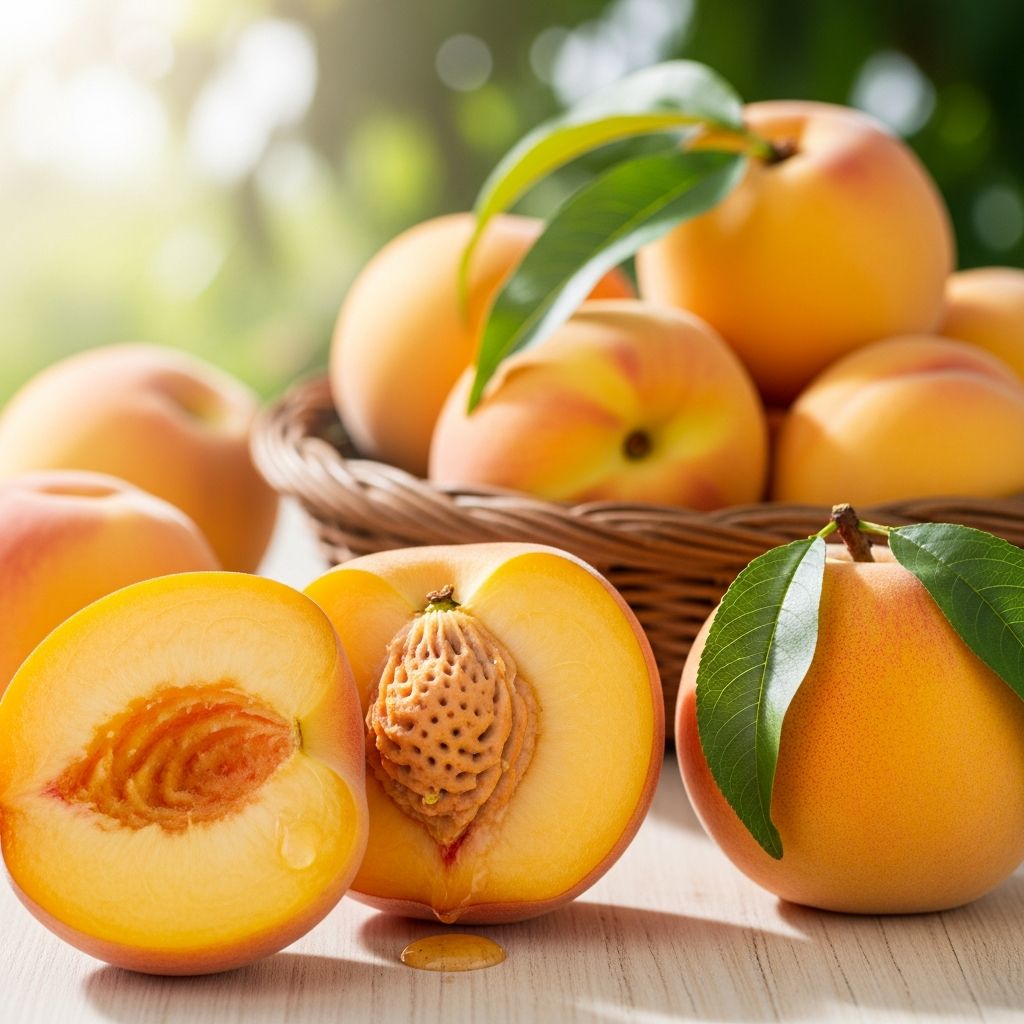
Peaches are not just a delicious summer treat; they are a nutritional powerhouse loaded with essential vitamins, minerals, fiber, and antioxidants. One medium peach provides approximately 60 calories, 2.3 grams of fiber, vitamins A, C, E, K, and B3 (niacin), along with potassium, manganese, copper, magnesium, phosphorus, and iron. These nutrients contribute to numerous health benefits, making peaches an excellent addition to any diet.
The fuzzy skin and juicy flesh of peaches contain bioactive compounds like beta-carotene, polyphenols (such as caffeic acid and chlorogenic acid), lutein, and zeaxanthin. Fresher, riper peaches offer higher antioxidant levels, enhancing their protective effects against oxidative stress, inflammation, and chronic diseases. Studies show peaches bind to bile acids, aiding cholesterol reduction, while their potassium content helps regulate blood pressure.
Peaches Are Packed with Nutrients
A single medium peach delivers about 13% of the daily value for vitamin C, which supports immune function, collagen production, and cellular protection from free radicals. It also provides 3% of vitamin A, essential for vision and skin health, plus smaller amounts of vitamins E, K, and niacin. Minerals like potassium (around 285 mg per peach) counteract sodium’s effects, promoting cardiovascular wellness.
Fiber content—both soluble and insoluble—totals up to 9% of daily needs when eating the skin, aiding digestion and blood sugar control. Phytonutrients such as beta-carotene convert to vitamin A, supporting eye, lung, brain, and skin health while combating free radicals linked to cancer and heart disease. Selenium and B vitamins further aid detoxification and energy metabolism.
Peaches Make a Great Snack for Weight Loss
With low calories and high water content (about 88%), peaches promote satiety without adding excess energy. Their fiber (2.2-2.3 grams per serving) slows digestion, helping you feel full longer and reducing overall calorie intake. Bioactive compounds exhibit anti-obesity properties, regulating blood sugar and insulin levels.
Incorporating peaches into a balanced diet supports weight management. For instance, replacing high-calorie snacks with peaches can lead to sustainable weight loss, as fiber intake is linked to reduced body weight and improved metabolic health. A study in the Journal of Nutritional Biochemistry highlighted peaches’ role in protecting against obesity-related disorders.
Peaches Promote Healthy Digestion
Peaches contain a mix of insoluble fiber, which bulks stool and prevents constipation, and soluble fiber, which feeds beneficial gut bacteria, producing short-chain fatty acids that reduce inflammation. This duo helps manage digestive disorders like IBS, Crohn’s disease, and ulcerative colitis.
Traditional Asian medicine uses peach flowers for gut issues, underscoring their efficacy. One peach provides up to 9% of daily fiber, maximizing benefits when skin is consumed. Regular intake promotes smooth gut transit, enhances microbiome health, and supports overall digestive wellness.
Peaches Support Heart Health
Rich in potassium, peaches lower blood pressure by flushing excess sodium, reducing risks of heart disease and stroke. Polyphenols and anti-inflammatory compounds decrease LDL cholesterol and triglycerides. Test-tube studies show peaches bind bile acids from cholesterol, excreting them and lowering blood lipid levels.
Related Stories



The American Heart Association notes peaches’ low fat, cholesterol-free profile, high fiber, and antioxidants like vitamin C prevent cardiovascular events. A 2014 animal study confirmed peach juice protects against heart disease. Including peaches regularly can mitigate obesity-related metabolic risks.
Peaches Protect Your Skin
Vitamin C and beta-carotene in peaches shield skin from UV damage, promoting collagen synthesis for firmness and hydration. High water content (88%) keeps skin plump, while antioxidants combat oxidative stress causing wrinkles and aging.
Eating the skin maximizes polyphenol intake, offering anti-inflammatory and anti-carcinogenic effects for radiant skin. Regular consumption supports protection against sun exposure and environmental damage.
Peaches Are Great for Your Eyes
Lutein, zeaxanthin, and vitamin A in peaches safeguard against macular degeneration and cataracts. Beta-carotene, converted to vitamin A, maintains corneal health and night vision. One peach supplies 6% of daily vitamin A needs.
The American Optometric Association links vitamin A to preventing blindness, especially in deficient populations. Peaches’ antioxidants filter harmful blue light, preserving long-term eye health.
Peaches Help Fight Cancer
Polyphenols like caffeic and chlorogenic acids exhibit anti-carcinogenic properties, inhibiting cancer cell growth in lab tests. Vitamin C and beta-carotene neutralize free radicals implicated in cancers of the mouth, lung, stomach, and more. The American Institute for Cancer Research associates fruit intake, including peaches, with lower cancer risks.
Skin consumption boosts these effects, with fresher peaches offering peak protection against oxidative damage leading to tumor formation.
Other Impressive Health Benefits of Peaches
- Immune Boost: Vitamins A and C, plus antimicrobial properties and alkaline amino acids (arginine, histidine, lysine), fortify immunity and combat infections.
- Brain Health: Polyphenols and carotenoids reduce oxidative stress linked to cognitive decline and Alzheimer’s.
- Stress Reduction: Magnesium calms the nervous system, improves sleep, and lowers anxiety—earning peaches the ‘fruit of calmness’ moniker in Hungary.
- Detoxification: Vitamins A, C, E, and selenium flush toxins, supporting liver function.
Nutrition Facts for Peaches
| Nutrient | Amount per Medium Peach (150g) | % Daily Value |
|---|---|---|
| Calories | 60 | 3% |
| Fiber | 2.3g | 9% |
| Vitamin C | 10mg | 13% |
| Vitamin A | 150mcg | 3-6% |
| Potassium | 285mg | 8% |
| Vitamin E | 1mg | 2%+ |
| Protein | 1.4g | 3% |
| Fat | 0.4g | 0% |
Values based on a 2,000-calorie diet; eating skin maximizes fiber and phytonutrients.
Delicious Ways to Enjoy Peaches
- Slice fresh over yogurt or oatmeal for breakfast.
- Grill halves and top with honey for a dessert.
- Blend into smoothies with greens and protein.
- Add to salads with feta, nuts, and balsamic.
- Make salsa with tomatoes, onions, cilantro, and lime.
- Bake into cobblers or muffins using whole grains.
- Freeze for sorbets or popsicles.
Choose ripe, firm peaches; store at room temperature or refrigerate cut ones. Organic options minimize pesticides.
Frequently Asked Questions (FAQs)
Are peaches good for weight loss?
Yes, low-calorie, high-fiber peaches promote fullness and regulate blood sugar, aiding weight management.
Can you eat peach skin?
Absolutely; the skin is edible, rich in fiber and antioxidants. Wash thoroughly.
Are peaches heart-healthy?
Yes, potassium, fiber, and polyphenols lower cholesterol and blood pressure.
Do peaches help with digestion?
Yes, soluble and insoluble fiber prevent constipation and support gut health.
Are peaches allergic-friendly?
Most people tolerate them well, but those with oral allergy syndrome may react; peel if needed.
References
- Peach Perfect: Why This Juicy Superfood is a Must for Healthy Aging — Senior Star. 2023. https://www.seniorstar.com/blog/peach-perfect-why-this-juicy-superfood-is-a-must-for-healthy-aging
- Learn the Health Benefits of Peaches — Lane Southern Orchards. 2023. https://lanesouthernorchards.com/blogs/news/health-benefits-of-peaches
- Health Benefits of Peaches — Advanced Health (PDF). 2022-07. https://advancedhealth.com/wp-content/uploads/2022/07/58-July-Peach-handout.pdf
- Fuzzy and Full of Nutrients, Peaches Are a Summertime Staple — American Heart Association. 2022-07-05. https://www.heart.org/en/news/2022/07/05/fuzzy-and-full-of-nutrients-peaches-are-a-summertime-staple
- The Nutritional Benefits of Peaches — Buffalo Healthy Living Magazine. 2023. https://buffalohealthyliving.com/the-nutritional-benefits-of-peaches/
Similar Articles








Read full bio of medha deb