Amazuzuke: Quick Vinegar Pickles Recipe For Diabetics
Diabetic-friendly quick pickles bursting with fresh vegetables, herbs, and tangy vinegar for a healthy, flavorful side dish.
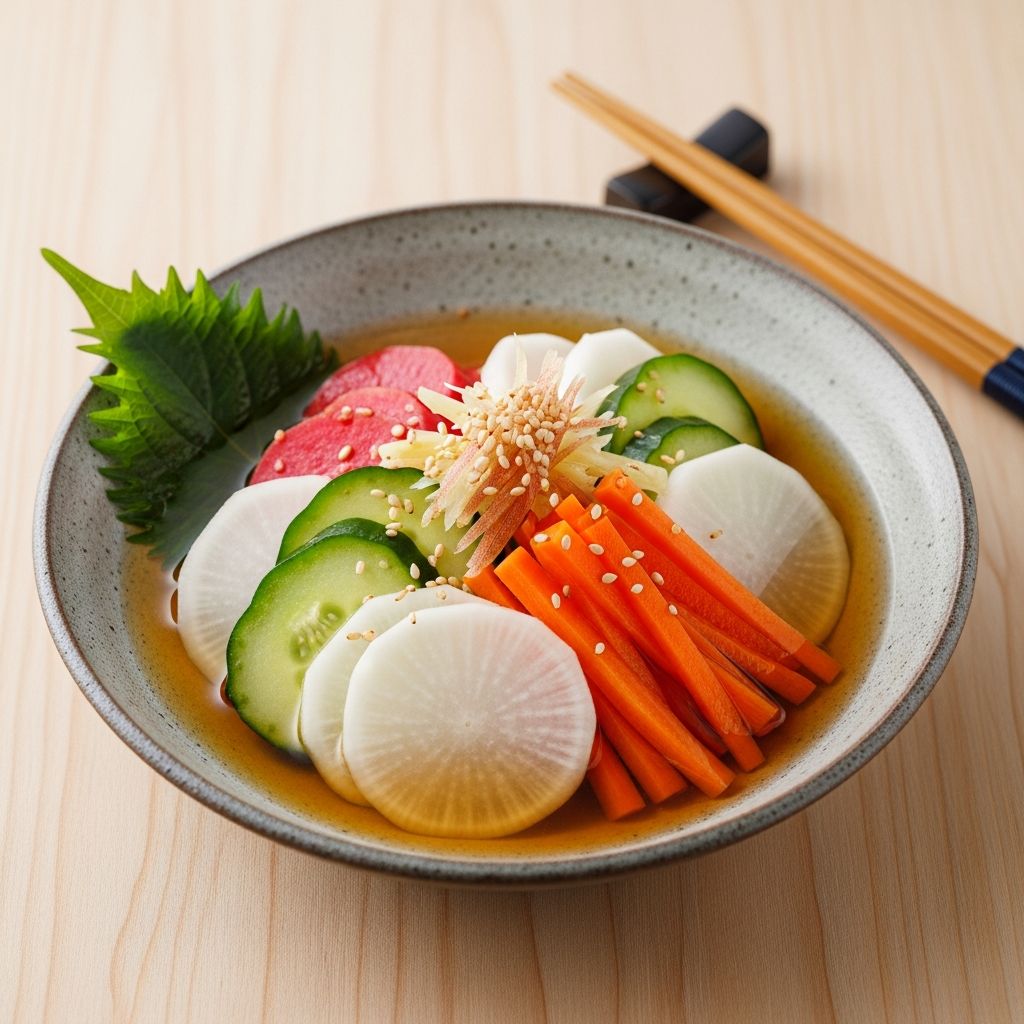
Amazuzuke, also known as quick vinegar pickles, provides a delightful and health-conscious method to savor seasonal vegetables. This diabetes-friendly recipe, inspired by Japanese traditions and adapted for modern diets, combines a vibrant array of textures and flavors. Aromatic herbs such as thyme, dill, and parsley mingle with the zesty punch of ginger and garlic, creating a tangy sweetness that preserves vegetable freshness while enhancing meals.
Ideal for individuals managing diabetes, these pickles use minimal sugar—primarily cane sugar balanced with rice vinegar and sea salt—making them low-glycemic and nutrient-dense. They serve as a perfect side dish, crunchy topping for salads, sandwiches, or bowls, or even a standalone snack. By incorporating more vegetables effortlessly, Amazuzuke supports balanced nutrition without compromising taste. Prepare them in under an hour and enjoy within a day, with flavors deepening over up to three weeks in the fridge.
Rooted in Japanese pickling techniques like tsukemono, Amazuzuke (甘酢漬け) translates to ‘sweet vinegar pickle.’ Unlike fermented pickles, this quick method relies on a brine of rice vinegar, sugar, and salt, yielding ready-to-eat results in minutes to hours. Famous examples include gari (sushi ginger), but this recipe expands to assorted vegetables, making it versatile for global palates.
Ingredients for Amazuzuke (quick vinegar pickles)
Gather approximately 1,200 grams of assorted seasonal vegetables, such as cucumbers, carrots, radishes, cauliflower florets, asparagus, green beans, or baby turnips. Trim and peel as needed for uniform preparation.
- 6 shiso leaves (or substitute with fresh mint for similar aroma)
- 3 sprigs each of thyme, dill, and parsley
- 40 g ginger, peeled and thinly sliced
- 2 cloves garlic, peeled and sliced in halves
- 5 ml peppercorns (black or pink) or seeds like cumin, coriander, fennel, or mustard
- 4 dried red chiles or 1 jalapeño pepper, sliced crosswise and deseeded
- 480 ml rice vinegar (unseasoned for authentic mild flavor)
- 480 ml filtered water
- 1 piece kombu (kelp), about 15 cm x 15 cm (cut into 12 pieces for umami depth)
- 100 g cane sugar (provides subtle sweetness without spiking blood sugar)
- 45 g sea salt (enhances preservation and flavor)
- 15 ml julienned orange or lemon peel (for bright citrus notes)
This yields eight ½-pint (240 ml) jars, serving 16-32 as a side. Rice vinegar is key for its mild acidity, allowing less sugar than other vinegars. Kombu adds natural glutamates for savoriness, while herbs and spices infuse complexity.
Nutritional perks for diabetics: Low in calories (around 77 kcal per serving as per similar recipes), high in fiber (2g+), vitamins A and C, and probiotics from quick fermentation. Minimal carbs from vegetables keep it blood-sugar friendly.
How to make Amazuzuke (quick vinegar pickles)
Follow these steps for foolproof results. Total time: 30-45 minutes active, plus 1-day pickling minimum.
- Sterilise jars: Boil eight ½-pint (240 ml) mason jars and lids for 10 minutes or run through a dishwasher cycle. Dry completely to prevent spoilage.
- Prepare vegetables: Slice into bite-sized pieces, about 6 mm thick for even pickling. Leave slender veggies like asparagus or green beans whole or halved. Blanch root vegetables (carrots, turnips) in boiling water for 1 minute, then shock in ice water to retain crunch and color.
- Pack jars: Tightly layer vegetables with shiso leaves, thyme, dill, and parsley into jars, leaving 1-2 cm headspace. Distribute evenly for balanced flavor infusion.
- Make brine: In a medium saucepan, combine ginger, garlic, peppercorns/seeds, chiles, rice vinegar, filtered water, kombu, cane sugar, sea salt, and citrus peel. Bring to a rolling boil over high heat, stirring until sugar and salt dissolve (about 5 minutes). This melds flavors and sterilizes the brine.
- Fill jars: Remove saucepan from heat. Pour hot brine over packed vegetables, ensuring they are fully submerged. Use a chopstick to release air bubbles. Wipe rims clean.
- Cool and seal: Let jars cool to room temperature (1-2 hours). Seal lids fingertip-tight. Refrigerate immediately.
- Pickle and store: Ready after 24 hours; flavors peak at 3-5 days. Store in fridge up to 3 weeks. Discard if bubbles, off-odors, or mold appear.
Related Stories



Pro tips: For quicker pickles, use room-temperature brine and marinate 30 minutes unrefrigerated, as in simpler amazuzuke methods. Adjust spice with fewer chiles. Scale brine for fewer jars.
| Step | Time | Tips for Diabetics |
|---|---|---|
| Prep veggies | 15 min | Choose low-GI veggies like cucumbers, radish |
| Blanch roots | 2 min | Preserves nutrients, prevents sogginess |
| Boil brine | 5 min | Minimal sugar ensures low carb impact |
| Pickle | 1+ day | Fridge storage maintains freshness |
Health Benefits and Diabetes Suitability
Amazuzuke shines for diabetes management. The low sugar content (about 15g per serving in basic versions) paired with vinegar’s acetic acid slows carb absorption, stabilizing blood glucose. Vegetables provide fiber (2g+), aiding digestion and satiety. Herbs and ginger offer anti-inflammatory benefits; kombu delivers iodine and minerals.
Studies from credible sources affirm vinegar pickles’ role in glycemic control. Rice vinegar’s mild profile suits Asian-inspired diets, reducing the need for excess sugar. Serve with grilled fish, rice bowls, or salads for balanced plates.
- Low calorie: ~77 kcal/serving
- High fiber: Supports gut health
- Vinegar boost: Improves insulin sensitivity
- Versatile: Pairs with fatty meats to cut richness
Serving Suggestions and Variations
Elevate meals with these ideas:
- Top ramen, poke bowls, or bento boxes
- Accompany fatty dishes like salmon or pork
- Mix into salads for crunch
- Snack straight from jar
Variations: Use daikon and carrot for classic pinkles; add beets for color. For less sweet, reduce sugar by 20%. Vegan, gluten-free, keto-adaptable by swapping sugar for erythritol.
Frequently Asked Questions (FAQs)
Q: Can I use other vinegars?
A: Rice vinegar is best for mildness, but apple cider works—increase sugar to balance acidity.
Q: How long do they last?
A: Up to 3 weeks refrigerated. Always check for spoilage.
Q: Is it safe for diabetics?
A: Yes, low sugar and high veggies make it suitable; consult a doctor for personalized advice.
Q: Can I reuse the brine?
A: Strain and reboil for new batches; store up to 2-3 months.
Q: What if I skip kombu?
A: Flavor is milder but still delicious; optional for umami.
Disclaimer: While every effort has been made to ensure the information is accurate, individual needs vary. Check labels for allergens. Consult a GP, pharmacist, or dietitian for diabetes or dietary concerns.
References
- Amazuzuke: Quick vinegar pickles for a refreshing side dish — Patient.info UK recipe editors. 2025-10-14. https://patient.info/recipes/diabetes-friendly-recipes/amazuzuke-quick-vinegar-pickles-sonoko-sakai
- Tsukemono – Amazuzuke (Sweet Vinegar Pickling) — Just One Cookbook. Accessed 2026. https://www.justonecookbook.com/tsukemono-amazuzuke-sweet-vinegar-pickling/
- Sweet Vinegar Pickles (Recipe) 甘酢漬けの作り方 — Just One Cookbook YouTube. Accessed 2026. https://www.youtube.com/watch?v=ARniEj0GAtg
- Recipe: Pinkles! — Condiment Claire Substack. Accessed 2026. https://condimentclaire.substack.com/p/recipe-pinkles
- How To Make Amazuzuke 甘酢漬け | Japanese Sweet Vinegar — YouTube. Accessed 2026. https://www.youtube.com/watch?v=8ZVOUaYVzVM
- Amazuzuke. Quick Vinegar Japanese-style Pickles — Crazy Cucumber. Accessed 2026. https://www.crazy-cucumber.com/amazuzuke-quick-vinegar-japanese-style-pickles/
Similar Articles








Read full bio of Sneha Tete