Amblyopia: Causes, Detection, and Modern Care
Discover the latest insights on lazy eye, from early signs in children to innovative treatments that restore vision and prevent lifelong issues.
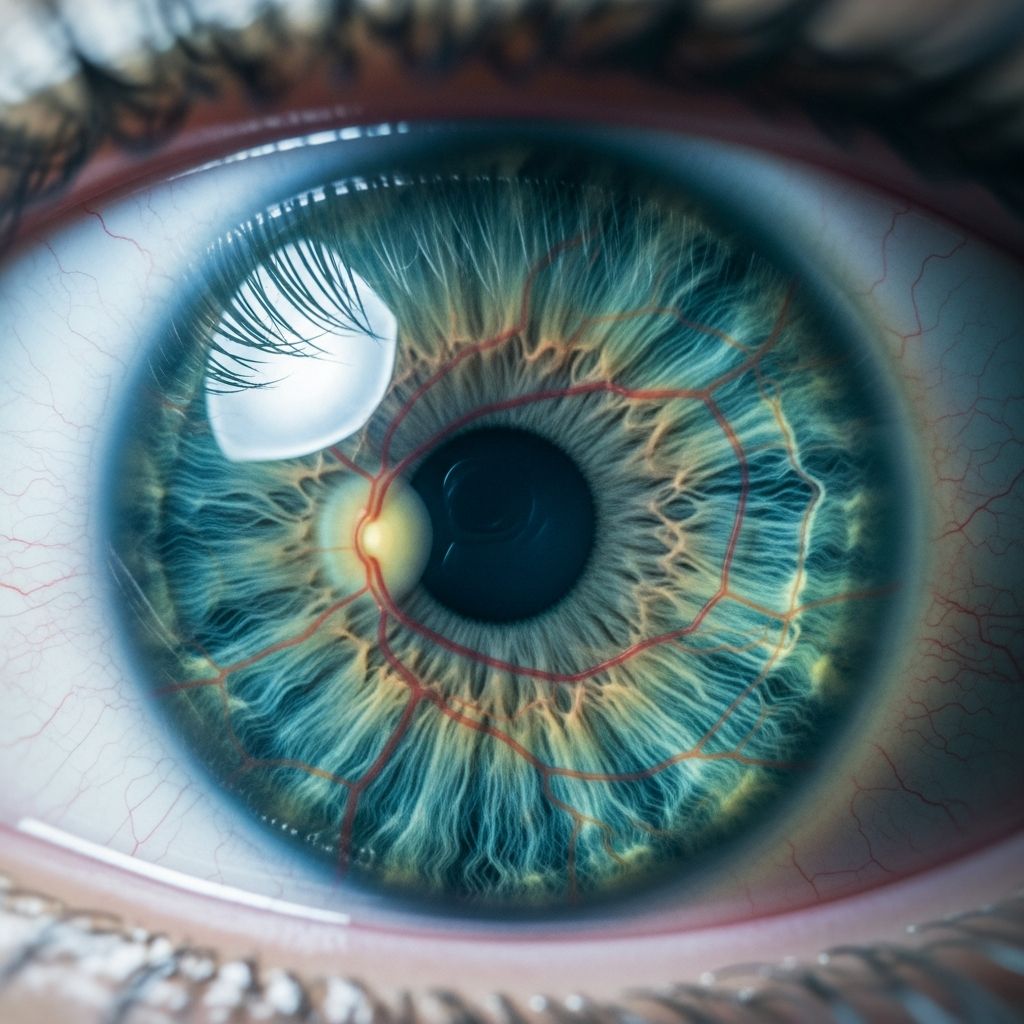
Amblyopia, commonly known as lazy eye, represents the most frequent reason for unilateral vision impairment in children, impacting roughly 5% of kids under 15 years old. This condition arises when the brain favors visual input from one eye over the other during critical developmental periods, typically from birth through age 7, leading to suppressed development in the weaker eye.
Understanding the Visual Development Process
The human visual system matures rapidly in early childhood. Neural connections between the eyes and brain strengthen through consistent, clear images from both eyes. When one eye delivers suboptimal signals—due to misalignment, refractive differences, or obstructions—the brain adapts by ignoring that input to avoid double vision or confusion. Over time, this neural suppression becomes entrenched, causing permanent deficits if untreated.
Unlike structural eye diseases, amblyopia stems from disrupted binocular vision processing rather than physical damage to the eye itself. The affected eye often appears normal but functions poorly, with issues extending beyond acuity to include reduced contrast sensitivity, poor accommodation, and unstable fixation.
Primary Forms of Amblyopia
Clinicians classify amblyopia into distinct categories based on underlying triggers, each demanding tailored management strategies.
- Strabismic Amblyopia: Occurs when eye misalignment (strabismus) prevents fused images. The brain suppresses the deviating eye’s input, leading to poor vision. Constant unilateral deviation at distance and near heightens risk.
- Refractive or Anisometropic Amblyopia: Develops from unequal refractive errors between eyes, such as significant hyperopia, myopia, or astigmatism differences—even as small as 1.50D. High bilateral hyperopia over 4.00D can affect both eyes.
- Deprivation Amblyopia: The severest type, triggered by media opacities like congenital cataracts that block clear retinal images. Urgent intervention is essential to avert irreversible loss.
Mixed cases, combining strabismus and refractive issues, are common, complicating diagnosis and therapy.
Recognizing Early Warning Signs
Amblyopia often evades casual observation since affected children may not complain of vision problems. Key indicators include:
- Eyes that wander inward, outward, upward, or downward (strabismus).
- Head tilting or turning to favor one eye.
- Squinting, frequent eye closure, or rubbing.
- Difficulty with depth perception, affecting tasks like catching balls.
- Abnormal vision screening outcomes.
Subtle signs like unsteady fixation or poor binocular function may only surface during professional exams. Parents and caregivers should prioritize routine screenings between ages 3 and 5, as early detection dramatically improves outcomes.
Factors Elevating Risk
Certain conditions predispose children to amblyopia:
| Risk Factor | Description |
|---|---|
| Prematurity or Low Birth Weight | Infants born early or small face higher susceptibility due to immature visual pathways. |
| Family History | Genetic links increase odds, especially for refractive errors and strabismus. |
| Developmental Disorders | Conditions like autism or cerebral palsy correlate with elevated rates. |
| Untreated Refractive Errors | Uncorrected farsightedness or astigmatism in one eye promotes suppression. |
Regular pediatric eye exams mitigate these risks, particularly in high-risk groups.
Comprehensive Diagnostic Approaches
Diagnosis begins with a thorough history and symptom review, followed by age-appropriate tests. Cycloplegic refraction—using drops to relax focusing muscles—reveals hidden refractive errors critical for anisometropia.
Related Stories



Key assessments include:
- Visual acuity measurement with symbols or letters suited for children.
- Binocular alignment checks via cover-uncover tests.
- Depth perception (stereopsis) evaluation.
- Dilated fundus exam to exclude organic pathology like cataracts.
Fixation stability analysis helps detect eccentric viewing patterns in amblyopic eyes. If deprivation causes are suspected, imaging or specialist referral follows promptly.
Evidence-Based Treatment Protocols
Treatment hinges on forcing the brain to use the weaker eye, starting with optical correction. Full cycloplegic prescriptions address hyperopia, myopia, and astigmatism; hyperopic corrections may reduce symmetrically by up to 1.50D post-stabilization.
Once refractive errors are managed (typically 4-6 weeks), penalization therapies activate:
Patching Therapy
Occluding the stronger eye compels reliance on the amblyopic one. Duration varies: 2-6 hours daily for moderate cases, full-time for severe. Compliance challenges are common, but improvements occur within weeks.
Pharmacologic Options
Atropine drops blur the preferred eye’s vision, offering a patching alternative. Effective for ages 3-7, with similar success rates but better adherence.
Surgical Interventions
For strabismus or cataracts, surgery precedes vision therapy. Post-op patching remains crucial.
Recent advancements include dichoptic training apps and perceptual learning, enhancing binocular function even in older children. Treatment efficacy peaks before age 7 but extends into adolescence with persistent effort.
Navigating Challenges in Management
Adherence poses the biggest hurdle; creative strategies like rewards or digital monitoring boost success. Monitoring progress every 1-3 months adjusts regimens—intensifying for non-responders or tapering responders.
Untreated amblyopia risks lifelong deficits: reduced acuity, poor stereopsis, and occupational limitations. Early action reverses most cases, restoring near-normal vision.
Long-Term Prognosis and Follow-Up
With compliant therapy, 70-80% achieve 20/30 or better. Residual deficits in contrast or motion persist in some despite acuity gains. Lifelong annual exams prevent recurrence, as improvements can regress without maintenance.
Frequently Asked Questions
Can adults treat amblyopia?
Plasticity declines post-critical period, but perceptual training shows promise for mild cases. Consult specialists for personalized plans.
Does amblyopia resolve without intervention?
No; it persists or worsens without treatment, potentially causing permanent blindness.
How long does treatment last?
Varies from months to years, depending on severity and age at start.
Is surgery always required?
Only for underlying issues like cataracts; most cases respond to non-invasive methods.
Can both eyes be affected?
Rarely, usually from bilateral refractive errors like high hyperopia.
Preventive Strategies for Optimal Vision
Vision screenings at well-child visits, family education on signs, and prompt referral to pediatric ophthalmologists form the frontline defense. Correcting refractive errors early thwarts progression.
In summary, amblyopia demands vigilant detection and aggressive therapy during developmental windows. Advances in digital therapeutics expand options, offering hope for fuller visual recovery.
References
- Lazy eye (amblyopia) – Symptoms & causes — Mayo Clinic. 2023-10-12. https://www.mayoclinic.org/diseases-conditions/lazy-eye/symptoms-causes/syc-20352391
- The Generalist’s Guide to Amblyopia — Review of Optometry. 2022-05-15. https://www.reviewofoptometry.com/article/the-generalists-guide-to-amblyopia
- Amblyopia (Lazy Eye) — Boston Medical Center. 2024-01-08. https://www.bmc.org/patient-care/conditions-we-treat/db/amblyopia-lazy-eye
- Lazy Eye (Amblyopia): Symptoms, Causes & Treatment — Cleveland Clinic. 2023-11-20. https://my.clevelandclinic.org/health/diseases/10707-amblyopia-lazy-eye
- Amblyopia (Lazy Eye) — National Eye Institute (NIH). 2024-02-10. https://www.nei.nih.gov/eye-health-information/eye-conditions-and-diseases/amblyopia-lazy-eye
- Amblyopia — American Association for Pediatric Ophthalmology and Strabismus. 2023-09-05. https://aapos.org/glossary/amblyopia
Similar Articles








Read full bio of medha deb