Amenorrhea: Causes, Symptoms, Diagnosis, and Treatment
Understand amenorrhea: from primary and secondary types to diagnosis, treatment options, and when to seek medical help for missing periods.
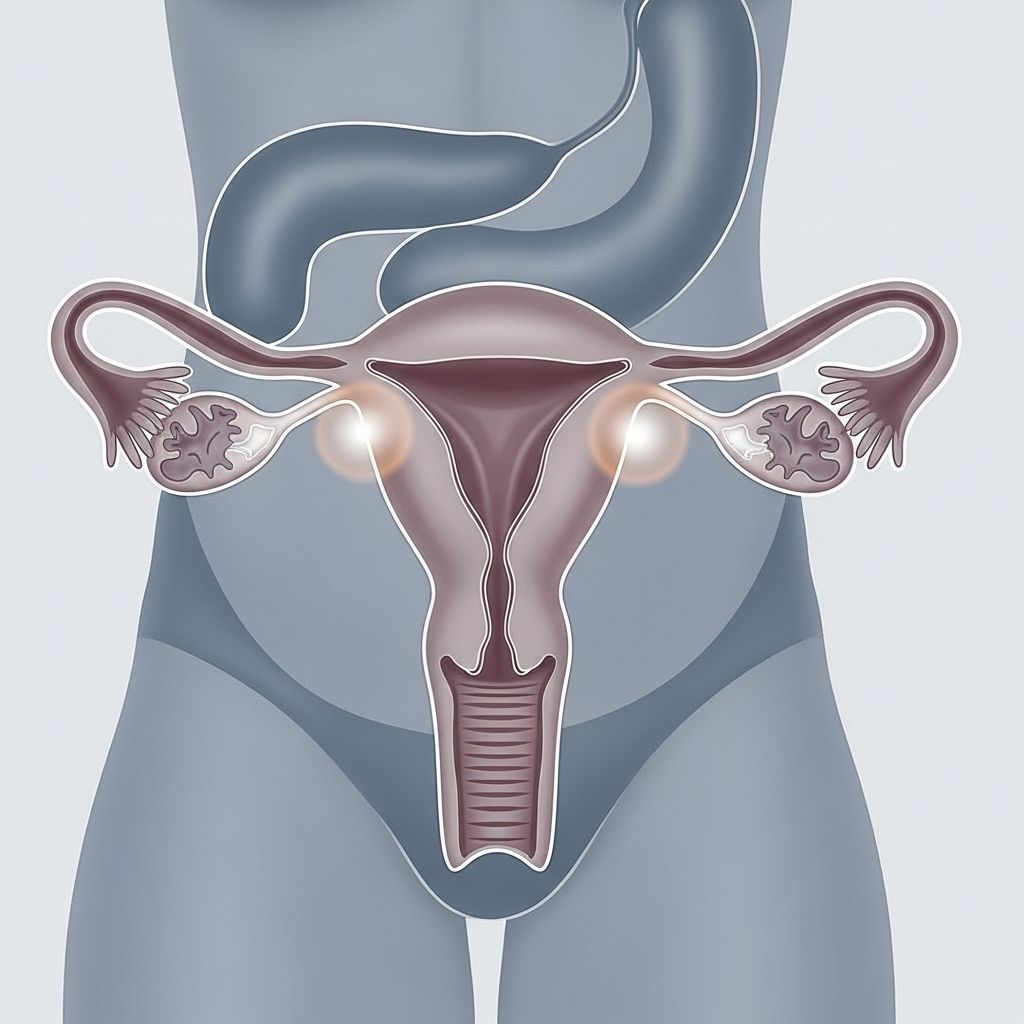
Amenorrhea is the absence of menstrual periods in a woman of reproductive age, typically defined as no menstruation by age 15 or the cessation of previously regular periods for three months or more. It affects about 1 in 25 women and signals potential underlying issues ranging from pregnancy to serious hormonal or structural problems.
What Is Amenorrhea?
Amenorrhea refers to the absence of menstruation in females of reproductive age, roughly 12 to 52 years old. It is classified into two main types: primary and secondary.
Primary amenorrhea
occurs when a girl has not started her period by age 15 or within three years of breast development (thelarche).Secondary amenorrhea
is the absence of periods for at least three months in someone who previously menstruated regularly, or six months in those with irregular cycles.While not immediately life-threatening, amenorrhea can indicate disruptions in the hypothalamic-pituitary-ovarian (HPO) axis, outflow tract issues, or other endocrine disorders. Pregnancy remains the most common cause overall, but persistent cases require evaluation to prevent complications like infertility, bone loss from low estrogen, or endometrial hyperplasia.
Types of Amenorrhea
- Primary Amenorrhea: No menarche by age 15 despite normal secondary sexual characteristics, or by age 13 with delayed puberty signs. Often linked to genetic conditions like Turner syndrome or congenital anomalies such as Müllerian agenesis.
- Secondary Amenorrhea: More common, affecting women post-menarche. Defined as ≥3 months without menses in regular cyclers or ≥6 months in irregular ones.
Other categories include physiologic amenorrhea (pregnancy, lactation, menopause) and medication-induced types, which do not always require intervention.
Symptoms of Amenorrhea
Beyond the hallmark missing periods, symptoms vary by cause but may include:
- Hot flashes, vaginal dryness, or breast discharge (low estrogen signs).
- Acne, excess hair growth (hirsutism), or weight gain (hyperandrogenism, e.g., PCOS).
- Headaches, vision changes, or galactorrhea (pituitary issues like prolactinoma).
- Fatigue, hair loss, or cold intolerance (hypothalamic suppression).
- Delayed puberty signs in primary cases, such as lack of breast development.
Long-term risks include osteoporosis due to unopposed estrogen lack, infertility, and cardiovascular issues. Early symptoms warrant prompt medical attention.
Causes of Amenorrhea
Amenorrhea stems from disruptions anywhere along the HPO axis, outflow tract, ovaries, or external factors. Causes are grouped systematically:
Outflow Tract Abnormalities
Blockages or absences prevent menstrual blood exit, despite hormonal cycling. Examples include imperforate hymen, transverse vaginal septum, or Asherman syndrome (uterine scarring post-procedure). Patients often report cyclic pelvic pain.
Primary Ovarian Insufficiency (POI)
Ovaries fail before age 40, mimicking menopause. Causes: autoimmune disorders, genetics (e.g., Fragile X), chemotherapy, or radiation. Elevated FSH and low estrogen confirm diagnosis.
Hypothalamic or Pituitary Disorders
The most frequent in adolescents:
Functional Hypothalamic Amenorrhea (FHA)
from energy deficit (eating disorders, excessive exercise, stress), suppressing GnRH. Other causes: hyperprolactinemia (prolactinoma), tumors, or infiltrative diseases. Low FSH/LH levels characterize this.Related Stories



Other Endocrine Disorders
**Polycystic Ovary Syndrome (PCOS)** leads via hyperandrogenism and insulin resistance, causing chronic anovulation. Thyroid dysfunction (hypo/hyperthyroidism) and adrenal disorders (Cushing’s, congenital adrenal hyperplasia) also disrupt cycles.
Physiologic and Lifestyle Factors
Pregnancy tops the list; lactation and menopause follow. Extreme weight loss/gain, chronic illness (celiac, IBD), or high-stress lifestyles contribute.
Medications and Chronic Diseases
Antipsychotics, chemotherapy, GnRH agonists, or opioids suppress cycles. Systemic illnesses like diabetes or kidney disease indirectly affect the HPO axis.
Diagnosis of Amenorrhea
Evaluation follows a stepwise approach:
- History and Physical: Menstrual history, weight changes, exercise, medications, galactorrhea check, virilization signs, pelvic exam.
- Pregnancy Test: First step for secondary cases.
- Labs: FSH, LH, prolactin, TSH, total testosterone, estradiol, AMH. Progesterone challenge tests uterine response.
- Imaging: Pelvic ultrasound for outflow/PCOS; MRI for pituitary lesions.
- Special Tests: Karyotype for primary amenorrhea; bone density scan for low estrogen.
A systematic algorithm prioritizes pregnancy exclusion, then FSH to differentiate ovarian vs. central causes.
Treatment for Amenorrhea
Treatment targets the underlying cause:
| Cause | Treatment Options |
|---|---|
| Outflow Obstruction | Surgical correction (hymenectomy, adhesiolysis) |
| POI | Hormone replacement therapy (HRT) until age 50; fertility options like egg donation |
| FHA | Lifestyle changes: nutrition, reduced exercise, stress management; calcium/vitamin D |
| PCOS | Oral contraceptives, metformin, weight loss, ovulation induction (clomiphene) |
| Hyperprolactinemia | Dopamine agonists (cabergoline); surgery for macroadenomas |
| Thyroid Disorders | Levothyroxine or antithyroid drugs |
ACOG emphasizes combined pharmacologic/nonpharmacologic strategies. HRT prevents bone loss in hypoestrogenic states. Prognosis excels for reversible causes like FHA.
Prevention and When to See a Doctor
Prevent via balanced diet, moderate exercise, stress reduction, and prompt chronic illness management. Seek care if no period by 15, ≥3 months absence post-menarche, or with symptoms like pelvic pain, hirsutism, or milk discharge.
Adolescents with primary amenorrhea need evaluation by 13-15; secondary cases post-pregnancy exclusion.
Frequently Asked Questions (FAQs)
What is the difference between primary and secondary amenorrhea?
Primary is no first period by age 15 or 3 years post-breast development; secondary is stopped periods for ≥3-6 months after starting.
Can stress cause amenorrhea?
Yes, severe stress triggers functional hypothalamic amenorrhea by suppressing GnRH release.
Does amenorrhea affect fertility?
Often yes, due to anovulation; treatments restore ovulation in many cases.
Is amenorrhea dangerous?
Not acutely, but risks include osteoporosis and infertility; evaluation identifies serious causes.
How long is too long without a period?
≥3 months if regular before; pregnancy test first.
References
- Amenorrhea (Nursing) — StatPearls Publishing. 2023. https://www.statpearls.com/articlelibrary/nursingarticle/17439
- A Guide to Amenorrhea Causes and Treatment Strategies — US Pharmacist. 2025-09. https://www.uspharmacist.com/article/a-guide-to-amenorrhea-causes-and-treatment-strategies
- Amenorrhea — StatPearls, NCBI Bookshelf, NIH. 2023. https://www.ncbi.nlm.nih.gov/books/NBK482168/
- Amenorrhea: Absence of Periods — American College of Obstetricians and Gynecologists (ACOG). 2023. https://www.acog.org/womens-health/faqs/amenorrhea-absence-of-periods
- Amenorrhea: A Systematic Approach to Diagnosis and Management — American Academy of Family Physicians (AAFP). 2019-07-01. https://www.aafp.org/pubs/afp/issues/2019/0701/p39.html
Similar Articles








Read full bio of medha deb