Amenorrhea A to Z: Complete Guide to Causes and Treatment
Comprehensive guide to understanding amenorrhea: types, causes, diagnosis, and effective treatment options.
Amenorrhea A to Z: Understanding Missed Periods and Treatment Options
Amenorrhea, the absence of menstruation, affects many women at different stages of life. Whether your periods have never started or have suddenly stopped, understanding this condition is essential for your reproductive health and overall well-being. This comprehensive guide covers everything you need to know about amenorrhea, from its types and causes to diagnosis and treatment strategies.
What Is Amenorrhea?
Amenorrhea is the absence of menstruation in females of reproductive age. It can significantly impact your quality of life and may indicate underlying health conditions that require attention. The condition is not a disease itself but rather a symptom of an underlying issue that needs to be identified and addressed. Understanding whether you have primary or secondary amenorrhea is the first step toward receiving appropriate treatment.
Types of Amenorrhea
Amenorrhea is classified into two distinct categories based on whether menstruation has ever occurred:
Primary Amenorrhea
Primary amenorrhea occurs when a person assigned female at birth has not experienced their first menstrual period, known as menarche, by age 15, even if they have experienced other signs of puberty such as breast development. This type requires evaluation to determine if there are structural, hormonal, or genetic factors preventing the onset of menstruation. Primary amenorrhea accounts for a significant portion of cases in younger adolescents and may be associated with congenital conditions or developmental disorders.
Secondary Amenorrhea
Secondary amenorrhea occurs when someone who previously had regular menstrual periods misses their period for three consecutive months or more. This type is more common than primary amenorrhea and often develops due to lifestyle factors, hormonal imbalances, or other medical conditions that develop after puberty. Secondary amenorrhea can be temporary and reversible with appropriate treatment of the underlying cause.
Common Causes of Amenorrhea
Understanding the underlying causes of amenorrhea is crucial for effective treatment. The condition can result from various physiological, hormonal, and structural factors:
Hormonal and Endocrine Disorders
Hormonal imbalances represent one of the most common causes of amenorrhea. Polycystic ovary syndrome (PCOS) affects the ovaries’ ability to release eggs regularly and is a leading cause of secondary amenorrhea. Thyroid disorders, including both hyperthyroidism and hypothyroidism, can disrupt the delicate hormonal balance necessary for menstruation. Premature ovarian insufficiency (POI) or premature ovarian failure occurs when the ovaries stop functioning normally before age 40. Adrenal gland disorders and excessive prolactin production also contribute to amenorrhea by interfering with the hormonal signals that regulate the menstrual cycle.
Structural and Anatomical Issues
Structural abnormalities of the reproductive tract can prevent menstruation even when hormonal function is normal. Müllerian agenesis, where the uterus and upper vagina fail to develop, represents a significant cause of primary amenorrhea. Asherman’s syndrome involves scar tissue formation inside the uterus, typically following surgical procedures or severe infections. Cervical stenosis, where the cervix becomes narrowed or blocked, prevents menstrual flow. These structural issues require different treatment approaches than hormonal causes.
Genetic and Chromosomal Conditions
Certain genetic conditions can cause primary amenorrhea. Turner syndrome, characterized by having one X chromosome or variations in X chromosomes, affects sexual development and menstruation. Complete androgen insensitivity syndrome (CAIS) occurs when the body does not respond to male sex hormones, affecting reproductive development. Gonadal dysgenesis involves abnormal development of the ovaries and can result in absent or irregular periods.
Related Stories



Neurological and Central Nervous System Factors
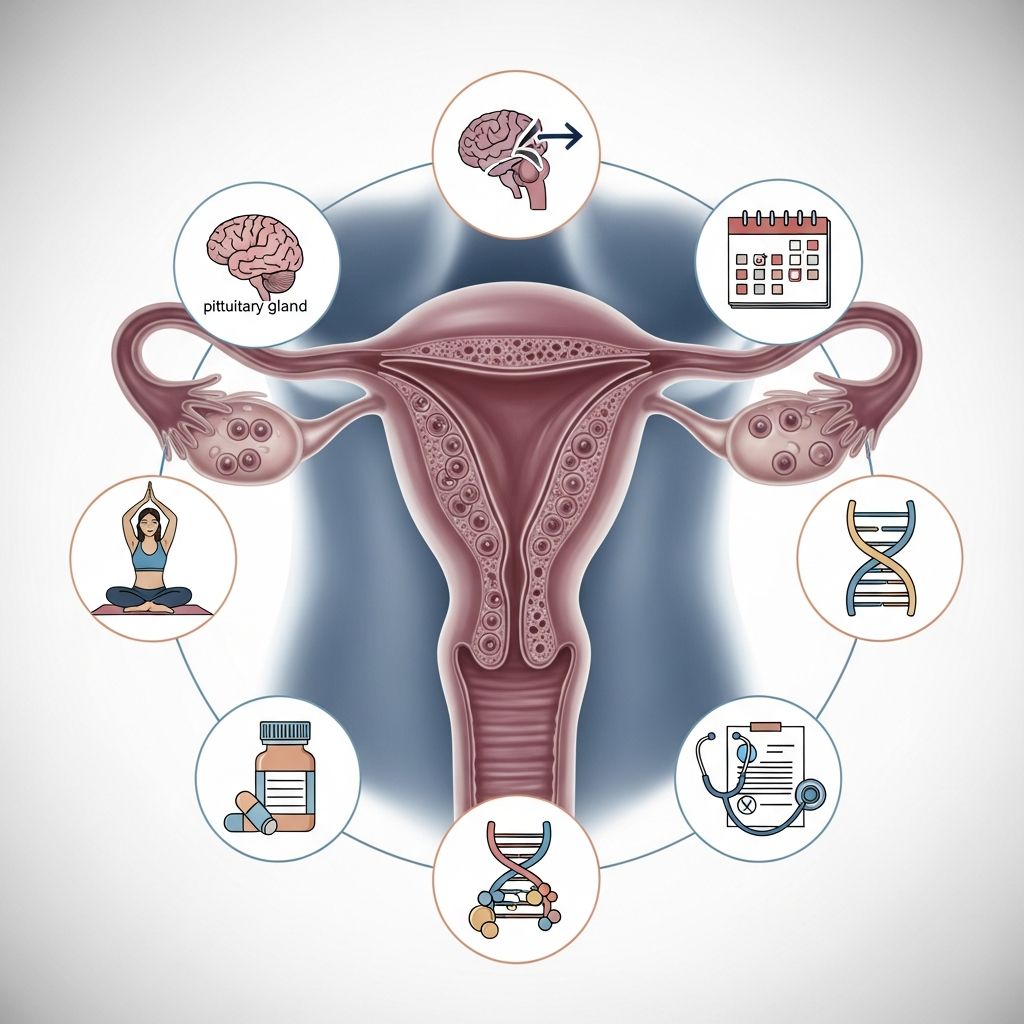
The hypothalamus and pituitary gland control menstrual function through hormone production. Hypothalamic amenorrhea, also called functional hypothalamic amenorrhea (FHA), occurs due to stress, excessive exercise, significant weight loss, or caloric restriction. Pituitary tumors, particularly prolactinomas, can disrupt hormone signaling. Hypothalamic pituitary disorders prevent the release of gonadotropin-releasing hormone (GnRH), which is essential for ovulation.
Lifestyle and Physiological Factors
Significant weight loss or being underweight can halt menstruation as the body conserves energy. Excessive exercise, particularly in athletes, can suppress menstruation through hormonal changes. Severe psychological stress can trigger hypothalamic amenorrhea. Eating disorders, including anorexia nervosa and bulimia, frequently cause amenorrhea due to nutritional deficiency and hormonal disruption. These lifestyle factors can be reversed through appropriate interventions.
Medications and Other Factors
Certain medications can cause amenorrhea as a side effect, including some antipsychotics, antidepressants, and chemotherapy drugs. Pregnancy, breastfeeding, and menopause represent physiological states where amenorrhea is expected. Contraceptive methods, particularly hormonal IUDs and certain birth control formulations, may reduce or eliminate menstrual bleeding.
Diagnostic Approach to Amenorrhea
Accurate diagnosis requires a systematic evaluation to identify the underlying cause. Healthcare providers use multiple diagnostic tools and assessments:
Medical History
Your doctor will ask detailed questions about your menstrual history, including the date of your last menstrual period, the pattern and regularity of previous periods, and the age when menstruation first started. Questions about other symptoms—such as unusual hair growth, weight changes, acne, headaches, visual disturbances, and hot flashes—provide important clues. Your healthcare provider will also inquire about lifestyle factors, medications you are taking, family history of reproductive disorders, and any recent significant life stressors or changes.
Physical Examination
A comprehensive physical examination includes checking your weight, height, and blood pressure to assess your nutritional status. Your doctor will evaluate secondary sexual characteristics and look for signs of hormonal imbalances such as unusual hair growth patterns or acne. A pelvic examination is particularly important, especially for primary amenorrhea, to identify structural abnormalities of the uterus, cervix, and vagina. The examination helps exclude anatomical causes that may require surgical intervention.
Laboratory Testing
Blood tests provide crucial information about hormone levels and help identify specific causes of amenorrhea:
Pregnancy test: This is typically the first test performed to rule out pregnancy as the cause of missed periods.
Hormone panel: Measures thyroid hormones (TSH, free T4), prolactin levels, and hormones that regulate the menstrual cycle including follicle-stimulating hormone (FSH) and luteinizing hormone (LH).
Androgen levels: Tests for elevated male sex hormones that may indicate conditions like PCOS.
Other endocrine tests: May include cortisol, DHEA-S, and other hormones depending on clinical suspicion.
Imaging Studies
Ultrasound imaging provides detailed visualization of the uterus, ovaries, and other reproductive structures. Transvaginal ultrasound is particularly useful for identifying structural abnormalities and assessing ovarian function. Magnetic resonance imaging (MRI) may be ordered to evaluate the pituitary gland for tumors or other abnormalities when clinically indicated. These imaging tests help identify structural causes and confirm diagnoses suggested by history and laboratory findings.
Genetic Testing
A karyotype analysis examines your chromosomes to identify genetic conditions such as Turner syndrome or other chromosomal abnormalities that may cause primary amenorrhea. This test is particularly useful when genetic or developmental disorders are suspected based on clinical presentation.
Treatment Options for Amenorrhea
Treatment strategies are tailored to address the underlying cause of amenorrhea. Various approaches can help restore menstrual function and maintain reproductive health:
Hormonal Therapies
Oral contraceptives: Birth control pills containing estrogen and progestin can regulate menstrual cycles, especially when hormonal imbalances like PCOS are the underlying cause. They provide regular, predictable bleeding patterns and help manage symptoms like acne and excessive hair growth.
Estrogen replacement therapy: When primary amenorrhea results from low estrogen levels, hormone replacement can help initiate puberty, trigger menstruation, and prevent long-term complications such as osteoporosis.
Progestin therapy: Progestin-only medications can induce withdrawal bleeding and help restore menstrual cycles in certain conditions.
Thyroid hormone replacement: For patients with thyroid disorders causing amenorrhea, appropriate thyroid hormone replacement restores normal menstrual function.
Dopamine agonists: Medications like bromocriptine or cabergoline reduce prolactin levels when elevated prolactin causes amenorrhea.
Lifestyle Modifications
Weight management: Achieving and maintaining a healthy weight can restore normal menstrual function in individuals with amenorrhea related to being underweight or overweight. Even modest weight gain of 5-10% can restart menstruation in some cases.
Exercise adjustment: Reducing excessive exercise and finding an appropriate balance between physical activity and rest can help restore menstruation in athletes. Moderate exercise promotes overall health while excessive training can suppress reproductive hormone production.
Nutritional optimization: Ensuring adequate caloric and nutrient intake is essential, particularly for individuals with eating disorders or significant dietary restrictions. Working with a nutritionist can help establish healthy eating patterns.
Stress management: Implementing stress-reduction techniques such as mindfulness meditation, yoga, counseling, or therapy can help restore menstruation in functional hypothalamic amenorrhea. Stress reduction allows the hypothalamus to resume normal GnRH production.
Treating Underlying Conditions
Specific treatment of underlying medical conditions is essential. PCOS management may include medications like metformin in addition to lifestyle modifications. Thyroid disorders require appropriate hormone replacement. Structural abnormalities may require surgical intervention. Eating disorders necessitate comprehensive psychological and nutritional treatment.
Fertility Considerations
For patients seeking pregnancy, gonadotropin therapy may be used to stimulate ovulation. This treatment involves injecting hormones that directly stimulate the ovaries to produce and release eggs. Assisted reproductive techniques may be considered depending on the underlying cause and individual circumstances.
Amenorrhea and Fertility Impact
Amenorrhea directly affects fertility since regular ovulation is necessary for pregnancy to occur. However, the impact on long-term fertility depends on the underlying cause and how quickly treatment is initiated. Many causes of amenorrhea are reversible, and fertility can be restored once the condition is successfully treated. Early diagnosis and intervention maximize the chances of restoring normal menstrual and reproductive function.
Frequently Asked Questions
Q: How long should I wait before seeing a doctor about missed periods?
A: If you have missed three consecutive periods or if your previously regular periods have stopped for more than three months, you should schedule an appointment with your healthcare provider for evaluation.
Q: Can amenorrhea be temporary?
A: Yes, many causes of amenorrhea are temporary and reversible. Amenorrhea related to stress, weight loss, or excessive exercise can resolve once the underlying factor is addressed.
Q: Is amenorrhea serious?
A: While amenorrhea itself is not life-threatening, it can indicate underlying health conditions that require treatment. Additionally, prolonged amenorrhea can lead to complications such as osteoporosis if not addressed.
Q: Can I get pregnant if I have amenorrhea?
A: Pregnancy is not possible without ovulation; however, treating the underlying cause of amenorrhea often restores ovulation and fertility. Discuss fertility concerns with your healthcare provider.
Q: How is primary amenorrhea different from secondary amenorrhea?
A: Primary amenorrhea means menstruation has never started by age 15, while secondary amenorrhea means periods that were previously regular have stopped for three or more months.
Q: What is the most common cause of amenorrhea?
A: PCOS is one of the most common causes of secondary amenorrhea, while structural abnormalities are more common causes of primary amenorrhea. The most common cause varies based on age and individual circumstances.
When to Seek Medical Attention
You should schedule a medical appointment if you experience missed periods for three consecutive months, if your menstrual pattern changes significantly, or if you are concerned about your menstrual health. Early evaluation is particularly important if you are experiencing other symptoms such as significant weight changes, severe headaches, vision problems, or signs of hormonal imbalance. Prompt medical attention can lead to faster diagnosis and more effective treatment.
Conclusion
Amenorrhea is a complex condition with numerous potential causes, ranging from hormonal imbalances to structural abnormalities to lifestyle factors. Understanding the type of amenorrhea you have and its underlying cause is essential for receiving appropriate treatment. Most causes of amenorrhea are treatable, and many women successfully restore normal menstrual function through medical intervention and lifestyle modifications. If you are experiencing amenorrhea, consult with your healthcare provider for comprehensive evaluation and personalized treatment planning. Early diagnosis and intervention improve outcomes and help protect your reproductive health and overall well-being.
References
- Amenorrhea Explained: Key Causes, Symptoms & Treatment — RMA Network. 2025. https://rmanetwork.com/blog/understanding-amenorrhea-types-causes-symptoms-and-treatment-options/
- Amenorrhea – StatPearls — National Center for Biotechnology Information (NCBI), National Institutes of Health. 2024. https://www.ncbi.nlm.nih.gov/books/NBK482168/
- Amenorrhea: Absence of Periods — American College of Obstetricians and Gynecologists (ACOG). 2024. https://www.acog.org/womens-health/faqs/amenorrhea-absence-of-periods
- Evaluation and Management of Amenorrhea — JAMA Network, Journal of the American Medical Association. 2021. https://jamanetwork.com/journals/jama/article-abstract/2786258
- Amenorrhea – Health Library — Brigham and Women’s Hospital. 2024. https://healthlibrary.brighamandwomens.org/search/85,P00546
Similar Articles








Read full bio of Sneha Tete