Amino Acids: 9 Essential Types And Health Benefits
Explore the essential role of amino acids in protein synthesis, muscle health, immune function, and overall wellness.
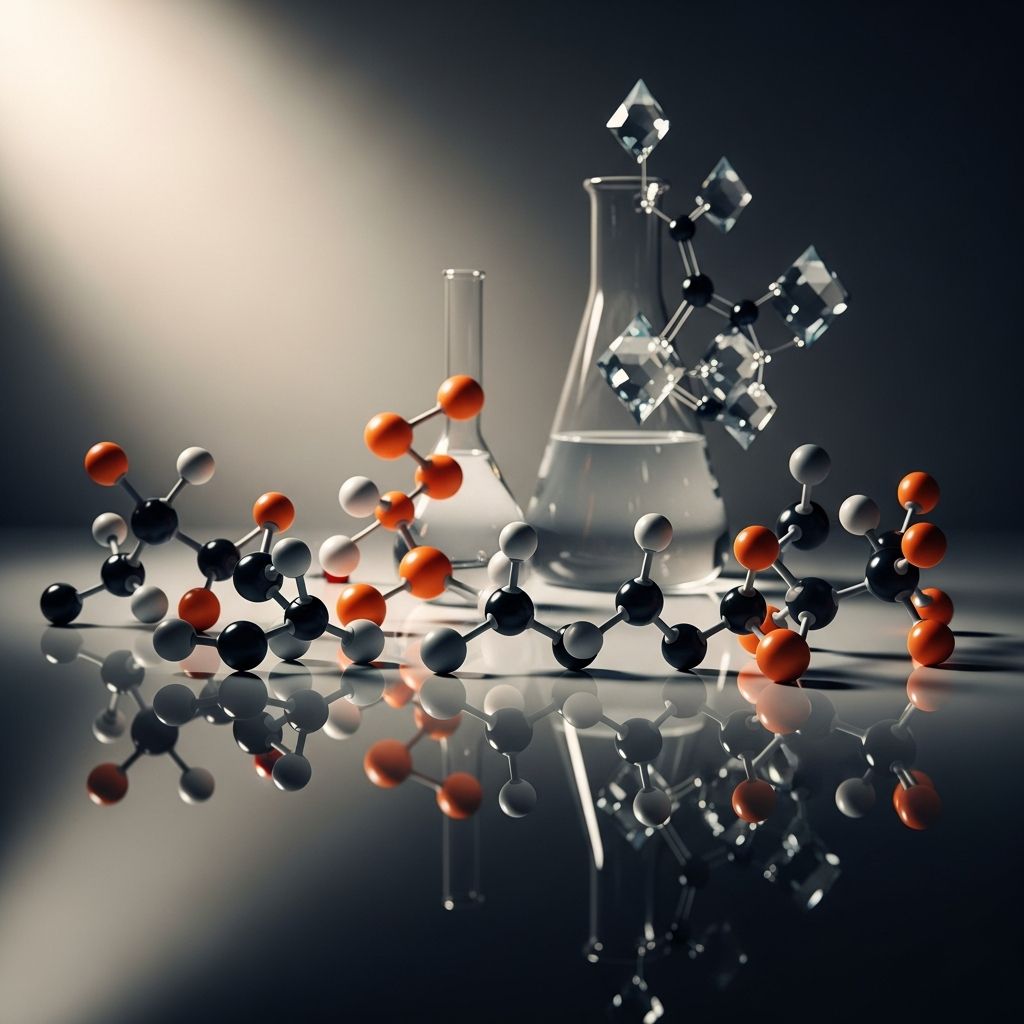
Amino acids are organic compounds that serve as the fundamental building blocks of proteins, essential for nearly every biological process in the human body. There are 20 standard amino acids, categorized into essential, non-essential, and conditionally essential types, each playing unique roles in muscle synthesis, immune function, neurotransmitter production, and energy metabolism.
Proteins, formed by chains of these amino acids, support tissue repair, enzyme production, hormone regulation, and more. While the body can synthesize some amino acids, the nine essential ones—histidine, isoleucine, leucine, lysine, methionine, phenylalanine, threonine, tryptophan, and valine—must be obtained through diet. Deficiencies can lead to muscle wasting, impaired immunity, and metabolic issues.
What Are Amino Acids?
Amino acids consist of a central alpha carbon atom bonded to an amino group, a carboxyl group, a hydrogen atom, and a variable side chain (R-group) that determines their properties and functions. This structure enables them to link via peptide bonds to form polypeptides and proteins.
Proteins perform diverse roles: structural (e.g., collagen in skin), enzymatic (e.g., digestive enzymes), transport (e.g., hemoglobin), and regulatory (e.g., insulin). Beyond proteins, amino acids act as precursors for neurotransmitters, hormones, and nucleotides.
The body uses amino acids for energy when carbohydrates and fats are insufficient, breaking them down via gluconeogenesis or the Krebs cycle.
Essential vs. Nonessential Amino Acids
Amino acids are classified by the body’s ability to synthesize them:
- Essential amino acids (9): Cannot be produced; must come from food. Critical for preventing deficiencies in protein synthesis.
- Nonessential amino acids (11): Synthesized from other compounds or essential amino acids.
- Conditionally essential amino acids: Usually nonessential but required during stress, illness, or growth (e.g., arginine, glutamine).
List of Essential Amino Acids:
- Histidine
- Isoleucine
- Leucine
- Lysine
- Methionine
- Phenylalanine
- Threonine
- Tryptophan
- Valine
Nonessential Amino Acids:
- Alanine
- Arginine (conditionally essential)
- Asparagine
- Aspartic acid
- Cysteine
- Glutamic acid
- Glutamine (conditionally essential)
- Glycine
- Proline
- Serine
- Tyrosine
Functions of the 9 Essential Amino Acids
Histidine
Histidine is vital for maintaining the myelin sheath around nerve cells, supporting immune responses as a precursor to histamine, and aiding hemoglobin production for oxygen transport. It also buffers pH in tissues during exercise. Deficiency may impair growth and hearing.
Isoleucine
Isoleucine, a branched-chain amino acid (BCAA), promotes muscle repair, energy regulation during exercise, and hemoglobin formation. It helps regulate blood sugar and supports wound healing. Older adults risk deficiency leading to muscle wasting.
Leucine
Leucine is the most potent stimulator of muscle protein synthesis via the mTOR pathway, promoting growth hormone and insulin release for blood sugar control. Essential for athletes, it prevents muscle loss in aging or illness.
Related Stories



Lysine
Lysine supports collagen and connective tissue formation, calcium absorption for bone health, and antibody production for immunity. It combats herpes viruses and aids hormone synthesis.
Methionine
Methionine initiates protein synthesis, detoxifies via glutathione and cysteine production, and supports fat metabolism. It prevents liver fat buildup and provides sulfur for joint health.
Phenylalanine
Phenylalanine converts to tyrosine, precursor for dopamine, norepinephrine, and epinephrine, influencing mood, alertness, and pain relief. Vital for memory and learning.
Threonine
Threonine maintains gut integrity via mucin production, forms collagen/elastin for skin health, and supports immune antibodies. It aids fat metabolism in the liver.
Tryptophan
Tryptophan is precursor to serotonin (mood/sleep regulation) and melatonin. It also forms niacin (B3) for energy and immunity. Low levels link to depression.
Valine
Valine, another BCAA, fuels muscles during exercise, repairs tissues, and balances nitrogen. It prevents muscle breakdown and supports mental focus.
Nonessential and Conditionally Essential Amino Acids
Nonessential amino acids like alanine (energy production), glycine (collagen, detoxification), and glutamine (gut/immune health) are synthesized as needed. Conditionally essential ones become critical during trauma or sepsis; e.g., arginine for wound healing, glutamine for immune cells.
Branched-Chain Amino Acids (BCAAs)
BCAAs—leucine, isoleucine, valine—comprise 35-40% of muscle amino acids. Metabolized in muscles, they reduce fatigue, promote synthesis post-exercise, and preserve lean mass during calorie restriction. Popular in supplements for athletes.
| BCAA | Primary Functions | Food Sources |
|---|---|---|
| Leucine | Muscle protein synthesis, blood sugar regulation | Meat, dairy, soy, eggs |
| Isoleucine | Energy regulation, wound healing | Chicken, fish, lentils |
| Valine | Muscle repair, stress response | Turkey, peanuts, quinoa |
Protein Sources: Complete vs. Incomplete
Complete proteins contain all essential amino acids (e.g., animal products: meat, fish, eggs, dairy). Incomplete proteins (plants: beans, grains) lack one or more but can be combined: rice + beans, hummus + pita.
- Animal sources: Highest bioavailability; poultry, beef, salmon, Greek yogurt.
- Plant sources: Quinoa, soy/tofu, buckwheat, hemp seeds; combine for completeness.
Health Benefits of Amino Acids
Amino acids support:
- Muscle health: BCAAs combat sarcopenia.
- Immunity: Lysine, threonine boost antibodies.
- Mood/Mental health: Tryptophan, phenylalanine for serotonin/dopamine.
- Metabolism: Methionine for detoxification.
- Bone/Skin: Lysine, threonine for collagen.
In disease, they aid recovery: leucine enhances MPS in elderly; arginine improves vascular health.
Deficiency Risks and Symptoms
Essential amino acid shortages cause fatigue, mood disorders, slow healing, hair loss, and muscle atrophy. Vegans risk lysine/tryptophan deficits without planning. RDA for protein: 0.8g/kg body weight; athletes need more.
Supplements: When and How
BCAAs, EAAs useful for athletes, elderly, or low-protein diets. Consult doctors; excess may strain kidneys.
Frequently Asked Questions
What are amino acids?
Amino acids are protein building blocks essential for body functions like repair and energy.
How many essential amino acids are there?
Nine: histidine, isoleucine, leucine, lysine, methionine, phenylalanine, threonine, tryptophan, valine.
What foods provide essential amino acids?
Meat, eggs, dairy, soy, quinoa; combine plants for vegetarians.
Are amino acid supplements necessary?
Not for balanced diets; beneficial for athletes or deficiencies.
Can vegans get all amino acids?
Yes, via diverse plants or combinations like beans + rice.
References
- Amino Acids – Their Roles In Physiology, Essential Amino Acids and How to Make a Complete Protein In Plant-Based Diets — Rupa Health. 2023. https://www.rupahealth.com/post/amino-acids-their-roles-in-physiology-essential-amino-acids-and-how-to-make-a-complete-protein-in-plant-based-diets
- Amino acids — MedlinePlus, U.S. National Library of Medicine. 2024-01-01. https://medlineplus.gov/ency/article/002222.htm
- The Essentiality of Amino Acids in Healthiness and Disease State — PMC (PubMed Central). 2024. https://pmc.ncbi.nlm.nih.gov/articles/PMC12124235/
- Essential amino acids: Definition, benefits, and foods — Medical News Today. 2023-10-08. https://www.medicalnewstoday.com/articles/324229
- Protein – The Nutrition Source — Harvard T.H. Chan School of Public Health. 2024. https://nutritionsource.hsph.harvard.edu/what-should-you-eat/protein/
Similar Articles








Read full bio of medha deb