Aminosalicylates: Types and Side-Effects
Comprehensive guide to aminosalicylates for treating ulcerative colitis, including types, uses, side effects, and monitoring.
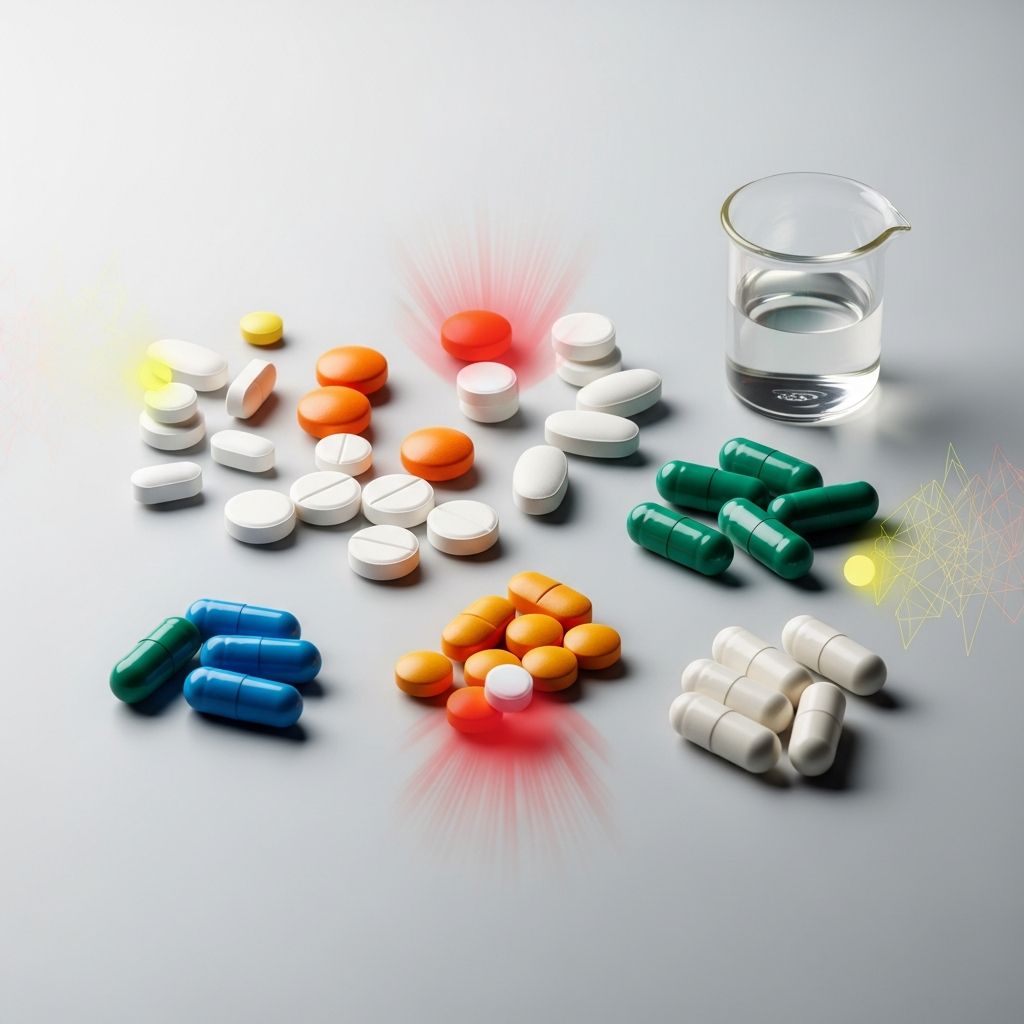
Aminosalicylates, also known as 5-aminosalicylic acids or 5-ASAs, are anti-inflammatory medications primarily used to treat and prevent flare-ups of
ulcerative colitis
(UC), a type of inflammatory bowel disease (IBD). These drugs work locally in the gut to reduce inflammation without suppressing the immune system, making them a first-line therapy for mild-to-moderate cases.What are aminosalicylates used for?
Aminosalicylates are mainly prescribed to manage
ulcerative colitis
. They help keep patients in remission by preventing symptoms and flare-ups. During active flare-ups, they reduce inflammation and alleviate symptoms like diarrhea, abdominal pain, and bleeding.- Maintain remission: Long-term use prevents relapses in UC patients.
- Treat active disease: Effective for inducing remission in mild-to-moderate UC flare-ups.
- Crohn’s disease: Sometimes used for colonic Crohn’s, but evidence shows limited effectiveness compared to UC; not routinely recommended.
- Cancer risk reduction: Long-term use in UC may lower colorectal cancer risk, though more research is needed.
- Other uses: Occasionally for certain arthritis forms, but focus here is on IBD.
According to the Crohn’s & Colitis Foundation, aminosalicylates limit inflammation in the gastrointestinal tract lining and are available as pills, enemas, or suppositories, tailored to inflammation location. The NHS recommends them as the initial treatment for mild-moderate UC.
How do aminosalicylates work?
The exact mechanism is not fully understood, but aminosalicylates act on gut-lining cells to modulate chemical release, such as
cytokines
, which drive inflammation in IBD. They reduce excessive inflammation allowing damaged tissue to heal without systemic immune suppression.Are aminosalicylates immunosuppressants?
No, aminosalicylates are not immunosuppressants. They target local inflammation in the bowel without affecting the body’s overall immune defense, distinguishing them from steroids or biologics. This makes them safer for long-term use in conditions like UC where inflammation causes pain, swelling, and tissue damage.
Types of aminosalicylates
The formulation depends on inflammation site: rectal for proctitis (rectum only), enemas/suppositories for distal colitis, or oral tablets releasing the drug at specific gut levels.
| Type | Examples | Target Area | Notes |
|---|---|---|---|
| Oral (Colon-targeted) | Mezavant®, Colazide® | Colon | Release in large intestine. |
| Oral (Ileum/Colon) | Asacol®, Ipocol®, Mesren®, Salofalk® | Terminal ileum to colon | For higher gut inflammation. |
| Oral (Entire gut) | Pentasa® | Whole small and large intestine | Broad coverage. |
| Oral (Prodrug) | Dipentum® (olsalazine), sulfasalazine | Colon | Split by bacteria to release 5-ASA; sulfasalazine has sulfa component. |
| Topical | Suppositories, enemas (e.g., Rowasa) | Rectum/distal colon | For left-sided disease. |
5-ASAs like mesalamine (USAN), balsalazide, and olsalazine are common; Mayo Clinic lists mesalamine (Delzicol, Rowasa), balsalazide (Colazal), olsalazine (Dipentum) as anti-inflammatories for UC.
Which is the best one?
Studies indicate most aminosalicylates are equally effective for UC, but choice depends on disease location/extent.
Sulfasalazine
may cause more side-effects due to its sulfa moiety, so mesalamine-based options are preferred if intolerance occurs. For mild-moderate UC, 5-ASAs induce remission effectively.Dosage and how to take aminosalicylates
Dosage varies: higher for active disease (e.g., 2.4-4.8g/day mesalamine), maintenance lower (1.5-2.4g/day). Take as prescribed—tablets whole, enemas at bedtime retained if possible. Combine oral/topical for better results in distal disease.
Related Stories



- Suppositories/enemas: For rectum, retain 8+ hours.
- Tablets: With/without food; some pH-dependent.
- Compliance: Key for remission maintenance.
How quickly do aminosalicylates work?
For acute symptoms, relief may occur within a week. For maintenance, continual use prevents flare-ups. If no improvement in 4 weeks, reassess with doctor—may add oral to topical.
How long is treatment needed?
Varies: short-term for flare-ups, lifelong for maintenance in UC to prevent relapses. Discuss with gastroenterologist; long-term use safe and reduces cancer risk.
Monitoring whilst being treated
Regular checks essential, especially first 3 months: blood tests for liver/kidney function pre-treatment, then every 3 months (every 6 months if stable >1 year). Track bowel frequency to gauge efficacy.
Who should not take aminosalicylates?
Avoid if allergic to salicylates/sulfa (for sulfasalazine), severe kidney/liver disease, or certain blood disorders. Inform doctor of pregnancy/breastfeeding.
Side-effects of aminosalicylates
Generally well-tolerated as they act topically with minimal absorption. Common: nausea, headache, rash, diarrhea. Rare: kidney issues, pancreatitis, blood disorders—promptly report symptoms.
| Common Side-Effects | Rare/Serious |
|---|---|
| Headache, nausea, tummy pain, rash, diarrhea | Kidney problems, blood disorders, allergic reactions |
| Sulfasalazine-specific: reduced sperm count, folate deficiency | Pneumonitis, hepatitis |
Sulfasalazine users may need folic acid supplements.
Interactions with other medicines
May interact with azathioprine/6-mercaptopurine (increased blood disorder risk), warfarin, methotrexate. Inform doctor of all medications.
Other precautions when taking aminosalicylates
- Pregnancy: Generally safe (Category B); sulfasalazine may affect folate/sperm.
- Driving: No issues unless side-effects like dizziness.
- Alcohol: Moderate OK.
- Overdose: Rare; seek immediate help.
Frequently Asked Questions (FAQs)
Q: Are aminosalicylates safe long-term?
A: Yes, very safe for maintenance in UC with regular monitoring; minimal systemic effects.
Q: Do they work for Crohn’s disease?
A: Limited evidence; less effective than for UC, mainly for colonic involvement.
Q: Can I stop taking them during remission?
A: No, continual use prevents flare-ups; consult doctor before changes.
Q: What if I experience side-effects?
A: Switch formulations (e.g., from sulfasalazine to mesalamine); report to doctor promptly.
Q: Are topical forms more effective?
A: Yes for distal disease; combining with oral boosts remission rates.
References
- Aminosalicylates: Types and Side-Effects — Patient.info. 2023. https://patient.info/digestive-health/inflammatory-bowel-disease/aminosalicylates
- Sulfasalazine and 5-Aminosalicylates (5-ASA) — Crohn’s and Colitis Canada. 2024-01-15. https://crohnsandcolitis.ca/About-Crohn-s-Colitis/IBD-Journey/Treatment-and-Medications/Sulfasalazine-and-5-Aminosalicylates-5-ASA
- Aminosalicylates — Crohn’s & Colitis Foundation. 2023-06-01. https://www.crohnscolitisfoundation.org/what-is-ibd/medication/aminosalicylates
- Drug insight: aminosalicylates for the treatment of IBD — PubMed (Nature Reviews Gastroenterology & Hepatology). 2007-03-01. https://pubmed.ncbi.nlm.nih.gov/17339853/
- Ulcerative colitis – Treatment — NHS.uk. 2024-05-20. https://www.nhs.uk/conditions/ulcerative-colitis/treatment/
- Inflammatory bowel disease (IBD) – Diagnosis and treatment — Mayo Clinic. 2025-01-10. https://www.mayoclinic.org/diseases-conditions/inflammatory-bowel-disease/diagnosis-treatment/drc-20353320
Similar Articles








Read full bio of Sneha Tete