Amiodarone: Essential Guide To Uses, Risks, And Monitoring
Comprehensive guide to amiodarone (Cordarone X): uses, dosage, side effects, and key considerations for treating heart rhythm disorders.

Amiodarone is a powerful antiarrhythmic medication primarily used to treat serious irregular heart rhythms, including life-threatening ventricular arrhythmias and atrial fibrillation with rapid ventricular response. Approved by the FDA for managing malignant ventricular arrhythmias, it is often reserved for cases where other treatments fail due to its potency and potential side effects.
About amiodarone
Amiodarone belongs to a class of drugs called antiarrhythmics, which work by blocking potassium rectifier currents to prolong the action potential duration and refractory period in heart cells. This reduces excitability and prevents re-entrant arrhythmias. Structurally similar to thyroid hormone, it has a long half-life of up to 58 days, leading to gradual onset (2-3 weeks for oral effects) and prolonged effects after discontinuation.
Available as tablets (Cordarone X, 100mg or 200mg) or intravenous solution, it is used in hospitals for acute settings and outpatient for maintenance. Guidelines from AHA/ACC/HRS recommend it for rhythm control in atrial fibrillation, especially with heart disease, while ESC advises it after other drugs due to toxicity risks.
Key facts
- Amiodarone treats life-threatening heart rhythm problems like ventricular tachycardia/fibrillation and atrial fibrillation.
- Tablets start working in 2-3 weeks; full effects may take months due to slow accumulation.
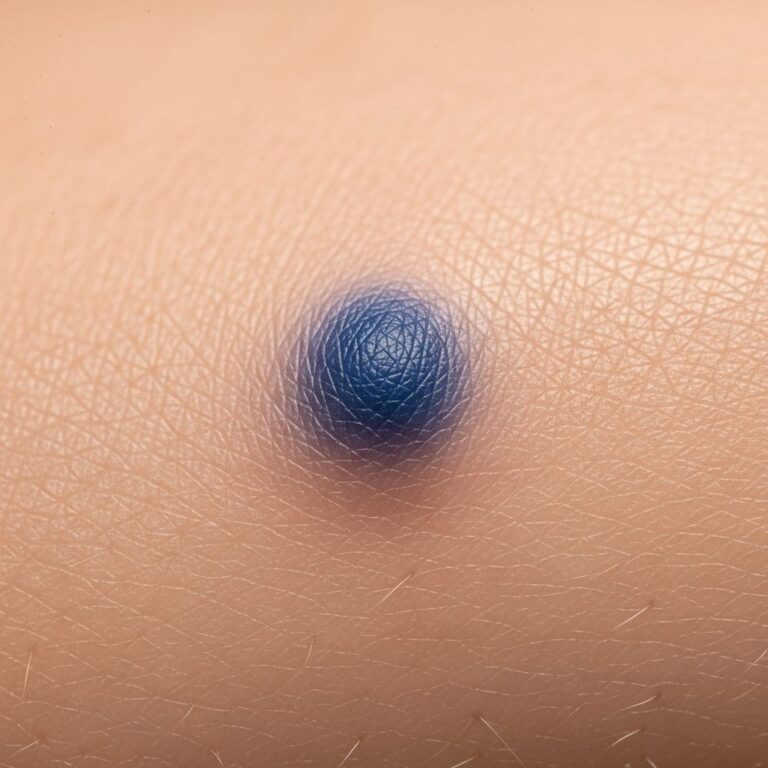
- Common side effects include sensitivity to sunlight, blue-grey skin discoloration, and thyroid changes.
- Not typically first-choice due to risks; used when benefits outweigh potential lung, liver, or thyroid toxicity.
- Requires regular monitoring of lungs, liver, thyroid, eyes, and heart function.
When to take amiodarone
Amiodarone is prescribed for specific arrhythmias unresponsive to safer alternatives. FDA indications include ventricular fibrillation (VF), pulseless ventricular tachycardia (VT), and wide-complex tachycardia in ACLS protocols. Off-label, it manages atrial fibrillation (AF), especially in hemodynamically unstable patients or those with heart failure, where it controls rate and restores sinus rhythm.
| Indication | Route/Setting | Dosage Example |
|---|---|---|
| Ventricular Arrhythmias (VF/VT) | IV, inpatient | 150mg IV over 10 min, then 1mg/min x6h, 0.5mg/min x18h |
| Atrial Fibrillation (rate control) | IV/oral | 150mg IV over 10 min + infusion; oral loading 400-600mg/day |
| Maintenance | Oral, outpatient | 200mg/day or less to minimize toxicity |
In post-cardiac surgery AF prevention, IV amiodarone reduces incidence, per NICE guidelines.
How and when to take amiodarone
Dosage
Always follow your doctor’s instructions. Loading doses are high initially to achieve therapeutic levels quickly, then reduced for maintenance.
- Adults (oral): Loading: 200mg 3 times daily for 1 week, then 200mg twice daily for week 2, then 200mg daily.
- IV acute: 150mg bolus over 10 min, followed by infusion as above; max daily 2.2g.
- Low-dose long-term: 100-200mg/day effective for rhythm maintenance with fewer side effects.
Administration
Swallow tablets whole with water, anytime but consistently. IV given in hospital via drip. If switching from IV to oral, overlap by 24 hours due to long half-life. Take with or without food; avoid grapefruit juice as it increases levels.
Related Stories



Common questions about amiodarone
How long does amiodarone take to work?
Oral amiodarone takes 2-3 weeks for noticeable effects, up to months for steady state. IV acts faster for acute arrhythmias.
Will amiodarone affect my fertility or pregnancy?
May harm unborn baby; not recommended in pregnancy unless essential. Effective contraception advised for women; discuss with doctor. Limited data on male fertility.
Can I drive while taking amiodarone?
Usually safe if no dizziness; inform DVLA (UK) or equivalent if side effects impair driving.
Who can and cannot take amiodarone tablets
Can take if: Diagnosed with serious arrhythmia, monitored regularly, no severe lung/liver/thyroid disease.
Cannot take if: Severe conduction disorders (without pacemaker), bradycardia (<60bpm), advanced heart failure, cardiogenic shock, severe lung disease, thyroid dysfunction, or hypersensitivity.
- Caution in elderly, heart failure, or electrolyte imbalances (low potassium/magnesium).
How and when to take amiodarone tablets
(Repeated for emphasis; see dosage section above.) Missed dose: Take as soon as remembered unless near next; do not double. Overdose: Seek emergency help—symptoms include slow heart rate, fainting.
Dosage
(Detailed above; tailored by doctor based on response and tolerance.)
Taking amiodarone tablets with other medicines and herbal supplements
Amiodarone interacts with many drugs due to CYP3A4 inhibition and P-gp effects. Key interactions:
| Drug Class | Examples | Effect |
|---|---|---|
| Anticoagulants | Warfarin | Increased bleeding risk; monitor INR closely |
| Beta-blockers/Calcium blockers | Propranolol, diltiazem | Bradycardia, AV block |
| Statins | Simvastatin | Muscle toxicity; limit simvastatin to 20mg/day |
| Digoxin | Digoxin | Doubled levels; halve digoxin dose |
| Others | QT-prolongers (e.g., erythromycin) | Torsades risk |
Inform doctor of all meds; avoid St. John’s wort, grapefruit.
Common side effects of amiodarone tablets
Most common (>1%):
- Sunlight sensitivity (use SPF50+)
- Skin discoloration (blue-grey, reversible slowly)
- Tremor, sleep issues
- Corneal microdeposits (usually asymptomatic)
Report persistent nausea, fatigue, cough, vision changes.
Serious side effects of amiodarone tablets
Rare but serious (0.1-1%):
- Lung toxicity: Pneumonitis, fibrosis (dose/time-related; baseline chest X-ray).
- Liver damage: Elevated enzymes; monitor monthly initially.
- Thyroid dysfunction: Hypo/hyperthyroidism (10-20%; annual TSH).
- Eye: Optic neuritis (vision loss; eye exam baseline/periodic).
- Heart: Bradycardia, QT prolongation, torsades.
Seek immediate help for breathing difficulty, chest pain, jaundice, severe weakness.
Side effects of amiodarone tablets – NHS inform style reporting
Call 111/911 for serious symptoms; doctor/nurse for mild persistent issues. Serious allergic reaction (anaphylaxis): swelling, breathing trouble—emergency.
About skin reactions
Sunburn risk high: Cover up, SPF50+. Blue-grey skin (face, neck, arms) fades over 1-2 years post-stop.
Stopping or switching to alternative treatments
Do not stop suddenly—risk arrhythmia recurrence. Taper under supervision. Alternatives: ICDs preferred for secondary prevention; other antiarrhythmics (sotalol, flecainide) if suitable. Low-dose (≤200mg/day) minimizes risks.
Pregnancy, breastfeeding and fertility while taking amiodarone tablets
Category D: Avoid in pregnancy (fetal thyroid/goiter risk). Breastfeeding: Avoid, passes into milk. Fertility: No major issues known; use contraception.
Monitoring while on amiodarone
- Baseline: ECG, chest X-ray, LFTs, TFTs, eye exam, PFTs.
- Ongoing: TFTs 6 months then yearly; LFTs monthly x6 then 6-monthly; annual lung/eye/chest checks.
- ECG for QTc, bradycardia.
Patient information leaflet link (hypothetical)
Refer to official PIL for full details.
Frequently Asked Questions (FAQs)
Q: Is amiodarone safe long-term?
A: Low doses (100-200mg/day) are safer; requires vigilant monitoring to catch toxicities early.
Q: Does amiodarone cause weight gain?
A: Not typically; thyroid changes may indirectly affect weight.
Q: Can I drink alcohol on amiodarone?
A: Moderate alcohol usually fine; excess may worsen liver risks—discuss with doctor.
Q: How does amiodarone affect the thyroid?
A: Mimics thyroid hormone; regular TSH tests needed as it causes hypo/hyperthyroidism in up to 20%.
References
- Amiodarone – StatPearls — Al-Khatib SM et al., NCBI/NIH. 2023-10-01. https://www.ncbi.nlm.nih.gov/books/NBK482154/
- Amiodarone for Afib Rhythm Control — StopAfib.org. 2023. https://www.stopafib.org/managing-afib/medication-for-afib/control-afib/rhythm-control-medication/amiodarone-pacerone/
- Amiodarone – ACLS Certification — ACLSOnline.us. 2024-01-15. https://www.aclsonline.us/drugs/amiodarone/
- Amiodarone: Guidelines for Use and Monitoring — Goldschlager N et al., AAFP. 2003-12-01 (authoritative guideline). https://www.aafp.org/pubs/afp/issues/2003/1201/p2189.html
- Low-dose Amiodarone Is Safe: A Systematic Review — Innovations in CRM. 2020-04-01. https://www.innovationsincrm.com/cardiac-rhythm-management/articles-2020/april/1581-low-dose-amiodarone-is-safe
- Amiodarone (oral route) — Mayo Clinic. 2024. https://www.mayoclinic.org/drugs-supplements/amiodarone-oral-route/description/drg-20061854
Similar Articles








Read full bio of medha deb