Amla Benefits: 12 Science-Backed Health Advantages
Discover the impressive health benefits of amla, from boosting immunity and heart health to supporting digestion and skin vitality.
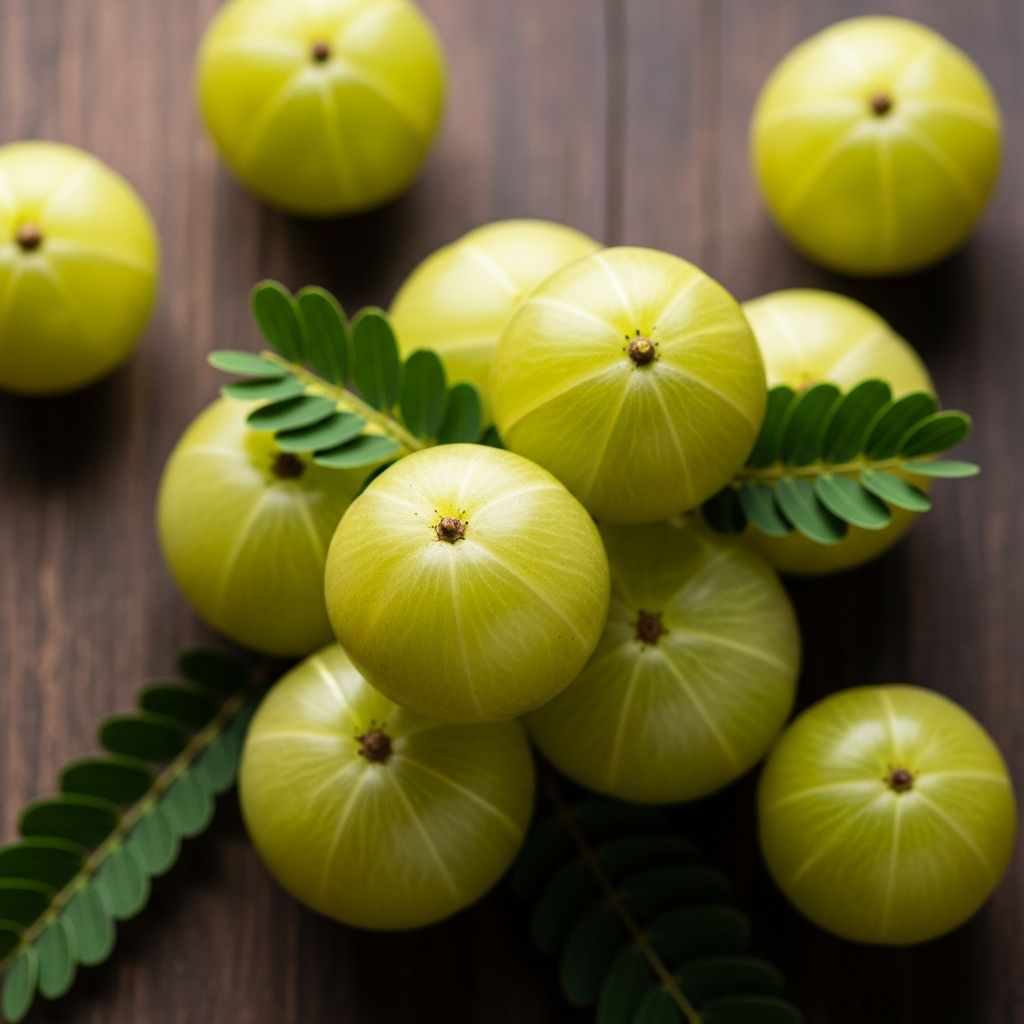
Amla, also known as Indian gooseberry or Phyllanthus emblica, is a nutrient-dense fruit revered in Ayurvedic medicine for its potent health-promoting properties. Packed with
vitamin C
, polyphenols, and antioxidants, amla delivers benefits ranging from immune support to heart health and beyond. This article explores its key advantages, grounded in scientific research.What Is Amla?
Amla is a small, green fruit native to India, widely used in traditional medicine for rejuvenation and vitality. One 100g serving provides over 300mg of
vitamin C
—more than twice the daily recommended value for adults—along with polyphenols, flavonoids, alkaloids, and tannins. These compounds contribute to its exceptional antioxidant capacity, rated 55 times higher than blueberries in some studies. Amla’s tart flavor makes it ideal for juices, powders, or fresh consumption, supporting overall wellness without high calories (just 44 per 100g).Potential Health Benefits of Amla
High in Antioxidants
Amla’s standout feature is its sky-high antioxidant content, primarily from vitamin C and polyphenols like quercetin, gallic acid, ellagic acid, and corilagin. These neutralize free radicals, reducing oxidative stress linked to aging, cancer, and chronic diseases. Preclinical studies highlight its free radical scavenging, anti-inflammatory, and radiomodulatory effects. Human trials show improved endogenous antioxidant defenses, protecting cells from damage.
May Promote Immune Function
The abundant vitamin C in amla enhances immune cell function and protects against oxidative stress. A 2023 study linked vitamin C to reduced cold severity, while a 2017 study suggested prevention of certain infections with regular intake. Animal research showed amla extract safeguarding mice from arsenic-induced damage. Amla also boosts white blood cell production, fortifying defenses, though more human studies are needed.
Enhances Liver Health
Amla supports liver function through its antioxidants and anti-inflammatory properties. Animal studies demonstrate it prevents fructose-induced fatty liver by upregulating metabolic proteins and reduces body weight plus belly fat in high-fat diet models. A study in Food & Function confirmed its hepatoprotective effects against medication toxins and heavy metals via phytochemicals. It re-energizes the liver, aiding detoxification.
Supports Healthy Digestion
Amla promotes digestive wellness with antidiarrheal, anti-ulcer, and spasm-preventing properties. A 2011 animal study found it eases stomach cramps, while 2013 and 2010 studies showed ulcer healing due to antioxidants. It balances stomach acid, enhances food absorption, tones bowels, and supports toxin elimination, making it a GI tract ally in Ayurveda.
Promotes Heart Health
Multiple studies affirm amla’s cardiovascular benefits. A 2019 trial with 98 people saw 500mg amla extract twice daily for 12 weeks lower triglycerides, total cholesterol, LDL, and atherogenic index by 39%. Another study in overweight adults reduced cholesterol and inflammation. It combats atherosclerosis, improves artery function (potentially rivaling statins for diabetics), and lowers CRP inflammation markers, boosting HDL.
May Increase Hair Growth
Amla’s nutrients nourish hair follicles, promoting growth and strength. Its antioxidants combat scalp oxidative stress, while vitamin C aids collagen production for healthy strands. Traditional use and emerging evidence suggest it reduces hair loss and enhances shine, though large human trials are limited.
Related Stories



Improves Kidney Health
Amla exhibits nephroprotective effects, shielding kidneys from damage. Animal models show it prevents toxin-induced issues, supporting filtration and reducing oxidative stress. Paired with its blood sugar regulation, it benefits diabetic kidney health.
Other Potential Benefits
- Blood Sugar Control: Amla matches diabetes drugs in trials, stimulating insulin secretion via chromium and lowering lipids. It maintains healthy levels and supports urinary excretion.
- Anti-Inflammatory & Joint Support: Extracts reduce joint inflammation; Ferrara University research backs this.
- Brain & Memory Health: Antioxidants protect neurons; vitamin C boosts norepinephrine for dementia-related function.
- Skin & Anti-Aging: UV protection, collagen boost, and tannins fight wrinkles.
- Cancer-Fighting Potential: Kills cancer cells (lung, liver, cervical, breast) selectively in lab tests.
Nutritional Profile of Amla
Beyond vitamin C, amla offers fiber, chromium, and low sugar. Here’s a breakdown per 100g:
| Nutrient | Amount | % Daily Value |
|---|---|---|
| Vitamin C | 300mg+ | 200%+ |
| Calories | 44 | 2% |
| Fiber | 4.3g | 15% |
| Polyphenols | High | – |
This profile supports its role as a superfruit for metabolic and detox health.
How to Add Amla to Your Diet
Incorporate amla fresh, juiced, powdered, or in supplements. Amla juice recipe: Blend 4-5 fresh amlas (remove seeds), strain, add water/honey, and consume fresh. Start with 1-2 tbsp powder daily in smoothies or water. Ayurvedically, pair with triphala for digestion. Consult a doctor for high doses, especially if pregnant or on meds.
Risks and Side Effects
Amla is generally safe but may cause acidity or allergies in excess. Its blood-thinning effects warrant caution with anticoagulants. Hyperacidic individuals should avoid raw forms. Limited human data means moderation is key; no established upper limit exists.
Frequently Asked Questions (FAQs)
Is amla good for immunity?
Yes, its vitamin C and antioxidants boost immune cells and fight infections, per studies.
Can amla lower cholesterol?
Clinical trials show reductions in LDL, triglycerides, and atherogenic index.
Does amla help with diabetes?
It regulates blood sugar comparably to drugs, aiding insulin secretion.
Is amla safe daily?
Typically yes in food amounts; consult professionals for supplements.
How much vitamin C in amla?
Over 300mg per 100g—exceptional for immune and skin health.
References
- 6 Emerging Benefits of Amla Juice — Healthline. 2025-08-18. https://www.healthline.com/nutrition/amla-juice
- Functional and Nutraceutical Significance of Amla (Phyllanthus emblica L.): A Review — PMC (National Library of Medicine). 2022-05-07. https://pmc.ncbi.nlm.nih.gov/articles/PMC9137578/
- Health Benefits of Amla (Indian Gooseberry) — WebMD. Accessed 2026. https://www.webmd.com/diet/health-benefits-amla
- Amla Benefits: The Latest Research — NutritionFacts.org. Accessed 2026. https://nutritionfacts.org/topics/amla/
- The Benefits of Amalaki (Amla) — Banyan Botanicals. Accessed 2026. https://www.banyanbotanicals.com/pages/plants-amla-amalaki
Similar Articles








Read full bio of medha deb