Amlodipine: Uses, Dosing, Side Effects, And Safety
Comprehensive guide to amlodipine: managing hypertension and angina with this vital calcium channel blocker medication.
Amlodipine stands as a cornerstone medication in cardiovascular care, primarily prescribed to address
high blood pressure
(hypertension) andchest pain
from angina. As a member of the calcium channel blocker family, it promotes vessel relaxation, easing the heart’s workload and enhancing blood circulation.Understanding the Core Role of Amlodipine in Cardiovascular Therapy
High blood pressure silently strains the cardiovascular system, elevating risks for heart attacks, strokes, and other complications. Amlodipine intervenes by targeting the mechanisms that regulate vascular tone. Approved by regulatory bodies like the FDA since 1987, this dihydropyridine-class drug offers reliable, long-lasting effects suitable for daily management.
In clinical settings, amlodipine proves versatile, treating not only essential hypertension but also coronary artery disease manifestations. For patients with narrowed heart vessels, it facilitates smoother blood delivery to cardiac tissues, mitigating ischemia-related discomfort.
How Amlodipine Functions at the Cellular Level
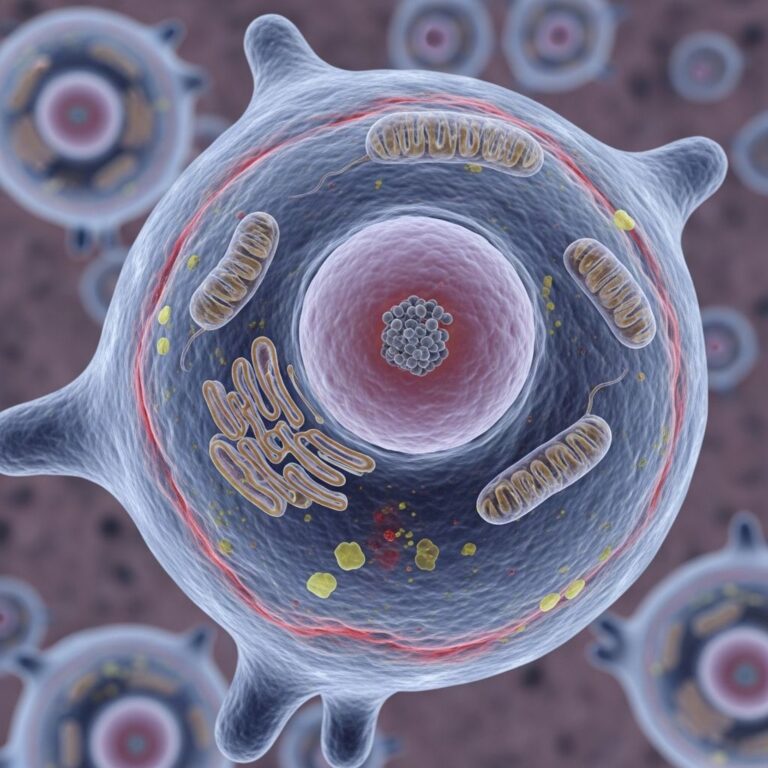
Amlodipine operates by inhibiting L-type calcium channels on vascular smooth muscle and cardiac cells. Calcium influx drives muscle contraction; by blocking this, amlodipine induces relaxation, dilating arteries and arterioles. This reduces peripheral resistance, lowering systolic and diastolic pressures without significantly altering heart rate.
Its prolonged half-life—ranging from 30 to 50 hours—ensures steady-state coverage with once-daily dosing, distinguishing it from shorter-acting counterparts. Additionally, amlodipine boosts nitric oxide production, further aiding vasodilation and exhibiting mild antioxidant benefits.
| Key Pharmacological Effects | Description |
|---|---|
| Vascular Smooth Muscle | Primary relaxation site, reducing afterload |
| Cardiac Muscle | Minimal depression, preserving contractility |
| Duration | 24+ hours efficacy per dose |
Primary Medical Applications and Benefits
- Hypertension Control: Lowers blood pressure in adults and children over 6 years, preventing organ damage.
- Chronic Stable Angina: Prolongs exercise tolerance, delays pain onset, and cuts nitroglycerin needs.
- Vasospastic Angina: Counters coronary spasms, restoring flow in Prinzmetal’s variant.
- Coronary Artery Disease: Improves myocardial oxygen supply-demand balance.
Long-term use sustains efficacy, with studies showing consistent blood pressure reduction and angina symptom relief. Combination therapy with beta-blockers or ACE inhibitors amplifies outcomes for resistant cases.
Standard Dosing Guidelines and Administration
Healthcare providers tailor amlodipine doses to individual profiles. Adults typically start at 5 mg orally once daily, adjustable to 10 mg maximum. Elderly patients or those with hepatic impairment begin at 2.5 mg to minimize risks.
Children aged 6-17 years receive 2.5-5 mg daily, based on weight and response. Tablets come in 2.5 mg, 5 mg, and 10 mg strengths, taken with or without food. Consistency in timing enhances adherence.
| Patient Group | Starting Dose | Maximum Dose |
|---|---|---|
| Adults | 2.5-5 mg/day | 10 mg/day |
| Children (6+ years) | 2.5-5 mg/day | 5-10 mg/day |
| Elderly/Hepatic Issues | 2.5 mg/day | 10 mg/day |
Therapeutic effects emerge within 1-2 weeks, peaking at 7-8 weeks. Abrupt cessation risks rebound hypertension; taper under supervision.
Related Stories



Recognizing and Managing Common Side Effects
Most users tolerate amlodipine well, but peripheral edema—swelling in ankles and feet—affects up to 10-15% due to precapillary dilation. Other frequent issues include headache, dizziness, flushing, and fatigue, often resolving within weeks.
Rare but serious effects encompass gingival hyperplasia, palpitations, or dyspnea. Monitor for allergic reactions like rash or angioedema. Drug interactions with CYP3A4 inhibitors (e.g., grapefruit juice, certain antifungals) can elevate levels, necessitating dose adjustments.
- Mild Effects: Edema, headache (usually transient)
- Moderate: Dizziness upon standing, fatigue
- Serious (Seek Help): Chest pain worsening, severe hypotension, irregular heartbeat
Critical Warnings and Contraindications
Amlodipine suits most, but avoid in cardiogenic shock, severe aortic stenosis, or hypersensitivity. Pregnancy category C status warrants caution; use only if benefits outweigh fetal risks. Breastfeeding data remains limited—consult providers.
Patients with heart failure may experience fluid retention; combine with diuretics if needed. Regular blood pressure and renal function checks ensure safety.
Integrating Amlodipine into Daily Heart-Healthy Routines
Medication alone isn’t enough. Pair amlodipine with a low-sodium DASH diet, 150 minutes weekly aerobic exercise, weight management, and smoking cessation for synergistic protection. Home monitoring tracks progress; log readings and symptoms for provider reviews.
Alcohol moderation prevents amplified hypotension. Inform surgeons pre-procedure, as amlodipine prolongs effects under anesthesia.
Monitoring Progress and Long-Term Expectations
Expect gradual blood pressure normalization and fewer angina episodes. Annual ECGs, lipid panels, and echocardiograms gauge efficacy. If targets unmet after 4 weeks, providers may titrate or add agents like thiazides.
Adherence studies highlight once-daily convenience boosting compliance rates above 80%.
Frequently Asked Questions (FAQs)
Can amlodipine cause weight gain?
Direct weight gain is uncommon; edema may mimic it. Lifestyle factors often contribute more.
Is amlodipine safe for long-term use?
Yes, decades of data confirm safety and efficacy in chronic management.
Does grapefruit interact with amlodipine?
Yes, it inhibits metabolism, raising drug levels and side effect risks. Limit intake.
How quickly does amlodipine lower blood pressure?
Initial drops in days; full control in weeks.
Can I stop amlodipine suddenly?
No—rebound hypertension possible. Consult your doctor for tapering.
Is amlodipine suitable for diabetics?
Often preferred; neutral on glucose and neutral to beneficial on kidneys.
Advanced Considerations for Optimal Therapy
In resistant hypertension, fixed-dose combinations like amlodipine/valsartan streamline regimens. Research explores its endothelial protective roles beyond pressure control. Pediatric use expands for genetic hypertension cases.
Genetic polymorphisms in CYP3A5 influence metabolism; pharmacogenomics may personalize dosing soon.
References
- About amlodipine – NHS — NHS. 2023. https://www.nhs.uk/medicines/amlodipine/about-amlodipine/
- Amlodipine: MedlinePlus Drug Information — MedlinePlus (NIH). 2023-10-15. https://medlineplus.gov/druginfo/meds/a692044.html
- Amlodipine: Uses, Interactions, Mechanism of Action | DrugBank — DrugBank. 2024. https://go.drugbank.com/drugs/DB00381
- Amlodipine besylate: Side effects, dosage, uses, and more — Medical News Today. 2024-01-22. https://www.medicalnewstoday.com/articles/amlodipine-oral-tablet
- Amlodipine: Uses & Side Effects – Cleveland Clinic — Cleveland Clinic. 2023. https://my.clevelandclinic.org/health/drugs/20686-amlodipine-tablets
- Amlodipine – StatPearls – NCBI Bookshelf — NCBI (NIH). 2023-08-14. https://www.ncbi.nlm.nih.gov/books/NBK519508/
Similar Articles








Read full bio of Sneha Tete