Amlodipine Tablets: Uses, Dosage, Side Effects, Interactions
Comprehensive guide to amlodipine for treating high blood pressure, angina, and coronary artery disease with dosage, side effects, and safety information.
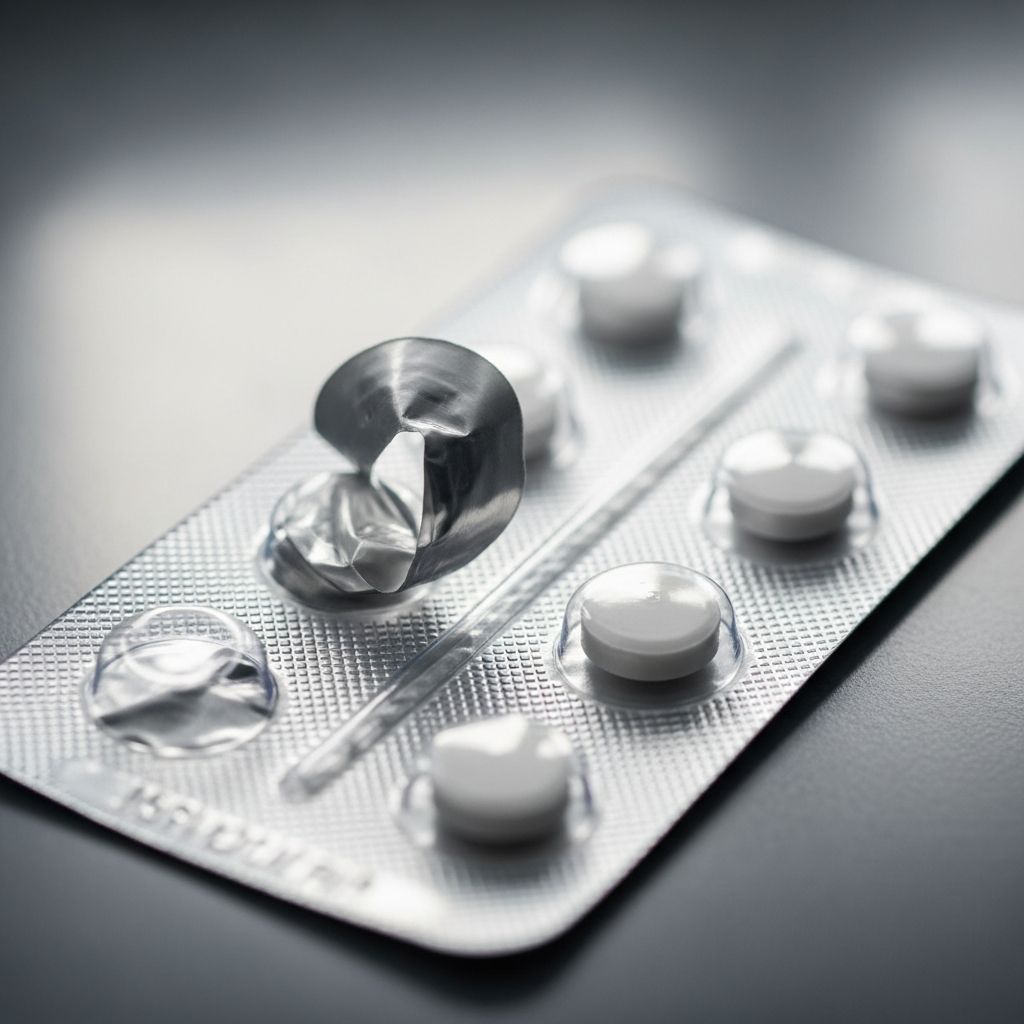
Amlodipine is a calcium channel blocker medication primarily used to treat high blood pressure (hypertension) and chest pain (angina). Available under brand names like Istin and Norvasc, it works by relaxing blood vessels, improving blood flow, and reducing the heart’s workload.
About amlodipine tablets
Amlodipine tablets belong to a class of drugs known as calcium channel blockers. These medications inhibit the influx of calcium ions into vascular and cardiac smooth muscle cells, leading to vasodilation and decreased peripheral resistance. This mechanism lowers blood pressure and relieves angina symptoms by increasing oxygen delivery to the heart muscle.
Norvasc (amlodipine besylate) is indicated for hypertension, chronic stable angina, vasospastic (Prinzmetal’s or variant) angina, and angiographically documented coronary artery disease (CAD) without heart failure or low ejection fraction. It reduces the risk of hospitalization for angina and coronary revascularization procedures in CAD patients.
The tablets are available in 2.5 mg, 5 mg, and 10 mg strengths. They can be taken alone or in combination with other antihypertensive agents or anti-anginal drugs.
Key facts
- Amlodipine is used to treat
high blood pressure
andangina
. - The usual starting dose is
5 mg once daily
, with a maximum of10 mg
. - For elderly, small, fragile patients, or those with hepatic insufficiency, start at
2.5 mg
daily. - Common side effects include
edema
,headache
,fatigue
, andnausea
. - It is generally safe in patients with COPD, well-compensated heart failure, diabetes, and abnormal lipids.
About high blood pressure
High blood pressure, or hypertension, occurs when blood pushes too forcefully against artery walls, adding strain to the heart and vessels. Untreated, it increases risks of stroke, heart attack, kidney damage, and vision loss. Amlodipine relaxes blood vessels, allowing easier blood flow and reducing these risks.
Hypertension often has no symptoms, earning it the nickname ‘silent killer.’ Regular monitoring is essential. Lifestyle changes like diet, exercise, and weight management complement medication.
About angina
Angina is chest pain or discomfort from reduced blood flow to the heart muscle, often triggered by exertion or stress. It feels like pressure or squeezing under the breastbone, sometimes radiating to arms, neck, jaw, or back. Amlodipine treats chronic stable angina and vasospastic angina by dilating coronary arteries and peripheral vessels.
In patients with documented CAD, amlodipine reduces angina-related hospitalizations and need for revascularization.
How and when to take amlodipine
Dosage
The recommended starting dose for adults is 5 mg orally once daily, with a maximum of 10 mg daily. Titrate slowly based on response. For chronic stable or vasospastic angina, 5-10 mg once daily is standard, with lower doses for elderly or hepatic impairment patients.
| Condition | Starting Dose | Maximum Dose |
|---|---|---|
| Hypertension (Adults) | 5 mg once daily | 10 mg once daily |
| Angina (Adults) | 5 mg once daily | 10 mg once daily |
| Elderly/Hepatic Insufficiency | 2.5 mg once daily | 10 mg once daily |
Swallow tablets whole with water, with or without food. Take at the same time daily for steady levels. Effectiveness lasts at least 24 hours.
Missed dose
If you miss a dose, take it as soon as remembered unless near the next dose. Do not double up. Consistent use maintains blood pressure control.
Storage
Store at room temperature (15-30°C), away from moisture and light. Keep out of reach of children.
Dosage information for specific populations
Related Stories



Elderly patients show 40-60% increased AUC due to reduced clearance; start low. Similar in hepatic insufficiency or heart failure. Not recommended under 6 years; limited pediatric data.
Side effects of amlodipine
Most common are dose-related: edema (up to 14.6% at 10 mg), headache (7.3%), fatigue (4.5%). Others >1%: nausea, abdominal pain, dizziness.
Serious side effects
- **Hypotension**: Especially in aortic stenosis; monitor closely.
- **Worsening angina/MI**: Rare at start or dose increase, higher risk in severe CAD.
- **Extrapyramidal symptoms**: Rare.
Common side effects
| System | Side Effects |
|---|---|
| Cardiovascular | Edema, palpitations, hypotension |
| Nervous | Headache, dizziness, fatigue |
| Gastrointestinal | Nausea, abdominal pain, dyspepsia |
| Musculoskeletal | Muscle cramps, myalgia |
| Respiratory | Dyspnea |
| Skin | Rash, pruritus |
Report persistent or severe effects to your doctor. Edema often resolves with dose reduction.
How to cope with amlodipine side effects
- Edema: Elevate legs, reduce salt; contact doctor if severe.
- Headache/Dizziness: Rest, stay hydrated; avoid sudden standing.
- Fatigue: Pace activities, ensure rest.
- Flushing: Avoid hot environments.
Most effects are mild and improve over time.
Pregnancy and breastfeeding
No adequate human data; animal studies show no fetal risk at therapeutic doses. Use only if benefits outweigh risks. Limited data on breastfeeding; caution advised as it excretes in milk.
Other medicines, supplements, food, and alcohol
Amlodipine has minimal protein binding interactions with digoxin, warfarin, phenytoin. Avoid simvastatin >20 mg due to interaction. CYP3A4 inhibitors (e.g., ketoconazole) increase levels; monitor.
- With other blood pressure meds: Enhances effects; monitor BP.
- Alcohol: May potentiate hypotension; limit intake.
- Grapefruit juice: Increases amlodipine levels; avoid large amounts.
Inform doctor of all medications.
Common questions about amlodipine
Frequently Asked Questions (FAQs)
How long does it take for amlodipine to work?
Blood pressure lowers gradually over 1-2 weeks; full effect in 2-4 weeks. Angina relief may start sooner.
Can you stop taking amlodipine suddenly?
No; taper under medical supervision to avoid rebound hypertension or angina.
Does amlodipine cause weight gain?
Possible but uncommon; edema may mimic it. Monitor weight.
Is amlodipine a blood thinner?
No; it’s a vasodilator, not an anticoagulant.
Can I take amlodipine at night?
Yes; once-daily dosing flexible, but consistent timing best.
Warnings and precautions
- Titrate slowly in severe hepatic impairment.
- Monitor in heart failure (NYHA III-IV).
- Not for cardiogenic shock or unstable angina.
References
- Norvasc (amlodipine besylate) tablets label — U.S. Food and Drug Administration (FDA). 2011-07-22. https://www.accessdata.fda.gov/drugsatfda_docs/label/2011/019787s047lbl.pdf
- NORVASC® (amlodipine besylate) tablets — Pfizer. Accessed 2026. https://labeling.pfizer.com/ShowLabeling.aspx?id=562
- High Blood Pressure & Angina | NORVASC® — NORVASC Official Site. Accessed 2026. https://www.norvasc.com
- Amlodipine (Norvasc): Uses, Side Effects, Interactions — WebMD. Accessed 2026. https://www.webmd.com/drugs/2/drug-5891/amlodipine-oral/details
- Amlodipine (oral route) – Side effects & dosage — Mayo Clinic. Accessed 2026. https://www.mayoclinic.org/drugs-supplements/amlodipine-oral-route/description/drg-20061784
- Amlodipine Tablets — Cleveland Clinic. Accessed 2026. https://my.clevelandclinic.org/health/drugs/20686-amlodipine-tablets
Similar Articles








Read full bio of medha deb