Ammonium Lactate Skin Cream: Uses & Side Effects
Complete guide to ammonium lactate cream for treating dry, scaly skin conditions effectively.
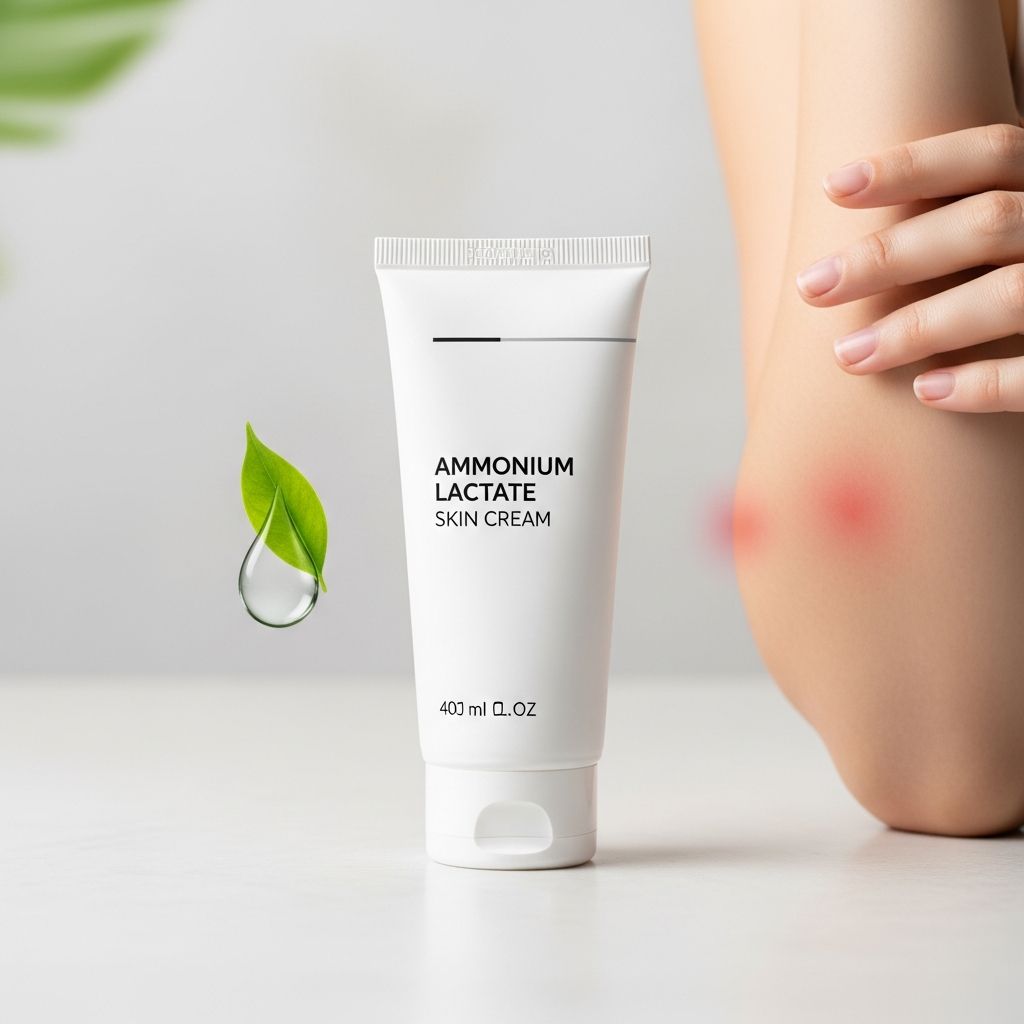
Ammonium Lactate Skin Cream: Complete Guide to Uses and Side Effects
Ammonium lactate is a topical skin cream medication designed to treat a variety of dry skin conditions. It functions by increasing moisture content in the skin, providing relief from uncomfortable symptoms like itching, scaling, and flaking. This comprehensive guide explores the uses, mechanisms of action, proper application methods, potential side effects, and important safety considerations for using ammonium lactate skin cream effectively.
What Is Ammonium Lactate?
Ammonium lactate is a chemical compound created from the combination of lactic acid and ammonium hydroxide. It belongs to a class of substances known as alpha hydroxy acids (AHAs), which are commonly used in dermatological treatments. The medication comes in various formulations, primarily as creams and lotions, making it accessible for different skin types and personal preferences. Ammonium lactate is available both as a prescription medication and over-the-counter (OTC) product, with popular brand names including AmLactin and Lac-Hydrin.
How Ammonium Lactate Works
Ammonium lactate operates through multiple mechanisms to improve skin health. The primary function is as a humectant—a substance that helps retain moisture in the skin by preventing water loss from the outer layers. This moisture-retaining property is particularly valuable for individuals with chronically dry skin conditions. Additionally, ammonium lactate has mild exfoliating properties that help gently remove dead skin cells from the surface layer. This exfoliation process allows moisturizing ingredients to penetrate deeper into the skin, enhancing hydration at multiple levels. The combination of humectant and gentle exfoliating actions makes ammonium lactate an effective treatment for various dry skin conditions.
Primary Uses and Indications
Xerosis (Severe Dry Skin)
Xerosis, also known as severe dry skin or dry skin dermatitis, is one of the most common conditions treated with ammonium lactate. This condition involves significant moisture loss in the skin’s outer layers, resulting in uncomfortable dryness, tightness, and sometimes cracking. Ammonium lactate effectively addresses xerosis by replenishing moisture content and maintaining skin hydration over time.
Ichthyosis Vulgaris
Ichthyosis vulgaris is a genetic skin condition characterized by dry, scaly skin that resembles fish scales. The condition results from buildup of keratin, a protein that forms the skin’s outer layer. Ammonium lactate helps manage ichthyosis by hydrating the skin and gently exfoliating the accumulation of dead skin cells, reducing the appearance and discomfort associated with scaling.
Keratosis Pilaris
Keratosis pilaris causes small, rough bumps to appear on the skin, typically on the arms, thighs, cheeks, and buttocks. This condition results from keratin buildup within hair follicles. Ammonium lactate’s exfoliating properties help remove the accumulated keratin, smoothing the skin’s texture and reducing the visibility of these characteristic bumps.
Eczema and Psoriasis
While not a cure, ammonium lactate can significantly alleviate symptoms associated with eczema and psoriasis, particularly the dryness and itching components. These inflammatory skin conditions often feature compromised moisture barriers, and ammonium lactate’s hydrating properties help restore comfort and reduce irritation.
Proper Application Instructions
Correct application of ammonium lactate is essential for achieving optimal results while minimizing potential side effects. Follow these detailed steps for proper use:
– Clean the affected skin area thoroughly with a gentle cleanser and pat dry completely- Ensure your hands are clean before application- If using a lotion formulation, shake the bottle well to mix ingredients uniformly- Apply a thin layer of the product directly to the affected area- Gently rub the cream or lotion into the skin until fully absorbed- Use the medication twice daily at consistent times, preferably morning and evening- Wash your hands after application unless treating the hands themselves- Allow the product to fully dry before applying other skincare products
Important: Do not apply ammonium lactate to broken, irritated, or damaged skin, and avoid contact with eyes and mucous membranes.
Dosage and Frequency
Most ammonium lactate formulations are designed for twice-daily application at the same times each day. Consistency is important for achieving the best results. The standard concentration available without prescription is 12%, though prescription-strength versions may vary. Always follow the specific instructions on your product’s packaging or the directions provided by your healthcare provider, as individual needs may vary based on skin condition severity and skin type.
Potential Side Effects
Common Side Effects
Most people using ammonium lactate experience mild, temporary side effects that typically diminish with continued use. These common reactions include:
– Stinging or burning sensation at the application site- Mild skin redness (erythema)- Temporary peeling or flaking- Localized dryness- Slight skin irritation- Rash at the application site
These side effects are generally mild and resolve on their own within a few days to a week of use. They result from the product’s exfoliating action on the skin’s surface.
When to Discontinue Use
If side effects persist beyond a few weeks, intensify in severity, or if your skin becomes severely irritated, excessively dry, or develops pronounced peeling, discontinue use and consult a healthcare provider. Severe reactions warrant professional evaluation to determine if ammonium lactate is appropriate for your skin or if an alternative treatment would be better suited.
Allergic Reactions
While uncommon, allergic reactions to ammonium lactate or other ingredients in the formulation can occur. Signs of an allergic reaction include hives, severe itching, swelling of the face or throat, and difficulty breathing. If you experience any of these symptoms, stop using the product immediately and seek medical attention.
Important Safety Considerations
Sun Sensitivity
One of the most important safety considerations with ammonium lactate is increased photosensitivity. This medication can make your skin significantly more sensitive to ultraviolet (UV) radiation from the sun and artificial light sources. This increased sensitivity persists throughout your treatment period and can result in severe sunburns even during winter months or on cloudy days. Protective measures should include avoiding direct sun exposure on treated areas, wearing protective clothing such as long sleeves and wide-brimmed hats, and applying broad-spectrum sunscreen with at least SPF 30 to exposed skin areas where you’ve applied ammonium lactate.
Pregnancy and Breastfeeding
Limited research exists regarding ammonium lactate’s safety during pregnancy and while breastfeeding or chestfeeding. Due to insufficient data on potential effects on fetal development or nursing infants, healthcare providers generally recommend avoiding ammonium lactate if you are pregnant, planning to become pregnant, or actively breastfeeding. Always consult with your obstetrician or healthcare provider before using any topical medications during these periods.
Age Considerations
Prescription-strength ammonium lactate formulations can be safely used in children as young as two years old when directed by a pediatric dermatologist. However, OTC products should be used with caution in young children, and parental supervision is essential to prevent ingestion or application to sensitive areas like the eyes and face.
Complementary Skincare Practices
To maximize the effectiveness of ammonium lactate and maintain overall skin health, incorporate these complementary practices into your skincare routine:
– Maintain proper hydration by drinking adequate water daily- Use gentle, fragrance-free cleansers that don’t strip the skin- Avoid extremely hot water when bathing or showering, as it can worsen dryness- Apply ammonium lactate to damp skin when possible to enhance absorption- Use a fragrance-free moisturizer immediately after ammonium lactate application- Avoid harsh soaps, abrasive scrubs, and products containing alcohol- Minimize exposure to environmental irritants and extreme temperature fluctuations- Consider using a humidifier in dry climates or during winter months
Expected Timeline for Results
Most individuals notice initial improvements in skin texture and reduction in itching within one to two weeks of consistent twice-daily application. However, significant improvement in scaling, appearance, and overall skin condition typically requires four to six weeks of regular use. Results continue to improve with ongoing consistent application. If you don’t observe noticeable improvement after four to six weeks, contact your healthcare provider to discuss whether continued use is appropriate or if an alternative treatment might be more effective.
Drug Interactions and Contraindications
Ammonium lactate has minimal significant drug interactions when used topically as directed. However, inform your healthcare provider about all skincare products, medications, and supplements you use, particularly if you’re using other topical treatments on the same areas. Combining ammonium lactate with certain retinoids, vitamin C products, or other exfoliating agents may increase irritation risk, so coordinating your skincare routine is important.
Comparison of Available Formulations
| Feature | Prescription Ammonium Lactate | OTC AmLactin Products |
|---|---|---|
| Availability | Requires doctor’s prescription | Available without prescription |
| Cost | Often lower with insurance coverage | Out-of-pocket purchase |
| Strength Options | Various concentrations available | Typically 12% concentration |
| Professional Oversight | Doctor-prescribed and monitored | Self-directed use |
| Additional Ingredients | Varies by formulation | Various complementary ingredients |
Frequently Asked Questions
Q: Can ammonium lactate cure my skin condition permanently?
A: No, ammonium lactate is a treatment that manages symptoms rather than curing underlying skin conditions. Most dry skin conditions require ongoing maintenance treatment. However, consistent use significantly improves comfort and appearance.
Q: How long can I safely use ammonium lactate?
A: Ammonium lactate is formulated for long-term use. Many people use it indefinitely as part of their skincare maintenance routine. Consult your healthcare provider about duration recommendations specific to your condition.
Q: Can I use ammonium lactate on my face?
A: While ammonium lactate can be used on facial skin, the face is more sensitive than other body areas. Use lower concentrations and be cautious about sun exposure. Avoid application near eyes and lips. Consult a dermatologist about facial use.
Q: What should I do if ammonium lactate causes excessive irritation?
A: Reduce application frequency to once daily or discontinue use temporarily. Allow your skin to recover before resuming. If irritation persists, contact your healthcare provider about alternative treatments or lower-strength formulations.
Q: Can children use ammonium lactate?
A: Prescription-strength ammonium lactate is safe for children as young as two years old under medical supervision. OTC products should be used cautiously and with parental oversight in younger children.
Q: Is ammonium lactate suitable for sensitive skin?
A: While ammonium lactate can irritate sensitive skin, it may still be beneficial with careful introduction and lower-strength formulations. Start with the lowest concentration and apply once daily before increasing frequency.
Q: Can I layer other products with ammonium lactate?
A: Apply ammonium lactate first to clean, dry skin, then wait several minutes before applying other products. Avoid layering with retinoids or other exfoliating acids without professional guidance to prevent irritation.
Q: Does ammonium lactate work for all types of dry skin?
A: Ammonium lactate is effective for most dry skin conditions, but effectiveness varies individually. Some people respond excellently while others may benefit more from alternative treatments. Your dermatologist can help determine if it’s appropriate for your specific condition.
References
- Ammonium Lactate for Eczema: How Does It Help? — Healthline. 2024. https://www.healthline.com/health/eczema/ammonium-lactate-for-eczema
- Ammonium lactate (Amlactin, Lac-Hydrin, and others) — WebMD. 2024. https://www.webmd.com/drugs/2/drug-339-7164/ammonium-lactate-topical/ammonium-lactate-12-topical/details
- AmLactin (Ammonium Lactate): Uses, FAQs, Side Effects & More — GoodRx. 2024. https://www.goodrx.com/ammonium-lactate/what-is
- Medication Monday: Ammonium Lactate — Elect Dermatology. 2024. https://www.electdermatology.com/medication-monday-ammonium-lactate/
- Ammonium lactate 12% topical cream — Kaiser Permanente. 2024. https://healthy.kaiserpermanente.org/health-wellness/drug-encyclopedia/drug.ammonium-lactate-12–topical-cream.266026
Similar Articles






Read full bio of Sneha Tete