Amniotic Band Syndrome: Causes, Diagnosis & Treatment
Understanding amniotic band syndrome: causes, symptoms, diagnosis, and treatment options for affected infants and families.
What Is Amniotic Band Syndrome?
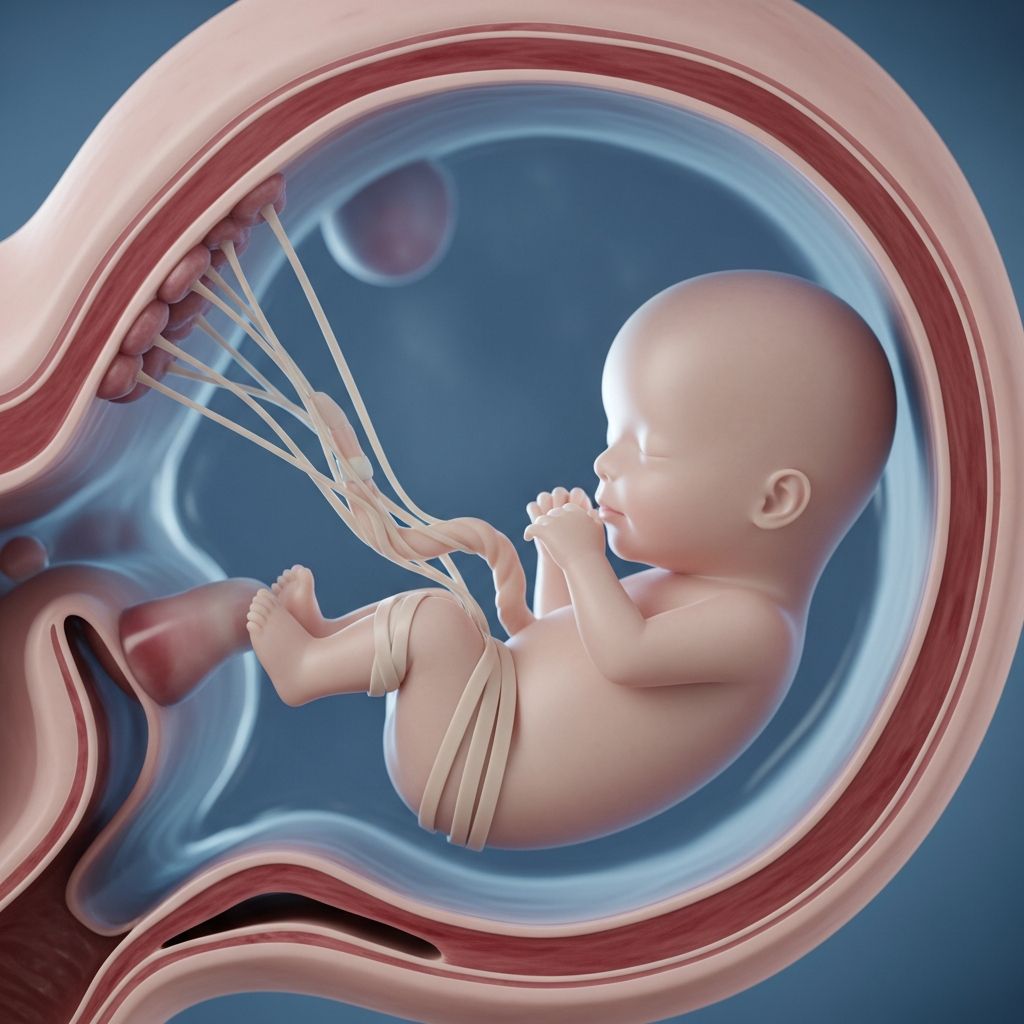
Amniotic band syndrome (ABS) is a rare congenital disorder that occurs when fibrous bands from the amniotic sac entangle a developing fetus. These bands can restrict blood flow, cause deformities, or even lead to amputation of limbs or digits. The condition is also known as amniotic band sequence, amniotic band disruption sequence, or constriction band syndrome. ABS is not inherited and is considered a sporadic event, meaning it does not run in families and is not caused by genetic factors.
Causes of Amniotic Band Syndrome
The exact cause of amniotic band syndrome is not fully understood, but it is believed to result from early rupture of the amnion—the inner membrane of the amniotic sac—during pregnancy. When the amnion ruptures, strands of tissue can float freely in the amniotic fluid and become entangled around parts of the fetus. These bands can constrict blood flow, leading to tissue damage, deformities, or even loss of limbs or digits.
- Amnion rupture early in pregnancy
- Strands of tissue entangle the fetus
- Restricted blood flow causes deformities or amputations
- Not inherited or genetic
Symptoms and Physical Findings
The symptoms of amniotic band syndrome vary widely depending on the location and severity of the bands. Some infants may have mild abnormalities, while others may have severe deformities. Common physical findings include:
- Ring-like constrictions around limbs, fingers, or toes
- Amputation defects (missing fingers, toes, or limbs)
- Syndactyly (fusion of fingers or toes)
- Strands of tissue attached to affected areas
- Cleft lip or palate
- Clubfoot
- Facial or cranial deformities
- Spinal defects
In some cases, the bands may affect internal organs, leading to more serious complications.
Diagnosis of Amniotic Band Syndrome
Amniotic band syndrome is typically diagnosed at birth or soon after birth based on characteristic physical findings. However, in some cases, it can be detected during pregnancy through routine ultrasounds.
Prenatal Diagnosis
During pregnancy, ABS may be suspected if an ultrasound reveals:
- Constrictions or swelling around limbs or digits
- Missing or deformed limbs or digits
- Other abnormalities such as cleft lip or clubfoot
If ABS is suspected, additional tests may be performed to confirm the diagnosis and assess the severity of the condition. These tests may include:
- Anatomy ultrasound
- MRI
- Fetal echocardiogram
- Doppler ultrasound to measure blood flow
Postnatal Diagnosis
After birth, the diagnosis is confirmed through a physical examination. In some cases, imaging scans may be used to assess the extent of the bands and their effects on deeper tissues, blood vessels, and nerves.
A specialized examination of the placenta may also be performed to look for absence of the amnion on the chorionic surface, which is a sign of amnion rupture and confirms the diagnosis. However, this is not routinely done.
Treatment Options for Amniotic Band Syndrome
Treatment for amniotic band syndrome is tailored to the specific needs of the child and may involve a combination of monitoring, surgical interventions, and supportive therapies.
Related Stories



Fetal Surgery
In some cases, fetal surgery may be an option to release the bands and prevent further damage. This minimally invasive procedure, known as fetoscopic release, involves inserting a small scope into the uterus and using a laser or special instrument to cut the bands. Fetal surgery is typically considered when the bands are causing severe constriction or threatening to cause deformities.
- Fetoscopic release of bands
- Performed after 16 weeks of pregnancy
- Reduces pressure on affected body parts
- Prevents further damage
Postnatal Surgery
Most babies with ABS will require treatment after birth. Surgery may be needed to correct or prevent problems caused by the bands. The timing of surgery depends on the effects of the bands and the overall health of the infant.
- Emergency surgery may be needed if bands press deeply on blood vessels or nerves
- Reconstructive surgery to correct deformities
- Multiple surgeries may be needed over time
Supportive Therapies
In addition to surgery, supportive therapies may be necessary to help infants achieve optimal use of affected limbs and digits.
- Physical therapy to improve strength and function
- Occupational therapy to enhance daily living skills
- Custom prostheses for missing or shortened limbs
- Ongoing monitoring by healthcare providers
Prognosis and Long-Term Outlook
The prognosis for infants with amniotic band syndrome varies widely depending on the severity of the condition and the extent of the deformities. Many children with mild ABS go on to lead normal, healthy lives with minimal intervention. However, those with more severe deformities may require ongoing medical care and support.
- Mild cases may only need careful monitoring
- Severe cases may require multiple surgeries and therapies
- Long-term outlook depends on the extent of the deformities
- Most children can achieve good functional outcomes with appropriate treatment
Frequently Asked Questions (FAQs)
Q: Is amniotic band syndrome genetic?
A: No, amniotic band syndrome is not genetic and does not run in families. It is considered a sporadic event caused by early rupture of the amnion during pregnancy.
Q: Can amniotic band syndrome be detected during pregnancy?
A: Yes, ABS can sometimes be detected during routine ultrasounds between weeks 12 and 18 of pregnancy. Additional tests may be needed to confirm the diagnosis and assess the severity of the condition.
Q: What are the treatment options for amniotic band syndrome?
A: Treatment options include fetal surgery to release the bands, postnatal surgery to correct deformities, and supportive therapies such as physical and occupational therapy. The exact treatment depends on the location and severity of the bands.
Q: What is the long-term outlook for children with amniotic band syndrome?
A: The long-term outlook varies depending on the severity of the condition. Many children with mild ABS go on to lead normal, healthy lives with minimal intervention. Those with more severe deformities may require ongoing medical care and support.
Q: Can amniotic band syndrome affect internal organs?
A: Yes, in some cases, the bands may affect internal organs, leading to more serious complications. However, this is less common than limb or digit deformities.
References
- Amniotic Band Syndrome – Symptoms, Causes, Treatment — National Organization for Rare Disorders (NORD). 2023. https://rarediseases.org/rare-diseases/amniotic-band-syndrome/
- Amniotic Band Syndrome Diagnosis & Treatment — SSM Health Cardinal Glennon Fetal Care Institute. 2023. https://www.ssmhealth.com/cardinal-glennon/fetal-care-institute/fetal-conditions-we-treat/amniotic-band-syndrome
- Amniotic Band Syndrome Causes and Treatment — Shriners Children’s. 2023. https://www.shrinerschildrens.org/en/pediatric-care/amniotic-band-syndrome
- Amniotic Band Syndrome (ABS) — Nationwide Children’s Hospital. 2023. https://www.nationwidechildrens.org/conditions/amniotic-band-syndrome
- Amniotic Band Syndrome — Seattle Children’s Hospital. 2023. https://www.seattlechildrens.org/conditions/amniotic-band-syndrome/
Similar Articles








Read full bio of medha deb