Amniotic Fluid Embolism: Causes, Symptoms & Treatment
Understanding AFE: A rare but life-threatening obstetric emergency requiring immediate medical intervention.
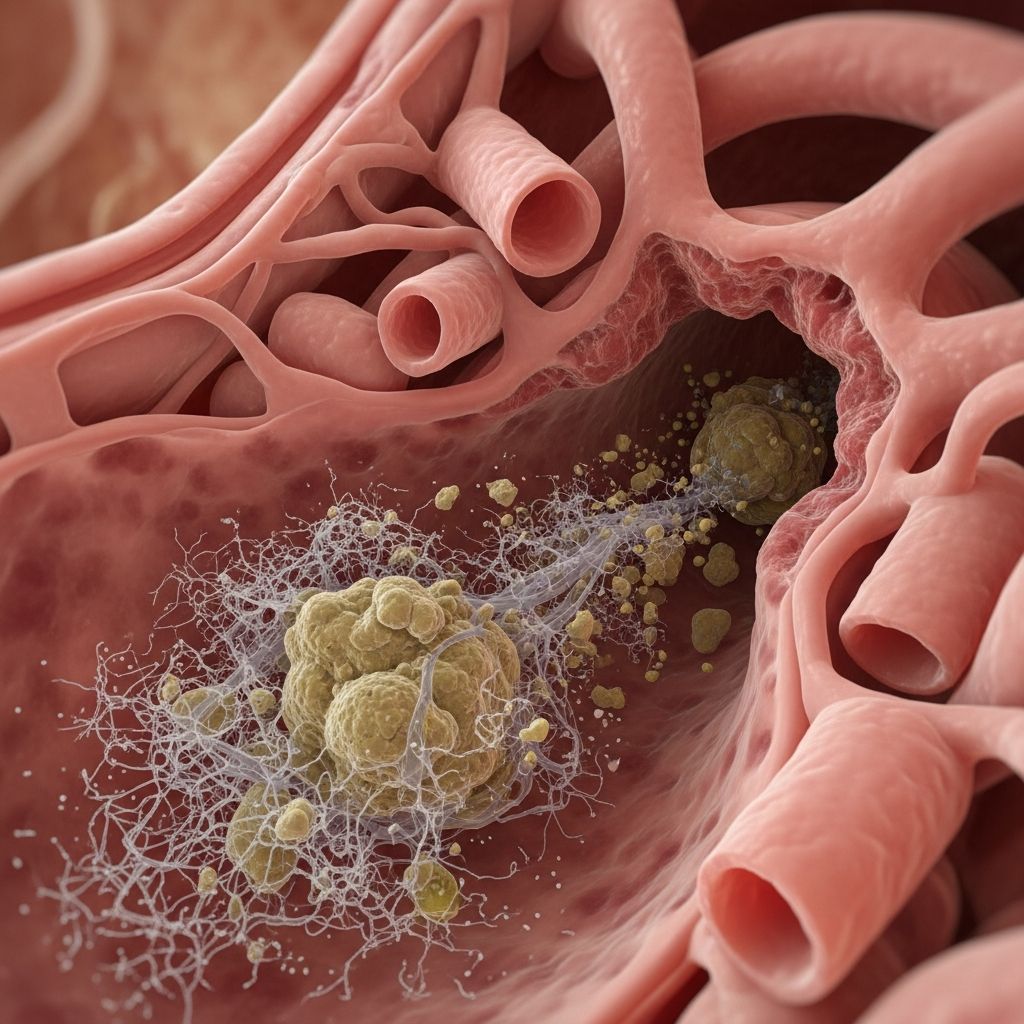
What is Amniotic Fluid Embolism?
Amniotic fluid embolism (AFE) is a dangerous and life-threatening complication that occurs during delivery or shortly after giving birth. Amniotic fluid is the liquid that surrounds the fetus in your uterus during pregnancy. It’s made of mostly water but also contains fetal cells and tissue. For reasons that are mostly unknown, some people have a severe allergic response to amniotic fluid mixing with their blood.
An amniotic fluid embolism can lead to heart and lung failure, which causes several complications due to a lack of oxygenated blood in your body. This could include cardiac arrest (your heart stops beating). People with AFE may also bleed uncontrollably from their uterus or C-section incision. AFE is very rare, occurring in approximately 1 in 40,000 U.S. births, and is very difficult to diagnose because the symptoms can be similar to other serious complications during childbirth. Its exact cause is unknown.
Understanding the Causes of AFE
There isn’t a known definitive cause of AFE. The placenta breaking down during labor or delivery may trigger an immune response in some people, leading to AFE. It’s not clear why this happens in some people and not others. When amniotic fluid enters the maternal bloodstream, it triggers what is essentially an extreme allergic reaction. This abnormal immune response causes a cascade of physiological events that can rapidly overwhelm the body’s systems.
Risk Factors Associated with AFE
While AFE can occur unexpectedly, certain situations and conditions may increase the likelihood of its occurrence:
- Labor and Delivery: Most AFE cases occur during labor or shortly after childbirth, particularly in the immediate postpartum period within 30 minutes of delivery.
- Cesarean Section (C-Section): Surgical delivery increases the risk of fetal material entering the bloodstream, making operative deliveries a significant risk factor.
- Uterine Trauma: Rapid or forceful uterine contractions, placental abruption, or instrumentation during labor may contribute to AFE development.
- Multiple Gestation (Twins or More): A higher amniotic fluid volume increases the likelihood of embolism occurring.
- Induction and Augmentation of Labor: Medical interventions that intensify contractions may elevate risk.
- Operative Deliveries: Use of forceps or vacuum extraction increases the risk of amniotic fluid entering the maternal circulation.
Recognizing Symptoms and Signs
AFE typically occurs in labor or within 30 minutes of delivery, and symptoms can develop suddenly with little or no warning. The condition usually progresses rapidly, and early recognition is critical for survival. Symptoms can be categorized into initial manifestations and severe complications.
Initial Symptoms
Patients experiencing AFE may first notice:
- Sudden difficulty breathing or shortness of breath
- Sudden cardiovascular collapse or chest pain
- Severe anxiety or sense of impending doom
- Altered mental status or confusion
- Nausea and vomiting
Severe Manifestations of AFE
As the condition progresses, more severe complications can develop:
- Cardiovascular Collapse: A sudden inability of the heart to pump effectively, acute heart failure, possibly leading to cardiac arrest where the heart stops beating entirely.
- Respiratory Failure: Fluid buildup in the lungs (pulmonary edema) can cause severe oxygen deprivation and complete respiratory compromise.
- Severe Bleeding (Disseminated Intravascular Coagulation, DIC): A life-threatening clotting disorder leading to uncontrollable bleeding from the uterus or surgical incision.
- Seizures and Stroke: Reduced blood flow to the brain can cause neurological emergencies.
- Multi-Organ Failure: Lack of oxygenated blood causes all major organs to shut down progressively.
Related Stories



If any of these symptoms occur during labor or postpartum, immediate medical intervention is necessary.
Complications for Mother and Baby
Maternal Complications
AFE can cause serious complications for the mother, including:
- Cardiac arrest and heart failure
- Respiratory failure and pulmonary edema
- Disseminated intravascular coagulation with uncontrollable bleeding
- Stroke and seizures
- Organ damage and dysfunction
- Death (approximately 50% mortality rate)
Fetal Complications
The fetus is at risk of complications depending on when an amniotic fluid embolism occurs. An emergency delivery may be necessary if symptoms begin before the fetus is born. Babies who are delivered once AFE has already begun are at risk for not getting enough oxygen. Lack of oxygen could cause impairments in their nervous system or brain. The mortality rate for babies varies depending on the stage of labor when the embolism occurs, but approximately 70% of babies are delivered safely if immediate emergency measures are taken.
How is AFE Diagnosed?
Diagnosing amniotic fluid embolism is difficult because many of the symptoms can overlap with other serious medical conditions. Your provider will rule out other possible causes while working to diagnose amniotic fluid embolism.
Clinical Presentation
AFE is primarily diagnosed based on symptoms such as sudden cardiovascular collapse, severe respiratory distress (shortness of breath, low oxygen levels), and DIC, which leads to excessive bleeding. The presence of these signs during labor, delivery, or shortly after birth raises strong suspicion for AFE. The typical presentation involves the sudden onset of symptoms in a previously stable patient during or immediately after delivery.
Imaging Tests
Although imaging cannot directly detect AFE, tests like chest X-rays or echocardiograms can help identify complications such as pulmonary edema (fluid in the lungs), heart dysfunction, or abnormal lung patterns. These diagnostic tools help confirm the physiological consequences of AFE rather than identifying the condition itself.
Laboratory Tests
Blood tests may show evidence of disseminated intravascular coagulation, including abnormal clotting factors, low platelet counts, and elevated D-dimer levels. These findings support the diagnosis when combined with clinical presentation.
Treatment and Management
Managing AFE requires both immediate interventions and long-term supportive care. AFE is a medical emergency requiring a coordinated response from the healthcare team.
Immediate Management Strategies
Emergency management focuses on stabilizing the mother and supporting vital functions:
- Oxygen Therapy: Ensuring adequate oxygen delivery to prevent organ failure and maintain oxygenation of vital organs.
- Fluid Resuscitation: Administering IV fluids and medications to maintain blood pressure and support cardiovascular function.
- Blood Transfusions: Treating excessive bleeding caused by clotting abnormalities through transfusion of blood products.
- Cardiopulmonary Resuscitation (CPR): May be necessary if cardiac arrest occurs.
- Emergency Delivery (if needed): In severe cases, immediate C-section may be required to improve maternal and fetal survival.
Medical Treatments for AFE
Since AFE cannot be completely prevented, treatment focuses on controlling symptoms and preventing complications:
- Medications: Vasopressors and inotropic drugs help stabilize blood pressure and cardiac function. These medications support heart contractility and maintain adequate perfusion pressure.
- Mechanical Ventilation: Some patients require breathing support to manage respiratory failure and ensure adequate oxygenation.
- Surgical Interventions: In extreme cases, extracorporeal membrane oxygenation (ECMO) may support heart and lung function, allowing time for the acute phase to pass.
- Uterine Compression: Techniques such as uterine tamponade or compression may be used to control bleeding from the uterus.
Prognosis and Long-Term Outcomes
Survival Rates and Recovery
AFE survival rates vary depending on the severity of symptoms and the speed of medical intervention. With modern intensive care, maternal survival has improved from historical rates, but long-term complications may still occur. Factors that influence prognosis include:
- Early Recognition: Quick identification and treatment improve survival rates significantly.
- Overall Health: Preexisting medical conditions may affect recovery and treatment response.
- Neurological Impact: Prolonged oxygen deprivation can cause lasting cognitive effects and neurological deficits.
- Access to Advanced Care: Availability of ICU facilities and ECMO technology improves outcomes.
- Team Response Time: Rapid coordination of obstetric, anesthesia, and critical care teams is essential.
Long-Term Complications for Survivors
Survivors of AFE usually suffer lifelong complications. A lack of blood to the brain may leave a patient with long-lasting neurological issues, including cognitive impairment and memory problems. Blood clots can cause musculoskeletal issues and pain. Some people are paralyzed or experience significant mobility limitations. Survivors also have a significant amount of psychological trauma from the near-death experience. Some patients may require hysterectomy if uterine damage is severe, affecting future fertility. Ongoing physical therapy and rehabilitation may be necessary for recovery.
Frequently Asked Questions
Q: Can AFE occur during vaginal delivery?
A: Yes. Amniotic fluid embolism can occur during vaginal and C-section deliveries. While C-section increases the risk, AFE can develop during either delivery method.
Q: Is there a way to prevent amniotic fluid embolism?
A: Since the exact cause of AFE is unknown and it occurs unpredictably, there is no known way to completely prevent it. However, understanding risk factors and ensuring delivery in facilities with advanced emergency care capabilities can help.
Q: When does AFE typically occur?
A: AFE typically occurs during labor or within 30 minutes of delivery. It usually happens shortly after a person’s water breaks and has no warning signs, making early recognition difficult.
Q: What is the mortality rate for AFE?
A: About half of the women who have an amniotic fluid embolism die, with some data suggesting the fatality rate may be even higher. Early recognition and rapid treatment significantly improve survival chances.
Q: What happens to the baby if the mother develops AFE?
A: The mortality rate for babies varies depending on the stage of labor when the embolism occurs. However, about 70% of babies are delivered safely if immediate emergency measures are taken.
Q: How quickly does AFE develop?
A: AFE develops very rapidly with little warning. Patients quickly decompensate, with the heart failing and other organs shutting down within minutes of symptom onset.
Key Takeaways
- Amniotic Fluid Embolism (AFE) is a rare but life-threatening obstetric emergency that occurs when amniotic fluid enters the maternal bloodstream, triggering a severe immune response.
- The exact cause of AFE is not fully understood, but it is often associated with labor, cesarean delivery, trauma, or medical interventions during childbirth.
- Symptoms develop suddenly during or shortly after delivery and can include cardiovascular collapse, respiratory failure, and uncontrollable bleeding.
- Diagnosis is challenging because symptoms overlap with other serious conditions; providers must rule out alternative causes while maintaining high clinical suspicion.
- Immediate emergency care is critical, including oxygen therapy, blood transfusions, medications to support heart function, and, in severe cases, ECMO (extracorporeal membrane oxygenation).
- Survival rates vary, but timely intervention improves outcomes, with some patients recovering fully while others may experience long-term complications like organ damage or neurological deficits.
- Approximately 70% of babies survive if immediate emergency measures are implemented, though maternal mortality remains significant at approximately 50%.
References
- Amniotic Fluid Embolism (AFE): Causes, Symptoms & Treatment — Cleveland Clinic. 2024. https://my.clevelandclinic.org/health/diseases/15463-amniotic-fluid-embolism
- Amniotic Fluid Embolism: Causes, Symptoms and Treatment — Rupa Health. 2024. https://www.rupahealth.com/post/amniotic-fluid-embolism-causes-symptoms-and-treatment
- Her labor was normal — and then her heart stopped. A new mom’s story — CBS News. 2024. https://www.cbsnews.com/news/amniotic-fluid-embolism-birth-delivery-labor-university-of-maryland-baltimore/
- Amniotic Fluid Embolism – StatPearls — National Center for Biotechnology Information. U.S. National Library of Medicine. 2024. https://www.ncbi.nlm.nih.gov/books/NBK559107/
- Nurse Hailey’s Death Has Ignited a Conversation Around Amniotic Fluid Embolisms — Association of Surgical Registered Nurses. 2024. https://www.asrn.org/journal-nursing/3288-nurse-haileys-death-has-ignited-a-conversation-around-amniotic-fluid-embolisms.html
Similar Articles








Read full bio of medha deb