Amoebic Dysentery: Causes, Symptoms, Diagnosis & Treatment
Understanding amoebic dysentery: symptoms, diagnosis, and effective treatment options.
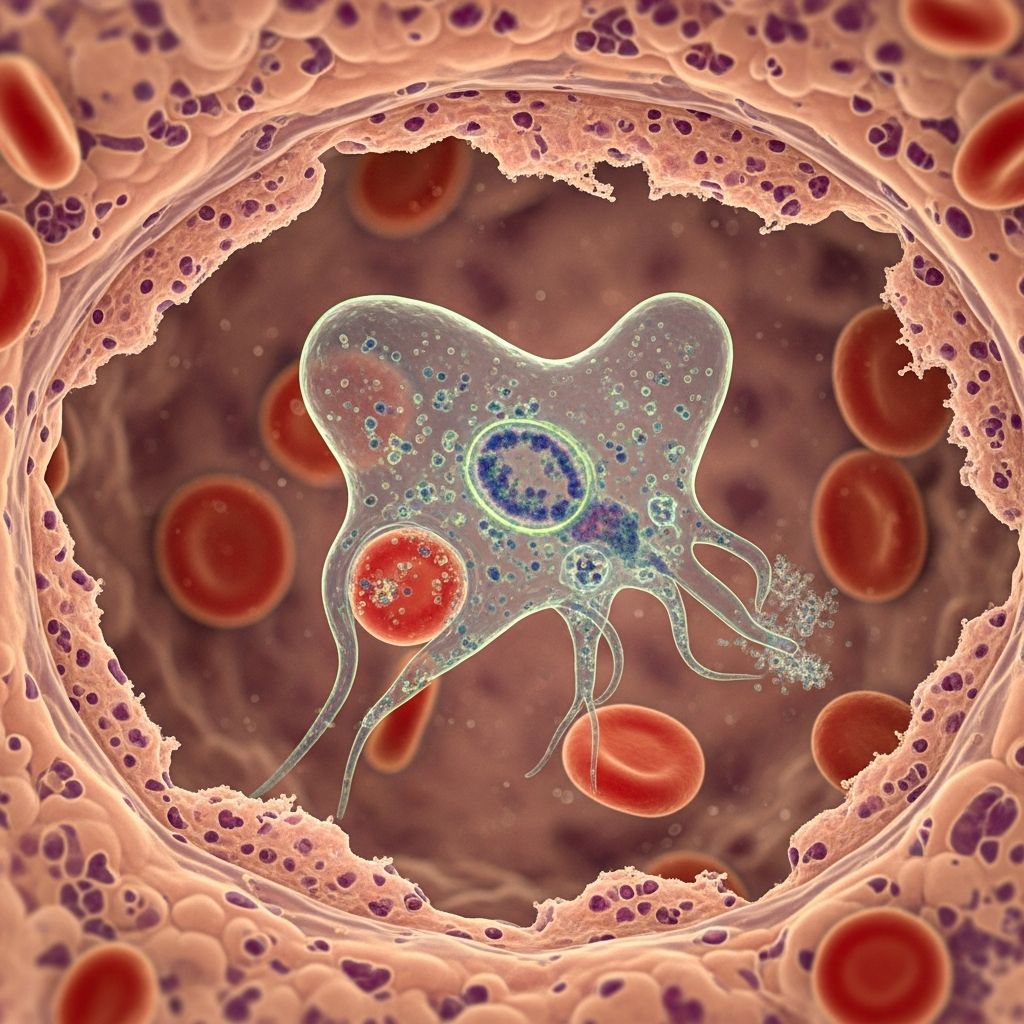
Amoebic dysentery, also known as amebiasis, is a gastrointestinal infection caused by a parasitic protozoan organism called Entamoeba histolytica. This condition primarily affects individuals living in or traveling to areas with poor sanitation where contaminated water and food pose significant health risks. Understanding this disease is crucial for proper diagnosis, timely treatment, and prevention of serious complications.
What is Amoebic Dysentery?
Amoebic dysentery is an intestinal infection resulting from parasitic infestation by Entamoeba histolytica. The parasite can cause a spectrum of clinical manifestations, ranging from asymptomatic infection to severe fulminant dysentery. Notably, research indicates that only 10 to 20 percent of infected individuals develop noticeable symptoms, making many cases go undiagnosed and untreated.
The infection can remain localized in the intestinal lumen or progress to invasive disease affecting the intestinal tissues, liver, and other organs. In areas with inadequate sanitation, up to 40 percent of individuals presenting with diarrhea may have amoebic dysentery, highlighting its prevalence in certain geographic regions.
How is Amoebic Dysentery Transmitted?
Transmission of amoebic dysentery occurs through the ingestion of food or water contaminated with fecal material containing cysts of Entamoeba histolytica. Poor sanitation and inadequate water treatment systems create ideal conditions for parasite transmission. The infection spreads when contaminated water supplies are used for drinking or food preparation, or when inadequate hygiene practices allow fecal-oral transmission.
Geographic distribution of the disease is closely linked to sanitation infrastructure. Regions lacking proper waste management systems and clean water access experience higher prevalence rates. Travelers to endemic areas face increased risk, particularly those consuming locally sourced water or uncooked foods prepared in unhygienic conditions.
Symptoms and Clinical Presentation
The clinical manifestations of amoebic dysentery vary considerably depending on disease severity and individual host factors. Symptoms can develop gradually or suddenly, with incubation periods typically ranging from 2 to 4 weeks, though this can extend from several days to months or even years.
Common Symptoms Include:
Individuals with amoebic dysentery may experience the following symptoms:
- Fever and chills
- Bloody or mucous diarrhea
- Abdominal cramps and pain
- Nausea and vomiting
- Weight loss
- Lethargy and general weakness
- Passage of 3 to 8 semiformed stools per day
- Soft stools with mucus and occasional blood
The severity of symptoms correlates with the extent of parasitic invasion and tissue damage. In fulminant amoebic dysentery cases, symptoms intensify dramatically with severe bloody diarrhea, intense abdominal pain, and systemic manifestations. Notably, the dysentery can alternate with periods of constipation or remission, creating a cyclical pattern of symptoms.
Complications of Amoebic Dysentery
While many cases resolve with appropriate treatment, untreated or severe amoebic dysentery can lead to serious complications affecting multiple organ systems.
Related Stories



Intestinal Complications:
Invasive parasitic infection can cause significant damage to the intestinal tract. Complications include colonic ulcerations, inflammation of the intestinal wall, and in severe cases, intestinal perforation leading to peritonitis. Amoeboma, a localized inflammatory mass in the colon, may develop in some patients. Chronic cyst carriage can occur even after symptomatic disease resolution, potentially allowing continued transmission to others.
Extra-Intestinal Complications:
Entamoeba histolytica can extend beyond the intestinal tract to form abscesses in various organs. Liver abscesses represent the most common extra-intestinal complication, while the parasite may also invade the lungs or brain in severe cases. These complications require aggressive intervention and carry significant morbidity and mortality risk.
Severe Outcomes:
Fulminant amoebic dysentery is often fatal, particularly in immunocompromised individuals or those with delayed diagnosis and treatment. Prolonged gastric bleeding can result in anemia, further compromising patient health status. Peritonitis from intestinal perforation constitutes a medical emergency requiring immediate surgical intervention.
Diagnosis of Amoebic Dysentery
Accurate diagnosis is essential for initiating appropriate treatment and preventing progression to severe disease. Healthcare providers employ multiple diagnostic approaches to confirm amoebic dysentery.
Diagnostic Methods:
- Stool Analysis: Microscopic examination of stool samples can identify Entamoeba histolytica cysts or trophozoites. Multiple samples may be required as parasites are not shed continuously in all infected individuals.
- Stool Culture: Culturing stool samples may improve diagnostic sensitivity compared to microscopy alone, particularly in cases with low parasite burden.
- Serology (Antibody Testing): Blood tests detecting antibodies against Entamoeba histolytica are particularly useful in invasive disease, as most symptomatic patients develop detectable antibodies.
- Imaging Studies: Ultrasound, computed tomography (CT), or magnetic resonance imaging (MRI) may identify liver abscesses or other extra-intestinal manifestations of invasive disease.
- Endoscopy: Direct visualization of the colon during colonoscopy can reveal characteristic ulcerations and allow tissue sampling for parasitologic examination.
The diagnostic approach depends on clinical presentation severity and suspected disease location. Patients presenting with bloody diarrhea and fever require prompt stool analysis and serologic testing to differentiate amoebic dysentery from other causes of acute gastroenteritis.
Treatment Options
Treatment of amoebic dysentery requires a two-pronged approach, with medication selection depending on whether infection is limited to the intestinal lumen (noninvasive) or involves tissue invasion (invasive disease).
First-Line Tissue Amoebicides:
Metronidazole is the established drug of choice for treating invasive amoebic dysentery in both adults and children. This medication effectively penetrates intestinal tissue and liver abscesses, reaching therapeutic concentrations in infected tissues. Typical dosing involves 500-750 mg administered orally three times daily for 7-10 days, though specific protocols may vary based on disease severity and patient factors.
However, metronidazole has limitations. It may be less effective than tinidazole at reducing clinical symptoms, though both demonstrate comparable efficacy at clearing parasites. Additionally, metronidazole frequently causes adverse effects including nausea, metallic taste, and peripheral neuropathy with prolonged use. Treatment failure can occur, necessitating alternative agents in some cases.
Alternative Tissue Amoebicides:
Several alternative medications show promise for patients unable to tolerate metronidazole or experiencing treatment failure:
- Tinidazole: May be more effective than metronidazole at reducing clinical symptoms while maintaining similar parasitological cure rates.
- Ornidazole: Demonstrates effectiveness compared to placebo but carries risk of nausea and vomiting as adverse effects.
- Secnidazole: Shows efficacy comparable to ornidazole and may be as effective as metronidazole.
- Nitazoxanide: Likely more effective than placebo at reducing clinical failure, though may not prevent parasitological failure in all cases.
- Dehydroemetine or Chloroquine: Reserved for severe invasive disease or cases resistant to other agents.
Luminal Amoebicides:
Following tissue-active agent treatment, luminal amoebicides eliminate parasites remaining in the intestinal lumen, preventing relapse and chronic cyst carriage:
- Diloxanide Furoate: First-line luminal agent for eliminating intestinal cysts.
- Iodoquinol (Diiodohydroxyquinoline): Alternative luminal cysticidal agent.
- Paromomycin: Aminoglycoside antibiotic with luminal activity.
Important note: Luminal agents have insufficient tissue penetration for invasive disease and must be used in combination with tissue-active agents in symptomatic patients.
Supportive Care and Management
Beyond antimicrobial therapy, comprehensive patient management includes supportive measures addressing symptoms and complications.
Supportive Treatments:
- Hydration: Adequate fluid replacement is essential, particularly in severe diarrhea cases. Intravenous fluids may be necessary for patients unable to maintain oral intake or experiencing severe dehydration.
- Anti-nausea Medications: Over-the-counter bismuth subsalicylate (Pepto-Bismol) or prescription antiemetics can alleviate nausea and vomiting.
- Antidiarrheal Avoidance: Medicines to stop diarrhea are typically not prescribed as they can worsen the condition and increase complication risk.
- Electrolyte Replacement: Oral rehydration solutions containing appropriate electrolyte compositions help restore balance disrupted by diarrhea.
- Blood Transfusion: In rare cases with severe bleeding or anemia, blood transfusion may be required.
Disease Course and Prognosis
The natural history of amoebic dysentery varies considerably based on host factors, parasitic burden, and timeliness of treatment initiation. Most untreated infections progress to chronic disease, sometimes lasting years. With appropriate antimicrobial therapy, most patients experience symptom resolution within days to weeks.
Post-treatment stool examination is recommended to confirm parasitic clearance, as treatment failure or relapse can occur in a minority of cases. Patients should follow up with their healthcare provider if symptoms persist beyond several days or worsen despite treatment.
When to Seek Medical Attention
Patients experiencing symptoms suggestive of amoebic dysentery should contact their healthcare provider promptly. Immediate medical evaluation is warranted if:
- Symptoms of dehydration develop, including extreme thirst, dizziness, dry mouth, or decreased urination
- Bloody diarrhea accompanies fever and severe abdominal pain
- Symptoms worsen over time or fail to improve after several days
- Severe abdominal pain or signs of peritonitis develop
- Signs of systemic infection emerge, including high fever or confusion
Prevention Strategies
Prevention of amoebic dysentery focuses on reducing parasitic exposure through improved sanitation and food safety practices. Preventive measures include:
- Water Safety: Drink only treated, boiled, or bottled water in endemic areas. Avoid ice made from tap water.
- Food Safety: Eat only thoroughly cooked foods and avoid raw vegetables or fruits in high-risk areas unless personally prepared with clean water.
- Personal Hygiene: Practice meticulous hand hygiene, particularly after using restrooms and before food preparation.
- Sanitation Infrastructure: Support and advocate for improved waste management and water treatment systems in communities.
- Traveler Precautions: Travelers to endemic regions should adhere strictly to food and water safety guidelines.
Currently, no vaccine exists for amoebic dysentery prevention, making environmental and behavioral preventive measures paramount.
Frequently Asked Questions
Q: What is the difference between amoebic dysentery and bacillary dysentery?
A: Amoebic dysentery is caused by parasitic Entamoeba histolytica infection, while bacillary dysentery results from bacterial pathogens. Treatment approaches and prognosis differ between these conditions, making accurate diagnosis essential.
Q: Can amoebic dysentery resolve without treatment?
A: While some mild cases may self-resolve, most infections progress to chronic disease if untreated. Treatment significantly reduces symptom duration, prevents complications, and eliminates parasitic transmission risk. Asymptomatic carriers should receive luminal amoebicide therapy to prevent cyst shedding.
Q: Is amoebic dysentery contagious between people?
A: Yes, infected individuals shed parasitic cysts in stool, potentially transmitting infection to others through fecal-contaminated food or water. Proper hygiene and sanitation prevent person-to-person transmission.
Q: How long does treatment typically take?
A: Tissue-active amoebicide therapy generally continues for 7-10 days, followed by 7 days of luminal amoebicide treatment. Complete symptomatic resolution may require 1-3 weeks, depending on disease severity.
Q: What should I do if symptoms persist after completing treatment?
A: Contact your healthcare provider immediately. Post-treatment stool examination confirms parasitic clearance. Treatment failure occurs in rare cases, potentially requiring alternative antimicrobial agents or investigation for complications like liver abscess.
References
- Amoebic dysentery systematic review — PubMed Central/National Center for Biotechnology Information. 2013-06-01. https://www.ncbi.nlm.nih.gov/pmc/articles/PMC3758071/
- Dysentery: Causes, Symptoms, Diagnosis & Treatment — Cleveland Clinic. 2024. https://my.clevelandclinic.org/health/drugs/23567-dysentery
- Amebiasis Medical Encyclopedia — MedlinePlus/National Library of Medicine. 2024. https://medlineplus.gov/ency/article/000298.htm
- Amoebic Dysentery Information — Centre for Health Protection, Hong Kong Department of Health. 2024. https://www.chp.gov.hk/en/healthtopics/content/24/11.html
- Amebiasis Overview — Centers for Disease Control and Prevention. 2024. https://www.cdc.gov/amebiasis/about/index.html
Similar Articles








Read full bio of medha deb