Amoxicillin Capsules and Tablets: Uses, Dosage, and Side Effects
Complete guide to amoxicillin capsules and tablets for treating bacterial infections effectively.
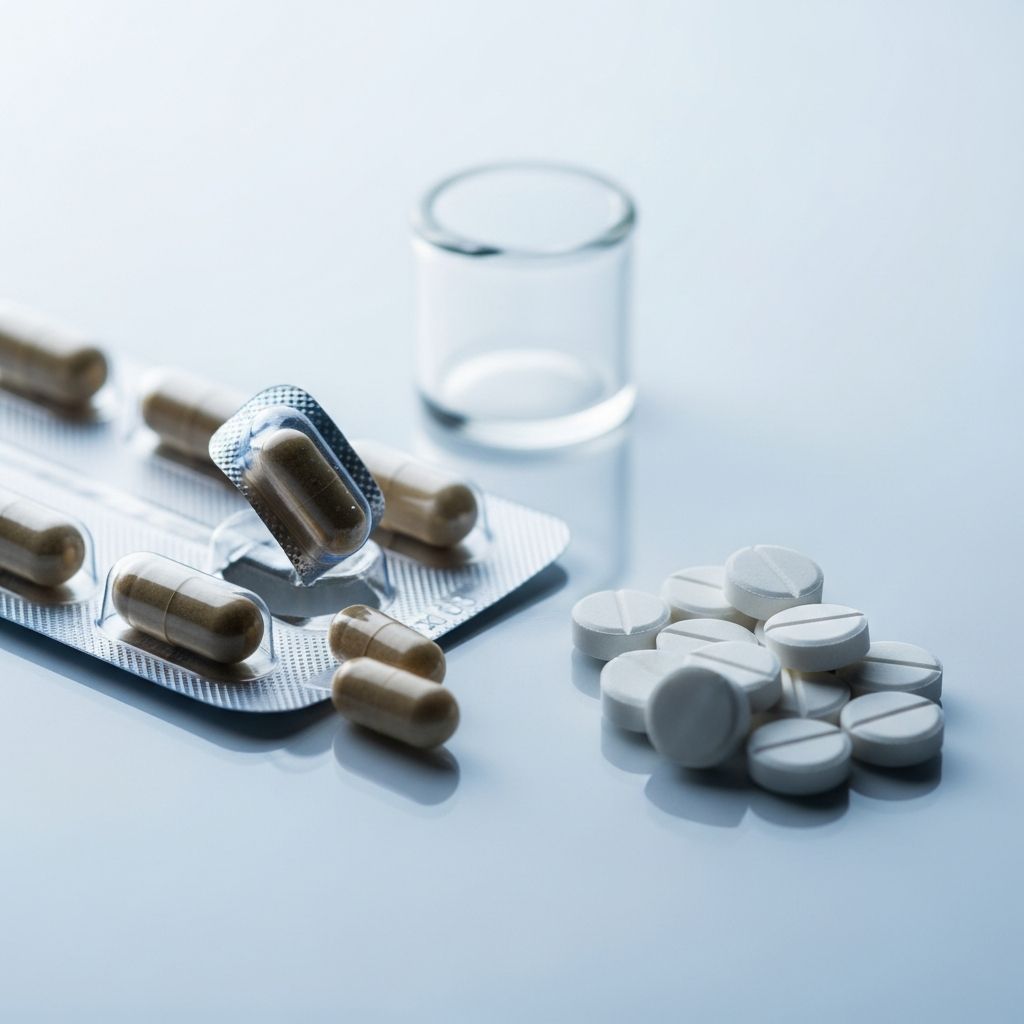
Amoxicillin Capsules and Tablets: A Complete Guide
Amoxicillin is one of the most commonly prescribed antibiotics used to treat a wide range of bacterial infections. It belongs to the penicillin family of antibiotics and works by killing bacteria or stopping their growth. Whether you’re taking amoxicillin capsules or tablets, understanding how to use this medication safely and effectively is essential for achieving the best treatment outcomes.
What is Amoxicillin?
Amoxicillin is a broad-spectrum penicillin-based antibiotic that has been used for decades to treat various bacterial infections in both children and adults. It functions by interfering with the bacteria’s ability to form cell walls, ultimately leading to their destruction. The medication comes in multiple forms, including capsules, tablets, and oral suspension, making it accessible for different patient preferences and age groups.
Common Uses of Amoxicillin
Amoxicillin capsules and tablets are prescribed for treating infections in multiple body systems. Understanding which infections respond to amoxicillin treatment can help you recognize why your healthcare provider has prescribed this medication.
Ear, Nose, and Throat Infections
One of the most common uses for amoxicillin is treating infections of the ear, nose, and throat. Otitis media (middle ear infection) is particularly prevalent in children, but adults can develop these infections as well. Sinusitis and strep throat also respond well to amoxicillin therapy. These infections often cause significant discomfort and, if left untreated, can lead to complications.
Respiratory Tract Infections
Amoxicillin effectively treats lower respiratory tract infections, including pneumonia and bronchitis. These infections affect the lungs and airways, causing symptoms such as coughing, chest discomfort, and breathing difficulties. By eliminating the bacterial cause, amoxicillin helps restore respiratory function and prevents serious complications.
Urinary Tract Infections
Urinary tract infections (UTIs) are among the most frequently treated bacterial infections in both men and women. Amoxicillin works effectively against the bacteria responsible for bladder and urethra infections, helping to alleviate symptoms like painful urination and frequent urges to urinate.
Skin and Soft Tissue Infections
Bacterial skin infections, including impetigo and other minor skin wounds, respond well to amoxicillin treatment. These infections can spread if not properly treated, making timely antibiotic therapy important.
Helicobacter pylori Infections
In certain cases, amoxicillin is used as part of combination therapy to treat Helicobacter pylori, a bacterium that can cause stomach ulcers. This typically requires taking amoxicillin alongside other medications as part of a comprehensive treatment regimen.
Dosage and Administration
Proper dosing is critical for ensuring that amoxicillin works effectively while minimizing the risk of side effects or antibiotic resistance. Dosages vary based on age, weight, kidney function, and the severity of the infection being treated.
Standard Adult Dosage
For adults, the typical amoxicillin dosage for mild to moderate infections is 250mg to 500mg taken three times daily, or alternatively, 500mg to 750mg taken every twelve hours. For more severe infections, the dose may be increased to 875mg every twelve hours or 500mg every eight hours.
Related Stories



Pediatric Dosage
Children’s doses are typically calculated based on body weight, with most children weighing less than 40 kilograms receiving 20 to 45 mg/kg per day, divided into multiple doses given every 8 to 12 hours. For mild to moderate infections in children, doctors generally prescribe 25 mg/kg per day in divided doses every 12 hours, or 20 mg/kg per day in divided doses every 8 hours. Severe infections in children may require doses up to 45 mg/kg per day divided into multiple doses every 12 hours or 40 mg/kg per day divided every 8 hours.
For infants younger than 3 months, special dosing guidelines apply, with maximum doses not exceeding 30 mg/kg per day, divided and given every 12 hours. Your pediatrician will calculate the exact dose based on your infant’s weight.
Special Dosing Considerations
Patients with kidney disease require dosage adjustments because the kidneys play a crucial role in eliminating amoxicillin from the body. Those with kidney function greater than 30 mL/min typically need no dosage adjustment, but those with kidney function between 10-30 mL/min should take 250-500 mg every 12 hours. For patients with severe renal impairment (less than 10 mL/min), the dosage is reduced to 250-500 mg every 24 hours. Patients receiving dialysis may require additional doses, which their kidney specialist will determine.
Duration of Treatment
Most patients take amoxicillin for 5 to 10 days, depending on the type and severity of infection being treated. It’s important to complete the full course of antibiotics as prescribed, even if symptoms improve before the medication is finished. Stopping treatment early can allow remaining bacteria to multiply and become resistant to the antibiotic.
How to Take Amoxicillin Properly
Taking amoxicillin correctly ensures maximum effectiveness and reduces the risk of adverse effects. Swallow capsules and tablets whole with a glass of water. You can take amoxicillin with or without food, though taking it with food may help reduce stomach upset in some individuals. Space your doses evenly throughout the day to maintain consistent levels of the medication in your system.
If you miss a dose, take it as soon as you remember, unless it’s almost time for your next scheduled dose. In that case, skip the missed dose and continue with your regular dosing schedule. Never double up on doses to make up for a missed one.
Infection-Specific Dosing Guidelines
Different types of infections may require different amoxicillin doses. Here’s a breakdown of common infection-specific dosing:
| Infection Type | Adult Dosage | Child Dosage (under 40 kg) |
|---|---|---|
| Ear, Nose, and Throat Infections | 500 mg every 12 hours or 250 mg every 8 hours | 25 mg/kg/day divided every 12 hours or 20 mg/kg/day divided every 8 hours |
| Urinary Tract Infections | 500 mg every 12 hours or 250 mg every 8 hours | 25 mg/kg/day divided every 12 hours or 20 mg/kg/day divided every 8 hours |
| Skin Infections | 500 mg every 12 hours or 250 mg every 8 hours | 25 mg/kg/day divided every 12 hours or 20 mg/kg/day divided every 8 hours |
| Lower Respiratory Tract Infections | 875 mg every 12 hours or 500 mg every 8 hours | 45 mg/kg/day divided every 12 hours or 40 mg/kg/day divided every 8 hours |
| Gonorrhea (single dose) | 3 grams as a single dose | 50 mg/kg as a single dose with 25 mg/kg probenecid |
Side Effects and Safety Considerations
While amoxicillin is generally well-tolerated, some individuals may experience side effects. Common side effects are typically mild and may include nausea, vomiting, diarrhea, and abdominal discomfort. Taking amoxicillin with food may help minimize gastrointestinal upset.
More serious allergic reactions can occur, particularly in individuals with penicillin sensitivity. Signs of an allergic reaction include rash, itching, swelling of the face or throat, and difficulty breathing. If you experience any of these symptoms, seek immediate medical attention.
It’s essential to inform your healthcare provider of any kidney problems, as this affects how your body processes and eliminates amoxicillin. Additionally, certain medications can interact with amoxicillin, so always provide a complete list of current medications to your doctor or pharmacist.
When to Contact Your Doctor
Seek immediate medical attention if you experience signs of overdose, including severe nausea, vomiting, diarrhea, or cloudy urine with difficulty urinating. Additionally, contact your healthcare provider if you develop an allergic reaction or if your symptoms do not improve after several days of treatment. If you are taking amoxicillin and develop severe or persistent diarrhea, contact your doctor, as this could indicate a serious intestinal infection.
Drug Interactions and Precautions
Amoxicillin may interact with certain medications, particularly oral contraceptives, methotrexate, and warfarin. Always inform your healthcare provider about all medications, supplements, and herbal products you’re taking before starting amoxicillin. If you’re taking oral contraceptives, consider using backup contraception during amoxicillin treatment, as the antibiotic may reduce the effectiveness of birth control pills.
Frequently Asked Questions About Amoxicillin
Q: Can I take amoxicillin if I’m allergic to penicillin?
A: No. Amoxicillin is a penicillin-type antibiotic and should not be taken if you have a documented penicillin allergy. Cross-reactivity can occur, potentially causing severe allergic reactions. Consult your healthcare provider about alternative antibiotics if you have a penicillin allergy.
Q: Is it safe to take amoxicillin while pregnant?
A: Amoxicillin is generally considered safe during pregnancy, but you must consult your obstetrician before taking it. Your doctor will weigh the benefits of treating your infection against any potential risks to ensure the safest choice for both you and your baby.
Q: Can I stop taking amoxicillin once I feel better?
A: No. Always complete the full course of amoxicillin as prescribed by your healthcare provider, even if your symptoms improve. Stopping early can lead to antibiotic resistance and allow the infection to return or worsen.
Q: What should I do if I miss a dose?
A: Take the missed dose as soon as you remember. However, if it’s almost time for your next dose, skip the missed dose and continue with your regular schedule. Never take double doses to compensate for a missed one.
Q: Can amoxicillin cause yeast infections?
A: Yes. Amoxicillin can disrupt the normal balance of bacteria in your body, potentially leading to yeast infections. If you develop signs of a yeast infection during or after amoxicillin treatment, consult your healthcare provider for appropriate treatment.
Q: Is amoxicillin effective against viral infections?
A: No. Amoxicillin only works against bacterial infections. It will not treat viral infections like the common cold or flu. Taking antibiotics for viral infections contributes to antibiotic resistance and is ineffective.
Q: How should I store amoxicillin?
A: Store amoxicillin capsules and tablets at room temperature, away from moisture, heat, and direct sunlight. Keep the medication in its original container with the label intact. Do not use amoxicillin after its expiration date.
Conclusion
Amoxicillin capsules and tablets remain among the most effective and widely prescribed antibiotics for treating bacterial infections. Understanding proper dosage, administration, and potential side effects ensures you can use this medication safely and effectively. Always follow your healthcare provider’s instructions, complete the full course of treatment, and report any adverse effects promptly. If you have questions about your amoxicillin prescription, don’t hesitate to contact your doctor or pharmacist for clarification and guidance.
References
- How and when to take amoxicillin — NHS. 2024. https://www.nhs.uk/medicines/amoxicillin/how-and-when-to-take-amoxicillin/
- Amoxicillin Dosage Guide for Adults and Children — GoodRx. 2024. https://www.goodrx.com/amoxicillin/dosage
- Amoxicillin 500mg Capsules – Patient Information Leaflet — Medicines and Healthcare products Regulatory Agency (MHRA). 2024. https://www.medicines.org.uk/emc/product/526/pil
- Amoxicillin (oral route) – Side effects & dosage — Mayo Clinic. 2024. https://www.mayoclinic.org/drugs-supplements/amoxicillin-oral-route/description/drg-20075356
- Amoxicillin – StatPearls — National Center for Biotechnology Information (NCBI). 2024. https://www.ncbi.nlm.nih.gov/books/NBK482250/
- Amoxicillin: Side effects, dosage, uses, and more — Medical News Today. 2024. https://www.medicalnewstoday.com/articles/amoxicillin-oral-tablet
- Amoxicillin: MedlinePlus Drug Information — U.S. National Library of Medicine (MedlinePlus). 2024. https://medlineplus.gov/druginfo/meds/a685001.html
Similar Articles








Read full bio of Sneha Tete