Amoxicillin: Uses, Dosage, Side Effects, And Safety Guide
Comprehensive guide to amoxicillin: uses, dosage, side effects, precautions, and essential patient information for safe antibiotic treatment.
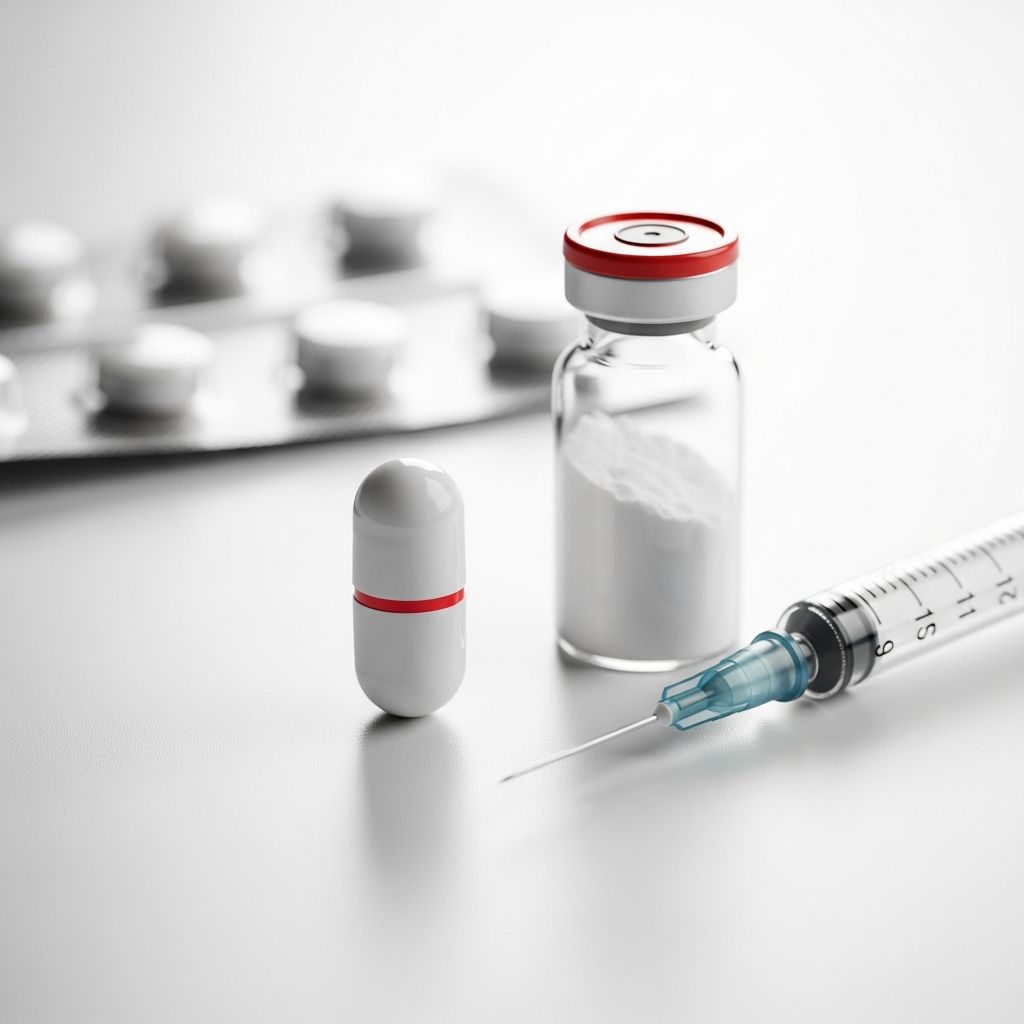
Amoxicillin stands as one of the most prescribed antibiotics worldwide, belonging to the penicillin class of medications. It effectively targets a broad spectrum of bacterial infections by disrupting the bacteria’s cell wall formation, leading to their elimination. This guide provides an in-depth look at its applications, administration methods, potential risks, and best practices for use, drawing from established medical insights to empower informed decision-making.
What Conditions Does Amoxicillin Treat?
Healthcare providers recommend amoxicillin for various bacterial infections affecting different body parts. It proves particularly useful for respiratory tract infections, such as those in the ears, sinuses, throat, and lungs. For instance, it combats middle ear infections (otitis media), sinusitis, and streptococcal pharyngitis. Additionally, it addresses skin infections, urinary tract infections (UTIs), and certain dental abscesses.
In children, amoxicillin often serves as the first-line treatment for ear infections and strep throat due to its favorable safety profile and efficacy. Adults may receive it for bronchitis exacerbations caused by bacteria or uncomplicated UTIs. It also plays a role in Helicobacter pylori eradication therapy when combined with other drugs for peptic ulcers.
- Ear infections: Common in young children, alleviating pain and fever.
- Throat and tonsil infections: Effective against group A streptococcus.
- Sinus infections: Clears bacterial buildup in sinuses.
- Skin infections: Treats cellulitis and impetigo.
- Urinary tract infections: Addresses cystitis and pyelonephritis in mild cases.
Importantly, amoxicillin does not work against viral illnesses like the common cold, flu, or most sore throats, which are viral in origin. Misuse can contribute to antibiotic resistance, a growing global health concern.
How Amoxicillin Works in the Body
As a beta-lactam antibiotic, amoxicillin inhibits the enzyme transpeptidase, essential for bacterial cell wall synthesis. This action weakens the cell wall, causing bacteria to rupture and die. It demonstrates activity against gram-positive bacteria like Streptococcus and some gram-negative ones like Haemophilus influenzae.
The drug achieves high concentrations in bodily fluids, including blood, urine, and middle ear fluid, ensuring it reaches infection sites effectively. Its oral bioavailability exceeds 70%, meaning most of the dose gets absorbed into the bloodstream.
Available Forms and Dosage Recommendations
Amoxicillin comes in multiple formulations to suit different age groups and preferences:
- Capsules: 250 mg or 500 mg.
- Tablets: 500 mg or 875 mg.
- Oral suspension: 125 mg/5 mL or 250 mg/5 mL, ideal for children.
- Chewable tablets: For pediatric use.
Dosage varies by infection type, patient age, weight, and severity. Standard adult doses range from 250-500 mg every 8 hours or 875 mg every 12 hours for 7-10 days. Children typically receive 20-90 mg/kg/day divided into 2-3 doses.
| Condition | Adult Dosage | Pediatric Dosage (per kg/day) |
|---|---|---|
| Ear Infection | 500 mg every 12 hours | 80-90 mg/kg divided q12h |
| Strep Throat | 500 mg every 12 hours for 10 days | 50 mg/kg once daily |
| UTI | 500 mg every 8 hours | 20-40 mg/kg divided q8h |
| Sinusitis | 500 mg every 8 hours | 45 mg/kg divided q12h |
Related Stories



Always complete the full course to prevent resistance, even if symptoms improve early. Adjustments are necessary for kidney impairment.
Recognizing and Managing Side Effects
While generally well-tolerated, amoxicillin can cause side effects ranging from mild to severe. Most are gastrointestinal and resolve after treatment ends.
Common Side Effects (affecting 1-10% of users):
- Nausea and vomiting.
- Diarrhea, often mild.
- Skin rash, typically non-allergic.
- Headache.
- Loss of appetite or taste changes.
Serious Side Effects (rare, require immediate attention):
- Allergic reactions: Hives, swelling, difficulty breathing (anaphylaxis).
- Severe diarrhea: Watery or bloody, possibly indicating C. difficile infection.
- Liver issues: Yellowing skin/eyes, dark urine.
- Blood disorders: Unusual bruising, fatigue from anemia or low platelets.
- Neurological effects: Dizziness, seizures in overdose.
To mitigate gastrointestinal upset, take with food. Probiotics may help prevent diarrhea. Contact a doctor for persistent or severe symptoms.
Drug Interactions and Precautions
Amoxicillin can interact with several medications, altering effectiveness or increasing risks:
- Probenecid: Increases amoxicillin levels by reducing excretion.
- Waranfarin: May enhance anticoagulant effects; monitor INR.
- Allopurinol: Raises rash risk.
- Contraceptives: Possible reduced efficacy; use backup methods.
- Other antibiotics: Avoid concurrent use unless prescribed.
Precautions include allergy history to penicillins or cephalosporins, as cross-reactivity occurs in 5-10% of cases. Inform your doctor of mononucleosis, as it heightens rash risk. Pregnant or breastfeeding individuals can use it safely, category B.
Those with kidney disease need dose adjustments. Avoid in infectious mononucleosis or lymphocytic leukemia due to high rash incidence.
Special Considerations for Vulnerable Groups
Pregnancy and Breastfeeding
Amoxicillin is considered safe during pregnancy, with extensive data showing no increased birth defect risk. It passes into breast milk in low amounts, rarely affecting infants.
Pediatric Use
Children tolerate it well, but monitor for diarrhea and candidiasis. Suspension form ensures accurate dosing by weight.
Elderly Patients
Age-related kidney decline warrants dosage reduction to prevent accumulation.
When to Seek Emergency Help
Stop amoxicillin and seek immediate care for:
- Signs of allergy: Swelling, wheezing, rapid heartbeat.
- Bloody stools or severe abdominal pain.
- Yellow skin, severe fatigue, or confusion.
- Persistent high fever or worsening infection symptoms.
Preventing Antibiotic Resistance
Overuse fuels resistance, making infections harder to treat. Use amoxicillin only as prescribed, complete courses, and avoid self-medication.
Frequently Asked Questions (FAQs)
Can I drink alcohol while on amoxicillin?
Alcohol does not directly interact but may worsen side effects like nausea. Moderation is advised.
How long does it take to work?
Improvement often starts within 48-72 hours; full recovery requires completing the course.
What if I miss a dose?
Take it as soon as remembered unless near the next dose. Do not double up.
Is amoxicillin safe for dogs?
Veterinarians prescribe it for pets, but human formulations differ; consult a vet.
Does it cause yeast infections?
Yes, by disrupting vaginal flora; antifungal treatment may be needed.
Storage and Disposal Tips
Store capsules/tablets at room temperature, away from moisture. Refrigerate suspensions after mixing, discard after 14 days. Dispose of unused medicine via take-back programs, not down the drain.
References
- Amoxicillin – Uses, Side Effects, Composition, Indications, Price — PACE Hospitals. 2023. https://www.pacehospital.com/amoxicillin-uses-side-effects-composition-and-price
- Amoxicillin (oral route) – Side effects & dosage — Mayo Clinic. 2023-10-01. https://www.mayoclinic.org/drugs-supplements/amoxicillin-oral-route/description/drg-20075356
- Amoxicillin Side Effects: What You Should Know — GoodRx. 2024. https://www.goodrx.com/amoxicillin/amoxicillin-side-effects
- Side effects of amoxicillin — NHS. 2023-05-22. https://www.nhs.uk/medicines/amoxicillin/side-effects-of-amoxicillin/
- Amoxicillin: Side effects, dosage, uses, and more — Medical News Today. 2024. https://www.medicalnewstoday.com/articles/amoxicillin-oral-tablet
- Amoxicillin — StatPearls, NCBI Bookshelf. 2023-07-17. https://www.ncbi.nlm.nih.gov/books/NBK482250/
- Amoxicillin: MedlinePlus Drug Information — MedlinePlus. 2023. https://medlineplus.gov/druginfo/meds/a685001.html
Similar Articles








Read full bio of medha deb