Amphotericin B Lozenges: Treatment Guide
Comprehensive guide to using amphotericin B lozenges for oral fungal infections

Fungal infections affecting the oral cavity represent a common health concern affecting individuals across various age groups and health statuses. Among the most effective topical treatments available, amphotericin B lozenges (commonly marketed under the brand name Fungilin) provide targeted relief for these infections. This comprehensive guide explores the mechanisms, applications, administration protocols, and important safety considerations surrounding this medication.
What Are Amphotericin B Lozenges?
Amphotericin B is a potent antifungal medication that has been utilized in clinical practice for treating fungal infections since the 1950s. The lozenge formulation represents a specialized delivery method designed to address infections localized to the oral and pharyngeal regions. Unlike systemic formulations that are administered intravenously to treat severe, life-threatening fungal infections throughout the body, lozenges provide localized treatment by dissolving directly in the mouth.
This medication belongs to the polyene antifungal class and works through a unique mechanism that disrupts the fungal cell membrane, effectively eliminating the infection at its source. The lozenge format allows the medication to remain in contact with affected tissues for an extended period, maximizing therapeutic efficacy while minimizing systemic absorption.
Conditions Treated by Amphotericin B Lozenges
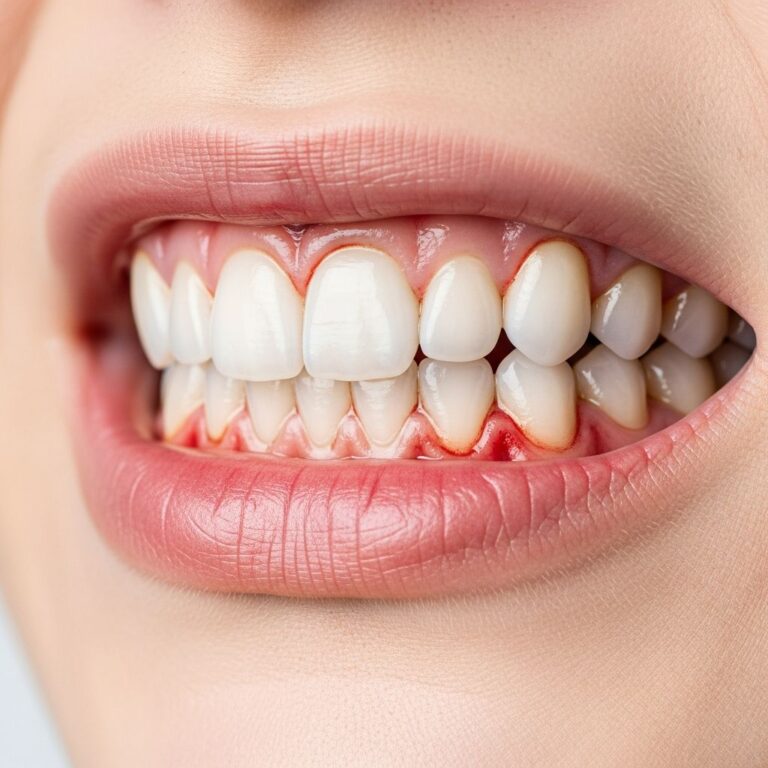
The primary indication for amphotericin B lozenges is the treatment of oral thrush, a fungal infection caused by the candida species, most commonly Candida albicans. This condition manifests as white patches or discoloration in the mouth, throat, or pharyngeal regions. Understanding the various presentations of oral thrush helps patients recognize when treatment is necessary.
Fungal Infections Addressed
- Oral thrush: The classic presentation of candida infection in the mouth and throat, characterized by creamy white patches that may cause discomfort or altered taste
- Angular cheilitis: Fungal infection affecting the corners of the mouth, often causing cracks or fissures
- Denture stomatitis: Fungal inflammation of tissues beneath dentures, common in older individuals who wear ill-fitting prosthetics
- Pharyngeal candidiasis: Infection extending into the throat region, potentially affecting the esophagus
- Esophageal involvement: In certain cases, amphotericin B lozenges may be used to prevent fungal spread to the esophageal tract
Who Is at Risk for Oral Fungal Infections?
While candida organisms naturally reside in the oral cavity of most individuals without causing symptoms, certain populations face elevated risk of developing symptomatic infections. Identifying risk factors helps patients understand their susceptibility and recognize warning signs early.
Vulnerable populations include:
- Elderly individuals, particularly those wearing dentures or experiencing reduced salivary flow
- Persons with compromised immune systems, including those with HIV/AIDS or undergoing chemotherapy
- Individuals taking prolonged courses of broad-spectrum antibiotics that disrupt normal oral flora
- Patients using inhaled corticosteroids without proper mouth rinsing protocols
- Those with diabetes or other metabolic conditions affecting immune function
- Individuals recovering from dental procedures or experiencing oral trauma
How Amphotericin B Lozenges Work
The mechanism of action involves direct interaction with fungal cell membranes. Amphotericin B binds to ergosterol, a critical component of fungal cell membranes, creating pores that disrupt membrane integrity and cellular function. This fundamental difference between fungal and human cell composition—fungi contain ergosterol while human cells contain cholesterol—allows the medication to selectively target fungal organisms while minimizing harm to human tissues.
Related Stories



The lozenge formulation extends the contact time between medication and infected tissues, allowing for sustained antifungal activity. As the lozenge dissolves, amphotericin B coats the oral and pharyngeal surfaces, providing both therapeutic effect and local protection against reinfection.
Proper Administration and Dosing Guidelines
Correct administration is essential for maximizing treatment effectiveness and ensuring complete infection resolution. The standard dosing regimen for amphotericin B lozenges involves specific timing and technique considerations.
Standard Dosing Protocol
| Parameter | Details |
|---|---|
| Individual Dose | 1 lozenge |
| Frequency | 4 times daily |
| Administration Method | Dissolve completely in mouth; do not chew |
| Food/Drink Restriction | Avoid eating or drinking for 30 minutes after each dose |
| Treatment Duration | Continue for 2 days after symptom resolution or as directed |
Administration Instructions
For optimal therapeutic outcomes, patients should follow these specific administration guidelines:
- Place one lozenge in the mouth and allow it to dissolve naturally without chewing or swallowing whole
- Position the lozenge where the infection is most prominent to maximize local contact
- Take lozenges at evenly spaced intervals throughout the day for consistent medication levels
- Do not consume food or beverages for at least 30 minutes following each dose, as consuming food or drink prematurely can wash away the medication and reduce effectiveness
- Continue treatment as directed, even if symptoms improve, to ensure complete fungal eradication
Key Safety and Precautions
While amphotericin B lozenges are generally well-tolerated when used as directed, certain precautions and considerations apply to specific patient populations. Before initiating treatment, patients should inform their healthcare provider of relevant medical history.
Important Considerations
- Pregnancy and breastfeeding: Patients should disclose pregnancy status or plans to healthcare providers before starting treatment
- Existing allergies: Previous hypersensitivity reactions to amphotericin B or related medications should be reported
- Concurrent medications: Inform healthcare providers of all current medications to identify potential interactions
- Compliance: Completing the full course of treatment is essential, even after symptom resolution
- Medical conditions: Patients with underlying health conditions affecting immune function should follow healthcare provider guidance carefully
Managing Symptoms and Treatment Response
During treatment with amphotericin B lozenges, patients may experience varying timelines for symptom improvement. Understanding what to expect helps patients maintain compliance and recognize effective treatment.
Most individuals experience gradual reduction in oral discomfort, altered taste sensations, and visible white patches within the first few days of treatment. However, complete fungal eradication requires continued therapy beyond symptomatic improvement. The recommendation to continue treatment for 2 days after symptoms resolve ensures thorough elimination of fungal organisms and prevents recurrence.
Patients should maintain consistent dosing schedules and avoid interrupting treatment prematurely. If symptoms do not improve within one week or if new symptoms develop, consulting with a healthcare provider is advisable to assess for potential complications or alternative diagnoses.
Lifestyle Measures Supporting Treatment
While amphotericin B lozenges provide primary therapy for oral fungal infections, complementary lifestyle measures can enhance treatment effectiveness and reduce recurrence risk.
- Oral hygiene: Maintain gentle but thorough oral hygiene practices, using antifungal mouthwash if recommended
- Denture care: For denture-wearing patients, ensure proper denture cleaning and disinfection protocols, avoiding prolonged continuous wear
- Dietary adjustments: Reduce refined sugar and simple carbohydrate intake, as candida organisms thrive on these substrates
- Hydration: Maintain adequate fluid intake to support saliva production, which helps control fungal proliferation
- Stress management: Implement stress reduction techniques, as psychological stress can compromise immune function
- Medication management: If taking antibiotics, discuss potential antifungal prophylaxis with healthcare providers
Comparing Amphotericin B Lozenges with Other Treatments
Several antifungal options exist for treating oral candidiasis, each with distinct advantages and applications. Amphotericin B lozenges represent one of several first-line options, particularly valued for their topical efficacy and minimal systemic absorption.
Systemic antifungal medications such as azoles provide oral administration for more extensive infections, while newer agents like echinocandins address more complex fungal infections. The choice between formulations depends on infection severity, patient factors, and healthcare provider assessment. For localized oral infections in immunocompetent individuals, topical amphotericin B lozenges offer effective treatment with rapid onset and minimal systemic effects.
Frequently Asked Questions
How quickly will amphotericin B lozenges relieve symptoms?
Most patients experience noticeable improvement within 3-5 days of consistent treatment. However, complete fungal eradication and symptom resolution typically require 7-14 days of continued therapy as directed.
Can amphotericin B lozenges be used preventatively?
While amphotericin B lozenges are primarily used for treating established infections, healthcare providers may recommend them as a preventive measure in high-risk situations, particularly in immunocompromised individuals.
Are there side effects associated with amphotericin B lozenges?
Local side effects may include mild mouth irritation, altered taste sensations, or gastrointestinal upset from swallowed lozenge residue. Systemic side effects are minimal due to low systemic absorption from topical lozenges. Severe reactions are uncommon but should prompt immediate medical evaluation.
What should I do if symptoms persist after completing treatment?
Persistent symptoms may indicate inadequate treatment compliance, resistant fungal strains, or alternative diagnoses. Consulting with a healthcare provider enables proper reassessment and potential adjustment of treatment strategies.
Can amphotericin B lozenges be used in children?
Children may use amphotericin B lozenges under appropriate medical supervision. Special consideration applies to very young children who may have difficulty dissolving lozenges without swallowing them whole.
When to Seek Medical Attention
Certain situations warrant prompt healthcare provider consultation to ensure appropriate management and rule out complications:
- Symptoms persisting beyond two weeks of treatment
- Development of severe oral pain or difficulty swallowing
- Signs of allergic reactions including rash, swelling, or breathing difficulty
- Recurrent infections despite appropriate treatment
- Systemic symptoms suggesting infection spread
- Uncertainty about proper lozenge administration technique
Conclusion
Amphotericin B lozenges represent an effective, well-established treatment for oral candidiasis and related fungal infections affecting the mouth and throat. Their favorable safety profile, minimal systemic effects, and topical efficacy make them a valuable therapeutic option for both immunocompetent and immunocompromised individuals. Success with amphotericin B lozenges depends on proper administration, treatment compliance, and appropriate lifestyle modifications. By understanding how to use this medication correctly and recognizing when to seek medical guidance, patients can effectively manage oral fungal infections and minimize recurrence risk. Always follow healthcare provider instructions and report any concerns or unexpected symptoms during treatment.
References
- Amphotericin B — Wikipedia. Accessed 2026. https://en.wikipedia.org/wiki/Amphotericin_B
- Amphotericin B – StatPearls — National Center for Biotechnology Information (NCBI), National Institutes of Health. 2024. https://www.ncbi.nlm.nih.gov/books/NBK482327/
- Amphotericin B: Uses, Interactions, Mechanism of Action — DrugBank. Accessed 2026. https://go.drugbank.com/drugs/DB00681
- Fungilin lozenges (Amphotericin B lozenges) — Healthify. Accessed 2026. https://healthify.nz/medicines-a-z/a/amphotericin-b-lozenges
- Amphotericin B – Health Information Library — PeaceHealth. Accessed 2026. https://www.peacehealth.org/medical-topics/id/hn-1316005
- Patient Information Leaflet – Amphotericin (lozenge) — My Medicines. Accessed 2026. https://mymedicines.nz/cdhb/sheet/f4tj8G0uDeU=
Similar Articles








Read full bio of medha deb