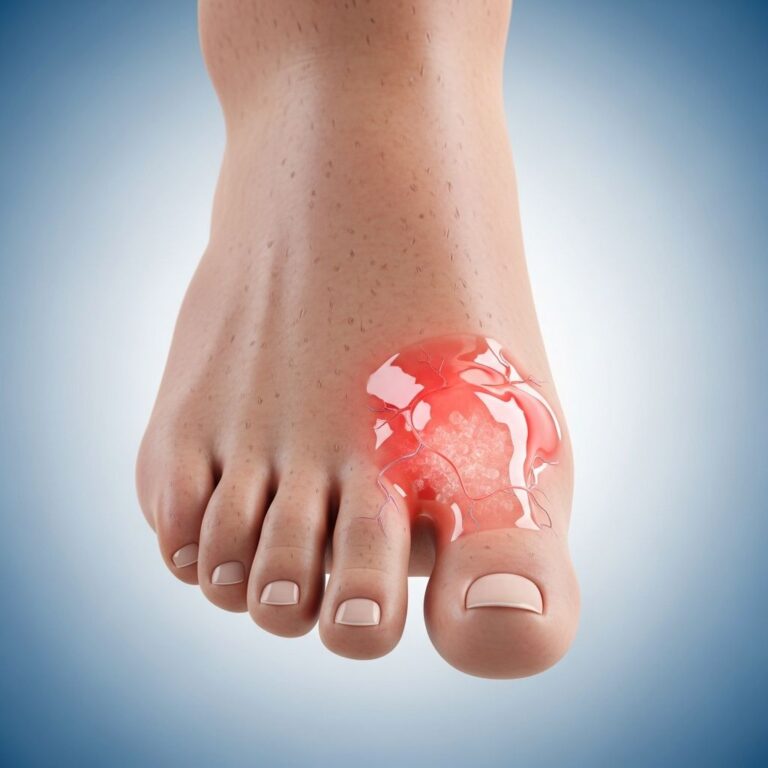
Ampicillin for Infections: Uses, Dosage & Side Effects
Complete guide to ampicillin antibiotic: how it works, proper dosage, and managing side effects safely.
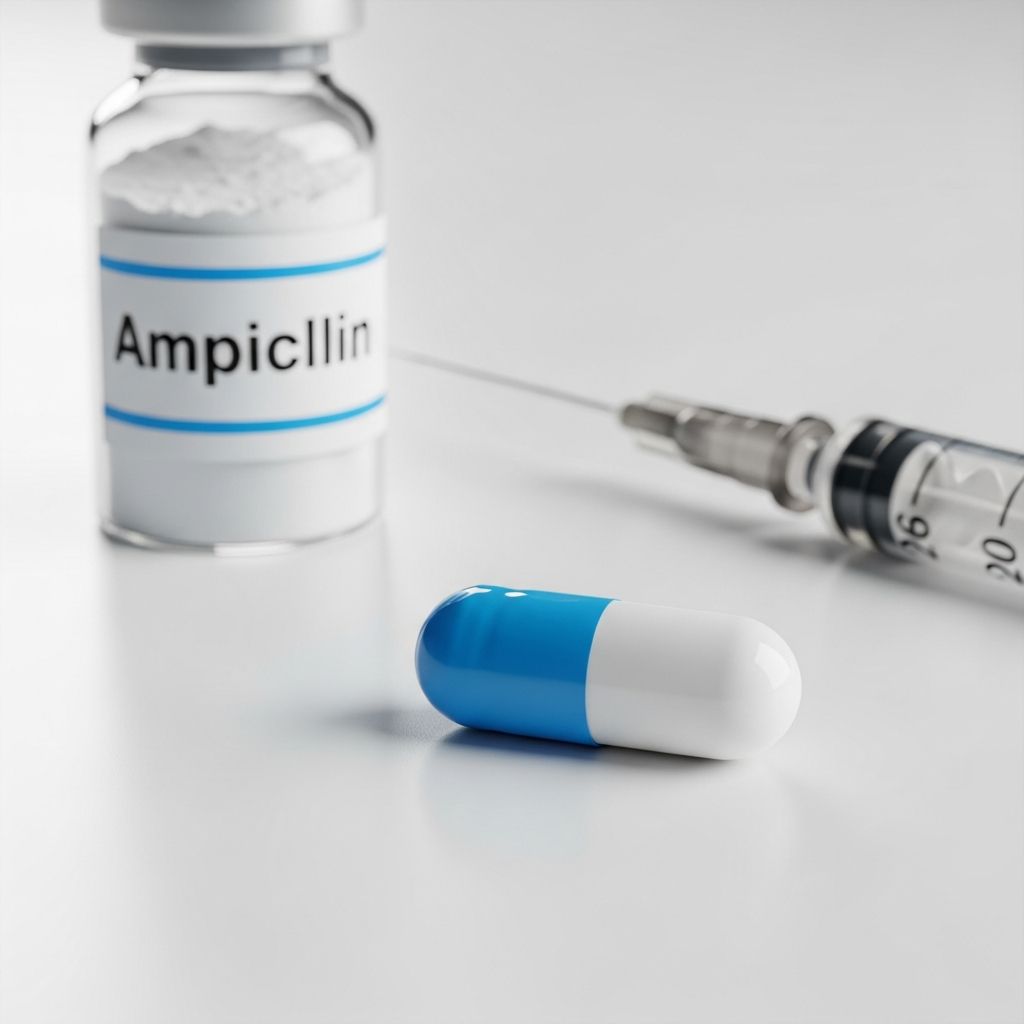
Ampicillin for Infections
Ampicillin is a widely prescribed penicillin antibiotic used to treat various bacterial infections in both adults and children. This medication works by killing the bacteria responsible for infections, making it an effective first-line treatment for several common health conditions. Understanding how to use ampicillin properly, its potential side effects, and when to seek medical advice is essential for safe and effective treatment.
About Ampicillin
Ampicillin belongs to the penicillin class of antibiotics and is one of the most commonly prescribed antimicrobial agents in clinical practice. The medication has been in extensive clinical use since 1961 and has established itself as a reliable treatment option for numerous bacterial infections affecting different body systems.
| Characteristic | Details |
|---|---|
| Type of Medicine | Penicillin Antibiotic |
| Used For | Bacterial Infections (adults and children) |
| Available Forms | Capsules, Oral Liquid Medicine, Injection |
| Mechanism | Inhibits bacterial cell wall synthesis |
Primary Uses of Ampicillin
Ampicillin is primarily prescribed for treating bacterial infections affecting various body systems. The most common conditions treated with ampicillin include:
- Sinus Infections: Bacterial sinusitis causing inflammation and infection of the nasal sinuses
- Chest Infections: Respiratory tract infections including pneumonia, chronic bronchitis, and bronchiectasis
- Urinary Tract Infections: Infections caused by gram-negative organisms, especially E. coli and Proteus mirabilis
- Ear Infections: Bacterial otitis media and other ear-related infections
- Meningitis: Bacterial meningitis caused by susceptible organisms including E. coli and Group B Streptococci
- Soft Tissue Infections: Various infections affecting skin and underlying tissues
How Ampicillin Works
Ampicillin functions as a bactericidal agent, meaning it actively kills bacteria rather than simply inhibiting their growth. The medication works by binding to specific penicillin-binding proteins (PBPs) located within the bacterial cell wall. This binding process inhibits the final stage of bacterial cell wall synthesis, a critical structural component necessary for bacterial survival. Once the cell wall synthesis is interrupted, the bacterial cells lyse (break apart) through the action of bacterial cell wall autolytic enzymes, resulting in bacterial death.
This mechanism of action makes ampicillin particularly effective against a broad spectrum of gram-positive and some gram-negative bacteria. The medication is stable against hydrolysis by various beta-lactamases, including penicillinases and cephalosporinases, which contributes to its effectiveness against many bacterial species.
How to Take Ampicillin
Proper administration of ampicillin is crucial for achieving optimal therapeutic outcomes and minimizing the risk of treatment failure and antibiotic resistance.
Before Starting Treatment
Before beginning ampicillin treatment, it is essential to read the manufacturer’s printed information leaflet included in the medication package. This leaflet provides detailed information about the medication and contains a comprehensive list of potential side effects you may experience. Additionally, inform your healthcare provider about any existing allergies, particularly to penicillin-type antibiotics or other medications, as this information is critical for safe administration.
Dosage Instructions
Ampicillin should be taken exactly as prescribed by your doctor, and the specific dosing regimen will be clearly printed on the medication label for your reference. The typical dosing schedule involves taking the medication four times daily, with doses spaced evenly approximately every six hours. This consistent spacing of doses throughout the day is important for maintaining adequate antibiotic levels in your bloodstream to effectively combat the infection.
Related Stories



When taking ampicillin capsules, swallow them whole with a drink of water. Do not crush, chew, or open the capsules unless specifically instructed by your healthcare provider. If you are taking the liquid form of ampicillin, follow the specific measurement instructions provided with the medication.
Completing Your Course
One of the most important aspects of antibiotic therapy is completing the entire prescribed course of treatment, even if you begin to feel better. Stopping ampicillin prematurely can allow remaining bacteria to multiply and cause the infection to return, potentially requiring additional treatment or leading to complications. Antibiotics are typically prescribed in short courses, usually not exceeding 14 days in duration.
If you still feel unwell after finishing the complete course of ampicillin, schedule a follow-up appointment with your doctor to reassess your condition and determine if alternative treatment is necessary.
Getting the Most From Your Treatment
Maximizing the effectiveness of ampicillin therapy requires understanding several important considerations and potential interactions.
Managing Secondary Effects
Some individuals develop secondary fungal infections, specifically thrush (oral or vaginal candidiasis), after taking a course of antibiotics. This occurs because antibiotics eliminate not only harmful bacteria but also beneficial bacteria that normally help maintain the balance of microorganisms in the mouth and vagina. If you experience redness and itching in the mouth or vagina during or after ampicillin treatment, consult with your doctor or pharmacist for appropriate treatment recommendations.
Contraceptive Pill Interactions
If you are taking the contraceptive pill while using ampicillin, be aware that the effectiveness of hormonal contraception may be reduced if you experience vomiting or diarrhea lasting longer than 24 hours. This occurs because gastrointestinal disturbances can interfere with the absorption of oral contraceptives. If such symptoms occur, consult your doctor or pharmacist about additional contraceptive precautions to use for the next few days. However, brief episodes of sickness or diarrhea lasting less than 24 hours do not require additional contraceptive measures.
Can Ampicillin Cause Problems?
Like all medications, ampicillin can cause unwanted side effects, although not everyone experiences them. Most side effects are mild and often improve as your body adjusts to the medication. However, it is important to recognize which side effects warrant immediate medical attention.
Common Side Effects
The following table outlines the most commonly reported side effects associated with ampicillin and general management strategies:
| Side Effect | Management Approach |
|---|---|
| Feeling sick (nausea) or being sick (vomiting) | Stick to simple, bland foods; take medication with food if tolerated |
| Diarrhea | Drink plenty of water to replace lost fluids; contact your doctor if severe, persistent, or contains blood |
| Redness and itching in mouth or vagina (thrush) | Speak with pharmacist or doctor for appropriate antifungal treatment |
| Skin rash (non-allergic) | Inform your doctor promptly; treatment may need to be changed |
Serious Allergic Reactions
While uncommon, ampicillin can cause serious allergic reactions in susceptible individuals. These reactions require immediate medical attention and discontinuation of the medication. Signs of a serious allergic reaction include:
- Itchy rash developing anywhere on the body
- Swelling of the face or mouth
- Difficulty breathing or shortness of breath
- Any other severe or unusual symptoms
If you develop any of these symptoms, stop taking ampicillin immediately and seek emergency medical care or contact your doctor right away. These symptoms may indicate a penicillin allergy, and continued use could lead to a severe anaphylactic reaction.
When to Contact Your Healthcare Provider
Contact your doctor or pharmacist if you experience any of the following:
- Side effects that continue or become troublesome
- Severe or persistent diarrhea, especially if it contains blood
- Symptoms of thrush that do not improve with standard treatments
- Any unusual symptoms or reactions you believe may be related to the antibiotic
- Questions about drug interactions with other medications you are taking
Precautions and Important Considerations
Before starting ampicillin therapy, inform your healthcare provider of any medical conditions or medications that may affect treatment. This includes any history of allergies to penicillin-type antibiotics, as cross-reactivity is possible. Additionally, ampicillin is considered safe during pregnancy, with extensive clinical documentation supporting its use in pregnant women when antibiotic therapy is clinically necessary.
Ampicillin may interfere with certain diagnostic tests, including tests for urinary glucose using copper sulfate reagents, the direct antiglobulin (Coombs’) test, and some tests for urinary or serum proteins. If you are undergoing laboratory testing, inform your healthcare provider that you are taking ampicillin, as this may affect test result interpretation.
Frequently Asked Questions
Q: How long does ampicillin typically take to work?
A: Most patients begin to notice symptom improvement within 48 to 72 hours of starting ampicillin therapy. However, complete resolution of infection varies depending on the type and severity of infection. Continue taking the medication for the entire prescribed duration even if you feel better.
Q: Can I stop taking ampicillin once I feel better?
A: No, you should always complete the entire prescribed course of ampicillin, even if your symptoms improve. Stopping early can allow bacteria to survive and multiply, leading to treatment failure and potential complications.
Q: What should I do if I miss a dose?
A: If you miss a dose, take it as soon as you remember. However, if it is almost time for your next scheduled dose, skip the missed dose and continue with your regular dosing schedule. Never take a double dose to make up for a missed one.
Q: Is ampicillin safe during pregnancy?
A: Yes, ampicillin is considered safe during pregnancy. Animal studies have shown no teratogenic effects, and it has been used extensively in human pregnancy since 1961 with well-documented safety in clinical studies.
Q: Can I take ampicillin with food?
A: Ampicillin can be taken with or without food. If you experience nausea, taking it with a light meal may help, but consult your doctor or pharmacist about the best approach for your specific situation.
Q: What if I am allergic to penicillin?
A: If you have a documented penicillin allergy, do not take ampicillin. Inform your doctor immediately, as alternative antibiotics can be prescribed for your infection.
Q: Are there any foods or supplements that interact with ampicillin?
A: While ampicillin has relatively few dietary interactions, it is important to discuss all supplements and medications with your pharmacist or doctor to ensure there are no potential interactions.
Q: What should I do if I experience a skin rash while taking ampicillin?
A: Contact your doctor immediately if you develop a skin rash, as this may indicate an allergic reaction or other serious side effect. Do not assume all rashes are allergic reactions, as some may be non-allergic; however, your doctor needs to evaluate it promptly.
Q: How should I store ampicillin?
A: Store ampicillin at room temperature away from moisture and heat, unless otherwise directed by the manufacturer’s instructions on the package label.
References
- Ampicillin for infections — Patient.info. 2024. https://patient.info/medicine/ampicillin-for-infections-penbritin
- Ampicillin: Uses, Interactions, Mechanism of Action — DrugBank Online. 2024. https://go.drugbank.com/drugs/DB00415
- Ampicillin — StatPearls, National Center for Biotechnology Information (NCBI). 2023. https://www.ncbi.nlm.nih.gov/books/NBK519569/
- Ampicillin for Injection, USP — U.S. Food and Drug Administration (FDA). 2024. https://www.fda.gov/media/127633/download
- Ampicillin Capsules BP 500 mg — Health Products Regulatory Authority (HPRA), Ireland. 2010. https://assets.hpra.ie/products/Human/16674/LicenseSPC_PA0298-001-002_10112010161321.pdf
Similar Articles








Read full bio of Sneha Tete